Category
page 1Rhabditida genera
Enterobius
REDIRECT Pinworm (parasite)

Ancylostoma
Ancylostoma is a genus of nematodes that includes some species of hookworms.

Anisakis
Anisakis ( ) is a genus of parasitic nematodes that have life cycles involving fish and marine mammals. They are infective to humans and cause anisakiasis. People who produce immunoglobulin E in response to this parasite may subsequently have an allergic reaction, including anaphylaxis, after eating fish infected with Anisakis species.

Dirofilaria
Dirofilaria is a filarial (arthropod-borne) nematode (roundworm), in the family Onchocercidae. Some species cause dirofilariasis, a state of parasitic infection, in humans and other animals.

Strongyloides
Strongyloides (from Greek strongylos, round, + eidos, resemblance), anguillula, or threadworm is a genus of small nematode parasites, belonging to the family Strongylidae, commonly found in the small intestine of mammals (particularly ruminants), that are characterized by an unusual lifecycle that involves one or several generations of free-living adult worms.

Metastrongylus
Metastrongylus is a genus of nematodes of the family Metastrongylidae, usually found as lungworms in pigs and sometimes causing parasitic bronchitis. It causes a disease called metastrongylosis.

Onchocerca
Onchocerca is a genus of parasitic roundworm. It contains one human parasite – Onchocerca volvulus – which is responsible for the neglected disease Onchocerciasis, also known as "river blindness" because the infected humans tend to live near rivers where host black flies live. Over 40 million people are infected in Africa, Central America, and South America. Other species affect cattle, horses, etc.

Caenorhabditis
Caenorhabditis is a genus of nematodes which live in bacteria-rich environments like compost piles, decaying dead animals and rotting fruit. The name comes from Greek: caeno- ( () = new, recent); rhabditis = rod-like ( () = rod, wand).

Trichostrongylus
Trichostrongylus species are nematodes (round worms), which are ubiquitous among herbivores worldwide, including cattle, sheep, donkeys, goats, deer, and rabbits.
At least 10 Trichostrongylus species have been associated with human infections. Infections occur via ingestion of infective larvae from contaminated vegetables or water. Epidemiological studies indicate a worldwide distribution of Trichostrongylus infections in humans, with the highest prevalence rates observed in individuals from regions with poor sanitary conditions, in rural areas, or who are farmers / herders. Human infections a

Ostertagia
Ostertagia is a genus of nematodes belonging to the family Trichostrongylidae.
Contracaecum
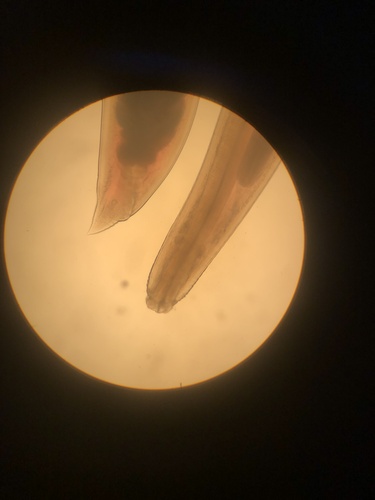
Contracaecum is a genus of parasitic nematodes from the family Anisakidae. These nematodes are parasites of warm-blooded, fish eating animals, i.e. mammals and birds, as sexually mature adults. The eggs and the successive stages of their larvae use invertebrates and increasing size classes of fishes as intermediate hosts. It is the only genus in the family Anisakidae which can infect terrestrial, marine and freshwater animals.
Heterorhabditis
Heterorhabditis is a genus of nematodes belonging to the order Rhabditida. All species of this genus are obligate parasites of insects, and some are used as biological control agents for the control of pest insects.
Strongylus
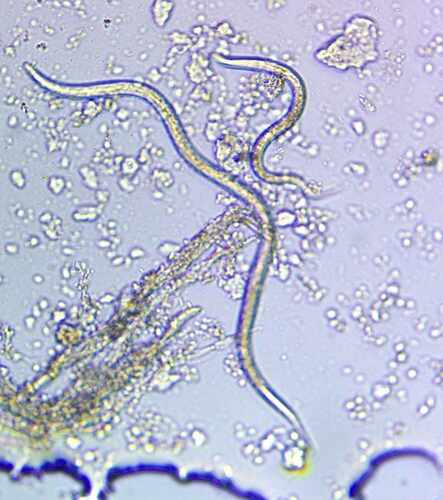
genus of worms
Mansonella
Mansonella is a genus of parasitic nematodes. It includes three species that are responsible for the disease mansonelliasis: Mansonella ozzardi, M. perstans, and M. streptocerca. A potential fourth species has been identified in Gabon in 2015 and proposed as a new species Mansonella sp. "DEUX". Whole-genome sequences from Mansonella perstans, Mansonella ozzardi, and the newly proposed species Mansonella sp. "DEUX" have been assembled.
Steinernema
Steinernema is a genus of nematodes in the family of Steinernematidae. The genus Steinernema is named after the nematologist Gotthold Steiner. Nematodes of this genus have been shown to be effective as a biological control for agricultural pests of the Scarabaeidae family, such as Maladera formosae.
Loa
genus of worms
Pristionchus
Pristionchus is a genus of nematodes (roundworms) in the family Diplogastridae that currently includes more than 50 described species. They are known mainly as non-parasitic associates of insects, especially beetles, while others have been reported from soil, organic matter, or rotting wood. The genus includes P. pacificus, a satellite model organism to the well-studied nematode Caenorhabditis elegans.
Angiostrongylus
Angiostrongylus is a genus of parasitic nematodes in the family Metastrongylidae.
Wuchereria
Wuchereria is a genus of nematodes belonging to the family Onchocercidae.
Rhabditis
Rhabditis is a genus of nematodes in the family Rhabditidae.

Necator
genus of worms

Gnathostoma
Gnathostoma is a genus of parasitic nematodes with multi-host life-cycles. Successive hosts include copepods, fish and amphibians, and carnivorous and omnivorous mammals. Infection with nematodes of some Gnathostoma species causes gnathostomiasis in humans.

Cucullanus
thumb|left|Cucullanus cirratus, [[scanning electron microscope photograph of the head (with added colours)]]
Cucullanus is a genus of parasitic nematodes. The genus includes more than 100 species.
Hemicycliophora
Hemicycliophora is a genus of nematodes belonging to the family Hemicycliophoridae. They are collectively referred to as sheath nematodes.

Syphacia
Syphacia is a genus of nematodes belonging to the family Oxyuridae.
Syngamus
Syngamus is a genus of nematodes belonging to the family Syngamidae.

Thelazia
Thelazia is a genus of nematode worms which parasitize the eyes and associated tissues of various bird and mammal hosts, including humans. They are often called "eyeworms", and infestation with Thelazia species is referred to as "thelaziasis" (occasionally spelled "thelaziosis"). Adults are usually found in the eyelids, tear glands, tear ducts, or the so-called "third eyelid" (nictitating membrane). Occasionally, they are found in the eyeball itself, either under the conjunctiva (the membrane that covers the white part of the eye) or in the vitreous cavity of the eyeball. All species of Thelaz

Habronema
Habronema is a genus of nematodes in the order Spirurida.
Mononchoides
Mononchoides is a genus of nematodes belonging to the family Diplogastridae.
Craspedonema
Craspedonema is a genus of nematodes in the family Bunonematidae.

Hedruris
thumb | right | alt=Hedruris chandleri | Hedruris chandleri
Hedruris is a genus of nematodes belonging to the family Hedruridae.

Acanthocheilus
Acanthocheilus is a genus of nematodes belonging to the family Acanthocheilidae.
Micoletzkya
Micoletzkya is a genus of predatory bark-beetle-associated nematodes in the family Diplogastridae. The genus was named for the Austrian nematologist Heinrich Micoletzky. As of 2013 it consists of 25 described species.
Cylicocyclus
Cylicocyclus is a genus of nematodes belonging to the family Strongylidae.
Terranova
genus of worms
Diplogaster
Diplogaster is a genus of nematodes belonging to the family Diplogastridae.
Bunostomum
Bunostomum is a genus of nematodes of the small intestine of ruminants and camelids. Important species include B. phlebotomum in calves and B. trigonocephalum in lambs. The worms are stout and measure in length. Young animals are most commonly affected and only several hundred worms are necessary to cause morbidity. Adults often carry worms without showing clinical signs.

Foleyella
Foleyella is a genus of nematodes belonging to the family Onchocercidae.

Filaria
Filaria is a genus of nematodes belonging to the family Filariidae.
Parafilaria
Parafilaria is a genus of nematodes belonging to the family Filariidae.
Mesorhabditis
Mesorhabditis is a genus of nematodes.

Uncinaria
Uncinaria is a genus of nematodes. The genus was circumscribed by Josef Aloys Frölich in 1789.
Pelodera
Pelodera is a genus of nematodes belonging to the family Rhabditidae.
Diploscapter
Diploscapter is a genus of nematodes in the family Rhabditidae.

Cyathostomum
Cyathostomum is a genus of nematodes belonging to the family Strongylidae.
Teladorsagia
Teladorsagia is a genus of nematodes belonging to the family Trichostrongylidae.
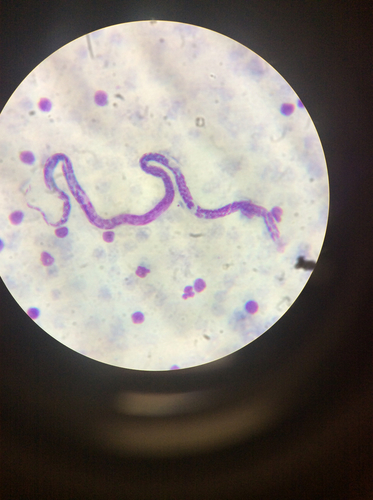
Brugia
Brugia is a genus for a group of small roundworms. They are among roundworms that cause the parasitic disease filariasis. Specifically, of the five species known, Brugia malayi and Brugia timori cause lymphatic filariasis in humans; and Brugia pahangi and Brugia patei infect domestic cats, dogs and other animals. Brugia buckleyi specifically infects the Indian hare (Lepus nigricollis singhala). They are transmitted by the bite of mosquitos.
Aelurostrongylus
Aelurostrongylus is a genus of nematodes belonging to the family Angiostrongylidae.
Cercopithifilaria
Cercopithifilaria is a genus of nematodes belonging to the family Onchocercidae.

Haemonchus
Haemonchus is a genus of nematodes belonging to the family Trichostrongylidae.

Acuaria
Acuaria is a genus of nematodes belonging to the family Acuariidae.
Protorhabditis
Protorhabditis is a genus of nematodes in the family Rhabditidae.

Gongylonema
Gongylonema is a genus of thread-like nematode that was described by Molin in 1857. It is the only currently valid genus in the family Gongylonematidae, though the mysterious Spiruroides – usually placed in the Subuluridae, which are not closely related to Gongylonema among the Spiruria – might actually belong here. They are parasites of birds and mammals, transmitted by insects (especially beetles). Some 38 species are known, about 12 of which have been recorded in Europe.
Spirocerca
Spirocerca is a genus of nematodes belonging to the family Spirocercidae.
Tetrameres
Tetrameres is a genus of nematodes belonging to the family Tetrameridae.