Category
page 5Rodent genera
Beamys
Beamys is a genus of rodent in the family Nesomyidae.
It contains the following species:
Lesser hamster-rat (Beamys hindei)
Greater hamster-rat (Beamys major)
Capromys
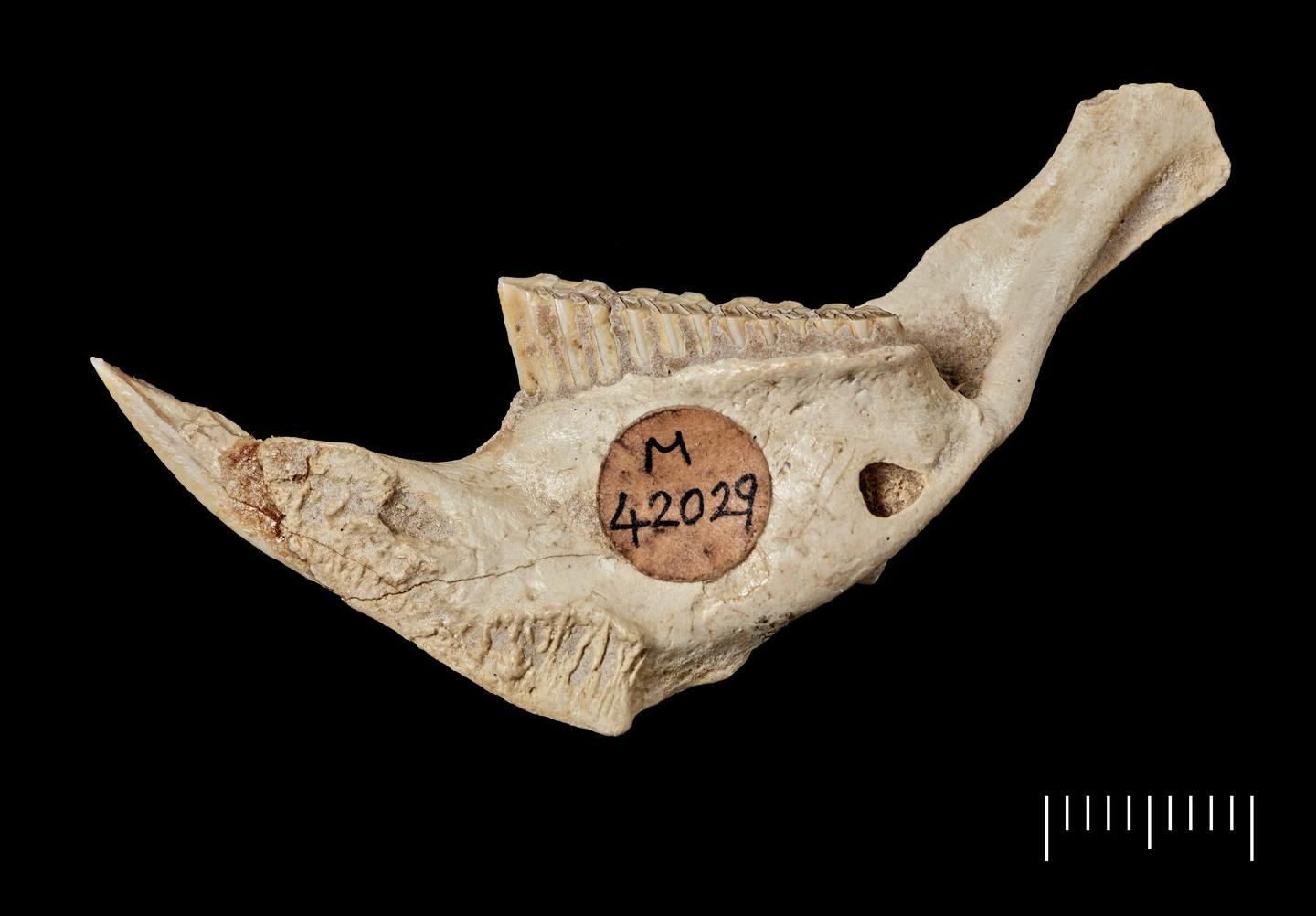
Capromys is a genus of rodents that contains Desmarest's hutia, Garrido's hutia, and several recently extinct species, mainly from Cuba, although one extinct subspecies of Desmarest's hutia is known from Grand Cayman.
Tympanoctomys
Tympanoctomys is a genus of rodent in the family Octodontidae. There are three extant species in the genus: T. barrerae, T. kirchnerorum and T. loschalchalerosorum. T. loschalchalerosorum was formerly considered to be monotypic within the genus Salinoctomys, but has been shown by genetic analysis to nest within the variation of T. barrerae.
Brachytarsomys
Brachytarsomys is a genus of rodent in the family Nesomyidae.
It contains the following species:
White-tailed antsangy (Brachytarsomys albicauda)
Brachytarsomys mahajambaensis (extinct)
Hairy-tailed antsangy (Brachytarsomys villosa)
Thrichomys
Thrichomys is a genus of South American rodents in the family Echimyidae. It contains at least five species, found in Bolivia, Brazil and Paraguay. They are as follows:
Thrichomys apereoides - Common punaré
Thrichomys fosteri - Foster's punaré
Thrichomys inermis - Highlands punaré
Thrichomys laurentius - Sao Lourenço punaré
Thrichomys pachyurus - Paraguayan punaré

Xerospermophilus
thumb|Spotted ground squirrels
Pygmy ground squirrels are small ground squirrels in the genus Xerospermophilus, family Sciuridae, containing four species from Mexico and the United States. The members of this genus were formerly placed in the large ground squirrel genus Spermophilus. Since DNA sequencing of the cytochrome b gene showed that Spermophilus (as then defined) was paraphyletic to the prairie dogs and marmots, this group is now separated, along with six other genera. Within the genus, the Mohave ground squirrel and the round-tailed ground squirrel were thought to be close relatives,
Kunsia
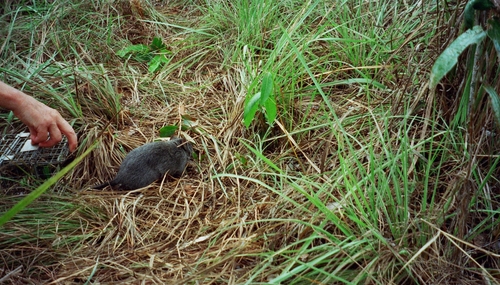
REDIRECT Woolly giant rat
Lagurus
genus of mammals
Isolobodon
Isolobodon is an extinct genus of rodent in the subfamily Capromyinae.
It contains the following species:
Montane hutia (Isolobodon montanus)
Puerto Rican hutia (Isolobodon portoricensis)

Euryoryzomys
Euryoryzomys is a genus of rodents in the tribe Oryzomyini of family Cricetidae. It includes seven species, which are distributed in South America. Until 2006, its members were included in the genus Oryzomys, but they are not closely related to the type species of that genus, and therefore they were placed in a new genus. They are most closely related to genera like Hylaeamys and Transandinomys; many members of these genera were previously placed in a single species, known as Oryzomys capito. The genus name, Euryoryzomys, combines the name "Oryzomys" with the Ancient Greek word eurus "broad",

Aegialomys
Aegialomys is a genus of oryzomyine rodents from the lowlands and mountains of western Peru and Ecuador, including the Galápagos Islands. The species in this genus have historically been placed in Oryzomys, but according to cladistic research, the genus is more closely related to a group containing, among others, Nectomys and Sigmodontomys, than to Oryzomys. The generic name Aegialomys means "coastal mouse" in Ancient Greek ( "coast" and "mouse") and references the mostly coastal occurrence of the genus.
Fukomys
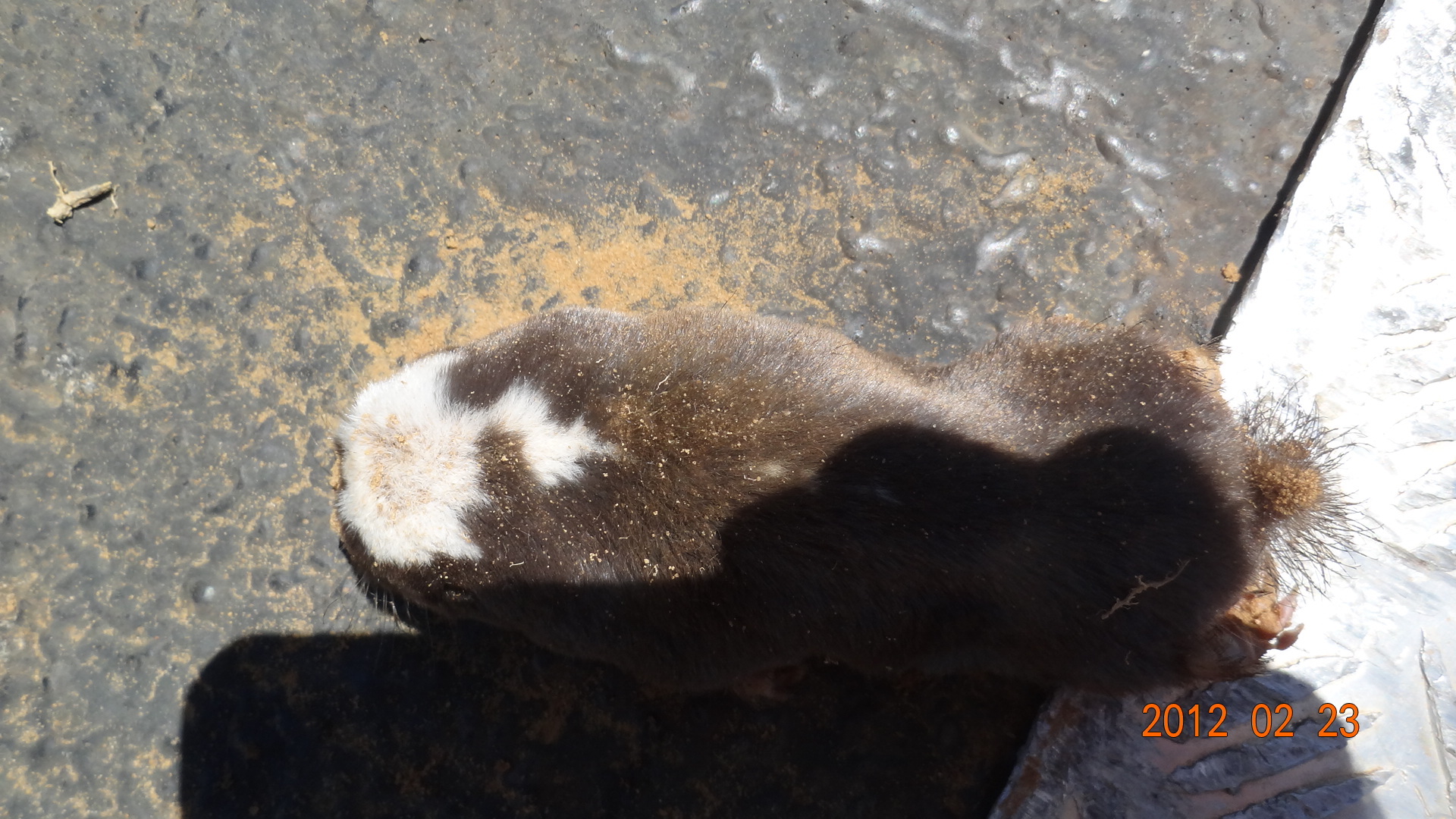
Fukomys is a genus described in 2006 of common mole-rats, containing several species that were formerly placed in the genus Cryptomys; its species are endemic to Africa. The species contained in the genus includes:

Baiyankamys
Baiyankamys is a genus of amphibious murid rodents. It was originally described, along with the species Baiyankamys shawmayeri by Hinton in 1943 after he found the remains of a single individual in south east of the Bismarck Mountain Range, north east New Guinea. Tate, in 1951 and, Laurie and Hill in 1954, confirmed the existence of both the species and genus.
Cerradomys
Cerradomys is a genus of oryzomyine rodents from eastern Bolivia, Paraguay, and central Brazil found in cerrado, Caatinga and Gran Chaco habitats.
Loxodontomys
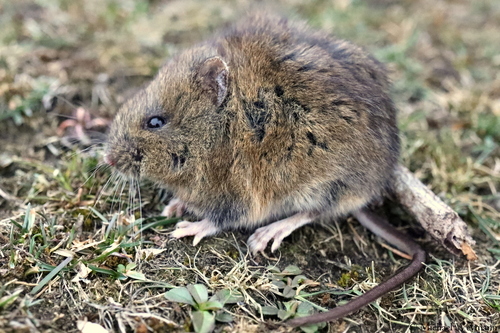
Loxodontomys is a genus of South American rodents in the tribe Phyllotini of family Cricetidae. Two species are known, found in Argentina and Chile. They are as follows:
Southern big-eared mouse (Loxodontomys micropus)
Pikumche pericote (Loxodontomys pikumche)

Ictidomys
Ictidomys is a North American genus of rodent in the squirrel family, which contains the thirteen-lined ground squirrel, the Mexican ground squirrel, and the Rio Grande ground squirrel. These species were included in the species-rich ground squirrel genus Spermophilus until molecular data showed that this genus was not a natural, monophyletic grouping.
==Species==
{| class="wikitable"
|-
! Image !! Name !! Distribution
|-
|120px||Ictidomys mexicanus ||Central Mexico.
|-
|120px||Ictidomys parvidens ||United States (Texas and New Mexico) and in north-eastern Mexico.
|-
|120px||Ictidomys tridece
Transandinomys
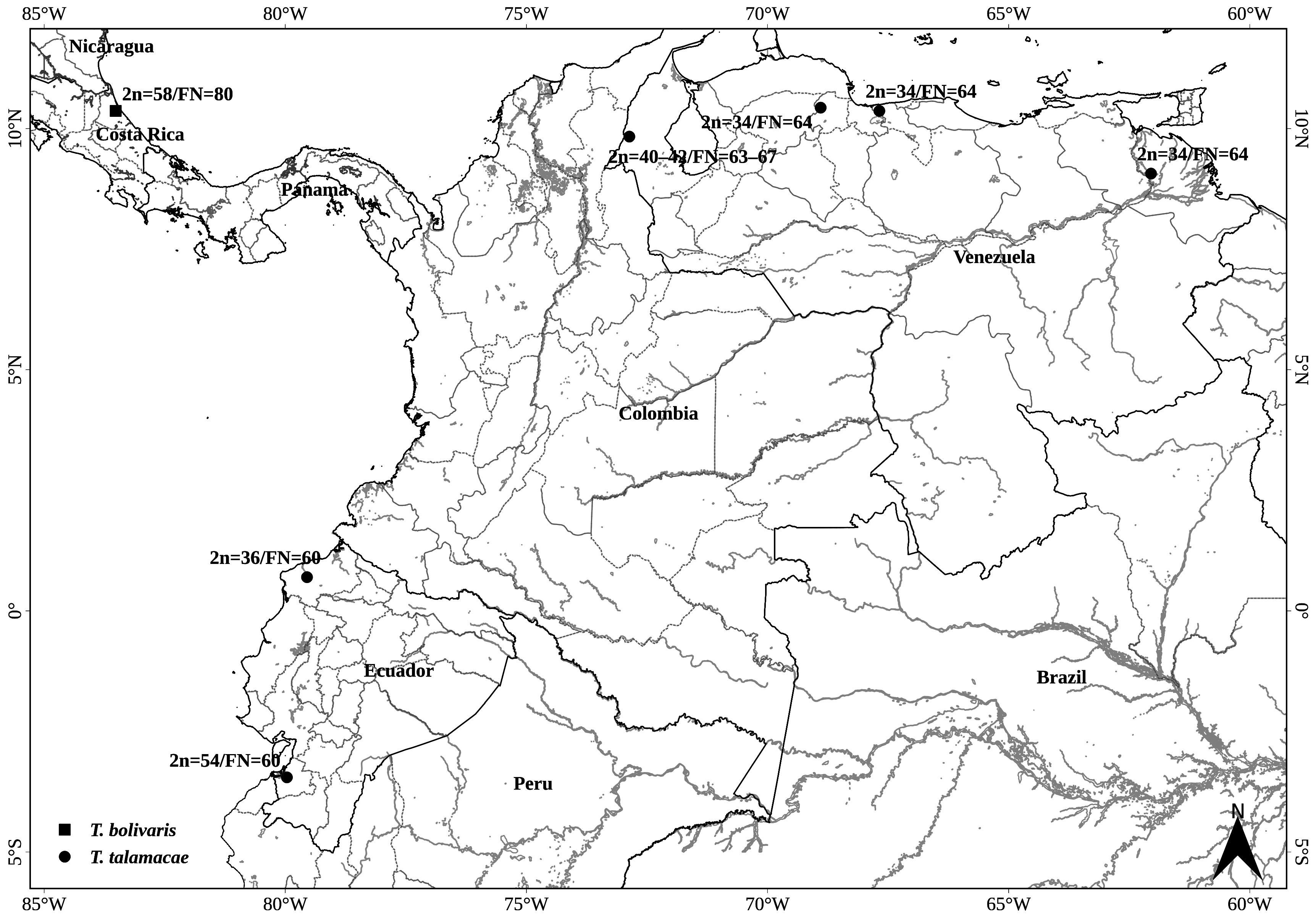
Transandinomys is a genus of rodents in the tribe Oryzomyini of family Cricetidae. It includes two species—T. bolivaris and T. talamancae—found in forests from Honduras in Central America south and east to southwestern Ecuador and northwestern Venezuela in northern South America. Until 2006, its members were included in the genus Oryzomys, but phylogenetic analysis showed that they are not closely related to the type species of that genus, and they have therefore been placed in a new genus. They may be most closely related to genera like Hylaeamys and Euryoryzomys, which contain very
Heteropsomys
Heteropsomys is an extinct genus of rodent in the family Echimyidae.
It contains the following species:
Antillean cave rat (Heteropsomys antillensis)
Insular cave rat (Heteropsomys insulans)
Pattonomys
Pattonomys is a genus of rodent in the family Echimyidae, named after American mammalogist James L. Patton.
It contains the following species:
Bare-tailed armored tree-rat (Pattonomys occasius)
Speckled spiny tree-rat (Pattonomys semivillosus)
Notocitellus
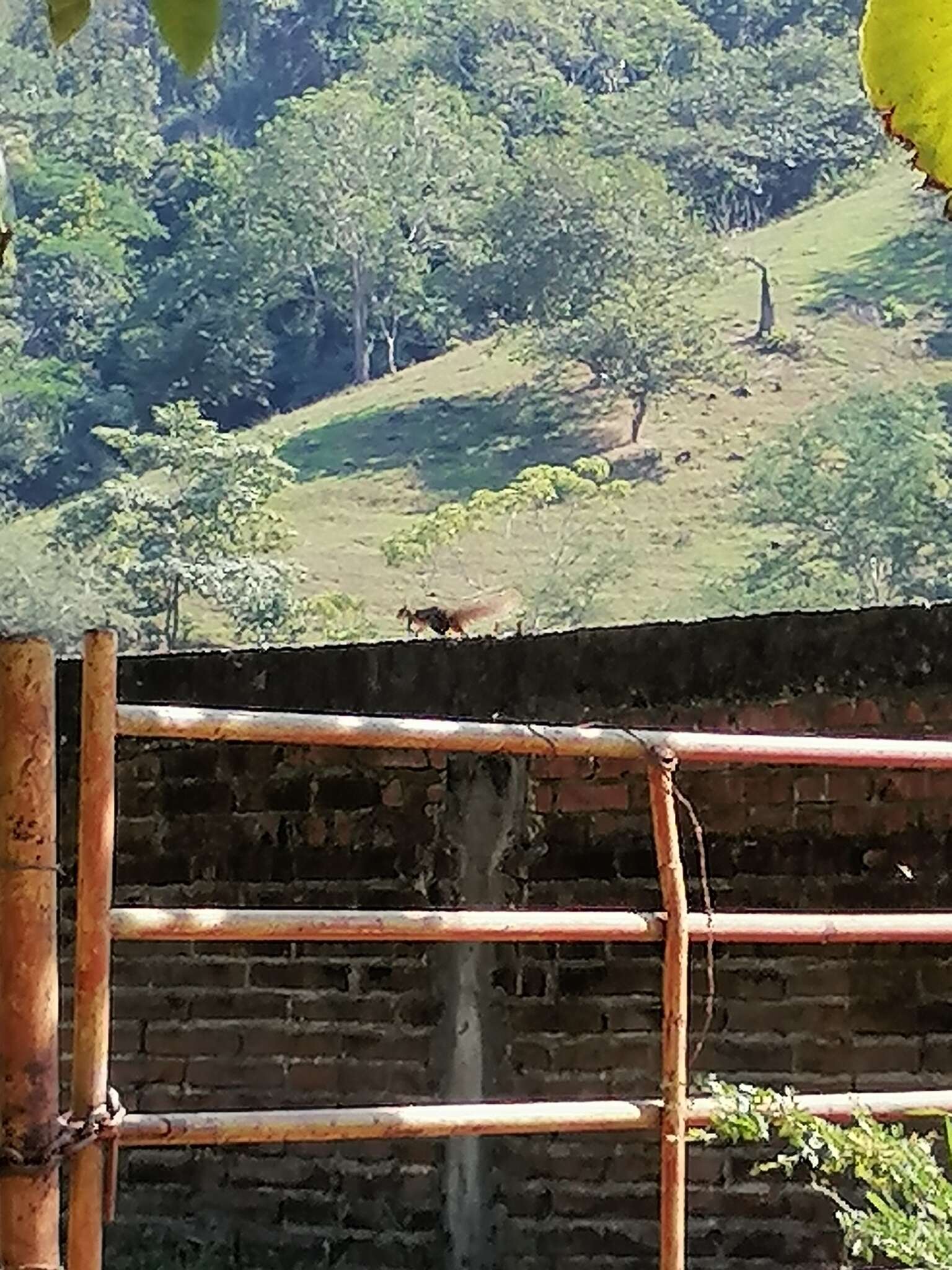
Notocitellus is a genus of ground squirrels, containing two species from Mexico. These species are the tropical ground squirrel (Notocitellus adocetus), and the ring-tailed ground squirrel (N. annulatus). Notocitellus was formerly placed in the large ground squirrel genus Spermophilus, as a subgenus or species group. Since DNA sequencing of the cytochrome b gene has shown Spermophilus to be paraphyletic to the marmots, antelope squirrels, and prairie dogs, it is now separated, along with six other genera. The exact relations of this genus are unclear, though a relation to the antelope squ
Mirzamys
Mirzamys is a genus of rodent in the family Muridae endemic to New Guinea.
It contains the following species:
Mirza's western moss rat (Mirzamys louiseae)
Mirza's eastern moss rat (Mirzamys norahae)
Dipodillus
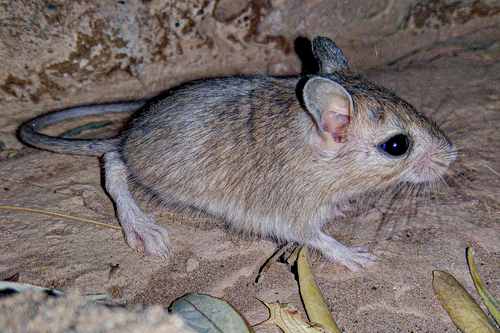
Dipodillus is a genus of rodent in the family Muridae. It is sometimes classified as a subgenus of the genus Gerbillus.

Tonkinomys daovantieni
species of mammal
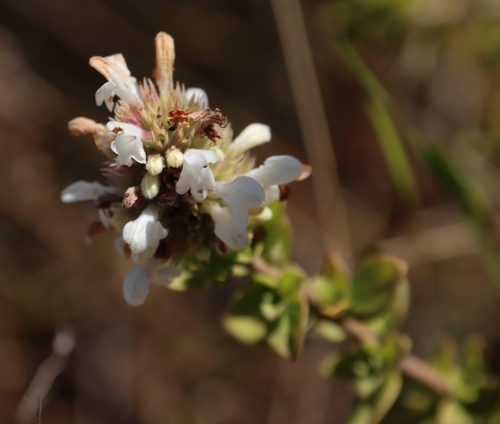
Vernaya
Vernaya is a genus of rodent in the subfamily Murinae from southern China and northern Burma. It contains a four extant species, the red climbing mouse (Vernaya fulva), V. foramena, V. meiguites, V. nushanensis, and several extinct species, all described by Zheng in 1993, namely Vernaya prefulva, V. pristina, V. giganta and V. wushanica. The genus is named after Arthur Stannard Vernay who collected the specimen of V. fulva on an expedition to Burma with Charles Suydam Cutting.
Musseromys
Musseromys is a genus of rodent, in the family Muridae, endemic to the Philippines. Four species are known, all from Luzon:

Glis
genus of mammals

Neotamias
Neotamias is a genus of chipmunks within the tribe Marmotini of the squirrel family. It contains 23 species, which mostly occur in western North America. Along with Eutamias, this genus is often considered a subgenus of Tamias.
Soricomys
Soricomys, the shrew-mice, are a genus of rodents in the family Muridae. They are carnivores that feed on invertebrates much like shrews do. An apparently smaller relatives of the true shrew-rats Chrotomys and Rhynchomys, Soricomys are somewhat convergent to the more distantly related Crunomys.

Nannospalax
Nannospalax is a genus of rodent in the family Spalacidae, found in eastern Europe and western Asia. It is one of two genera in the blind mole-rats (subfamily Spalacinae), alongside Spalax. Members of this genus are also known as small-bodied mole-rats. As with members of the genus Spalax, they are completely blind, with their eyes being entirely covered by skin.
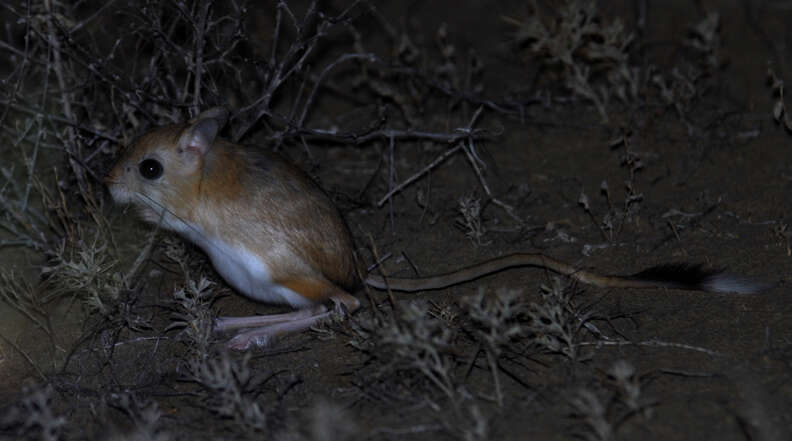
Dipus
Dipus, meaning "two foot" in Ancient Greek, is a genus of jerboa. Today only a single species is usually recognized, the northern three-toed jerboa (Dipus sagitta), widespread throughout Central Asia. Some authors recognize a second species, the Qaidam three-toed jerboa (Dipus deasyi) from the Qaidam Basin of western China. The genus has a fossil record that dates back to the Miocene, with several extinct species known from Asia. The oldest dated species is Dipus conditor.
Coryphomys
Coryphomys is an extinct genus of rats, known from sub-fossils found on Timor. Its name is Greek for "top-of-the-head mouse" or "summit mouse".

Hypogeomys
Hypogeomys is a genus of rodents in the family Nesomyidae, found in Madagascar. There is one extant species, the Malagasy giant rat (Hypogeomys antimena), currently an endangered species with a restricted range. There is also another species known from subfossils from a few thousand years ago, Hypogeomys australis. H. antinema measures , making it the largest rodent in Madagascar, while H. australis seems to have been slightly larger.
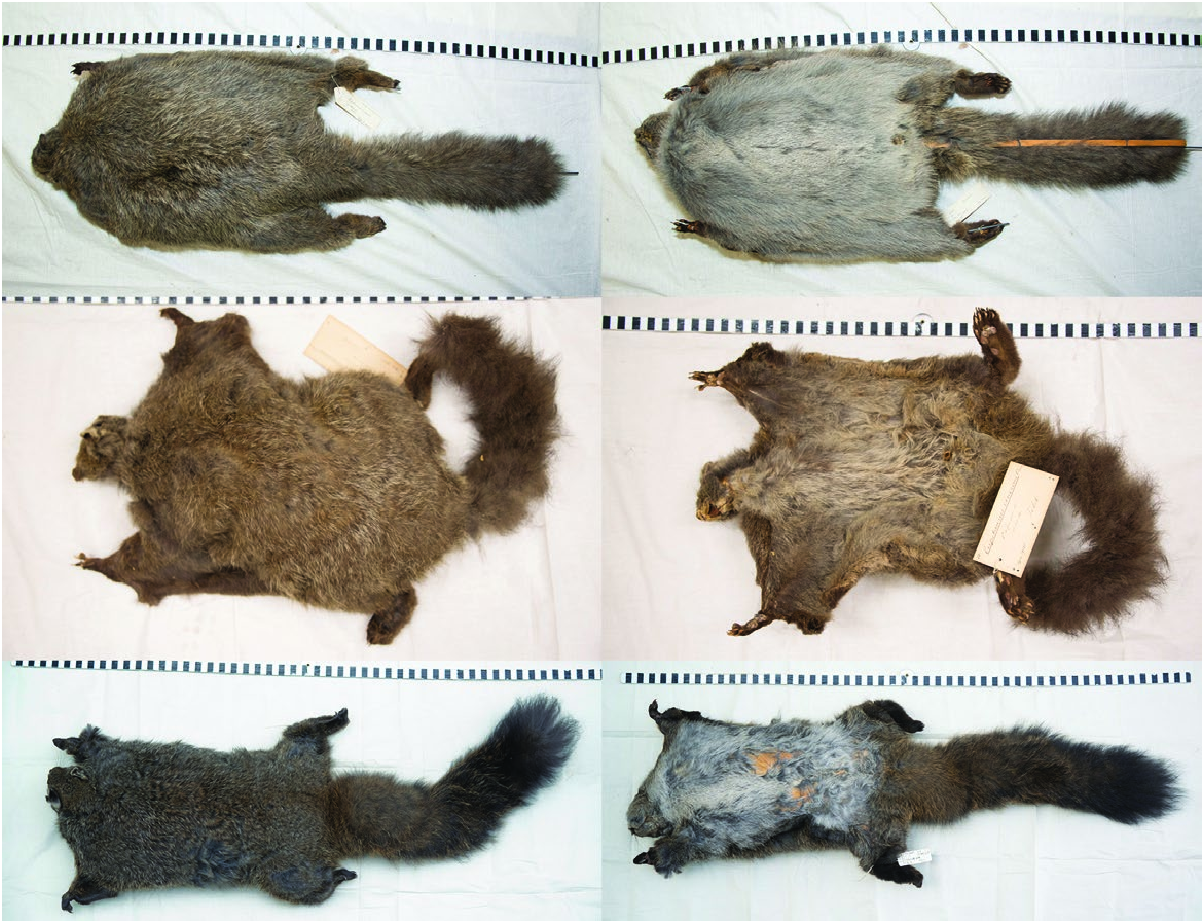
Eupetaurus
Eupetaurus is a genus of rodent in the family Sciuridae. Members of this genus are known as woolly flying squirrels. They are large to very large flying squirrels found in the highest rocky cliffs near the treeline of the Himalayas and Tibetan Plateau. Due to the inaccessibility of their montane habitat, they are difficult to study.

Geoxus
thumb | right | Geoxus valdivianus
Geoxus is a genus of South American rodents in the tribe Abrotrichini of family Cricetidae. Two species—Geoxus valdivianus and Geoxus annectens are known.
Gyldenstolpia
Gyldenstolpia is a genus of rodents belonging to the family Cricetidae.
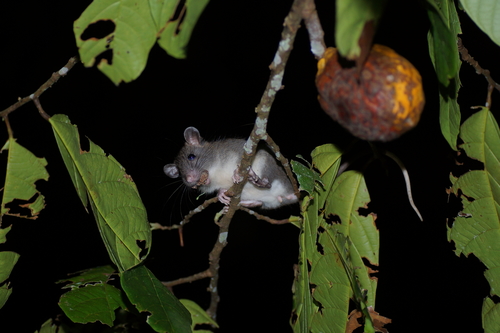
Lenomys
Lenomys is a genus of rodent endemic to Sulawesi. It contains the living trefoil-toothed giant rat (Lenomys meyeri) and the extinct Lenomys grovesi.
Euryzygomatomys
Euryzygomatomys is a genus of South American rodents, commonly called guiaras, in the family Echimyidae. It contains two extant and one fossil species, found in Argentina, Brazil, and Paraguay. They are:
Brandt's guiara (E. guiara)
Fischer's guiara (E. spinosus)
†E. hoffstetteri - Tarija Formation, Bolivia

Myocastor
Myocastor is a genus of rodent that contains the living nutria (or coypu), as well as several fossil species.
Craseomys
Craseomys is a genus of small, slender voles.
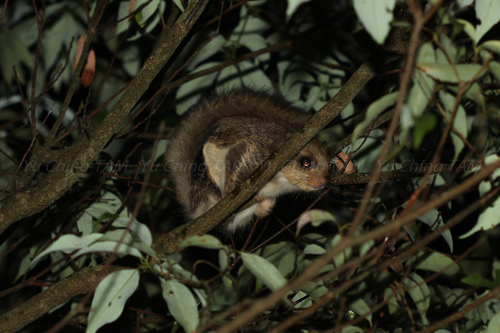
Belomys
Belomys is a genus of squirrels that contains a single extant species, the hairy-footed flying squirrel (Belomys pearsonii).
Golunda
Golunda is a genus of murine rodent.
Erethizon
Erethizon is a genus of New World porcupine and the only one of its family to be found north of southern Mexico. The North American porcupine (Erethizon dorsatum) is the only extant species, but at least four extinct relatives are known, the oldest dating to the Late Pliocene. Porcupines entered North America during the Great American Interchange after the Isthmus of Panama rose 3 million years ago. Early species of the genus retained an elongate tail, unlike E. dorsatum.
Rhagamys
Rhagamys is an extinct genus of rodents in the subfamily Murinae, the Old World mice and rats. The genus was established by the Swiss zoologist Charles Immanuel Forsyth Major to accommodate Rhagamys orthodon, which is the only species in the genus. It was endemic to the Mediterranean islands of Corsica and Sardinia, descending from Rhagapodemus, which had colonised the islands around 3.6 million years ago. Its closest living relatives are of the genus Apodemus, which includes the field and wood mice.
Tanyuromys
Tanyuromys is a genus of oryzomyine rodents distributed in mountainous areas from Central America to the western part of South America. The species in this genus have historically been placed in Sigmodontomys, but according to cladistic research, this genus is either sister to the clade containing Sigmodontomys and Melanomys or sister to the extinct Caribbean giant rice rat Megalomys. Along with members of Aegialomys and Melanomys, it occurs at some of the highest elevations known for oryzomines.

Alexandromys
Alexandromys is a genus of voles in the subfamily Arvicolinae, formerly a subgenus of the genus Microtus. Species in this genus are:
Alpine vole (Alexandromys alpinus)
Evorsk vole (Alexandromys evoronensis)
Reed vole (Alexandromys fortis)
Taiwan vole (Alexandromys kikuchii)
Lacustrine vole (Alexandromys limnophilus)
Maximowicz's vole (Alexandromys maximowiczii)
Middendorff's vole (Alexandromys middendorffi)
Mongolian vole (Alexandromys mongolicus)
Japanese grass vole (Alexandromys montebelli)
Muya Valley vole (Alexandromys mujanensis)
Tundra vole or root vole (Alexandromys oeconomus)
Sakhalin
Hypnomys
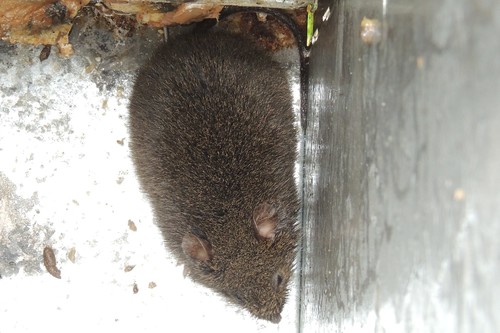
Hypnomys, otherwise known as Balearic giant dormice, is an extinct genus of dormouse (Gliridae) in the subfamily Leithiinae. Its species are considered examples of insular gigantism. They were endemic to the Balearic Islands in the western Mediterranean from the Early Pliocene until their extinction around the 3rd millennium BC. They first appeared in the fossil record on Mallorca during the Early Pliocene (around 5 million years ago), presumably as a result to the evaporation of the Mediterranean sea during the Messinian salinity crisis (5.96-5.33 million years ago) connecting the Balearic Is
Neomicroxus
Neomicroxus is a genus of grass mice. Both species were placed in the genus Akodon. There are two living species:
Diplothrix
Diplothrix is a genus of two species of rodents in the family Muridae. Diplothrix legata occurs in the Ryukyu Islands of Japan. Diplothrix yangziensis is known only from fossils collected in eastern China, dating to the Early Pleistocene.
Scarturus
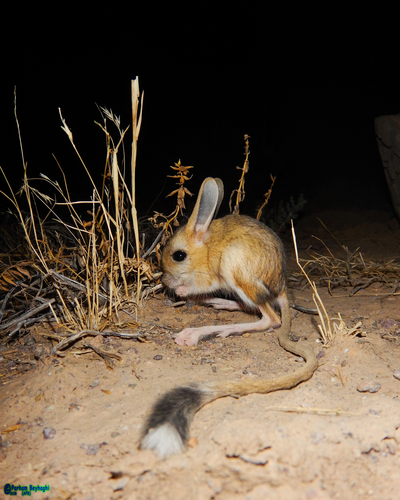
Scarturus is a genus of rodent in the family Dipodidae. It contains the following species:
Small five-toed jerboa (Scarturus elater)
Euphrates jerboa (Scarturus euphraticus)
Four-toed jerboa (Scarturus tetradactyla)
Vinogradov's jerboa (Scarturus vinogradovi)
Williams's jerboa (Scarturus williamsi)
Geosciurus
The genus Geosciurus of African ground squirrels are found in most of the drier parts of southern Africa from South Africa, through to Botswana, and into Namibia.
Zenkerella
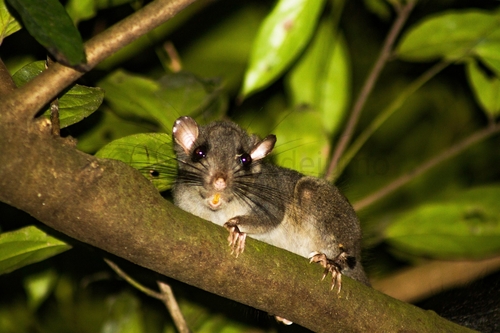
genus of mammals

Eutamias
Eutamias is a genus of chipmunks within the tribe Marmotini of the squirrel family. It includes a single living species, the Siberian chipmunk (Eutamias sibiricus). The genus is often treated as a subgenus of Tamias, which is now restricted to the eastern chipmunk of North America. Neotamias, which now includes the western North American chipmunks, has also been included in Eutamias.
Mindomys
Mindomys is a genus of sigmodontine rodents in the family Cricetidae. It includes two species known only from Ecuador, Hammond's rice rat (Mindomys hammondi) and the Kutukú rat (Mindomys kutuku).
Petromus
Petromus is a genus of hystricognath rodents that contains the dassie rat (Petromus typicus) of southwestern Africa, the only extant member of this group and the entire family Petromuridae.
Ochromyscus
Ochromyscus is a genus of rodent in the family Muridae.
Glirulus
Glirulus is a genus of dormouse. The only extant species is the Japanese dormouse (Glirulus japonicus) but fossil species indicate that the genus was widespread in Europe in the past.
Aeretes
Aeretes is a genus of squirrels that contains a single extant species, the groove-toothed flying squirrel (Aeretes melanopterus).
Congomys
Congomys is a genus of rodent in the family Muridae. Both species in this genus were formerly classified in Praomys, and both are endemic to the Democratic Republic of Congo.
Heterogeomys
thumb | right | A picture of the Heterogeomys
Heterogeomys is a genus of rodent in the family Geomyidae, found in Mexico, Central America and Colombia. Heterogeomys are a small genus of rodents commonly known as pocket gophers, though the term applies to all genera within the family Geomyidae. The name pocket gopher was earned for this family because of their fur lined cheek pouches that can be used for carrying food. These pouches can also be turned inside out. Species of Heterogeomys are regarded as pests, one of less than 5% of rodent species classified as pests, and the history of man's a
Urocricetus
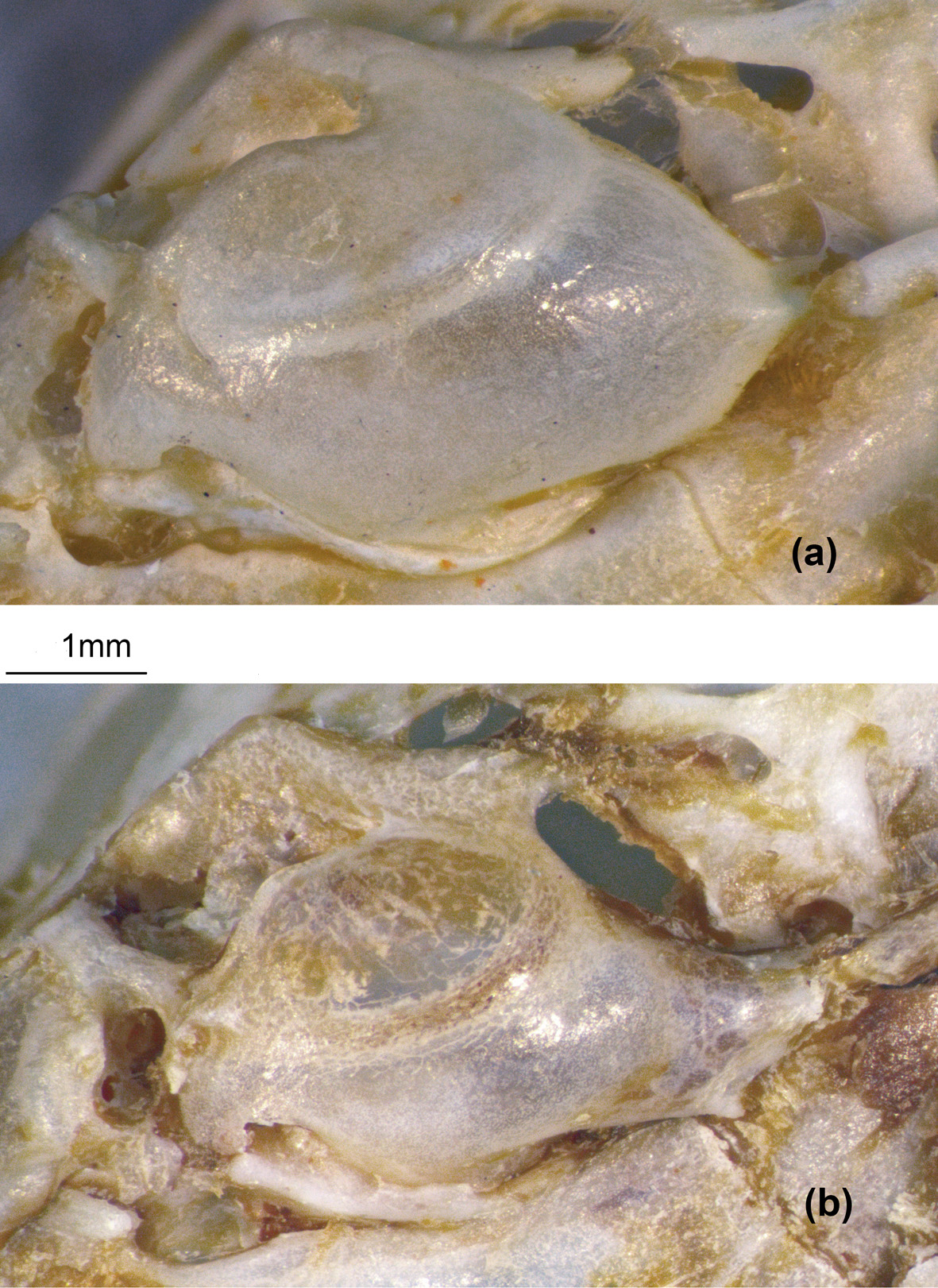
Urocricetus is a genus of hamsters found on the Tibetan Plateau in southern Asia. These species have relatively long tails for a hamster, with brownish upperparts and a pure white underside.