Category
page 1Roman-era students in Athens

Cicero
Marcus Tullius Cicero ( , ; 3 January 106 BC – 7 December 43 BC) was a Roman statesman, lawyer, scholar, philosopher, orator, and writer who tried to uphold principles during the political crises of the Roman Republic that led to the establishment of the Roman Empire. The extensive writings of Cicero include treatises on rhetoric, philosophy, and politics. He is considered one of Rome's greatest orators and prose stylists and the innovator of what became known as "Ciceronian rhetoric". Cicero was educated in Rome and in Greece. He came from a wealthy municipal () family of the Roman

Julian
last Pagan Roman emperor, reigned 361 to 363
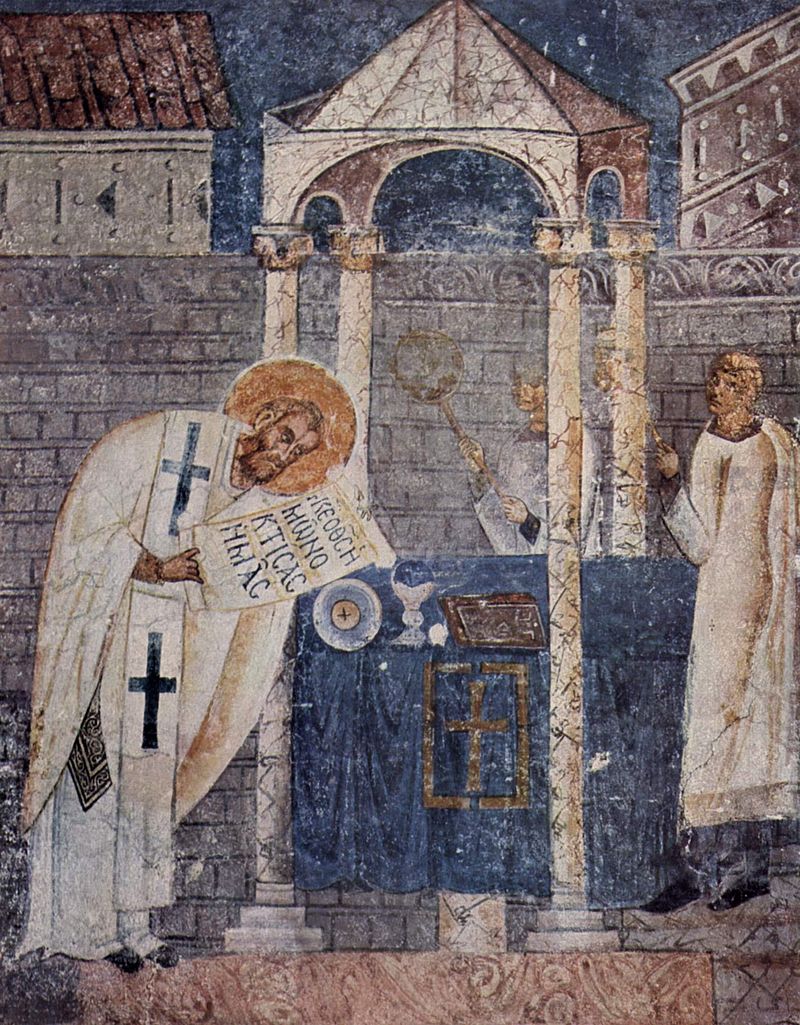
Basil of Caesarea
4th-century Christian bishop, theologian, and saint (329–379)

Gregory of Nazianzus
Christian saint and theologian (c. 329 – 390)
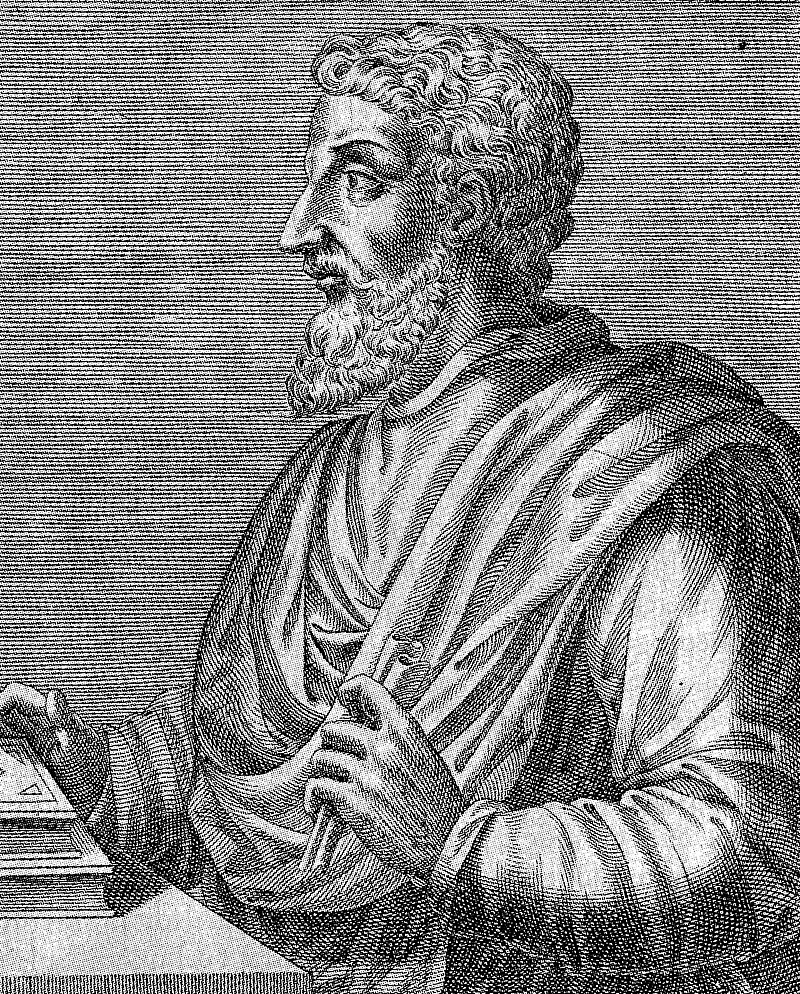
Marcus Terentius Varro
Roman scholar, polymath and author (116–27 BC)

Porphyry
3rd-century Greek Neoplatonist philosopher

Posidonius
Posidonius (; , "of Poseidon") "of Apameia" () or "of Rhodes" () (), was a Greek politician, astronomer, astrologer, geographer, historian, mathematician, and teacher native to Apamea, Syria. He was considered the most learned man of his time and, possibly, of the entire Stoic school. After a period learning Stoic philosophy from Panaetius in Athens, he spent many years in travel and scientific researches in Spain, Africa, Italy, Gaul, Liguria, Sicily and on the eastern shores of the Adriatic. He settled as a teacher at Rhodes where his fame attracted numerous scholars. Next to Panaetius he di

Aulus Gellius
2nd century Roman author and grammarian
Libanius
Libanius (; ) was a teacher of rhetoric of the Sophist school in the Eastern Roman Empire. His prolific writings make him one of the best documented teachers of higher education in the ancient world and a critical source of history of the Greek East during the 4th century AD. During the rise of Christian hegemony in the later Roman Empire, he remained unconverted and in religious matters was a pagan Hellene.

Alexandros of Aphrodisias
2nd-3rd century Greek peripatetic philosopher and commentator on Aristotle

Eunapius
thumb|Title page of the Vitae sophistarum of Eunapius, in Greek and Latin, 1596
Eunapius (; c. 347 – c. 420) was a Greek sophist, rhetorician, and historian from Sardis in the region of Lydia in Asia Minor. His principal surviving work is the Lives of Philosophers and Sophists (; ), a collection of the biographies of 24 philosophers and sophists.
Philodemus
Philodemus of Gadara (, Philodēmos, "love of the people"; – prob. or 35 BC) was an Epicurean philosopher and poet. He studied under Zeno of Sidon in Athens, before moving to Rome, and then to Herculaneum. He was once known chiefly for his poetry preserved in the Greek Anthology, but since the 18th century, many writings of his have been discovered among the charred papyrus rolls at the Villa of the Papyri at Herculaneum. The task of excavating and deciphering these rolls is difficult, and work continues to this day. The works of Philodemus so far discovered include writings on ethics, theology

Titus Pomponius Atticus
Roman banker, writer and philosopher (c.110 BC – 32 BC)

Aelius Aristides
2nd century Greek rhetorician and author

Quintus Tullius Cicero
brother of Marcus Tullius Cicero
Ammonius Hermiae
5th-century Greek philosopher
Quintus Caecilius Metellus Numidicus
Ancient Roman statesman and general
Aedesia
Aedesia () was a philosopher of the Neoplatonic school who lived in Alexandria in the fifth century AD. She was a relation of Syrianus and the wife of Hermias, and was equally celebrated for her beauty and her virtues. After the death of her husband, she devoted herself to relieving the wants of the distressed and the education of her children, Ammonius and Heliodorus. She accompanied the latter to Athens, where they went to study philosophy, and was received with great distinction by all the philosophers there, and especially by Proclus, to whom she had been betrothed by Syrianus, when she wa
Ariarathes V of Cappadocia
politician
Hierocles of Alexandria
5th-century Greek philosopher and writer
Olympiodorus of Thebes
late-antique Greek-language historian
Hermias
Greek philosopher
Cicero Minor
Roman consul in 30 B.C., son of the famous orator
Himerius
Himerius (; c. 315 – c. 386) was a Greek sophist and rhetorician. 24 of his orations have reached us complete, and fragments of 12 others survive.
Asclepiodotus of Alexandria
Roman philosopher

Heliodorus of Alexandria
ancient Greek philosopher and astronomer
Titus Albucius
politician and philosopher
Diophantus
ancient Greek rhetorician
Epiphanius of Petra
ancient Greek rhetorician