Category
page 1Scripts with ISO 15924 four-letter codes

Cyrillic script
writing system developed in Bulgaria and used for various oriental Eurasian languages

Greek alphabet
alphabet used to write the ancient or modern Greek language

Arabic alphabet
alphabet specifically codified for writing the Arabic language
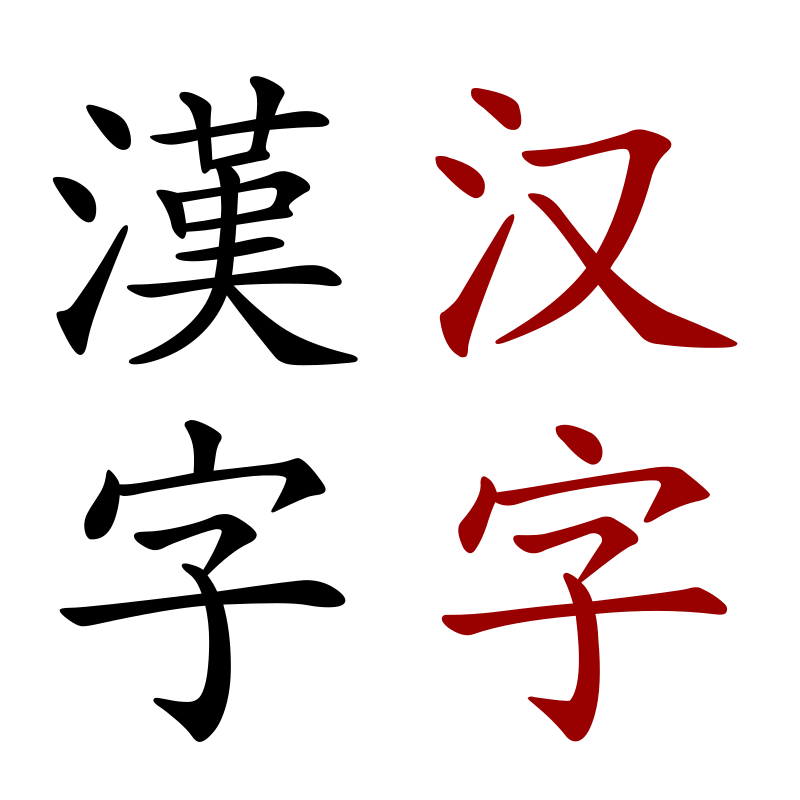
Chinese characters
logographic writing system with Han origin used in the Sinosphere for Chinese, Japanese, Korean and traditional Vietnamese languages

Latin script
writing system used to write most Western, Northern and Central European languages

Hangul
The Korean alphabet is the modern writing system for the Korean language. It has gone by a variety of names, such as ' in North Korea, Hangul internationally, and ' in South Korea. The script's original name was ''''''.

Devanagari
Devanagari ( ; in script: , , ) is an Indic script used in the Indian subcontinent. It is a left-to-right abugida (a type of segmental writing system), based on the ancient Brāhmī script. It is one of the official scripts of India and Nepal. It was developed in, and was in regular use by, the 8th century CE. It had achieved its modern form by 1000 CE. The Devanāgarī script, composed of 48 primary characters, including 14 vowels and 34 consonants, is the fourth most widely adopted writing system in the world, being used for over 120 languages, the most popular of which is Hindi ().

Braille script
thumb|Accessibility Braille [[dashboard in elevator]]

Hebrew alphabet
Semitic alphabet used for writing Hebrew, Samaritan, Yiddish, Judaeo-Spanish, and other Jewish languages

Sindhi
Indo-Aryan language spoken in Pakistan and India

hiragana
is a Japanese syllabary, part of the Japanese writing system, along with katakana as well as kanji (Chinese characters).

kanji
Kanji (; , hiragana: かんじ, Katakana: カンジ, , ) are logographic Chinese characters, historically adapted from Chinese writing scripts, used in the writing of Japanese. They comprised a major part of the Japanese writing system during the time of Old Japanese and are still used today, along with the subsequently derived syllabic (phonographic) scripts of and . Most Kanji characters have two pronunciations: ''kun'yomi, based on the sounds of vernacular Japanese, where the Kanji is often phonetically transcribed with furigana; and on'yomi, based on the imitation of the original Middle Chinese sound

cuneiform
Cuneiform is a logo-syllabic writing system that was used to write several languages of the ancient Near East. The script was in active use from the early Bronze Age until the 1st century BC. Cuneiform scripts are marked by and named for the characteristic wedge-shaped impressions () which form their signs. Cuneiform is the earliest known writing system and was originally developed to write the Sumerian language of southern Mesopotamia (modern Iraq).

katakana
is a Japanese syllabary, one component of the Japanese writing system along with hiragana, kanji and in some cases the Latin script (known as rōmaji).

Latin alphabet
alphabet used to write the Roman Latin language, then adapted and used in most languages of the world

Egyptian hieroglyphs
formal writing system used by the ancient Egyptians

Phoenician script
abjad found in Canaanite and Aramaic inscriptions across the Mediterranean from the 11th–2nd centuries BCE

Armenian alphabet
alphabet used to write the Armenian language

runic script

simplified Chinese characters
simplified Chinese character variants, namely used in People's Republic of China, Singapore, Malaysia

Fula
language of West Africa of the Senegambian branch of the Niger–Congo language family

Georgian scripts
alphabetic writing systems mostly used to transcribe the Georgian language and other languages of the Caucasus region

Brahmi
ancient script of Central and South Asia

Hanja
Hanja (; ), alternatively spelled Hancha, are Chinese characters used to write the Korean language. After characters were introduced to Korea to write Literary Chinese, they were adapted to write Korean as early as the Gojoseon period.

traditional Chinese characters
late imperial Chinese characters, namely used in Taiwan, Hong Kong, Macau

kana
are syllabaries used to write Japanese phonological units, morae. In current usage, kana most commonly refers to hiragana and katakana. It can also refer to their ancestor , which were Chinese characters used phonetically to transcribe Japanese (e.g. ''man'yōgana); and hentaigana'', which are historical variants of the now-standard hiragana.

Arabic script
writing system for Arabic and some Asian and African languages

Tibetan alphabet
abugida writing system used to write certain Tibetic languages
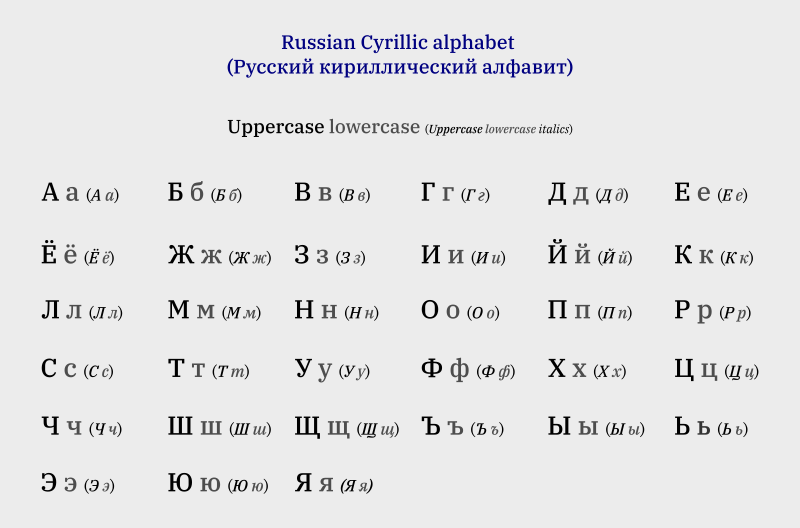
Russian alphabet
Modern writing system of 33 letters

Glagolitic
oldest known Slavic alphabet

Aramaic alphabet
semitic alphabet used to write Aramaic languages
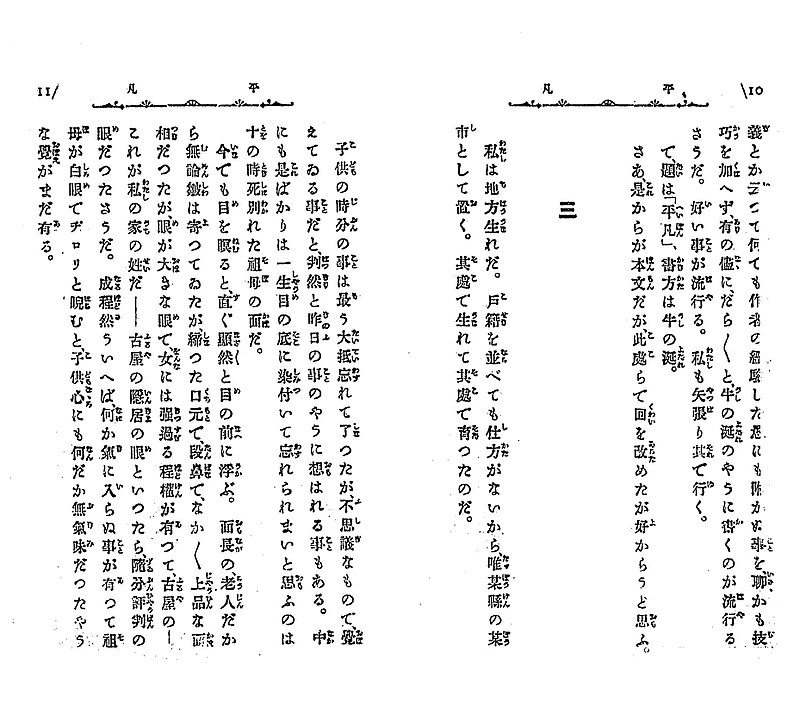
Japanese writing system
various writing systems used Japanese, using or mixing Hiragana, Katakana and Kanji characters, inherited or derived from Chinese ideographic characters
%20(14760479206).jpg)
Ogham
Ogham (also ogam and ogom, , Modern Irish: ; , later ) is an Early Medieval alphabet used primarily to write the early Irish language (in the "orthodox" inscriptions, 4th to 6th centuries AD), and later the Old Irish language (scholastic ogham, 6th to 9th centuries). There are roughly 400 surviving orthodox inscriptions on stone monuments throughout Ireland and western Britain, the bulk of which are in southern areas of the Irish province of Munster. The Munster counties of Cork and Kerry contain 60% of all Irish ogham stones. The largest number outside Ireland are in Pembrokeshire, Wales.

English alphabet
Latin-script alphabet consisting of 26 letters

Coptic script
script used for writing the Coptic language and Nubian languages

Mongolian
writing system used for the Mongolian language

Thai script
a type of abugida writing system used to write Thai, Southern Thai and many other languages spoken in Thailand

Tifinagh
Tifinagh (Tuareg Berber language: ; Neo-Tifinagh: ; Berber Latin alphabet: ; ) is a script used to write the Berber languages. Tifinagh is descended from the ancient Libyco-Berber alphabet. The traditional Tifinagh, sometimes called Tuareg Tifinagh, is still favored by the Tuareg people of the Sahara desert in southern Algeria, northeastern Mali, northern Niger, and northern Burkina Faso for writing the Tuareg languages. Neo-Tifinagh is an alphabet developed by the Berber Academy by adopting Tuareg Tifinagh for use for Kabyle; it has been since modified for use across North Africa.

Linear B
ancient syllabary for Mycenaean Greek used ca. 1400 BCE – 1200 BCE

Egyptian Demotic
ancient Egyptian script

Gurmukhi
Gurmukhī ( , Shahmukhi: ) is an abugida developed from the Laṇḍā scripts, standardized and used by the second Sikh guru, Guru Angad (1504–1552). Commonly regarded as a Sikh script, Gurmukhi is used in Punjab, India as the official script of the Punjabi language.

Tamil script
script that contains ancient tamil letters and use to write tamil letters/language

Linear A
undeciphered writing system from Crete

Geʽez script
script used for languages in Ethiopia and Eritrea

Egyptian hieratic
Hieratic (; ) is the name given to a cursive writing system used for Ancient Egyptian and the principal script used to write that language from its development in the third millennium BCE until the rise of Demotic in the mid-first millennium BCE. It was primarily written in ink with a reed brush on papyrus.

Syriac alphabet
writing system primarily used to write the Syriac language from the 1st century AD

Gothic script
unicameral alphabet created in the 4th century by Ulfilas for the purpose of translating the Bible to the Gothic language

Mayan hieroglyphs
writing system of the Maya civilization

Bangla alphabet
abugida used in writing Bangla

Old Turkic
writing system
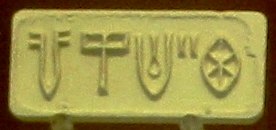
Indus script
script, short strings of symbols associated with the Indus Valley Civilization

Nastaʿlīq
thumb|right|
Example reading ("Nastaliq script") in Nastaliq.
The dotted form is used in place of .
Bopomofo
Bopomofo, also called Zhuyin Fuhao ( ; ), or simply Zhuyin, is a transliteration system for Standard Chinese and other Sinitic languages. It is the principal method of teaching Mandarin pronunciation in Taiwan. It consists of 37 characters and five tone marks, which together can transcribe all possible sounds in Mandarin Chinese.
.jpg)
Rongorongo
Rongorongo ( or ; Rapa Nui: ) is a system of glyphs discovered in the 19th century on Easter Island that has the appearance of writing or proto-writing. Numerous attempts at decipherment have been made, but none have been successful. Although some calendrical and what might prove to be genealogical information has been identified, none of the glyphs can actually be read. If rongorongo does prove to be writing and to be an independent invention, it would be one of very few inventions of writing in human history.

blackletter
Blackletter (also black letter or sometimes black-letter; sometimes popularly known as Gothic minuscule or Gothic type) was originally a medieval book hand (Textualis or Textura) of the Gothic family of scripts, later adapted into typefaces and still used in modern calligraphy and typesetting.

Serbian Cyrillic alphabet
official script of Serbian language

Kharoṣṭhī
Kharosthi script (), also known as the Gandhari script (), was an ancient Indic script originally developed in the Gandhara Region of the north-western Indian subcontinent, between the 5th and 3rd century BCE. Primarily used by the people of Gandhara in various parts of South Asia and Central Asia, Kharosthi remained in use until it died out in its homeland around the 5th century CE. It was also in use in Bactria, the Kushan Empire, Sogdia, and along the Silk Road. There is some evidence it may have survived until the 7th century in Khotan and Niya, both cities in Tarim Basin.

Ukrainian alphabet
33-letter Cyrillic alphabet used to write Ukrainian

Kannada script
abugida writing system of the Brahmic family, used in India to write the Kannada and Tulu languages

Khmer
abugida script for the Cambodian (Khmer) language