Category
page 1Simple living advocates
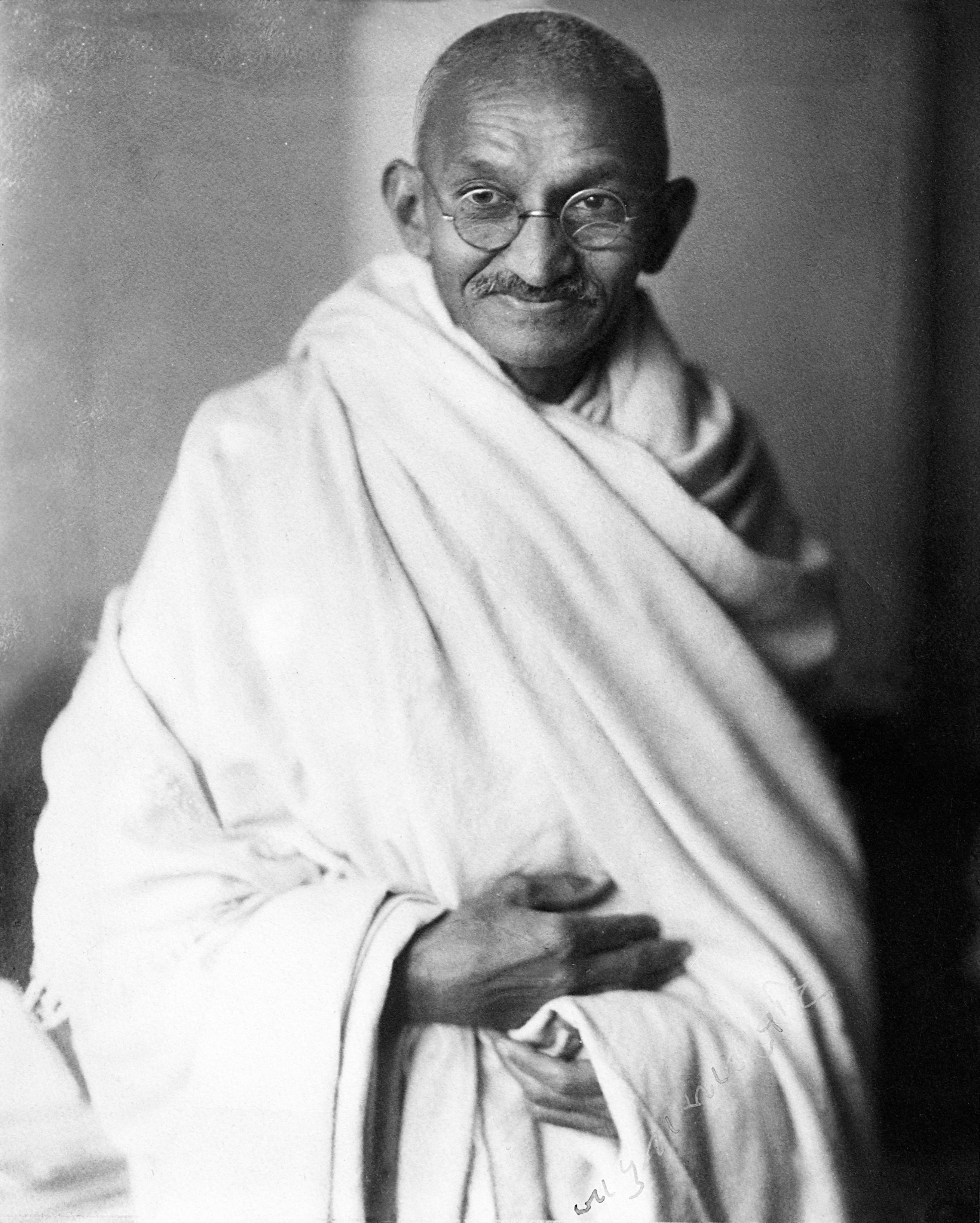
Mahatma Gandhi
Mohandas Karamchand Gandhi was an Indian lawyer, anti-colonial nationalist and political ethicist who employed nonviolent resistance to lead the successful campaign for India's independence from British rule, and to later inspire movements for civil rights and freedom across the world. The honorific Mahātmā, first applied to him in 1914 in South Africa, is now used throughout the world.

Leo Tolstoy
Russian author (1828–1910)
Jean-Jacques Rousseau
Genevan philosopher, writer, and composer (1712-1778)

Benjamin Franklin
American polymath and statesman (1706–1790)
Horace
Quintus Horatius Flaccus (; 8 December 65 BC – 27 November 8 BC), commonly known in the English-speaking world as Horace ( ), was the leading Roman lyric poet during the time of Augustus (also known as Octavian). The rhetorician Quintilian regarded his Odes as the only Latin lyrics worth reading: "He can be lofty sometimes, yet he is also full of charm and grace, versatile in his figures, and felicitously daring in his choice of words."

Rumi
Jalāl al-Dīn Muḥammad Rūmī, commonly known as Rumi (30 September 1207 – 17 December 1273), was a Sufi mystic, poet, and founder of the Islamic brotherhood known as the Mevlevi Order. His family hailed from Balkh. Rumi is an influential figure in Sufism, and his thought and works loom large both in Persian literature and mystic poetry in general. Today, his translated works are enjoyed all over the world.
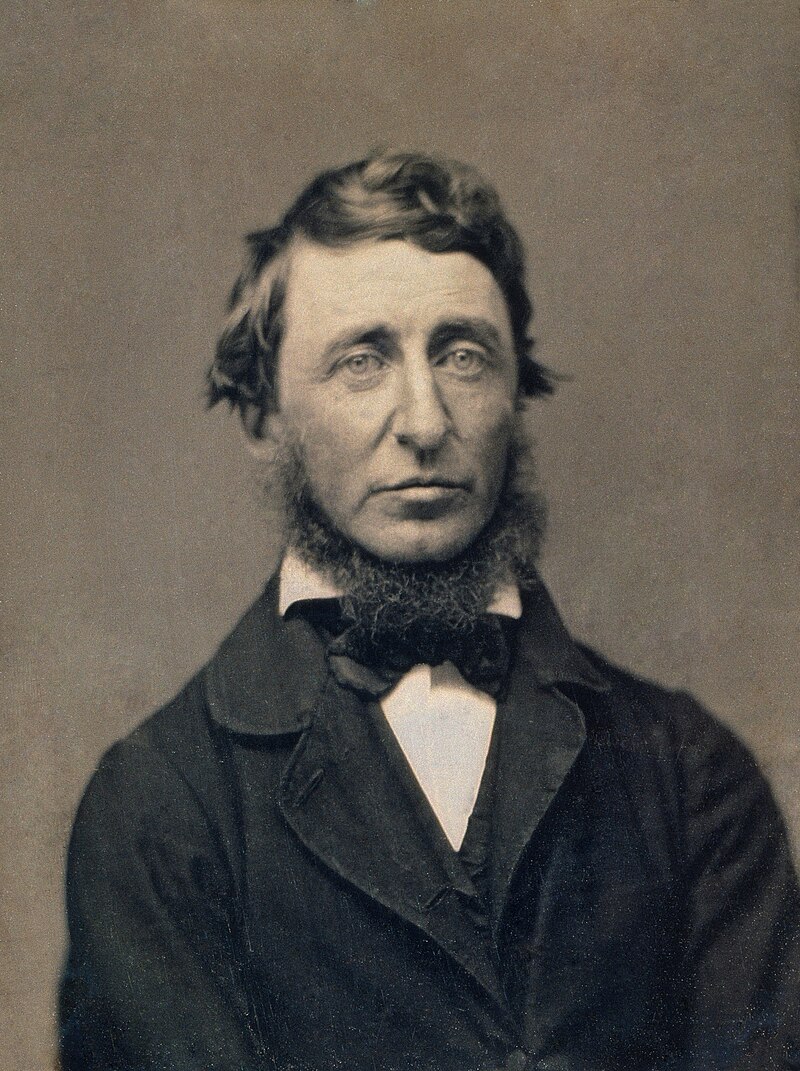
Henry David Thoreau
American essayist, poet, and philosopher (1817–1862)
_B.jpg)
Zoroaster
Zarathushtra Spitama, more commonly known as Zoroaster or Zarathustra, was an Iranian religious reformer who challenged the tenets of the contemporary Ancient Iranian religion, becoming the spiritual founder of Zoroastrianism. In the oldest Zoroastrian scriptures, the Gathas, which he is traditionally believed to have authored, he is described as a preacher and a poet-prophet. Some have claimed, with much scholarly controversy, to find his influence in Heraclitus, Plato, Pythagoras, and, perhaps less controversially, in the Abrahamic religions, including Judaism, Christianity, and Islam, parti

Francis of Assisi
Italian Catholic saint, friar, deacon and preacher and founder of the Franciscan Order (1181/2–1226)

Ruhollah Khomeini
Ruhollah Mostafavi Musavi Khomeini was an Iranian political revolutionary and Shia cleric who served as the first supreme leader of Iran from 1979 until his death in 1989. He was the leader of the Iranian Revolution, which overthrew Mohammad Reza Pahlavi, ended the Pahlavi era, and transformed the country into an Islamic republic. As supreme leader, he implemented policies that came to be known as Khomeinism.

G. K. Chesterton
English author and Christian apologist (1874–1936)

José Mujica
Uruguayan guerrilla fighter and politician
Ignatius of Loyola
Spanish Catholic priest and theologian (1491–1556)

John Chrysostom
Church Father, Archbishop of Constantinople and Christian saint (c. 347–407)

Ludovico Ariosto
Italian poet (1474–1533)

Emil Cioran
Romanian-French philosopher and essayist (1911–1995)
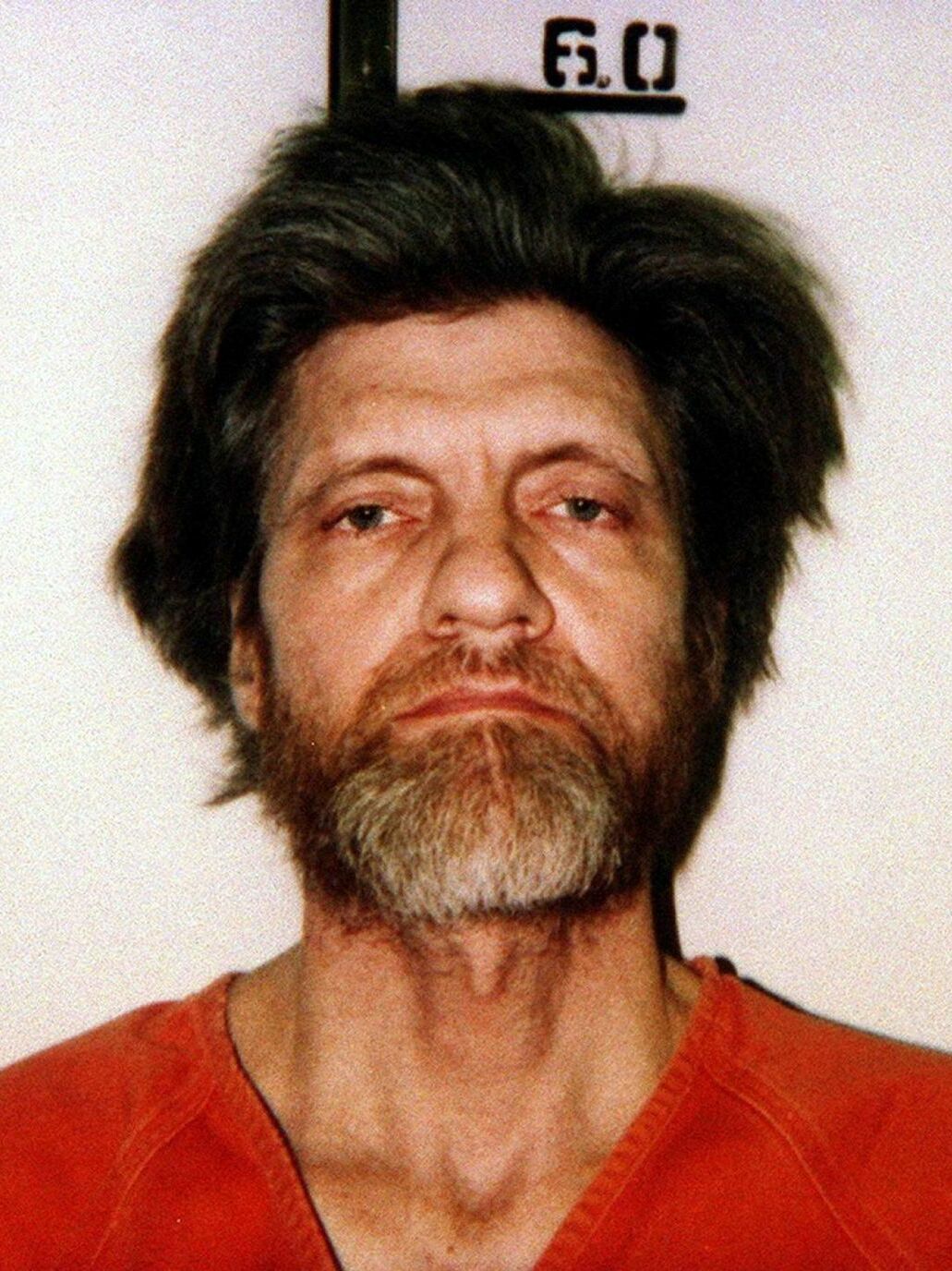
Ted Kaczynski
Theodore John Kaczynski, also known as the Unabomber, was an American mathematician and domestic terrorist. A mathematics prodigy, he abandoned his academic career in 1969 to pursue a reclusive primitive lifestyle and lone wolf terrorism campaign.

John Henry Newman
English cleric and cardinal (1801–1890)

Mozi
Mozi, personal name Mo Di,

Varg Vikernes
Norwegian black metal musician

Mohammad-Ali Rajai
Iranian Prime Minister and President of Iran (1933-1981)

Ellen G. White
American author, co-founder of the Seventh-day Adventist Church (1827–1915)

Lin Yutang
Chinese inventor, novelist and philosopher (1895–1976)
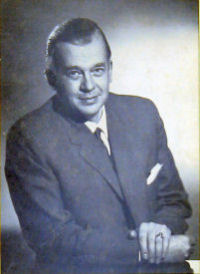
E. F. Schumacher
British economist (1911–1977)

Thiruvalluvar
Thiruvalluvar, commonly known as Valluvar, was an Indian poet and philosopher. He is best known as the author of the Tirukkuṟaḷ, a collection of couplets on ethics, political and economic matters, and love. The text is considered an exceptional and widely cherished work of Tamil literature.

Ted Nugent
American rock musician
Pentti Linkola
Finnish ecologist, polemicist, naturalist, writer, and fisherman (1932–2020)

Wendell Berry
American writer
Agus Salim
Indonesian politician (1884–1954)
W. H. Davies
Welsh poet and writer (1871–1940)
Peace Pilgrim
American non-denominational spiritual teacher (1908–1981)
Har Dayal
Indian revolutionary (1884–1939)
Satish Kumar
Indian activist and editor
Roscoe Bartlett
American politician (born 1926)

Edward Goldsmith
British environmentalist, writer and philosopher (1928–2009)
Shane Claiborne
American activist and author
Ammon Hennacy
American Christian pacifist, anarchist and social activist (1893-1970)
Bernard Charbonneau
French philosopher (1910–1996)

Scott Nearing
American activist (1883–1983)
Ernest Callenbach
American writer (1929-2012)
Manfred Gnadinger
German sculptor (1936-2002)
Tom Hodgkinson
British writer

Bea Johnson
Franco-American environmentalist

Richard Gregg
American philosopher (1885–1974)
Paul Carton
French physician (1875-1947)
Robin Greenfield
American activist and adventurer
Mark Boyle
Irish writer
Helen Nearing
American writer
Felix Ortt
Dutch writer and reformer (1866–1959)
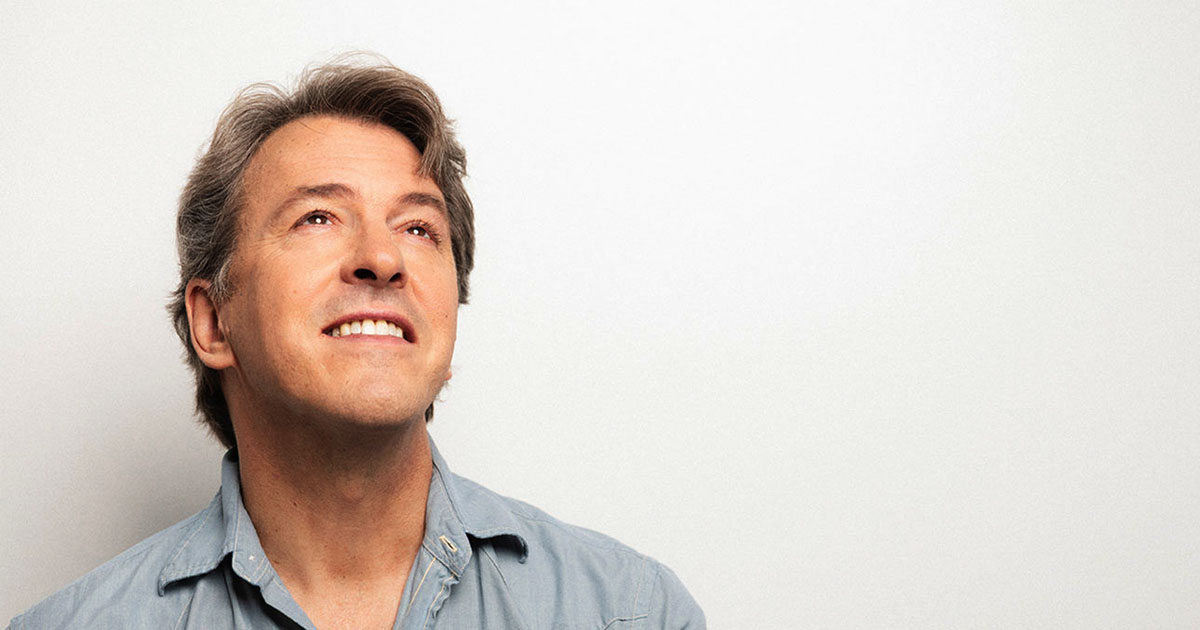
Colin Beavan
Environmentalist blogger

Vernard Eller
Church of the Brethren pastor and academic (1927–2007)
Serge Mongeau
Canadian writer
Suelo
Daniel James Shellabarger (known as Daniel Suelo, or simply Suelo, and The Man Who Quit Money, born 1961) is an American simple living adherent who stopped using money in the autumn of 2000. He was born in Arvada, Colorado, a suburb of Denver, and once lived for many years in a cave near Moab, Utah, when not wandering the country.
Harlan Hubbard
artist and author (1900-1988)

Jerome Segal
American philosopher and activist (born 1943)