Category
page 2Snake genera

Anomochilus
Anomochilidae is a family of snakes with one genus, Anomochilus, containing three species of snake. Members of the genus are known as anomochilids, or by the common names dwarf pipesnakes, lesser pipesnakes, and giant blind snakes. Initially created as Anomalochilus in 1890 for the species A. weberi, the genus was renamed in 1901 because the original name was already in use for a genus of beetles. Dwarf pipesnakes are small and cylindrical, with short, conical tails and small, rounded heads that are continuous with the neck. They have blackish to purplish-brown uppersides and dark brown or bla

Telescopus
Telescopus, the Old World catsnakes, is a genus of 12 species of mildly venomous opisthoglyphous snakes in the family Colubridae.

Leptotyphlops
Leptotyphlops is a genus of nonvenomous blind snakes, commonly known as slender blind snakes and threadsnakes, in the family Leptotyphlopidae. The genus is endemic to and found throughout Africa. Eleven species have been moved to the genus Trilepida, and other species have been moved to the genera Epacrophis, Epictia, Mitophis, Myriopholis, Namibiana, Rena, Siagonodon, Tetracheilostoma, and Tricheilostoma.

Atractaspis
Atractaspis is a genus of venomous snakes in the family Atractaspidae, also known as the stiletto snakes. The genus is endemic to Africa and the Middle East. The genus contains 15 species that are recognized by ITIS. Others recognize as many as 21 species. 23 are listed here.

Malpolon
Malpolon is a genus of snakes, containing the following species:
Malpolon insignitus (Geoffroy Saint-Hilaire, 1827) – eastern Montpellier snake
Malpolon moilensis (Reuss, 1834) – False cobra
Malpolon monspessulanus (Hermann, 1804) – Montpellier snake

Drymarchon
Drymarchon is a genus of large non-venomous colubrid snakes, commonly known as indigo snakes or cribos, found in the Southeastern United States, Mexico, Central America, and South America.

Charina
Charina is a genus of nonvenomous boas, commonly known as rubber boas, found in North America. Two species are currently recognized.

Typhlops
Typhlops is a genus of blind snakes in the family Typhlopidae. The genus is endemic to the West Indies. Some species which were formerly placed in the genus Typhlops have been moved to the genera Afrotyphlops, Amerotyphlops, Anilios, Antillotyphlops, Argyrophis, Cubatyphlops, Indotyphlops, Letheobia, Madatyphlops, Malayotyphlops, and Xerotyphlops.
.jpg)
Xenochrophis
Xenochrophis is a genus of snakes in the subfamily Natricinae of the family Colubridae. The genus is endemic to Asia. Some members have been moved to the genus Fowlea.

Aipysurus
Aipysurus is a genus of venomous snakes in the subfamily Hydrophiinae of the family Elapidae. Member species of the genus are found in warm seas from the Indian Ocean to the Pacific Ocean.

Oxybelis
Oxybelis is a genus of colubrid snakes, endemic to the Americas, which are commonly known as vine snakes. Though similar in appearance to the Asian species of vine snakes of the genus Ahaetulla, they are not closely related, and are an example of convergent evolution.
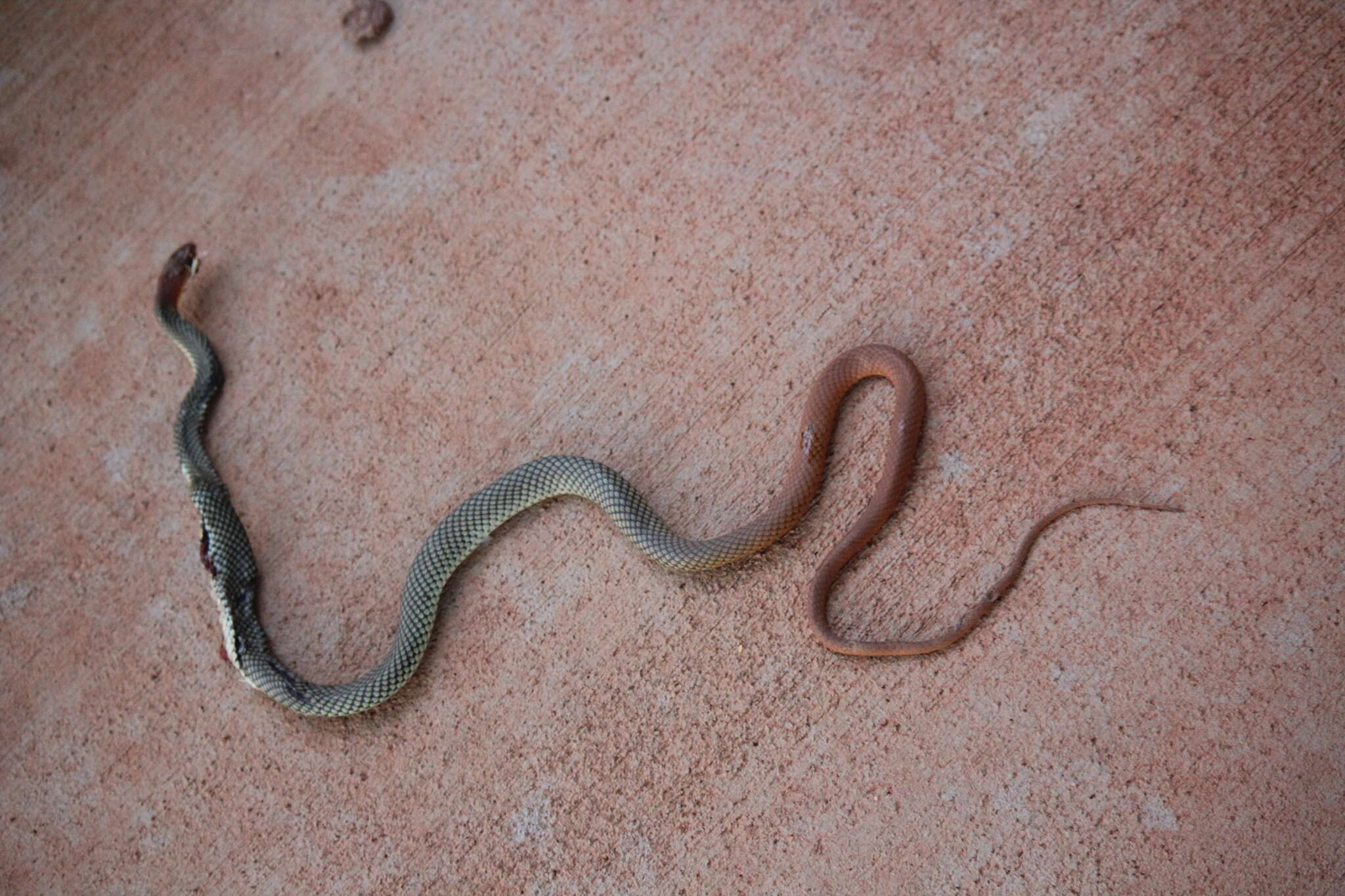
Demansia
Demansia is a genus of venomous snakes of the family Elapidae. Members of the genus are commonly known as whip snakes or whipsnakes, as are members of several other genera.
.jpg)
Protobothrops
Protobothrops is a genus of pit vipers found in Asia. It is also known as the lance headed pit vipers.

Tropidolaemus
Tropidolaemus, the temple pit vipers, is a genus of pit vipers in the subfamily Crotalinae of the family Viperidae. Member species are native to southern India and Southeast Asia. Five species are recognised as being valid, and none of these species has subspecies.
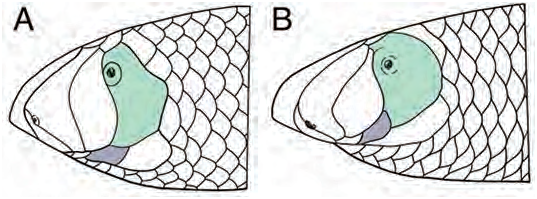
Ramphotyphlops
Common names: long-tailed blindsnakes, long-tailed blind snakes, worm snakes.
Ramphotyphlops is a genus of nonvenomous blind snakes of the family Typhlopidae. Member species of the genus are native to southern Asia and southeast Asia, as well as many islands in the southern Pacific Ocean. They occur in a wide variety of habitats. As of 2025, 23 species are recognized as being valid.
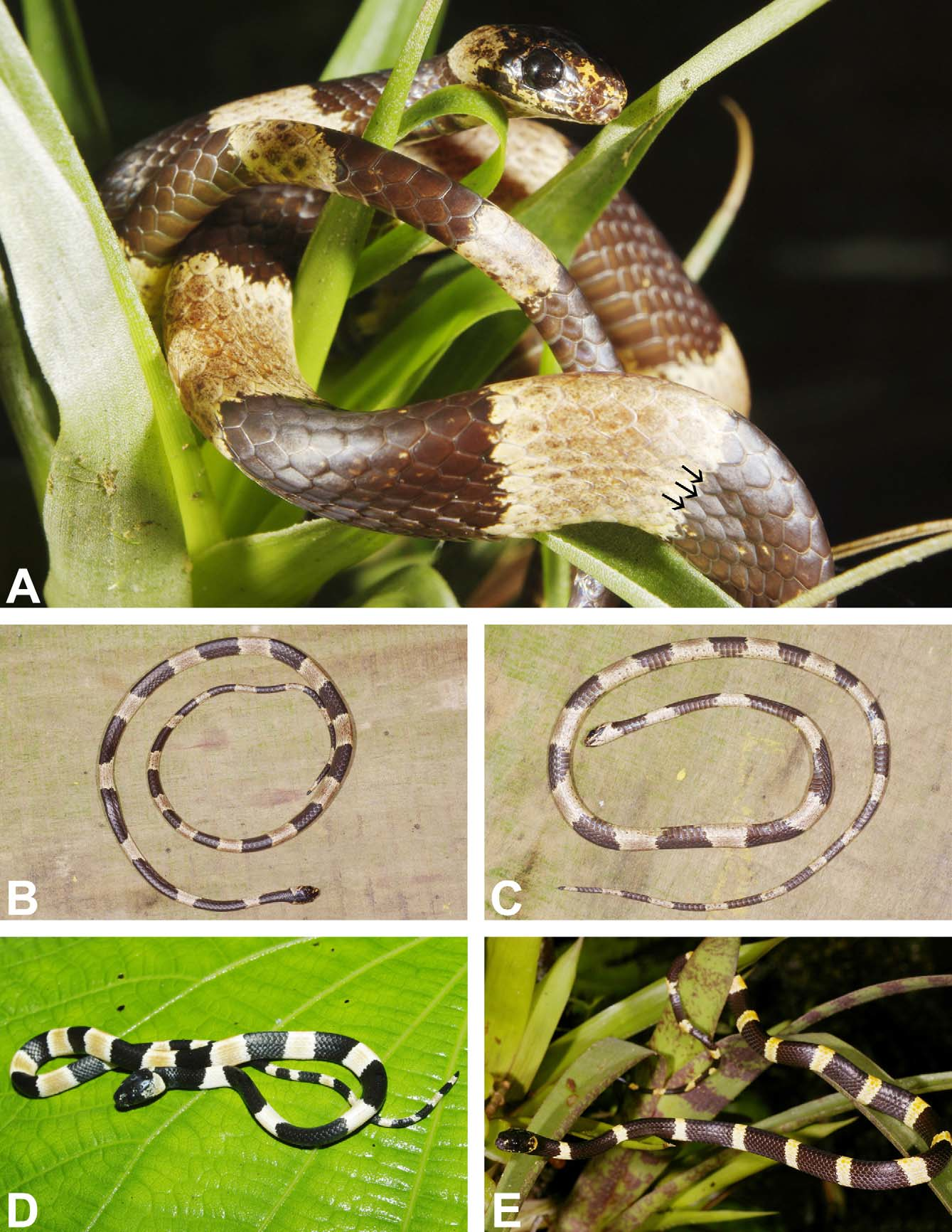
Sibon
genus of reptiles
.jpg)
Gonyosoma
Gonyosoma is a genus of snakes in the family Colubridae. The genus is endemic to South Asia.
Dipsas
Dipsas is a genus of nonvenomous New World snakes in the subfamily Dipsadinae of the family Colubridae. The genus Sibynomorphus has been moved here. Species of the genus Dipsas are known as snail-eaters.

Enhydris
thumb|The snake called "海豹蛇" ("sea-leopard snake", Enhydris bocourti, but now often moved to monotypic genus Subsessor), accompanied by a list of options for serving it, occupies a place of honor among the creatures displayed outside of a [[Guangzhou restaurant]]

Montivipera
Montivipera is a genus of vipers found in Armenia, Azerbaijan, Greece, Iran, Israel, Lebanon, Syria and Turkey. Like all other vipers, they are venomous. The genus Montivipera was previously described as a subgenus of the genus Vipera, but it was elevated to full genus status in 2001 by Lenk, Kalayabina, Wink & Joger.
Chironius
Chironius is a genus of New World colubrid snakes, commonly called sipos (from the Portuguese word cipó for liana), savanes, or sometimes vine snakes. There are 23 described species in this genus.

Leptophis
Leptophis is a genus of colubrid snakes, commonly known as parrot snakes. The species within this genus are widely distributed throughout Mexico, Central and South America.
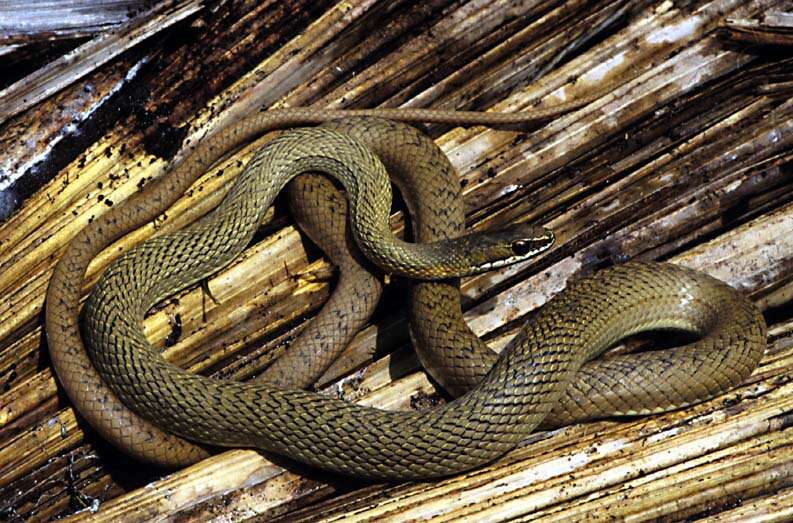
Philodryas
Philodryas is a genus of colubrid snakes endemic to South America, commonly called green snakes.
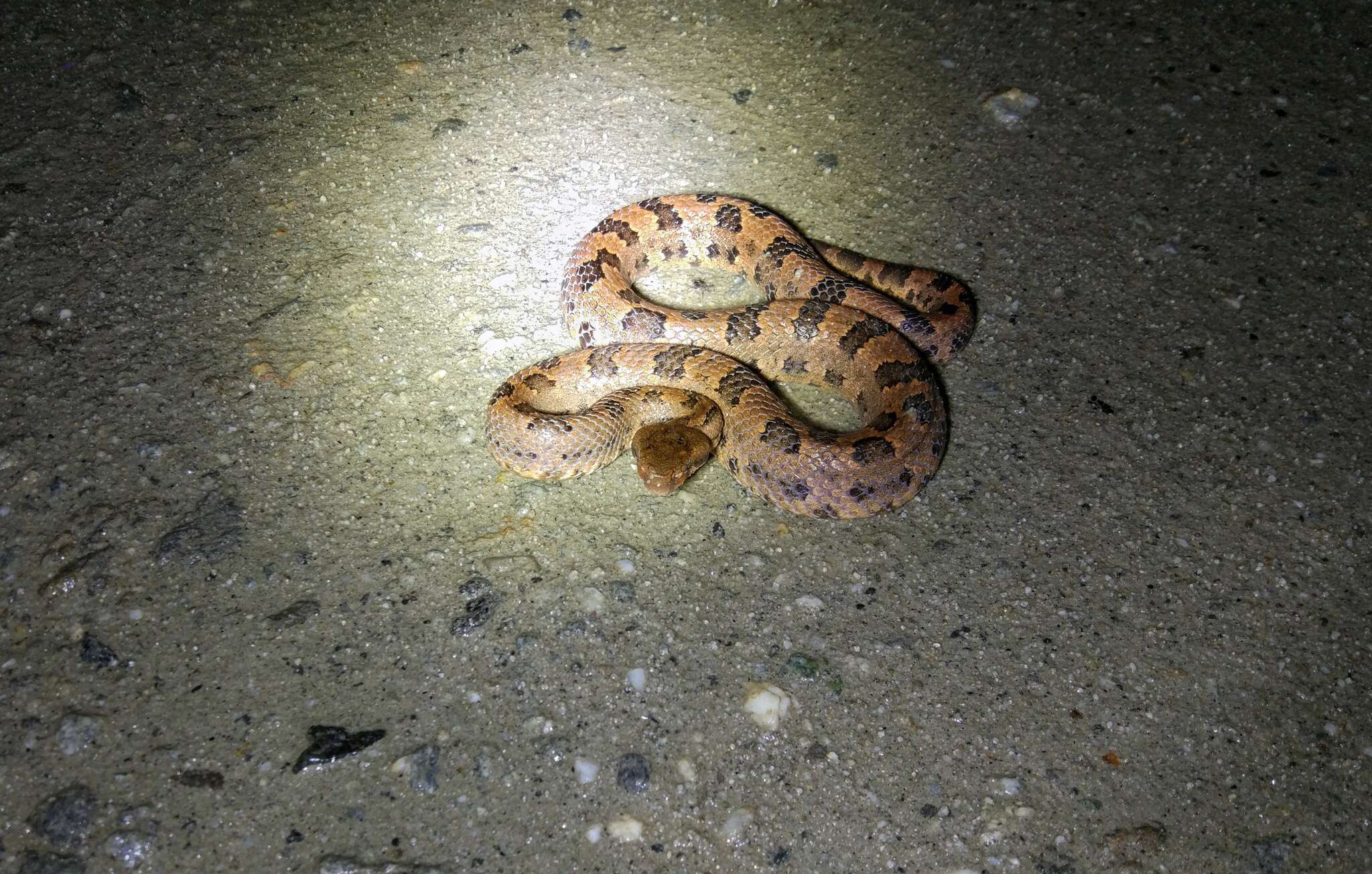
Ovophis
Common names: mountain pit vipers.
Ovophis is a genus of pit vipers found in Asia. Seven species are currently recognized.
.jpg)
Pituophis
Pituophis is a genus of nonvenomous colubrid snakes, commonly referred to as gopher snakes, pine snakes, and bullsnakes, which are endemic to North America. They are often yellow or cream in color with dark spots and a dark line across their face. Some species can exceed seven feet in length. Gopher snakes can live for 15 years. The gopher snake is commonly misidentified as a rattlesnake because of its similar coloration and its defensive behavior when feeling threatened. A scared gopher snake will flatten its head, hiss loudly, and shake its tail rapidly, doing a very convincing rattlesnake i

Hypnale
Common names: hump-nosed vipers, hump-nosed pit vipers.
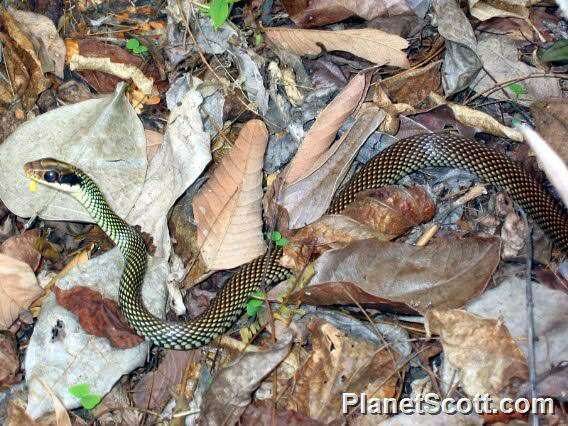
Drymobius
Drymobius is a genus of colubrid snakes commonly referred to as neotropical racers, which are endemic to the Americas. There are four species recognized in the genus.

Storeria
thumb|North American brown snake
thumbnail|A brown snake in Clarksville, Tennessee

Erythrolamprus
thumb|An adult Erythrolamprus typhlus
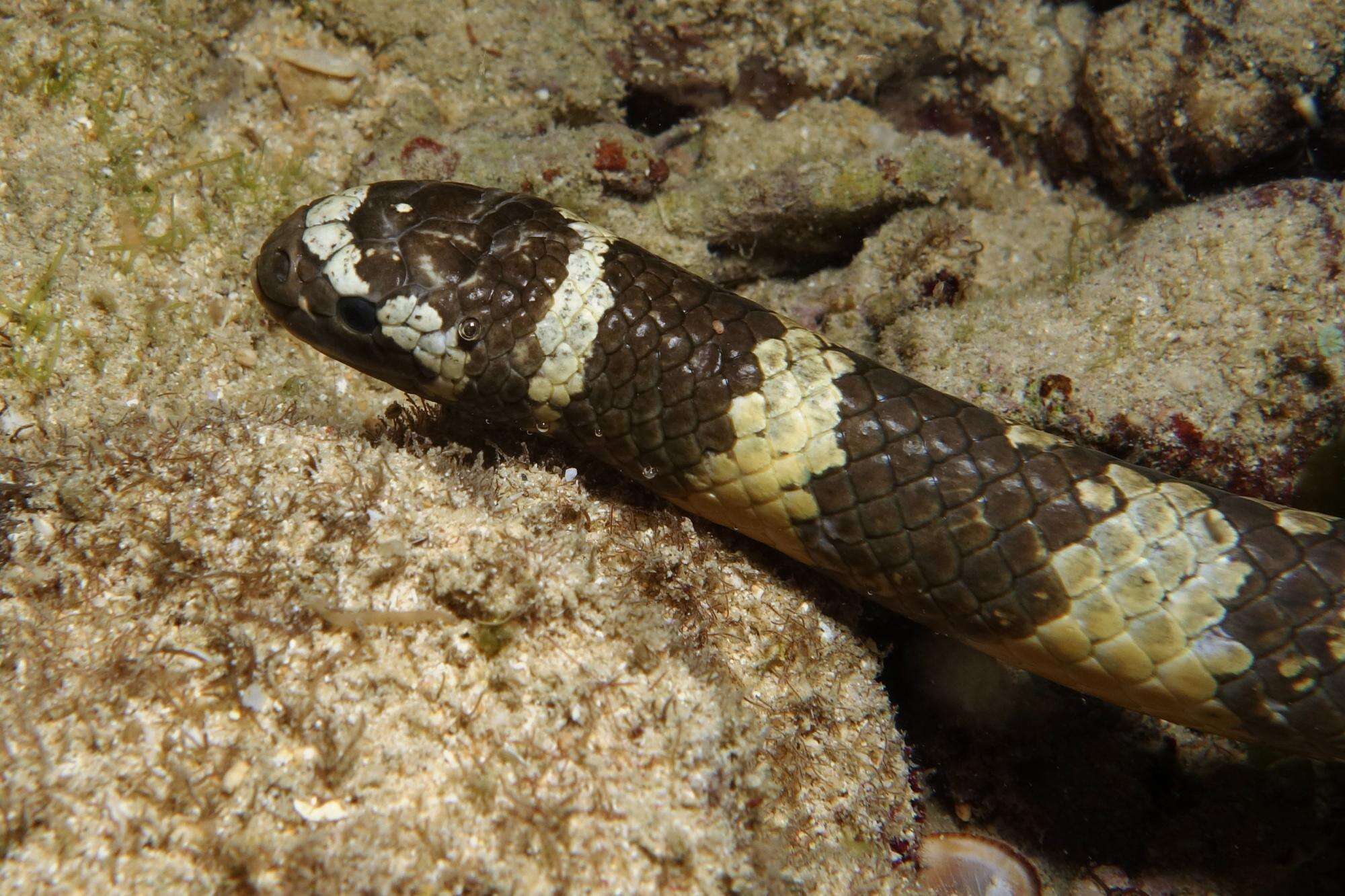
Emydocephalus
Emydocephalus is a genus of sea snakes, also known as turtle-headed sea snakes, in the family Elapidae. The genus is one of a small group of the viviparous sea snakes (Hydrophiinae: Hydrophiini) with Aipysurus. Unlike most sea snakes, the species that make up Emydocephalus lack teeth on their dentary and palatine bones. They also lack venom, making them the only non-venomous elapids. The dentary and palantine bones bear only a row of papillae. Emydocephalus does, however, bear fangs and many small pterygoid teeth. This reduced dentition is due to their diet consisting almost entirely of fish e

Platyceps
Platyceps is a genus of snakes of the family Colubridae endemic to Eurasia.

Cerberus
snake genus

Amphiesma
Amphiesma is a genus of snakes in the subfamily Natricinae of the family Colubridae. Species in the genus Amphiesma are found across Asia.

Coelognathus
thumb|Indonesian ratsnake (Coelognathus subradiatus) in [[Baucau District, East Timor.]]

Acrantophis
Acrantophis is a genus of terrestrial boid snakes endemic to the island of Madagascar.

Opheodrys

Hierophis
Hierophis is a genus of snake in the family Colubridae.
It contains the following species:
Balkan whip snake (Hierophis gemonensis)
Cyprus whip snake (Hierophis cypriensis)
Green whip snake (Hierophis viridiflavus)
Algerian whip snake (Hierophis algirus)
European black whip snake (Hierophis carbonarius)

Xenopeltis
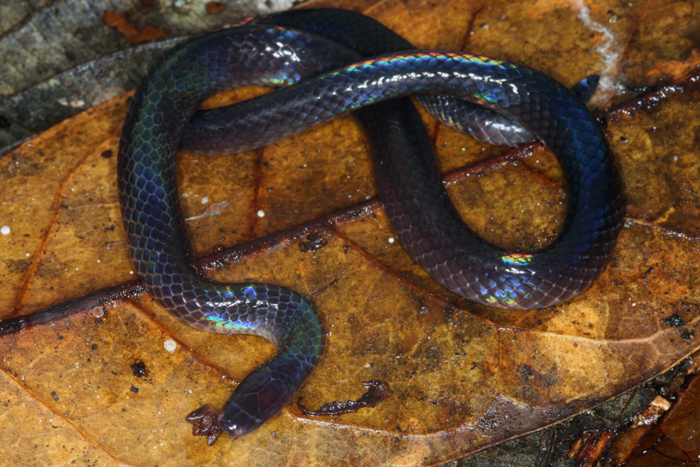
Xenopeltis, the sunbeam snakes, are the sole genus of the monotypic family Xenopeltidae, the species of which are found in Southeast Asia. Sunbeam snakes are known for their highly iridescent scales. Three species are recognized, each one with no subspecies. Studies of DNA suggest that the xenopeltids are most closely related to the Mexican burrowing python (Loxocemus bicolor) and to the true pythons (Pythonidae).
Calamaria
Calamaria is a large genus of dwarf burrowing snakes of the family Colubridae. The genus contains 66 recognized species. The genus is endemic to Asia.

Tropidophis
Tropidophis, common name Caribbean dwarf boas, wood snakes or West Indian wood snakes, is a genus of dwarf boas endemic to the West Indies and South America. Currently, either 17 or 33 species are recognized, depending on the authority.
Denisonia
Denisonia is a genus of venomous snakes in the family Elapidae. The genus is endemic to Australia, and contains two recognized species.
Philothamnus
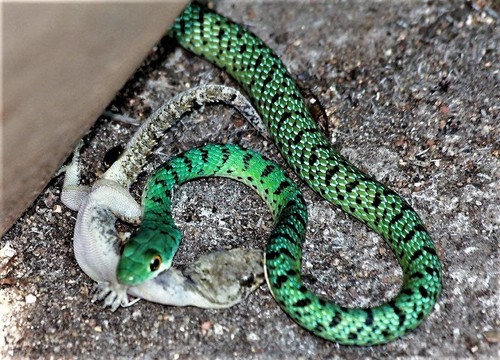
Philothamnus is a genus of snakes in the subfamily Colubrinae of the family Colubridae. The genus is endemic to Sub-Saharan Africa.

Elapsoidea
Elapsoidea is a genus of venomous snakes, commonly known as African garter snakes, in the family Elapidae. Despite their common names, they are unrelated to the harmless North American garter snakes of the genus Thamnophis.

Regina
genus of colubrid snakes
.jpg)
Leioheterodon
Leioheterodon is a genus of harmless pseudoxyrhophiid snakes found only on the island of Madagascar. Three species are currently recognized. Common names include Malagasy hognose snakes, Malagasy brown snakes and Malagasy menarana snakes.

Trimorphodon
Trimorphodon is a genus of mildly venomous, rear-fanged, colubrid snakes. They are commonly known as lyre snakes, named after the distinctive V-shaped pattern on their head that is said to resemble the shape of a lyre. In Mexico, they are commonly called "víbora de uña," or "nail viper." The word Trimorphodon is a combination of three Greek words, 'tri' - three, 'morph' - shape, and 'odon' - teeth, which refers to the three distinct kinds of teeth that lyre snakes have: recurved anterior teeth; shorter middle teeth, and large grooved fangs at the rear of the jaw. There are seven distinct speci
Xenodon
Xenodon is a genus of New World snakes in the subfamily Dipsadinae of the family Colubridae.
Polemon
genus of reptiles
Walterinnesia
Walterinnesia is a genus of venomous snakes in the family Elapidae. The genus contains two species, known commonly as desert black snakes or black desert cobras, which are endemic to the Middle East. The generic name Walterinnesia honours Walter Francis Innes Bey (1858–1937), who was a physician and zoologist in Egypt.
Leptodeira
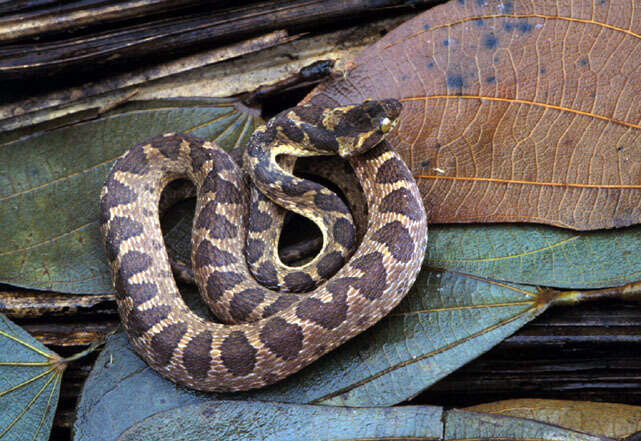
Leptodeira is a genus of colubrid snakes commonly referred to as cat-eyed snakes. The genus consists of 18 species that are native to primarily Mexico and Central America, but range as far north as the Rio Grande Valley region of Texas in United States and as far south as Argentina in South America.

Madagascarophis
Madagascarophis is a genus of small, mildly venomous snakes native to the island of Madagascar. They are commonly referred to as Malagasy cat-eyed snakes. Five species are in the genus.
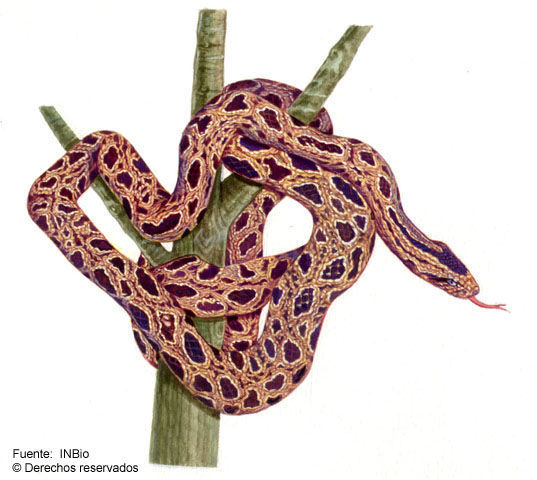
Ungaliophis
Common names: neotropical dwarf boas, bromeliad boas, banana boas.
Ungaliophis is a genus of dwarf boas found from southern Mexico to Colombia. Currently, two species are recognized.
Atractus
Atractus is a genus of snakes, commonly called ground snakes, in the subfamily Dipsadinae of the family Colubridae. The genus includes more than 150 distinct species.
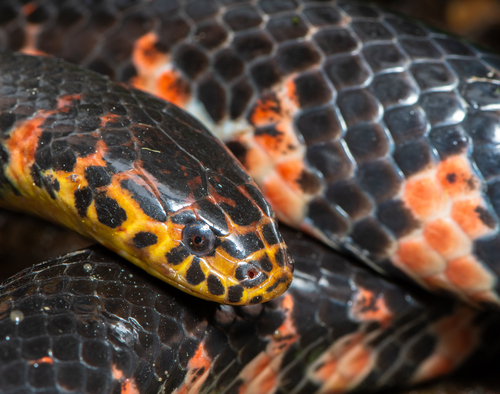
Helicops
genus of snakes
Opisthotropis
Opisthotropis is a genus of snakes in the subfamily Natricinae of the family Colubridae. The genus is native to Southeast Asia and South China.
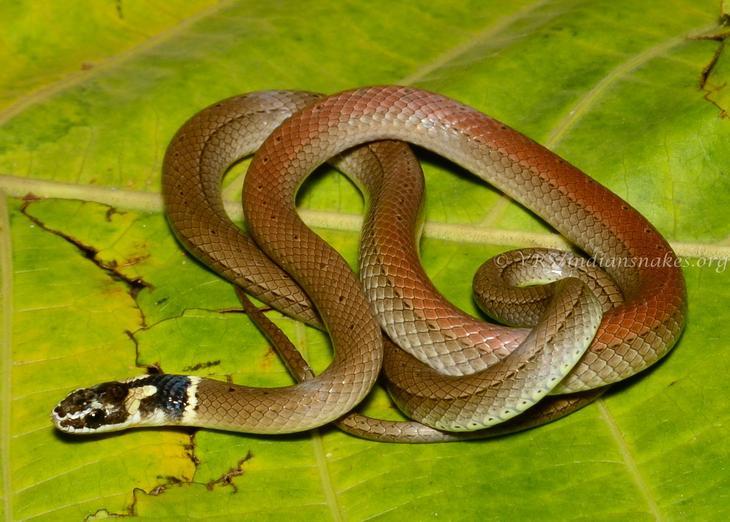
Sibynophis
Sibynophis is a genus of nonvenomous colubrid snakes, commonly called many-toothed snakes, which together with Scaphiodontophis make up the subfamily Sibynophiinae.
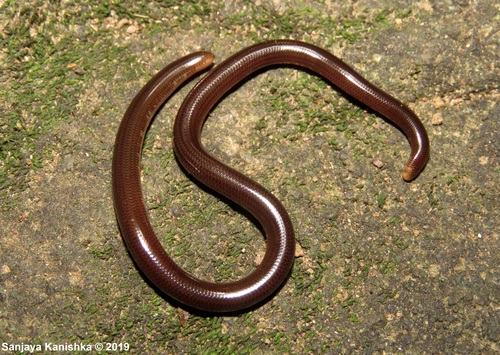
Gerrhopilus
Gerrhopilus is a genus of snakes in the family Gerrhopilidae.

Pareas
Pareas is a genus of Asian snakes in the family Pareidae. Members of the genus are dietary specialists mainly or exclusively feeding on snails (limaxivory), hence their common name, slug snakes. All species in the genus Pareas are harmless to humans.
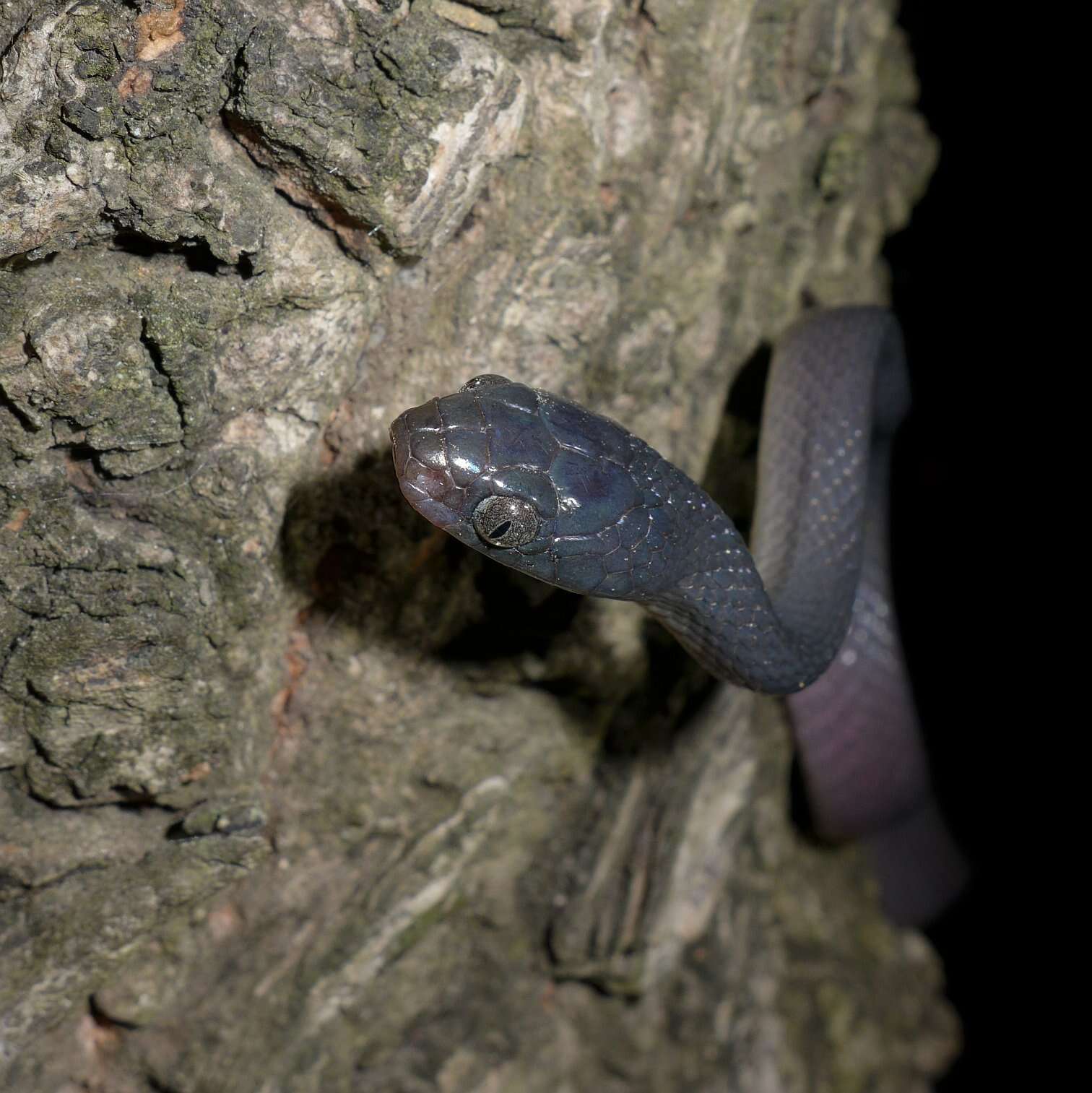
Dipsadoboa
Dipsadoboa is a genus of snakes in the family Colubridae.
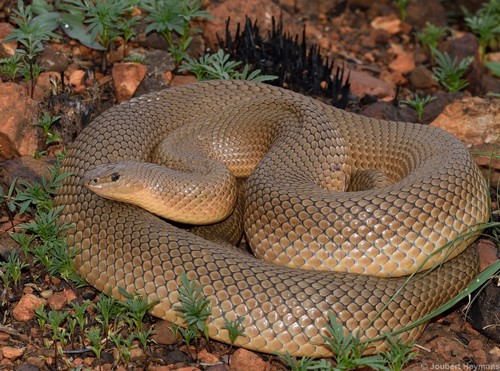
Duberria
Duberria is a genus of snakes of the family Pseudoxyrhophiidae.