Category
page 1Staphylococcus

Staphylococcus
Staphylococcus, from Ancient Greek σταφυλή (staphulḗ), meaning "bunch of grapes", and (kókkos), meaning "kernel" or "Kermes", is a genus of Gram-positive bacteria in the family Staphylococcaceae from the order Bacillales. Under the microscope, they appear spherical (cocci), and form in grape-like clusters. Staphylococcus species are facultative anaerobic organisms (capable of growth both aerobically and anaerobically).

Staphylococcus aureus
species of bacterium
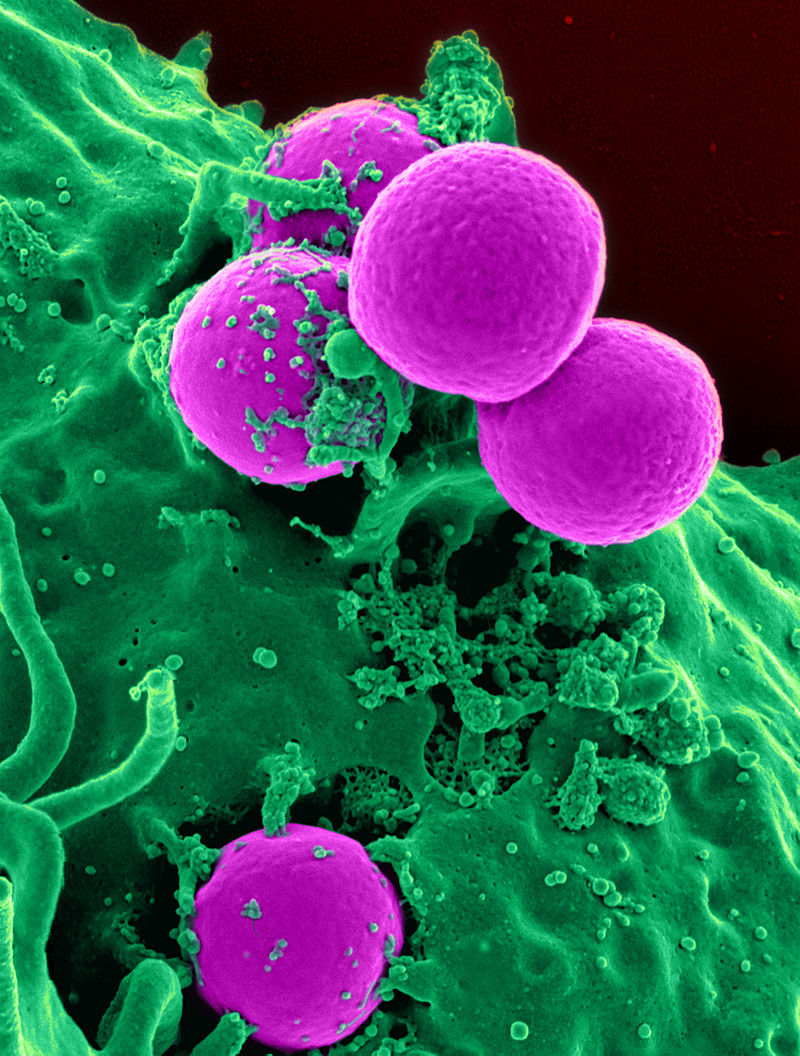
methicillin-resistant Staphylococcus aureus
bacterium responsible for difficult-to-treat infections in humans

Staphylococcus epidermidis
species of bacterium

Staphylococcus saprophyticus
species of bacterium
vancomycin-resistant Staphylococcus aureus
antibiotic-resistant bacterial strain
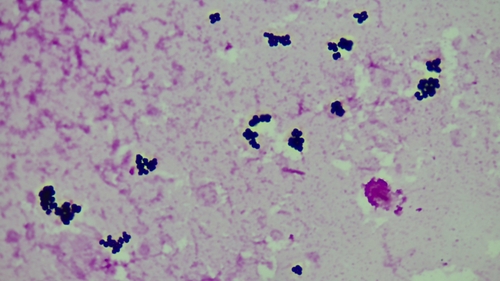
Staphylococcus haemolyticus
species of bacterium
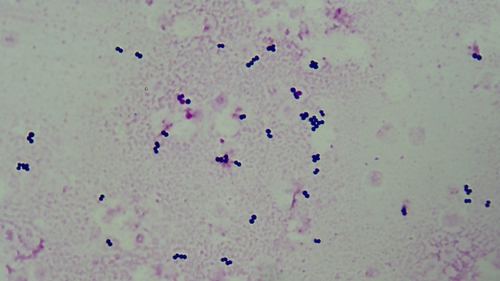
Staphylococcus xylosus
species of bacterium
Staphyloxanthin
Staphyloxanthin is a carotenoid pigment that is produced by some strains of Staphylococcus aureus, and is responsible for the characteristic golden color that gives S. aureus its species name. Staphyloxanthin also acts as a virulence factor. It has an antioxidant action that helps the microbe evade death by reactive oxygen species produced by the host immune system.
left|thumb|250x250px|The pigment staphyloxanthin gave the bacteria [[Staphylococcus aureus a yellow color.]]
When comparing a normal strain of S. aureus with a strain modified to lack staphyloxanthin, the wildtype pigmented strain
Staphylococcus lugdunensis
species of bacterium
Staphylococcus capitis
species of bacterium
Japan Airlines food poisoning incident
Food poisoning incident
Staphylococcus caprae
species of bacterium

Staphylococcus hyicus
species of bacterium
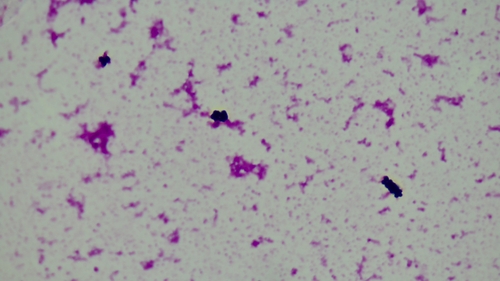
Staphylococcus hominis
species of bacterium
Staphylococcus arlettae
species of bacterium