Category
page 1States and territories established in the 3rd millennium BC

Sumer
Sumer ( ) is the earliest known civilization, located in the historical region of southern Mesopotamia (now south-central Iraq), emerging during the Chalcolithic and early Bronze Ages between the 5th and 4th millennium BC. Like nearby Elam, it is one of the cradles of civilization, along with Egypt, the Indus Valley, the Erligang culture of the Yellow River valley, Caral-Supe, and Mesoamerica. Living along the valleys of the Tigris and Euphrates rivers, Sumerian farmers grew an abundance of grain and other crops, a surplus of which enabled them to form urban settlements. The world's earliest k

Assyrian Empire
Assyria was a major ancient Mesopotamian civilization that existed as a city-state from the 21st century BC to the 14th century BC and eventually expanded into an empire from the 14th century BC to the 7th century BC.

Phoenicia
Phoenicians were an ancient Semitic people who inhabited city-states in Canaan along the Levantine coast of the eastern Mediterranean, primarily in present-day Lebanon and parts of coastal Syria. Their maritime civilization expanded and contracted over time, with its cultural core stretching from Arwad to Mount Carmel. Through trade and colonization, the Phoenicians extended their influence across the Mediterranean, from Cyprus to the Iberian Peninsula, leaving behind thousands of inscriptions.

Akkadian Empire
ancient empire in the Mesopotamia (2334–2154 BC)

Xia dynasty
the first hereditary dynasty recorded in the Chinese dynasties (ca. 2100 BCE--1916 BCE), house of Xiahou

Bactria
Bactria (; Bactrian: , ), or Bactriana, was an ancient Iranian civilization in Central Asia, located in the area south of the Oxus River (modern Amu Darya) and north of the Hindu Kush mountains, within modern-day Afghanistan, Tajikistan and Uzbekistan. Bactria was strategically located south of Sogdia and west of the Pamir Mountains. These mountain ranges acted as "walls" protecting Bactria from three sides, with the Pamir mountains to the north and the Hindu Kush to the south forming a junction, and the Karakoram range towards the east.

Elam
Elam () was an ancient civilization centered in the far west and southwest of what is today Iran, stretching from the lowlands of Ilam and Khuzestan as well as a small part of modern-day southern Iraq. The modern name Elam stems from the Sumerian transliteration elam(a), along with the later Akkadian elamtu, and the Elamite haltamti. Elamite states were among the leading political forces of the Ancient Near East. In classical literature, Elam was also known as Susiana ( ; Sousiānḗ), a name derived from its capital Susa.

Minoan civilization
Bronze Age civilization flourishing on Crete and other Aegean islands from c. 2600 to 1100 BC

Amorites
thumb|upright=1.5|Cuneiform clay tablets from the Amorite Kingdom of Mari, 1st half of the 2nd millennium BC
The Amorites () were an ancient Northwest Semitic-speaking Bronze Age people who emerged from western Mesopotamia. Initially appearing in Sumerian records , they expanded and ruled most of the Levant and Mesopotamia, and parts of Egypt, from the 21st century BC to the start of the 16th century BC.

Hurrians
The Hurrians (; ; also called Hari, Khurrites, Hourri, Churri, Hurri) were a people who inhabited the Ancient Near East during the Bronze Age. They spoke the Hurrian language, and lived throughout northern Syria, upper Mesopotamia and southeastern Anatolia.

Mari
ancient Sumerian and Amorite city

Second Dynasty of Egypt
dynasty of ancient Egypt

Third Dynasty of Egypt
dynasty of ancient Egypt

Fifth Dynasty of Egypt
dynasty of ancient Egypt
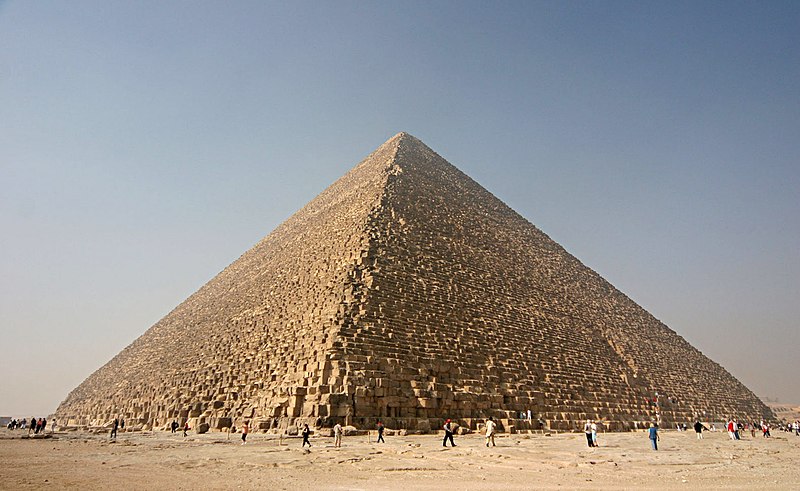
Fourth Dynasty of Egypt
dynasty of ancient Egypt
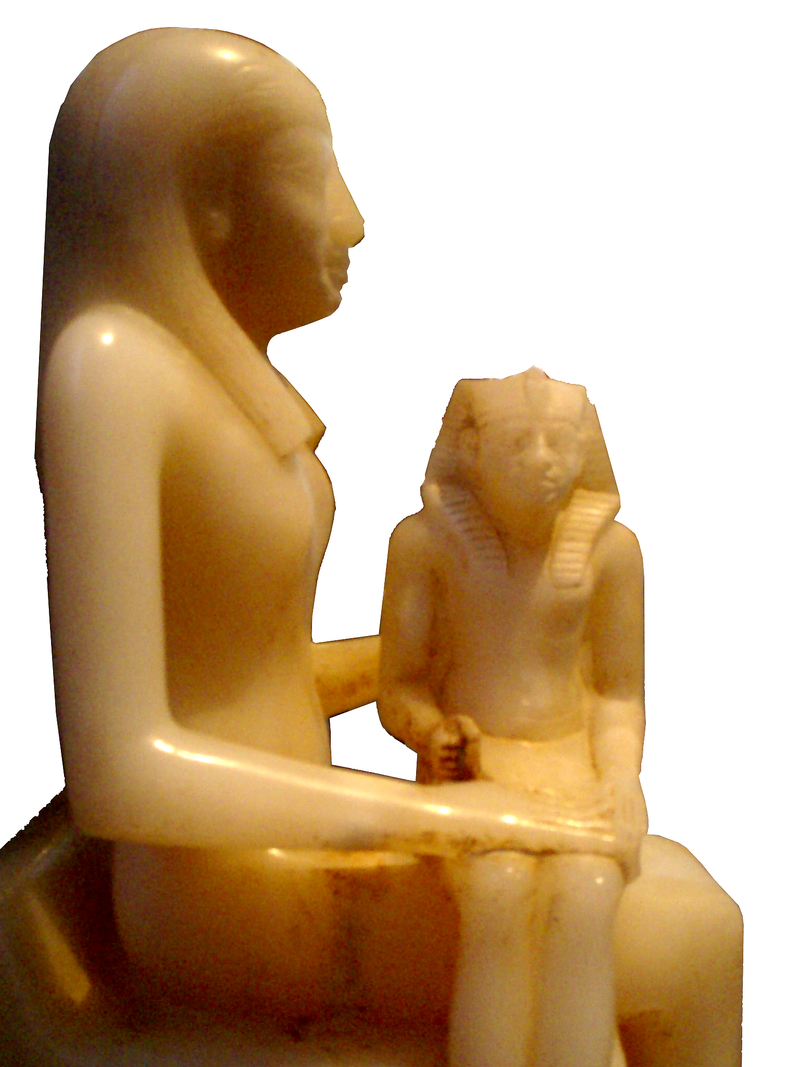
Sixth Dynasty of Egypt
dynasty of ancient Egypt

Third Dynasty of Ur
royal dynasty in Mesopotamia

Gutian people
The Guti (), also known by the derived exonyms Gutians or Guteans, were a people of the ancient Near East who both appeared and disappeared during the Bronze Age. Their homeland was known as Gutium (Sumerian: , GutūmKI or , GutiumKI).
Conflict between people from Gutium and the Akkadian Empire has been linked to the collapse of the empire, towards the end of the although economic factors, climate change and internal strife also played a part. The Guti subsequently overran southern Mesopotamia and formed the short-lived Gutian dynasty of Sumer, overseeing a period of economic and cultural decli
Eleventh Dynasty of Egypt
group of rulers and the time of their ruling in ancient Egypt
Seventh Dynasty of Egypt
proposed ancient Egyptian dynasty
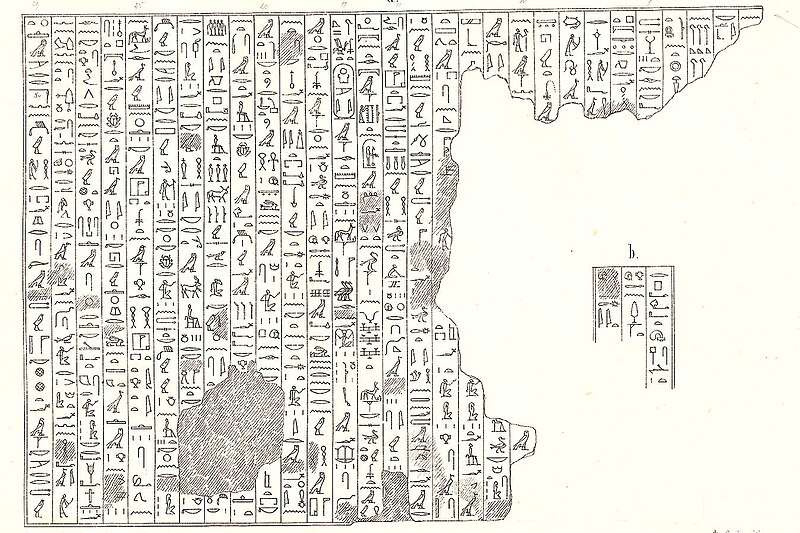
Tenth Dynasty of Egypt
dynasty of ancient Egypt

Eshnunna
Eshnunna (Ešnunna, also Ašnunna, Išnun, Ašnun, Ašnunnak, and Ešnunak.) (modern Tell Asmar in Diyala Governorate, Iraq) was an ancient Sumerian (and later Akkadian) city and city-state in central Mesopotamia 12.6 miles northwest of Tell Agrab and 15 miles northwest of Tell Ishchali. Although situated in the Diyala Valley northwest of Sumer proper, the city nonetheless belonged securely within the Sumerian cultural milieu. It is sometimes, in very early archaeological papers, called Ashnunnak or Tupliaš.

Ninth Dynasty of Egypt
ancient Egyptian dynasty
Eighth Dynasty of Egypt
ancient Egyptian dynasty

Subartu
thumb|The Akkadian Empire under Naram-Sin, Subartu is shown north.
Hong Bang dynasty
legendary, semi-mythical period in Vietnamese historiography
Kerma kingdom
Ancient Sudanese kingdom
Gutian dynasty of Sumer
Gutian Dynasty of Sumer
Isin-Larsa period
historical epoch 2000–1800 BC
Old-Assyrian period
period of the Assyrian civilization in Mesopotamia and Anatolia (ca 1950–1750 BCE)
Rapiqum
Rapiqum (also Rapiku and Rapiqu), ra-bi-qa-wiKI, was a city of the ancient Near East. The city was located in the north of Mesopotamia, probably on the eastern bank of the Euphrates River, in modern Iraq. It is firmly attested from early in the 2nd Millennium BC until early in the 1st Millennium BC.