Category
page 1Stem cells

bone marrow
cells and soft materials in the hollow space of long bones
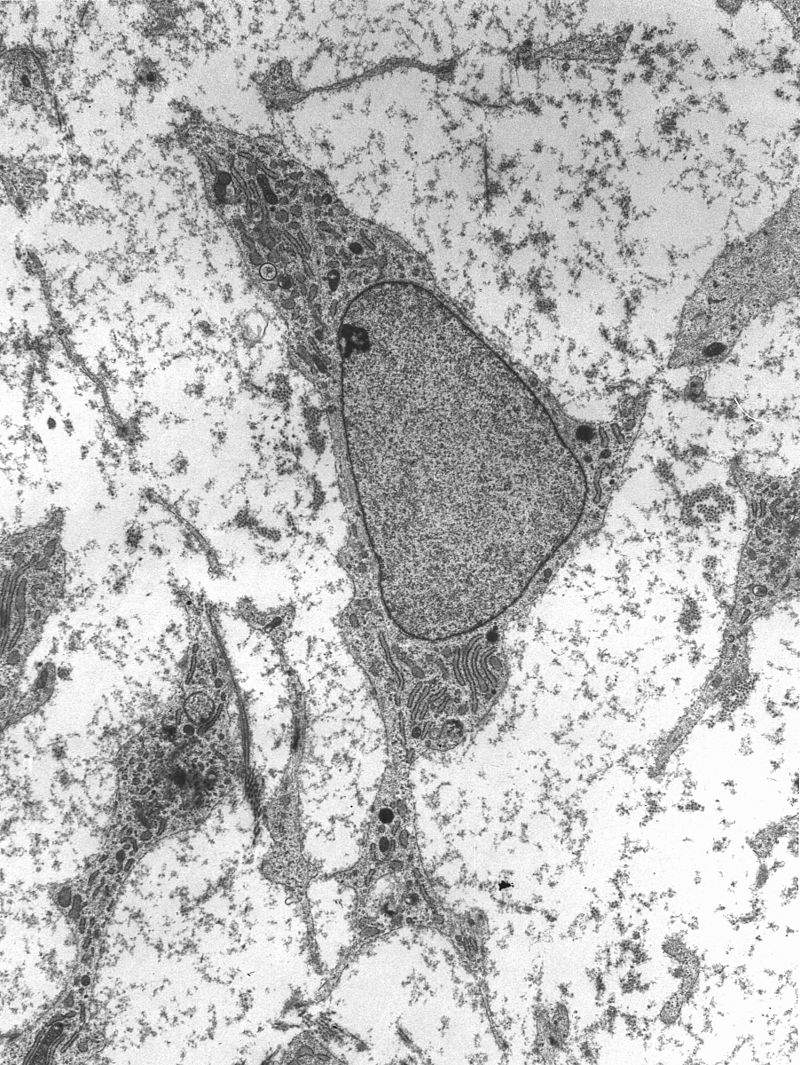
stem cell
undifferentiated biological cells that can differentiate into specialized cells

umbilical cord
conduit between embryo/fetus and the placenta
hematopoietic stem cell
stem cell type that gives rise to other blood cells
embryonic stem cell
pluripotent stem cells derived from the inner cell mass of blastocysts
hematopoietic stem cell transplantation
medical procedure to replace bone marrow stem cells

neurogenesis
Neurogenesis is the process by which nervous system cells, the neurons, are produced by neural stem cells (NSCs). This occurs in all species of animals except the porifera (sponges) and placozoans. Types of NSCs include neuroepithelial cells (NECs), radial glial cells (RGCs), basal progenitors (BPs), intermediate neuronal precursors (INPs), subventricular zone astrocytes, and subgranular zone radial astrocytes, among others.
induced pluripotent stem cell
cells from adult organisms that have been reprogrammed into a pluripotential state similar to embryonic stem cells
stem-cell therapy
use of stem cells to treat or prevent a disease or condition

organoid
thumb|Intestinal organoid grown from Lgr5+ stem cells
cord blood
blood in the placenta and umbilical cord blood
progenitor cell
biological cell that can differentiate into a specific cell type
cell therapy
therapy in which cellular material is injected into a patient
neoplastic stem cells
subset of cells in a neoplasm determining its future
mesenchymal stem cell
multipotent, non-hematopoietic adult stem cells present in multiple tissues
cell potency
ability of cell differentiation
neural stem cell
self-renewing cell that generates the main phenotypes of the nervous system
pluripotency
ability of certain substances to produce several distinct biological responses
precursor cell
type of partially differentiated, usually unipotent cell that has lost most or all of the stem cell multipotency

cerebral organoid
artificially grown miniature organ resembling the brain
.jpg)
parabiosis
Parabiosis is a laboratory technique used in physiological research, derived from the Greek word meaning "living beside." The technique involves the surgical joining of two living organisms in such a way that they develop a single, shared physiological system. Through this approach, researchers can study the exchange of blood, hormones, and other substances between the two organisms, allowing for the examination of a wide range of physiological phenomena and interactions. Parabiosis has been employed in various fields of study, including stem cell research, endocrinology, aging research, and i
somatic stem cell
multipotent stem cell in the adult body
cord blood bank
facility which stores umbilical cord blood for future use
nuclear transfer
form of cloning
stem cell niche
location in the body containing stem cells
Krazy Kripples
2nd episode of the seventh season of South Park
Autologous stem cell transplantation
medical procedure in which stem cells are removed, stored, and then returned to the same person
Stamina therapy
controversial alternative medical treatment invented by Italian former professor of psychology Davide Vannoni
neuroepithelial cell
cells of epithelial origin with specialized sensory function
hemangioblast
Hemangioblasts are the multipotent precursor cells that can differentiate into both hematopoietic and endothelial cells. In the mouse embryo, the emergence of blood islands in the yolk sac at embryonic day 7 marks the onset of hematopoiesis. From these blood islands, the hematopoietic cells and vasculature are formed shortly after. Hemangioblasts are the progenitors that form the blood islands. To date, the hemangioblast has been identified in human, mouse and zebrafish embryos.
stimulus-triggered acquisition of pluripotency cell
proposed method of generating pluripotent stem cells
organoid intelligence
emerging field combining computer science and biology that studies biological computing using 3D brain cell cultures (organoids) and brain-machine interfaces
list of countries by stem cell research trials
Wikimedia list article
Polly and Molly
cloned sheep
adult neurogenesis
generating of neurons from neural stem cells in adults
dedifferentiation
Dedifferentiation () is a transient process by which cells become less specialized and return to an earlier cell state within the same lineage. This suggests an increase in cell potency, meaning that, following dedifferentiation, a cell may possess the ability to re-differentiate into more cell types than it did before dedifferentiation. This is in contrast to differentiation, where differences in gene expression, morphology, or physiology arise in a cell, making its function increasingly specialized.
Stem cell therapy for macular degeneration
use of stem cells to treat macular degeneration