Category
page 1Succulent plants

Olea europaea
The olive (botanical name Olea europaea, "European olive") is a species of subtropical evergreen tree in the family Oleaceae. Originating in Asia Minor, it is abundant throughout the Mediterranean Basin, with wild subspecies in Africa and western Asia; modern cultivars are traced primarily to the Near East, Aegean Sea, and Strait of Gibraltar. The olive is the type species for its genus, Olea, and lends its name to the Oleaceae plant family, which includes lilac, jasmine, forsythia, and ash. The olive fruit is classed botanically as a drupe, similar in structure and function to the cherry or p

Aloe
thumb|180px|Succulent plants, such as this aloe, store water in their enlarged fleshy leaves, stems, or roots, as shown in this split aloe leaf. This allows them to survive in arid environments.
thumb|alt=Aloe Vera houseplant|Spikes on an Aloe Vera houseplant

Adansonia digitata
species of plant

Crassulaceae
The Crassulaceae (, from Latin crassus, thick), also known as the crassulas, the stonecrops or the orpine family, are a diverse family of flowering plants primarily characterized by succulent leaves and a form of photosynthesis known as crassulacean acid metabolism (CAM), in which plants photosynthesize in the daytime and exchange gases during the cooler temperatures of the night. The blossoms of crassulas generally have five floral parts. Crassulaceae are usually herbaceous, though there are some subshrubs, and relatively few trees or aquatic plants.
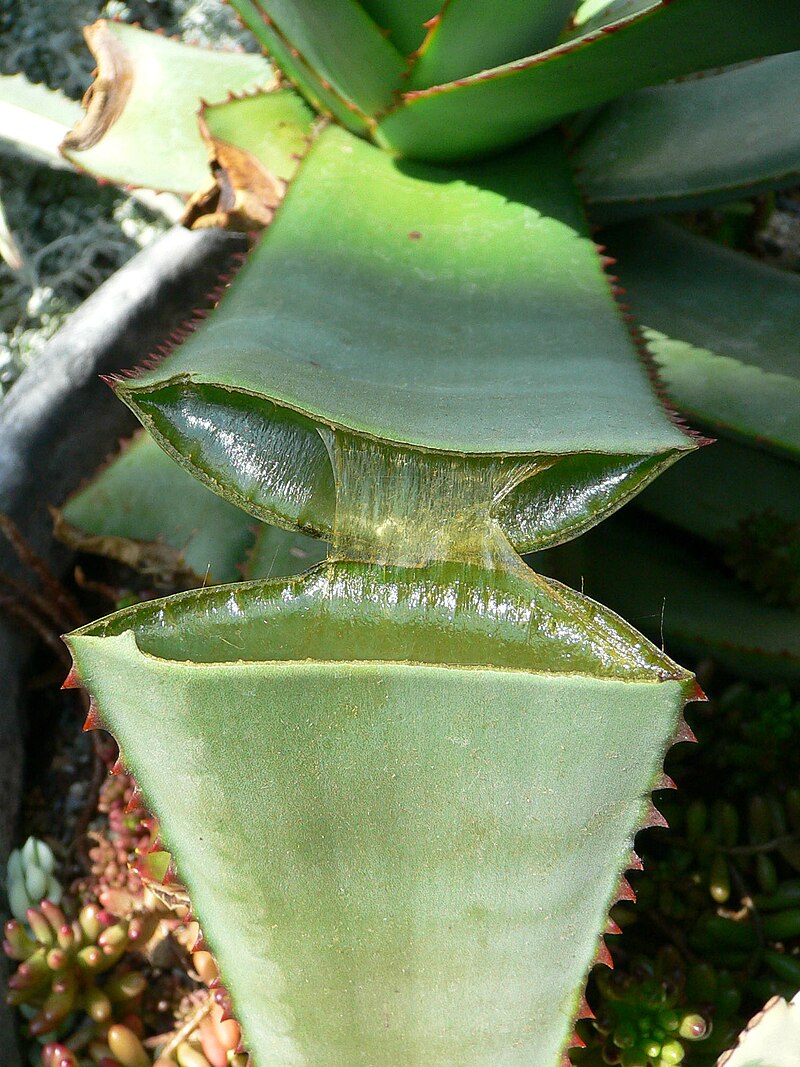
succulent plant
Plants having some parts that are more than normally thickened and fleshy

Carnegiea gigantea
alt=Example Of Old Growth Saguaro Cactus|thumb|Old growth saguaro
The saguaro ( , ; Carnegiea gigantea) is a tree-like cactus species in the monotypic genus Carnegiea that can grow to be over tall. It is native to the Sonoran Desert in Arizona, the Mexican state of Sonora, and the Whipple Mountains and Imperial County areas of California. Saguaro typically grow at elevations ranging from sea level to 4,500', although they may be found at up to 5,000'. The saguaro blossom is the state wildflower of Arizona. Its scientific name is given in honor of Andrew Carnegie. In 1933, Saguaro National Park

Sedum
Sedum is a large genus of flowering plants in the family Crassulaceae, members of which are commonly known as stonecrops. The genus has been described as containing up to 600 species, subsequently reduced to 400–500. They are leaf succulents found primarily in the Northern Hemisphere, but extending into the southern hemisphere in Africa and South America. The plants vary from annual and creeping herbs to shrubs. The plants have water-storing leaves. The flowers usually have five petals, seldom four or six. There are typically twice as many stamens as petals. Various species formerly classified

Aizoaceae
The Aizoaceae (), or fig-marigold family, are a large family of dicotyledonous flowering plants containing 135 genera and about 1,800 species. Several genera are commonly named ice plants or carpet weeds. The Aizoaceae are also referred to as vygies in South Africa. Some of the unusual Southern African genera—such as Conophytum, Lithops, Titanopsis, and Pleiospilos (among others)—resemble gemstones, rocks, or pebbles, and are sometimes called living stones or mesembs (short for mesembryanthemums).

Sempervivum
Sempervivum () is a genus of about 40 species of flowering plants in the family Crassulaceae, commonly known as houseleeks. Other common names include liveforever (the source of the taxonomical designation Sempervivum, literally "always/forever alive") and hen and chicks, a name shared with plants of other genera as well. They are succulent perennials forming mats composed of tufted leaves in rosettes. In favourable conditions they spread rapidly via offsets, and several species are valued in cultivation as groundcover for dry, sunny locations.

Salicornia europaea
halophytic perennial dicot

Echeveria
Echeveria is a large genus of flowering plants in the family Crassulaceae, native to semi-desert areas of Central America, Mexico and northwestern South America.

Balanites aegyptiaca
species of plant
-peerj-01-70-g001.jpg)
Pachypodium
Pachypodium is a genus of succulent spine-bearing trees and shrubs, native to Madagascar and Africa. It belongs to the family Apocynaceae.

Acacia tortilis
species of plant

Zamioculcas zamiifolia
Zamioculcas is a genus of flowering plants in the family Araceae, containing the single species Zamioculcas zamiifolia. It is a tropical herbaceous perennial plant, and is native to eastern Africa, including Kenya, KwaZulu-Natal, Malawi, Mozambique, Tanzania, and Zimbabwe. Its common names include Zanzibar gem, ZZ plant, Zuzu plant, aroid palm, eternity plant and emerald palm. It is commonly grown as a houseplant, mainly because it has attractive glossy foliage and is easy to care for. Zamioculcas zamiifolia is winter-hardy in USDA Zones 9 and 10.

Yucca brevifolia
species of plant

Stapelia
Stapelia is a genus of low-growing, spineless, stem succulent plants, predominantly from South Africa with a few from other parts of Africa. Several Asian and Latin American species were formerly included but they have all now been transferred to other genera. The flowers of certain species, most notably Stapelia gigantea, can reach 41 cm (16 inches) in diameter when fully open. Most Stapelia flowers are visibly hairy and generate the odor of rotten flesh when they bloom.

Mesembryanthemum
Mesembryanthemum is a genus of flowering plants in the family Aizoaceae, indigenous to southern Africa. As with many members of that family, it is characterized by long-lasting flower heads. Flowers of Mesembryanthemum protect their gametes from night-time dews or frosts but open in sunlight. There is an obvious evolutionary advantage to doing this; where sun, dew, frost, wind or predators are likely to damage exposed reproductive organs, closing may be advantageous during times when flowers are unlikely to attract pollinators.
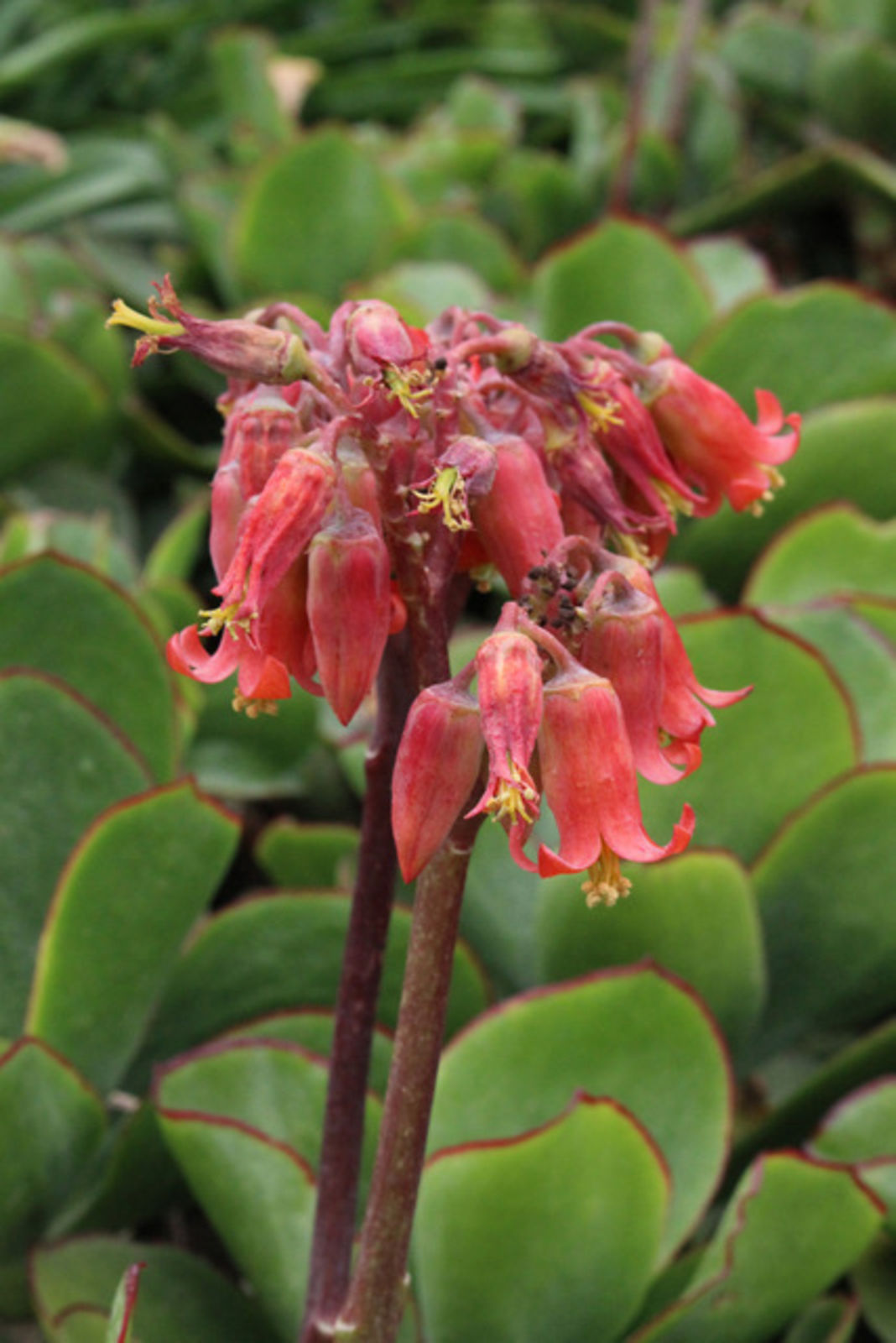
Cotyledon
genus of plants

Conophytum
thumb|right|Conophytum flavum
thumb|right|Conophytum calculus
thumb|right|Conophytum burgeri
thumb|right|Conophytum breve

Delosperma
Delosperma ('delos'=evident, 'sperma'=seed) is a genus of around 170 species of succulent plants, formerly included in Mesembryanthemum in the family Aizoaceae. It was defined by English botanist N. E. Brown in 1925. The genus is common in southern and eastern Africa, with a few species in Madagascar, Reunion island, Yemen and Saudi Arabia. Delosperma species, as do most Aizoaceae, have hygrochastic capsules, opening and closing as they wet and dry.
thumb|right|The leaves of Delosperma jansei (tradescantioides?)
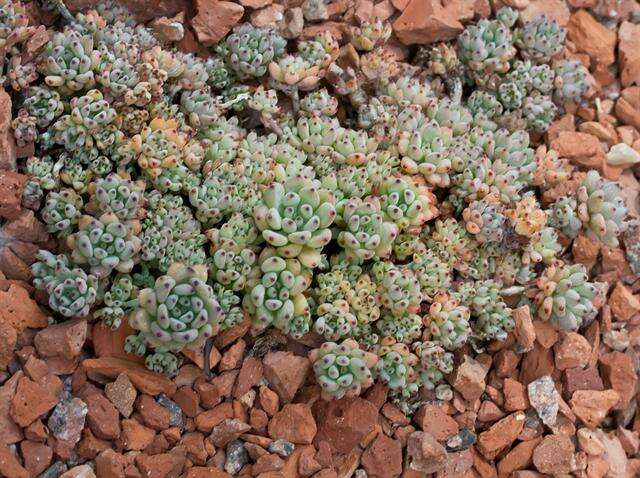
Graptopetalum
Graptopetalum (leatherpetal) is a genus of flowering plants in the family Crassulaceae. They are perennial succulent plants and native to Mexico and Arizona. They grow usually in a rosette. There are around 19 species in this genus.
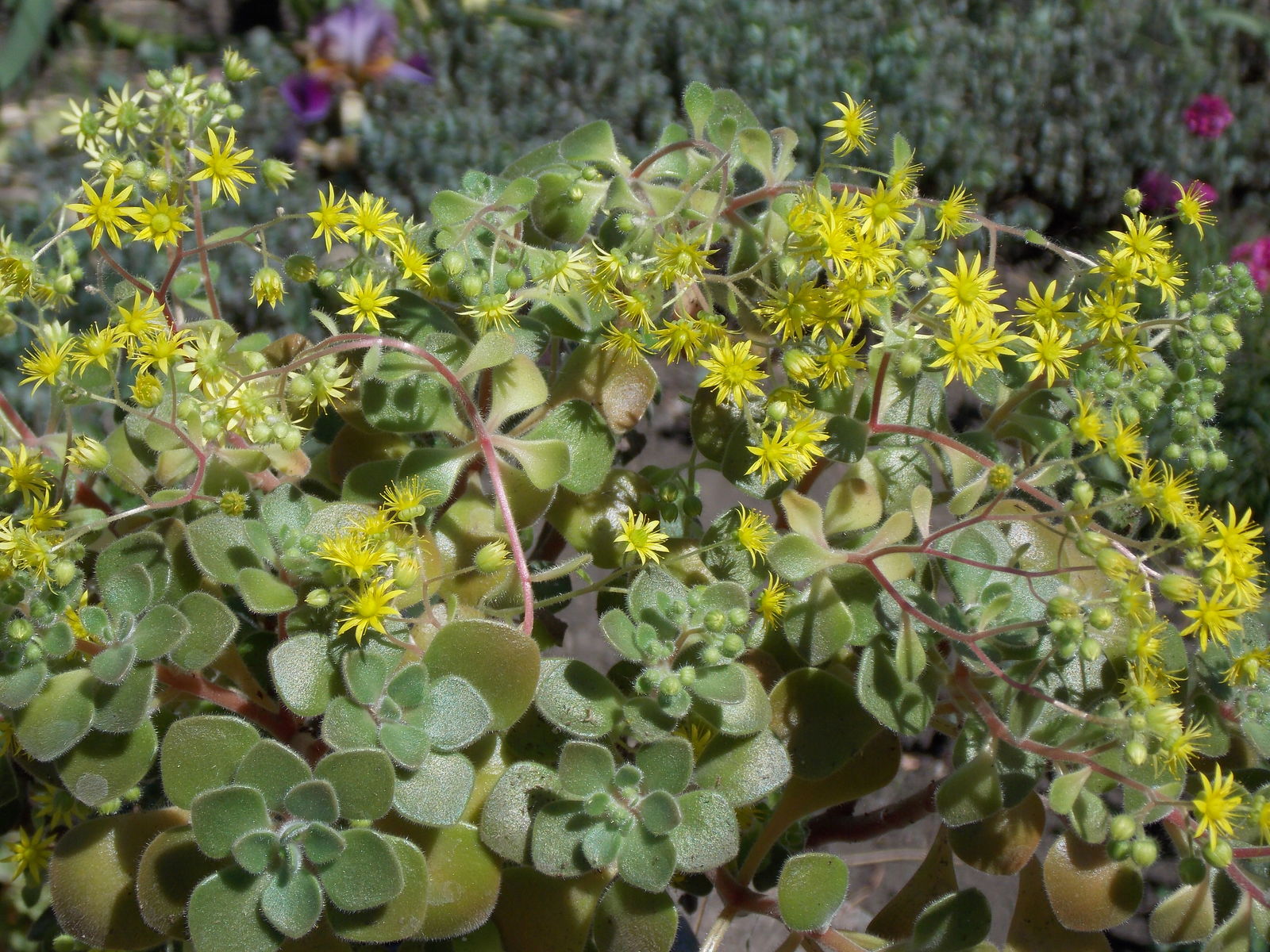
Aichryson
Aichryson is a genus of 16 species of succulent, subtropical plants, native to the Canary Islands, Azores, and Madeira.

Hylotelephium spectabile
species of plant

Dudleya
Dudleya, commonly known as liveforevers, is a genus of rosette-forming succulent plants in the stonecrop family, Crassulaceae, consisting of about ~70 taxa found in southwestern North America and Guadalupe Island. The genus is very morphologically diverse, with species ranging from large evergreen plants to tiny deciduous geophytic plants. The flowers of Dudleya have parts numbered in fives, with the petals arranged in tubular, star-shaped, or bell-shaped forms and, when fruiting, are filled with tiny, crescent-shaped seeds.

Pleiospilos
Pleiospilos is a genus of succulent flowering plants of the family Aizoaceae. It is endemic to the Cape Provinces of South Africa. The name is derived from the Greek pleios "many" and spìlos "spot". The plants are also known as kwaggavy ("Quagga mesemb"), lewerplant ("liver plant"), lewervygie ("liver mesemb"), klipplant ("stone plant"), split rock or mimicry plant.

Hoodia
Hoodia (; known locally as "ghaap" or "bobbejaanghaap") is a genus of flowering plants in the family Apocynaceae, under the subfamily Asclepiadoideae, native to Southern Africa.
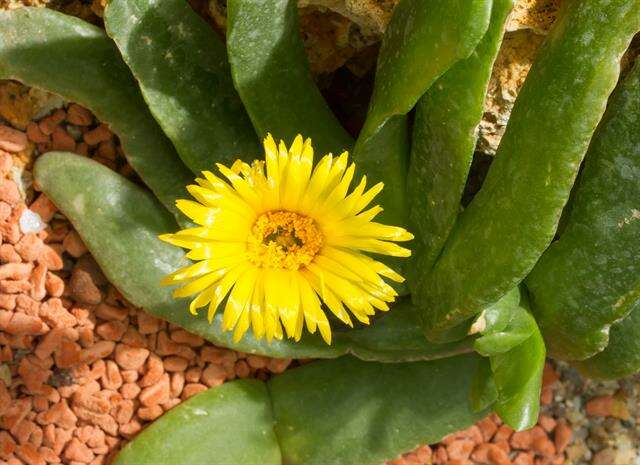
Glottiphyllum
Glottiphyllum is a genus of about 57 species of succulent subtropical plants of the family Aizoaceae. It is closely related to the Gibbaeum and Faucaria genera. The name comes from ancient Greek γλωττίς glottis "tongue" and φύλλον phyllon "leaf". The species are native to South Africa, specifically to Cape Province and the Karoo desert. They grow in rocks and soils incorporating slate, sandstone and quartz. Rainfall in their native areas is between , most of which falls in March and November.

Bulbine
Bulbine is a genus of plants in the family Asphodelaceae and subfamily Asphodeloideae, named for the bulb-shaped tuber of many species. It was formerly placed in the Liliaceae. It is found chiefly in Southern Africa, with a few species extending into tropical Africa and a few others in Australia and Yemen.

Drosanthemum
Drosanthemum (the dewflowers) is a genus of succulent plants in the ice plant family native to the winter-rainfall regions of southern Africa, including Namibia and the Cape Provinces and Free State of South Africa. Most species bear colorful flowers.

Huernia
The genus Huernia (family Apocynaceae, subfamily Asclepiadoideae) consists of perennial, stem succulents from Eastern and Southern Africa and Arabia, first described as a genus in 1810.

Astroloba
Astroloba is a genus of flowering plants in the family Asphodelaceae, subfamily Asphodeloideae, native to the Cape Province of South Africa.
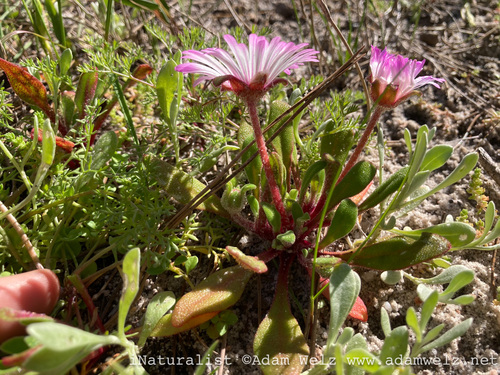
Cleretum
Cleretum is a genus of flowering plants in the family Aizoaceae, native to the Cape Provinces of South Africa.

Senecio angulatus
species of plant
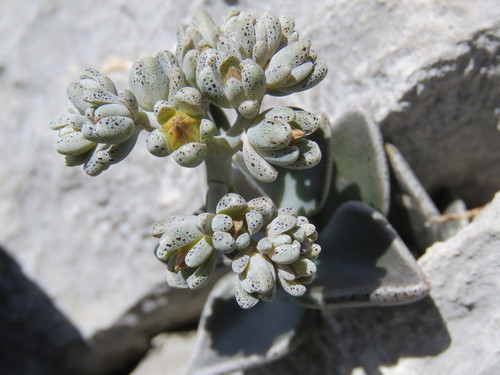
Lenophyllum
Lenophyllum is a genus of flowering plants in the family Crassulaceae. The roughly seven species it contains are distributed in Texas in the United States and northeastern Mexico. Some authorities place it in the genus Sedum. Plants in this genus are distinguished from Sedum species by the presence of terminal inflorescences, erect petals, and opposite leaves. The name is derived from the Ancient Greek words ληνός (lenos), meaning "trough", and φύλλον (phyllon), meaning "leaf."
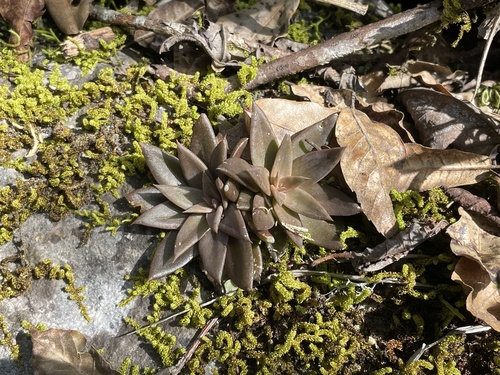
Sinocrassula
Sinocrassula is a genus of succulent, subtropical plants of the family Crassulaceae.

Kalanchoe marmorata
species of plant

Portulacaria
Portulacaria is a genus of succulent plant, classified in its own subfamily Portulacarioideae in the family Didiereaceae. It is indigenous to southern Africa.
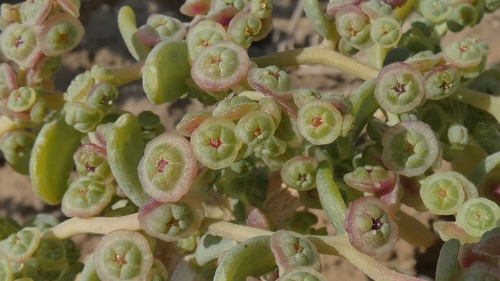
Bienertia
Bienertia is a flowering plant genus that currently is classified in the family Amaranthaceae s.l. (including the family Chenopodiaceae). For long time, the genus was considered to consist only of one species, Bienertia cycloptera, but in 2005 and 2012, two new species have been separated.

Echeveria secunda
species of plant

Hillebrandia sandwicensis
Hillebrandia sandwicensis is a species of a herbaceous perennial flowering plant native to some of the Hawaiian Islands. Common names include akaakaawa and pua maka nui. The genus name honors the German physician William Hillebrand.

Stomatium
Stomatium is a genus of succulent plants in the ice plant family, Aizoaceae. Members of the genus are native to the Cape Provinces and Free State in South Africa.

Huernia zebrina
species of plant

Echeveria pulvinata
species of plant

Peperomia columella
species of plant

Pachypodium saundersii
species of plant
Tetraena fontanesii
species of plant

Peperomia nivalis
species of plant

Sedum stahlii
species of plant
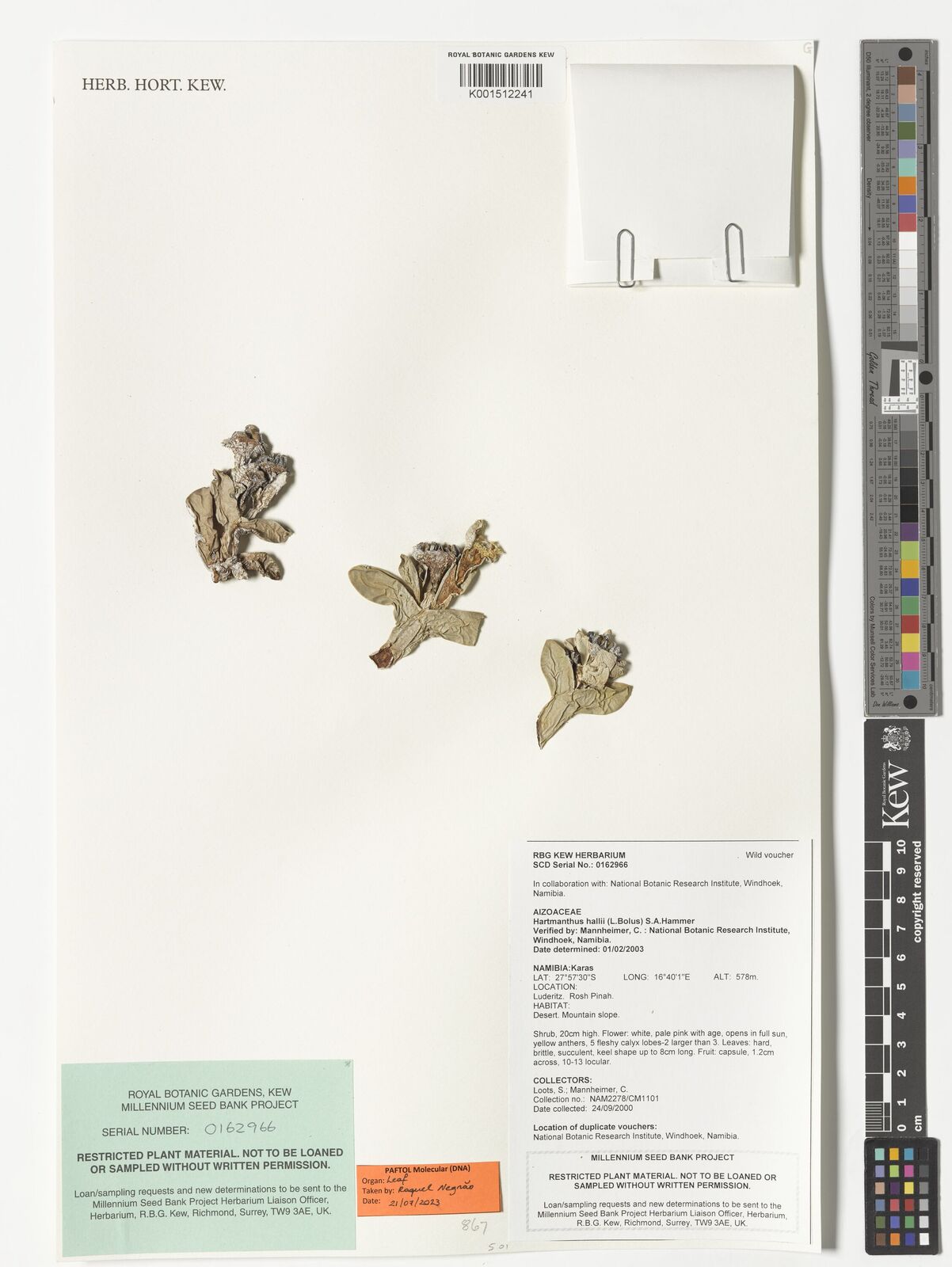
Hartmanthus
Hartmanthus is a genus of subtropical, succulent flowering plants in the family Aizoaceae, native to the lower Orange River in ǁKaras, Namibia and Northern Cape, South Africa.
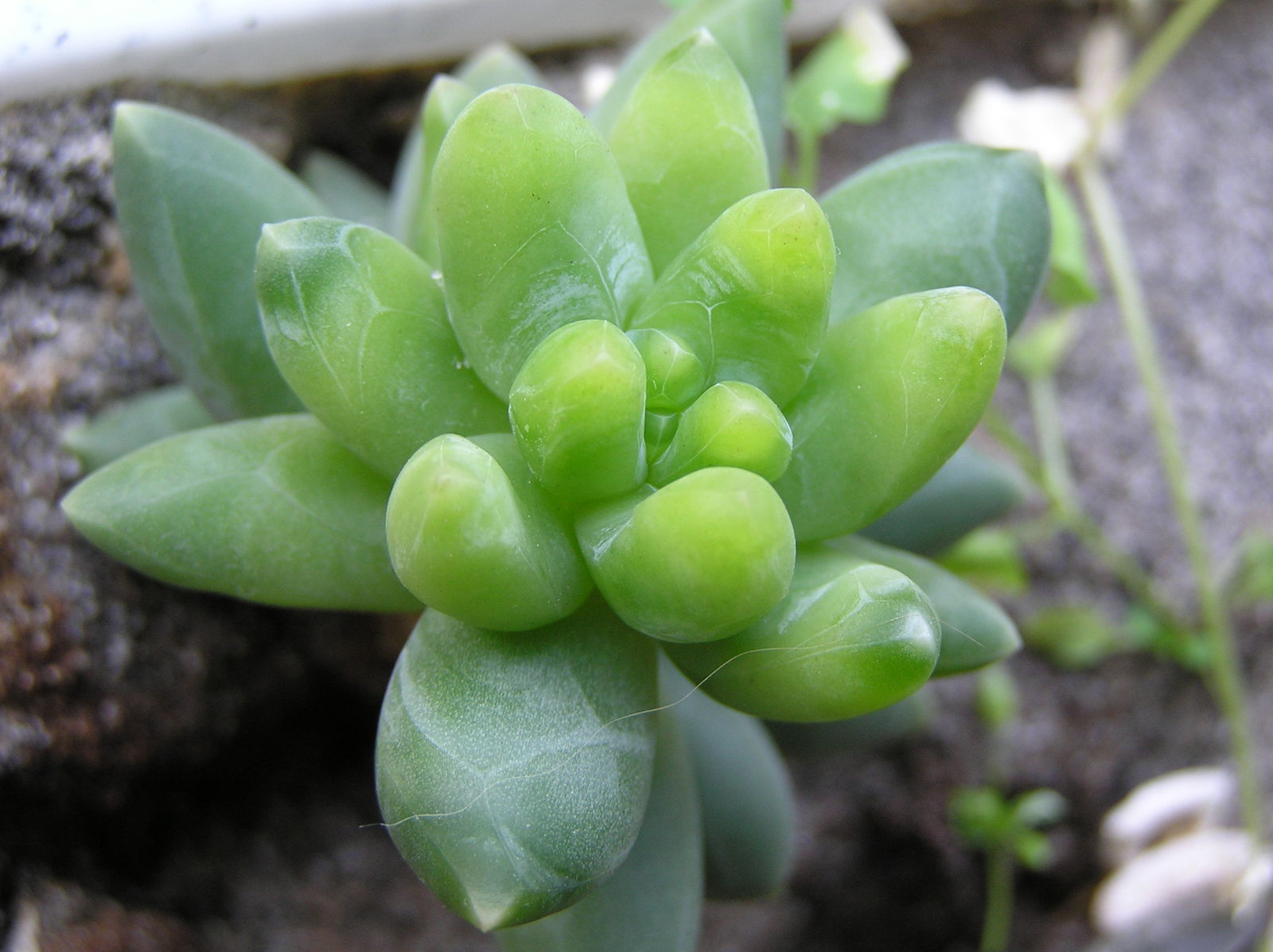
Pachyphytum compactum
species of plant

Sedum microcarpum
species of plant
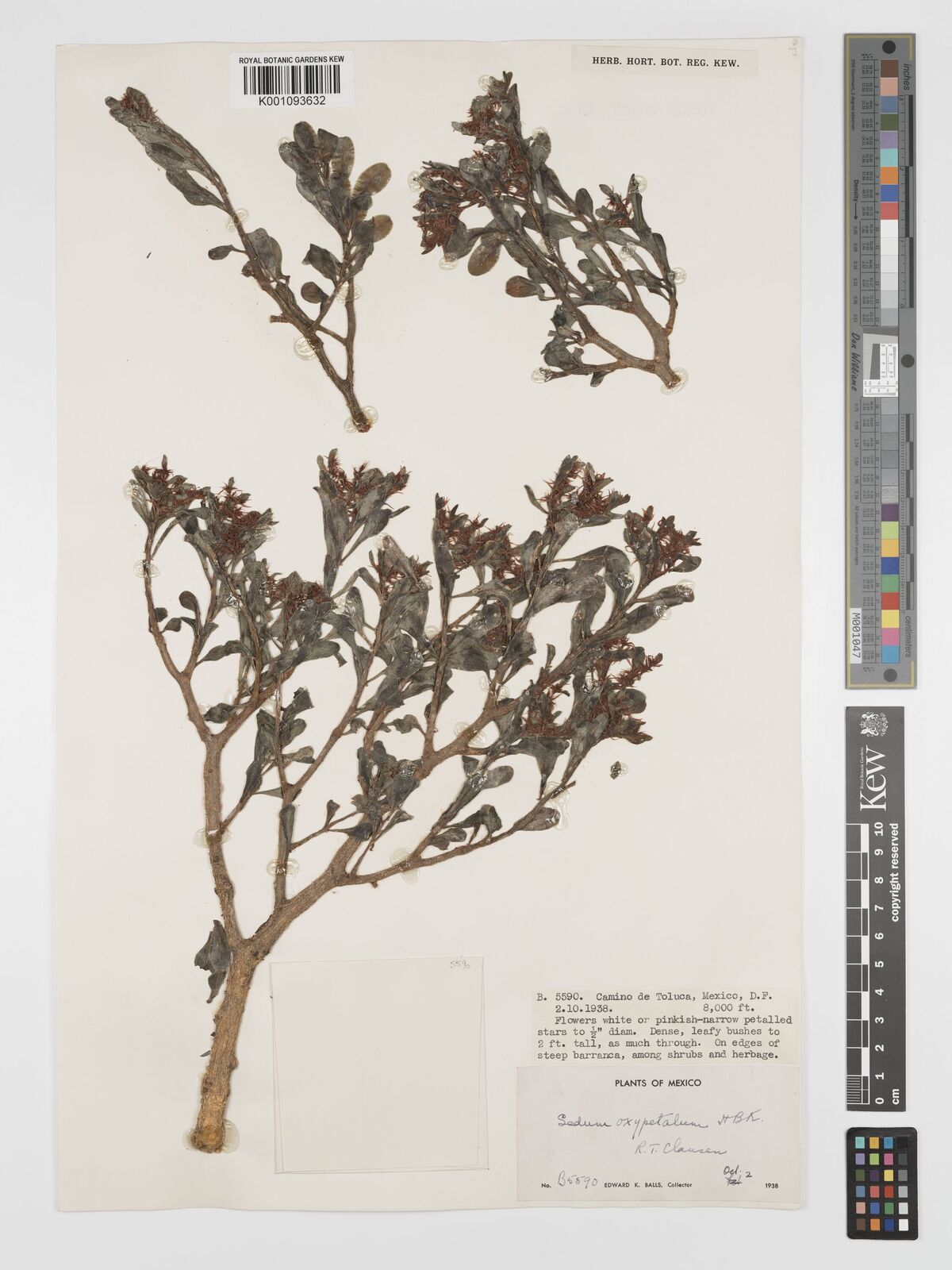
Sedum oxypetalum
species of plant
Kalanchoideae
Kalanchoideae is one of three subfamilies in the Saxifragales family Crassulaceae, with four succulent genera.
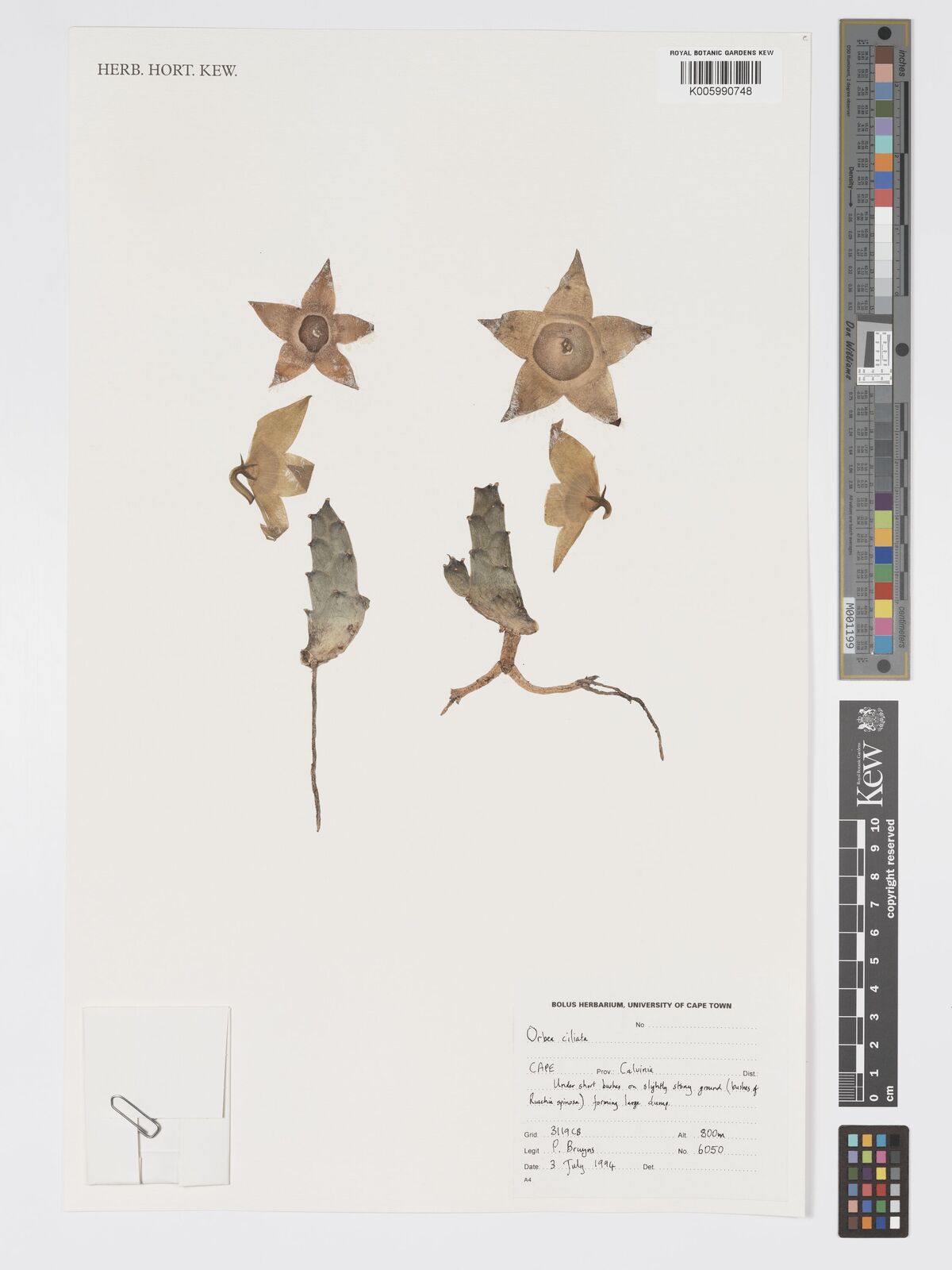
Orbea ciliata
species of plant

Sedum morrisonense
species of plant
Cheiridopsis purpurea
species of plant

Acrodon bellidiflorus
species of plant
Adromischus bicolor
species of plant

Peperomia ferreyrae
species of plant