Category
page 1Sustainable food system
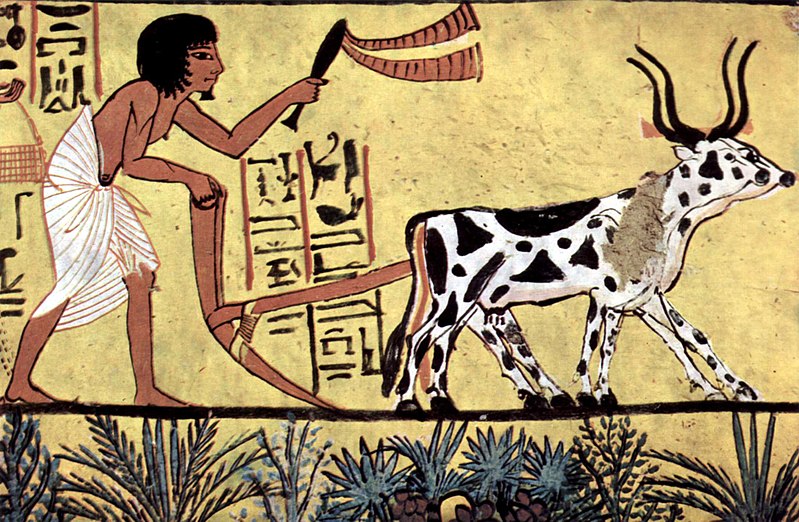
organic agriculture
farming method that avoids synthetic inputs, at the cost of lower yields and higher labor demands compared to conventional agriculture

compost
thumb|upright=1.3|Community-level composting in a rural area in Germany

permaculture
thumb|upright=1.5|A garden cultivated on permaculture principles

aquaculture
thumb|300px|Aquaculture fish farming in the fjords south of Castro, Chile

cultured meat
animal flesh product that has never been part of a living animal

Masanobu Fukuoka
Japanese farmer and philosopher (1913-2008)

food security
condition related to the supply and availability of food, and individuals' access to it

Mediterranean diet
diet typical of the Mediterranean region, or cultural heritage. UNESCO intangible cultural heritage status

agroecology
Agroecology is an academic discipline that studies ecological processes applied to agricultural production systems. Bringing ecological principles to bear can suggest new management approaches in agroecosystems. The term can refer to a science, a movement, or an agricultural practice. Agroecologists study a variety of agroecosystems. The field of agroecology is not associated with any one particular method of farming, whether it be organic, regenerative, integrated, or industrial, intensive or extensive, although some use the name specifically for alternative agriculture.
urban agriculture
agriculture in urban environments
vertical farming
practice of growing crops in vertically stacked layers
.JPG)
pescetarianism
Pescetarianism ( ; sometimes spelled pescatarianism) is a dietary practice in which seafood is the only source of meat in an otherwise vegetarian diet. The inclusion of other animal products, such as eggs and dairy, is optional. According to research conducted from 2017 to 2018, approximately 3% of adults worldwide are pescetarian.
community-supported agriculture
socioeconomic model of agriculture and food distribution

carnism
Carnism is a concept used in discussions of humanity's relation to other animals, defined as a prevailing ideology in which people support the use and consumption of animal products, especially meat. Carnism is presented as a dominant belief system supported by a variety of defense mechanisms and mostly unchallenged assumptions.
As a dominant ideological system of which meat consumption and animal exploitation are a part, it prescribes norms and beliefs about animal treatment. The term carnism was coined by social psychologist and author Melanie Joy in 2001 and popularized by her book Why We
local food
movement of people who prefer to eat foods which are grown or farmed relatively close to the places of sale and preparation
carbon sequestration
process of long-term carbon capture
environmental vegetarianism
practice of vegetarianism when motivated by the desire to not contribute to the negative environmental impact of meat production
seaweed farming
farming of aquatic seaweed
Food miles
distance food is transported from production to consumption
sustainable food system
type of food system
Planetary diet
flexitarian diet created by the EAT-Lancet Commission featuring plant-based foods
Conservation Agriculture
concept in agriculture
low-carbon diet
diet to reduce greenhouse gas emissions
Keyhole garden
keyhole garden is a 2 meter wide circular raised garden with a keyhole-shaped indentation on one side
short food supply chains
the distribution material flow in which there is at most one intermediary in the production chain between the producer and the consumer

Livestock's Long Shadow
book by Henning Steinfeld
food cooperative
food distribution outlet organized as a cooperative
holistic management
agricultural approach or philosophy
sustainable seafood
Seafood that is caught or farmed in ways that consider the long-term vitality of harvested species
edible tableware
utensil consistent of food or which can be eaten
food rescue
practice of gleaning edible food that would otherwise go to waste, and distributing it to local emergency food programs
Mote Marine Laboratory
non-profit organization in the USA
Jean-Baptiste Chavannes
Haitian agronomist

The Land Institute
non-profit organization in the USA
sustainable diet
a diet that contributes to the broader environmental and social sustainability
Urban beekeeping
practice of keeping bee colonies in urban areas
Farm-to-table
thumb|A "farm-to-table" dinner at Kendall-Jackson used produce from the winery's on-site garden.|alt=Planted rows with canopied tables behind
Farm-to-table (or farm-to-fork, and in some cases farm-to-school) is a social movement which promotes serving local food at restaurants and school cafeterias, preferably through direct acquisition from the producer (which might be a winery, brewery, ranch, fishery, or other type of food producer which is not strictly a "farm"). This might be accomplished by a direct sales relationship, a community-supported agriculture arrangement, a farmer's market, a l
foodsharing.de
foodsharing.de is an online platform that saves and distributes surplus food in Germany and Austria. It is managed by the Foodsharing association (foodsharing e.V.) and was founded on December 12, 2012. On foodsharing.de individuals, retailers and producers can offer or collect food that would otherwise be thrown away. This service is completely free, and functions thanks to volunteer work. The project's goal is to fight everyday food waste and to raise awareness about this problem in society.
Pollotarianism
Pollotarianism is the practice of adhering to a diet that incorporates poultry as the only source of meat in an otherwise vegetarian diet.
ethical eating
moral eating choices