Category
page 1Syndromes

HIV/AIDS
The human immunodeficiency virus (HIV) is a retrovirus that attacks the immune system. Without treatment, it can lead to a spectrum of conditions including acquired immunodeficiency syndrome (AIDS). It is a preventable disease. It can be managed with treatment and become a manageable chronic health condition. While there is no cure or vaccine for HIV, antiretroviral treatment can slow the course of the disease, and, if used before significant disease progression, can extend the life expectancy of someone living with HIV to a nearly standard level. An HIV-positive person on treatment can expect

syndrome
A syndrome is a set of medical signs and symptoms which are correlated with each other and often associated with a particular disease or disorder. The word derives from the Greek σύνδρομον, meaning "concurrence". When a syndrome is paired with a definite cause this becomes a disease. In some instances, a syndrome is so closely linked with a pathogenesis or cause that the words syndrome, disease, and disorder end up being used interchangeably for them. This substitution of terminology often confuses the reality and meaning of medical diagnoses. This is especially true of inherited syndromes. Ab

Sjögren's syndrome
hypersensitivity reaction type II disease affecting the exocrine glands
premenstrual syndrome
physical and emotional symptoms that occur in the one to two weeks before a woman's period.
sudden infant death syndrome
Sudden infant death syndrome (SIDS), sometimes known as cot death or crib death, is the sudden, unexplained death of a child of less than one year of age. Diagnosis requires that the death remain unexplained even after a thorough autopsy and detailed death scene investigation. SIDS usually occurs between the hours of midnight and 9:00 a.m., or when the baby is sleeping. There is usually no noise or evidence of struggle. SIDS remains one of the leading causes of infant mortality in Western countries, constituting almost 1/3 of all post-neonatal deaths.

Raynaud syndrome
medical condition in which spasm of arteries cause episodes of reduced blood flow

savant syndrome
psychological disorder that turns people to a megasavant, with a serious mental disorder
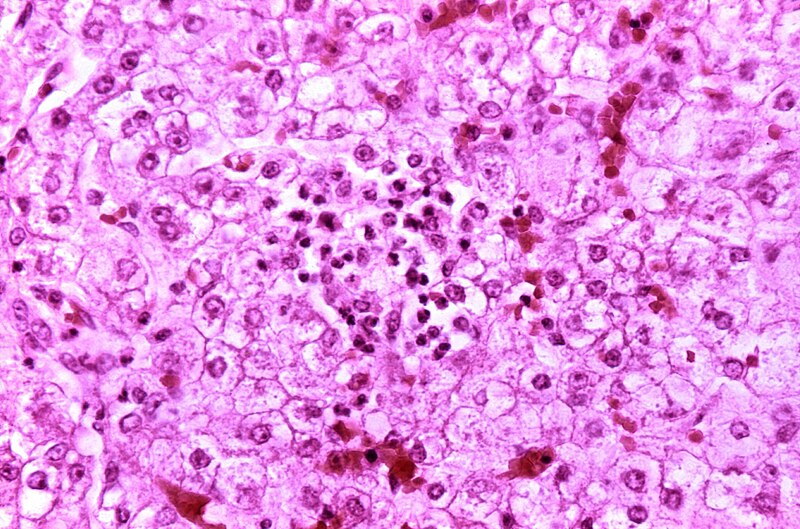
Reye syndrome
syndrome characterized by acute brain damage and liver function problems

restless legs syndrome
disabling neurological pathology characterized by the irresistible urge to move the legs
fetal alcohol spectrum disorders
group of conditions that can occur in a person whose mother drank alcohol during pregnancy

triple X syndrome
presence of 47XXX chromosomes rather than the typical 46XX

toxic shock syndrome
condition caused by bacterial toxins
postural orthostatic tachycardia syndrome
condition in which a change from lying to standing causes an abnormally large increase in heart rate
reactive arthritis
arthritis that is an autoimmune disease which develops due to an infection located elsewhere in the body
Behçet's disease
rare immune-mediated small-vessel systemic vasculitis in humans
alien hand syndrome
neuropsychiatric disorder
Conn's syndrome
adrenal adenoma characterized by over production of aldosterone
phantom limb
perception of painful and nonpainful phantom sensations that occur following the complete or partial loss of a limb
shaken baby syndrome
medical condition
hemispatial neglect
neuropsychological condition in which, after damage to one hemisphere of the brain is sustained, a deficit in attention to and awareness of one side of space is observed
multiple organ dysfunction syndrome
altered organ function in an acutely ill patient requiring medical intervention to achieve homeostasis.
progressive supranuclear palsy
neurodegenerative disease characterized by supranuclear gaze palsy, postural instability, progressive rigidity, and mild dementia
von Hippel-Lindau disease
a rare genetic disorder characterized by visceral cysts and benign tumors in multiple organ systems with potential for subsequent malignant change.
sick building syndrome
a medical condition where people in a building suffer from symptoms of illness or feel unwell for no apparent reason
crush syndrome
medical condition
de Quervain syndrome
inflammation of two tendons that control movement of the thumb and their tendon sheath
systemic inflammatory response syndrome
human disease
syndrome of Inappropriate antidiuretic hormone secretion
endocrine disease
hyperprolactinemia
Hyperprolactinaemia (also spelled hyperprolactinemia) is a condition characterized by abnormally high levels of prolactin in the blood. In women, normal prolactin levels average to about 13 ng/mL, while in men, they average 5 ng/mL. The upper normal limit of serum prolactin is typically between 15 and 25 ng/mL for both men and women. Levels exceeding this range indicate hyperprolactinemia.
locked-in syndrome
condition in which a patient is aware but cannot move or communicate verbally due to complete paralysis of nearly all voluntary muscles in the body except for vertical eye movements and blinking
tardive dyskinesia
human neurological disorder
compartment syndrome
condition in which increased pressure within one of the body's compartments results in insufficient blood supply to tissue within that space
transverse myelitis
an inflammatory demyelinating disorder of the spinal cord, either idiopathic or secondary to a known cause
moya moya disease
cerebral arterial disease characterized by constriction of certain arteries at the base of the brain; blood flow is blocked by the constriction and also by blood clots
pediatric multisystem inflammatory syndrome
systemic inflamation in children, connected to COVID-19
diogenes syndrome
behavioral disorder notably characterized by extreme self-neglect and compulsive hoarding
Fanconi syndrome
renal tubular transport disease of the proximal renal tubes characterized by glucosuria, phosphaturia, generalized aminoaciduria and HCO3 wasting
Sheehan's syndrome
human disease
mucopolysaccharidosis II
mucopolysaccharidosis characterized by a deficiency of the lysosomal enzyme iduronate sulfatase
Menkes disease
Human disease
thoracic outlet syndrome
vascular disease characterized by compression at the superior thoracic outlet
delayed sleep phase disorder
chronic mismatch between a person's normal daily rhythm, compared to other people and societal norms
short bowel syndrome
human disease
refeeding syndrome
illness caused by sudden refeeding of a malnourished individual
hypermobility syndrome
human disease: joints that stretch farther than normal
tumor lysis syndrome
medical condition
hypotonia
Hypotonia is a state of low muscle tone (the amount of tension or resistance to stretch in a muscle), often involving reduced muscle strength. Hypotonia is not a specific medical disorder, but it is a potential manifestation of many different diseases and disorders that affect motor nerve control by the brain or muscle strength. Hypotonia is a lack of resistance to passive movement whereas muscle weakness results in impaired active movement. Central hypotonia originates from the central nervous system, while peripheral hypotonia is related to problems within the spinal cord, peripheral nerves,
XY gonadal dysgenesis
gonadal dysgenesis that is characterized by a normal 46,XY karyotype along with a progressive loss of germ cells on the developing gonads of an embryo
extrapyramidal symptoms
drug-induced movement disorders
piriformis syndrome
human medical condition affecting the sciatic nerve
mean world syndrome
perception of more danger than really exists
SSRI discontinuation syndrome
condition that can occur following the interruption, dose reduction, or discontinuation of antidepressant drugs, including selective serotonin re-uptake inhibitors (SSRIs) or serotonin–norepinephrine reuptake inhibitors (SNRIs)
Sanfilippo syndrome
mucopolysaccharidosis characterized by a deficiency of the lysosomal enzyme resulting in incomplete breakdown of the heparan sulfate sugar chain
XX male syndrome
rare congenital condition where an individual with XX chromosomes is born with a penis and testes
Mittelschmerz
persistent genital arousal disorder
unwanted, unprompted, persistent arousal of the female genitalia, without desire
twin-to-twin transfusion syndrome
complication of disproportionate blood supply, resulting in high morbidity and mortality
Mallory–Weiss syndrome
bleeding from a laceration in the mucosa at the junction of the stomach and esophagus
burning mouth syndrome
human disease
space motion sickness
human disease