Category
page 1Taxa described in 1826

Boletaceae
The Boletaceae are a family of mushroom-forming fungi, primarily characterised by small pores on the spore-bearing hymenial surface (at the underside of the mushroom), instead of gills as are found in most agarics. Nearly as widely distributed as the agarics, the family is renowned for hosting some prime edible species highly sought after by mushroom hunters worldwide, such as the cep or king bolete (Boletus edulis). A number of rare or threatened species are also present in the family, that have become the focus of increasing conservation concerns. As a whole, the typical members of the famil

Anous
The noddies, forming the genus Anous, are a genus of seabirds in family Laridae which also contains the gulls, terns and skimmers. The genus contains five species.

Pucciniaceae
The Pucciniaceae are a family of rust fungi that cause plant diseases, mainly on cereals such as wheat. The family contains over 4900 species: many of them in the type genus Puccinia.
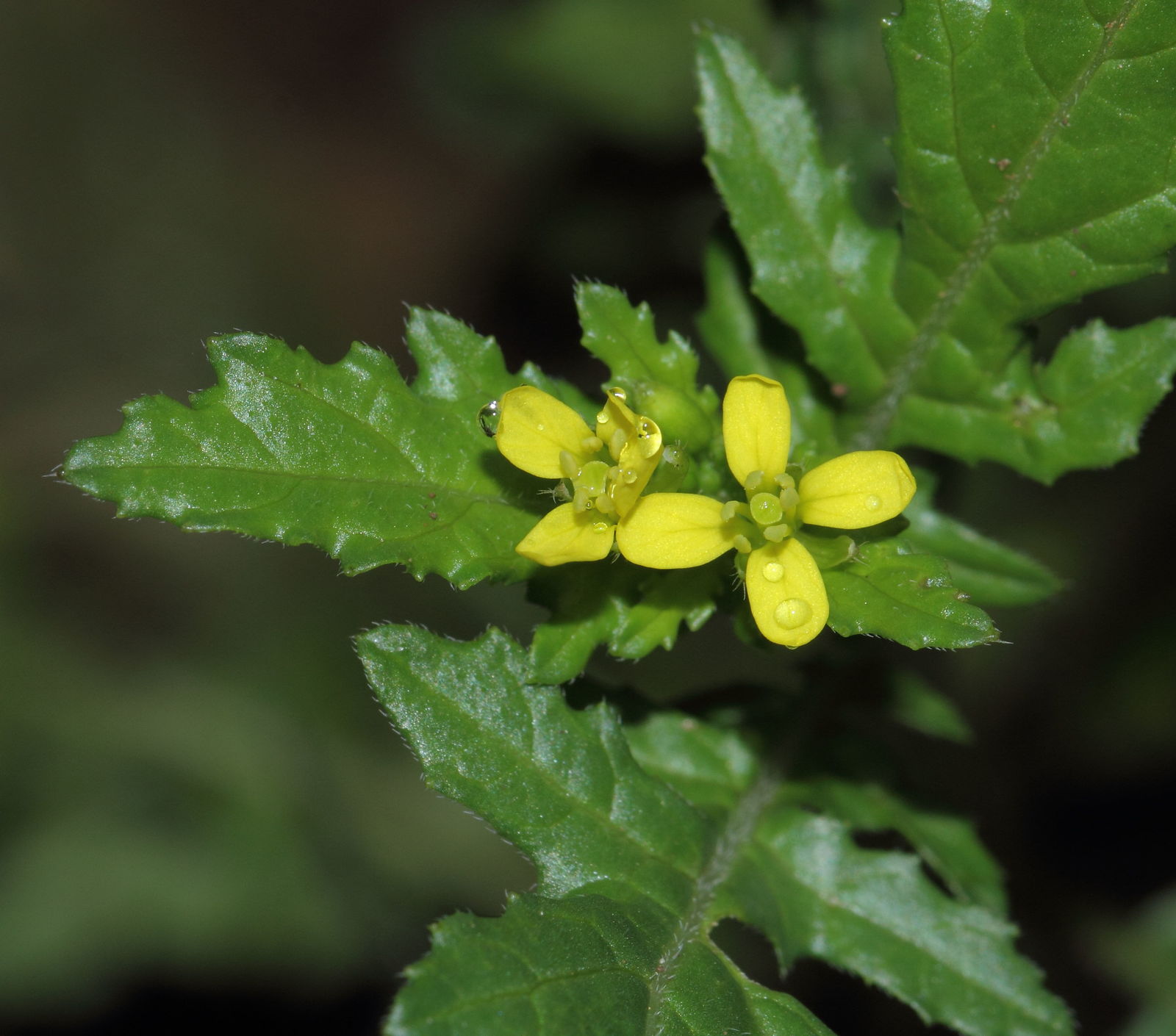
Erucastrum
thumb|Erucastrum nastutiifolium
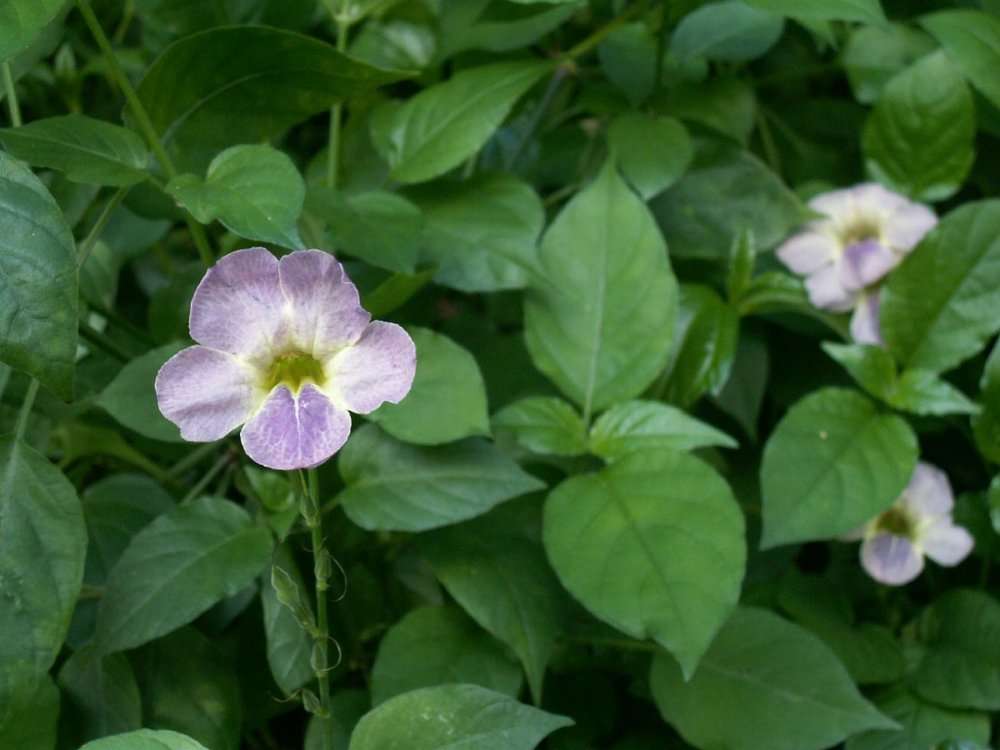
Asystasia
thumb|190px|Asystasia gangetica
Cliona
Cliona is a genus of demosponges in the family Clionaidae. It contains about eighty described species.
Rhytismataceae
The Rhytismataceae are a family of fungi in the Rhytismatales order. It contains 55 genera and 728 species.
Thelephoraceae
The Thelephoraceae are a family of fungi in the order Thelephorales. This grouping of mushrooms is commonly known as the "leathery earthfans".

Cyanthillium
Cyanthillium is a genus of tropical plants in the tribe Vernonieae within the family Asteraceae. It includes 12 species native to tropical and subtropical Africa, Asia, Australia, and the Pacific.
Stereocaulaceae
The Stereocaulaceae are a family of lichen-forming fungi in the order Lecanorales. It contains five genera. Species of this family are widely distributed in temperate boreal and austral regions.

Roccellaceae
The Roccellaceae are a family of mostly lichen-forming fungi in the order Arthoniales, established by the French botanist François Fulgis Chevallier in 1826. Species in the family exhibit various growth forms, including crustose and fruticose (shrub-like) thalli, and diverse reproductive structures. Roccellaceae species typically have disc-like () or slit-like () fruiting bodies, often with distinct blackened () margins. Molecular phylogenetics studies have revealed considerable genetic diversity and complex evolutionary histories within the family.
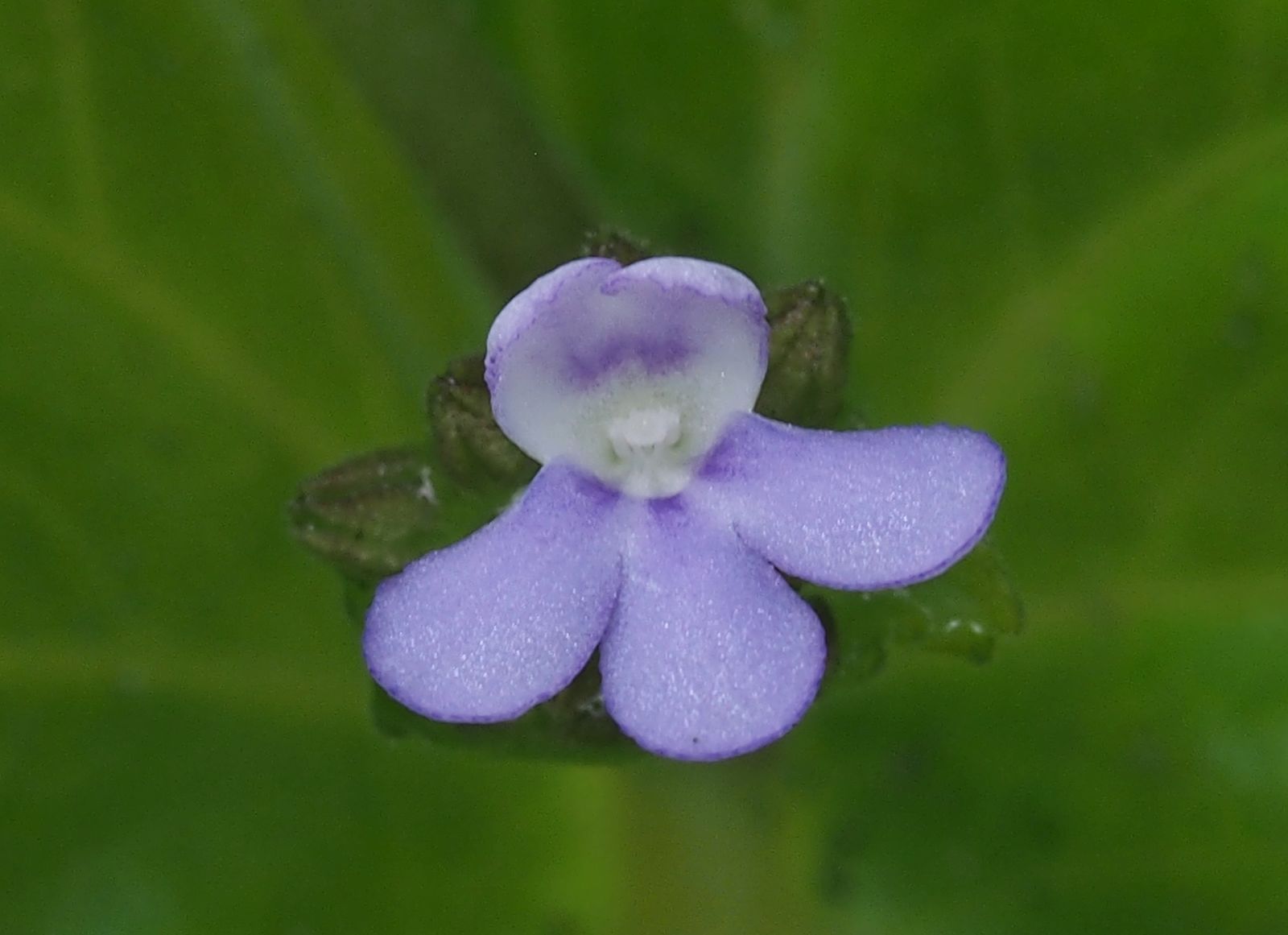
Epithema
Epithema is a genus of plants in the family Gesneriaceae and subfamily Didymocarpoideae. Species range from western tropical Africa to Uganda, tropical and subtropical Asia, and New Guinea.

Caliciaceae
The Caliciaceae are a family of mostly lichen-forming fungi belonging to the class Lecanoromycetes in the division Ascomycota. Although the family has had its classification changed several times throughout its taxonomic history, the use of modern molecular phylogenetic methods has helped to establish its current placement in the order Caliciales. Caliciaceae contains 39 genera and about 670 species. The largest genus is Buellia, with around 300 species; there are more than a dozen genera that contain only a single species.

Lecideaceae
The Lecideaceae are a family of lichen-forming fungi in the order Lecideales. It contains about 30 genera and roughly 250 species. A major distinguishing characteristic of the family is the form of the fruiting bodies: typically circular, dark, and without a . Most species in the family are lichenised with green algae, although a few species, scattered amongst several genera, are lichenicolous—they live on other lichens. Lecideaceae lichens tend to grow on rocks, wood, and soil. Several Lecideaceae species accelerate the weathering of rock surfaces, a process known as pedogenesis, by extending

Asteriscium
Asteriscium is a genus of flowering plant in the family Apiaceae, with 9 species. It is endemic to temperate South America.
Callisthene
Callisthene is a genus of flowering plants belonging to the family Vochysiaceae.
Umbilicariaceae
The Umbilicariaceae are a family of lichenized fungi in the Ascomycota. Species of this family are known from a variety of climates, including temperate, boreal, austral, and warmer montane regions. The family contains five genera and 53 species.
Sycon
Sycon is a genus of calcareous sponges belonging to the family Sycettidae. These sponges are small, growing up to 7.5 cm with a length from 2.5 to 7.5 cm, and are tube-shaped and often white to cream in colour. They are known to aquarium hobbyists as "Pineapple" or "Q-Tip" sponges, and are frequent "hitchhikers" accidentally brought in.
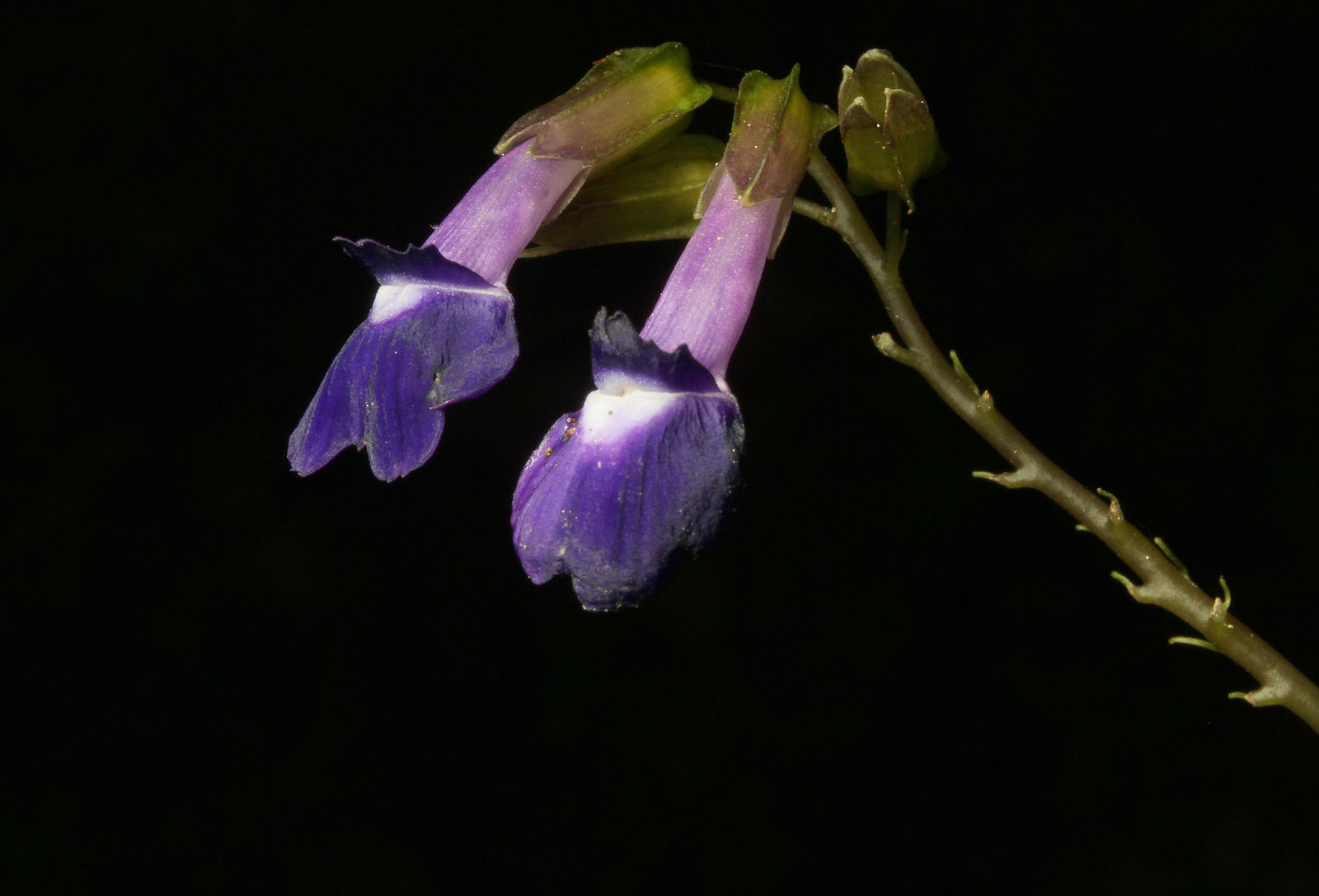
Rhynchoglossum
Rhynchoglossum is a genus of plant in family Gesneriaceae. In recent times, members of the former genus Klugia are also included. Species within the broader genus are found in India, southern China to New Guinea and about three species in tropical America. The genus has a leaf arrangement that is termed as alternate-distichous and the leaves are asymmetric in shape. The flowers have two lips. The older genus Klugia had four stamens compared to the typical two but Klugia from southern India are found to be very close based on molecular evidence.
Aspergillaceae
The Aspergillaceae are a family of fungi in the order Eurotiales which are commonly known as the blue and green molds. The family includes the commonly known and observed genera of Aspergillus and Penicillium amongst other lesser known mold genera but also includes larger ascomycete fungi such as Penicilliopsis.
Galumna
Galumna is a genus of mites in the family Galumnidae.
Hysteriaceae
The Hysteriaceae are a taxonomic family of fungi and the only extant family of the order Hysteriales. Members of the Hysteriaceae are defined by the possession of a sexual structure called the hysterothecium, an elongated structure that opens by a longitudinal slit and releases sexually produced spores. The family is widely distributed, with many species found in temperate regions, and most are saprobic on wood and bark, although a few are parasitic on plants.
Neraudia
Neraudia is a genus of plants in family Urticaceae. All five species are endemic to Hawaii. '''Ma'oloa''' is a common name for these plants.
Dothideaceae
The Dothideaceae are a family of fungi in the order Dothideales. Species in this family have a widespread distribution, especially in tropical areas.
Eriosolena
Eriosolena is a genus of flowering plants belonging to the family Thymelaeaceae.
Cissinae
Cissinae is one of six subfamilies in the crow family (Corvidae). It comprises 9 species, which are spread over two genera. The members of Cissinae as a whole are sometimes referred to as blue/green magpies, and are described as some of the most colourful members of the Corvidae family.
Sclerophora
Sclerophora is a genus of lichen-forming fungi in the family Coniocybaceae. Largely restricted to temperate latitudes, three of its species have been reported in North America.
Balaustium
Balaustium is a genus of mites belonging to the family Erythraeidae. These are large red mites with one or two pairs of eyes set well back on the body.