Category
page 1Taxa described in 1888

Hygrophoropsis
Hygrophoropsis is a genus of gilled fungi in the family Hygrophoropsidaceae. It was circumscribed in 1888 to contain the type species, H. aurantiaca, a widespread fungus that, based on its appearance, has been affiliated with Cantharellus, Clitocybe, and Paxillus. Modern molecular phylogenetic analysis shows that the genus belongs to the suborder Coniophorineae of the order Boletales.
Clavulina
Clavulina is a genus of fungus in the family Clavulinaceae, in the Cantharelloid clade (order Cantharellales). Species are characterized by having extensively branched fruit bodies, white spore prints, and bisterigmate basidia (often with secondary septation). Branches are cylindrical or flattened, blunt, and pointed or crested at the apex, hyphae with or without clamps, basidia cylindrical to narrowly clavate, mostly with two sterigmata which are large and strongly incurved and spores subspherical or broadly ellipsoid, smooth, and thin-walled, each with one large oil drop or guttule. The genu

Leucocoprinus
Leucocoprinus is a genus of fungi in the family Agaricaceae. The best-known member is the distinctive yellow mushroom Leucocoprinus birnbaumii, which is found in plant pots and greenhouses worldwide. The type species is Leucocoprinus cepistipes. The genus has a widespread distribution and since many members of the Leucoagaricus genus were transferred to Leucocoprinus in 2024 it contains over 240 recognised species. Prior to this reclassification species described as Leucocoprinus often tended to be found in tropical regions whereas many species described as Leucoagaricus were found in temperat
Daedaleopsis
Daedaleopsis is a genus of fungi in the family Polyporaceae. The name Daedaleopsis is a reference to Daedalus, the labyrinth-maker of myth. Similarly, the maze-like pattern of pores is taxonomically described as being daedaloid. DNA was recovered and sequenced from fragments of a nearly 7000-year-old fruit body of D. tricolor found in an early Neolithic village in Rome.
Heterobasidion
Heterobasidion is a genus of basidiomycetes in the family of Bondarzewiaceae. Species in this genus include tree decay fungi that may be pathogenic and cause deterioration of tree health including mortality. Fungi in the genus produce shelf-like polyporous fruiting bodies that release spores from pores. Mating studies in the late twentieth century and genetic studies in the early twenty-first century have led to description of several new species and replacement of some of the original names. As a result, two former Heterobasidion species, H. annosum and H. insulare, are now recogniz
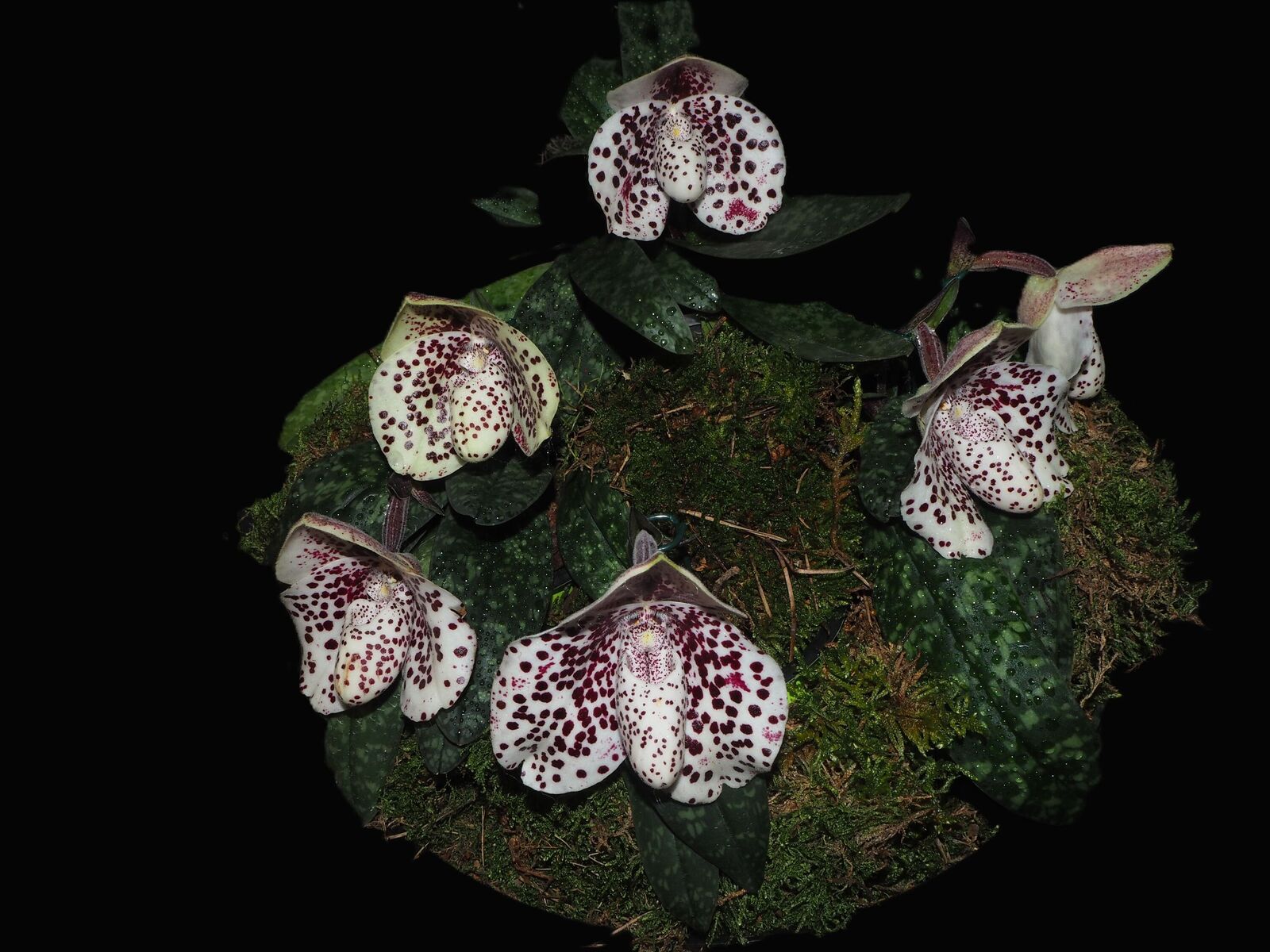
Paphiopedilum bellatulum
species of plant
Pachyneuria
Pachyneuria is a genus of skippers in the family Hesperiidae found from Mexico to South America.
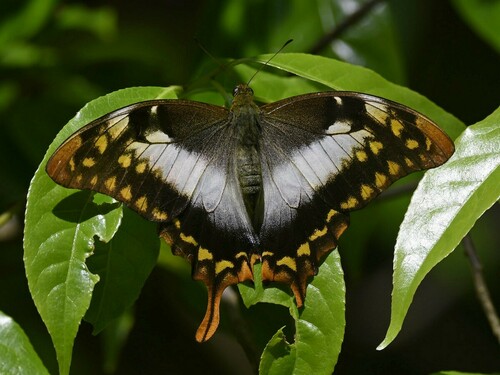
Meandrusa
Meandrusa is a genus of swallowtail butterflies within Papilioninae family. They are native to countries in South and Southeast Asia, mostly found in habitats with forests or mountains that have a lot of vegetation. Meandrusa are recognized by their unique shapes and colors. Their wings are unique as they are long and narrow at the bottom, giving them the appearance of having a tail that resembles a hook or a sickle. Meandrusa are usually recognized by their colors as well, they usually range between gold/yellow, and brown colors that help them survive by blending with the environment around t
Phylloporus
Phylloporus is a genus of fungi in the family Boletaceae (suborder Boletineae). The genus has a cosmopolitan distribution, and contains about 50 species, mostly in tropical areas.

Oligoporus
250px|right
Oligoporus is a genus of fungi in the family Polyporaceae. The genus was circumscribed by German mycologist Julius Oscar Brefeld in 1888 with Oligoporus farinosus as the type. This species is currently known as Postia rennyi. The genus name combines the Ancient Greek words ("few") and ("pore").
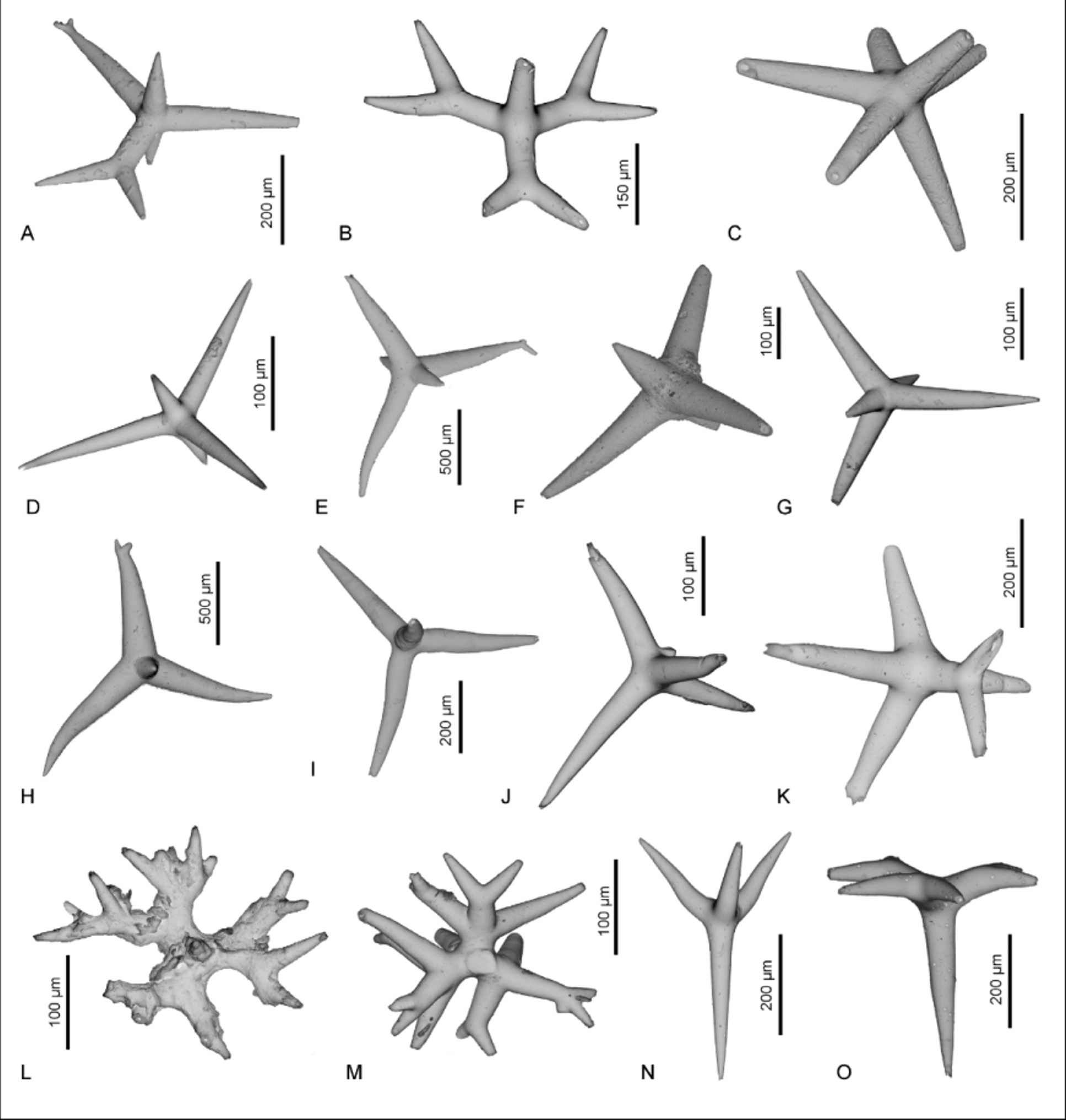
Calthropellidae
Calthropella is a genus of sea sponges in the order Tetractinellida. It is the only genus in the monotypic family Calthropellidae.
Nerula
Nerula is a genus of dicot skippers in the butterfly family Hesperiidae (Eudaminae).
Sormida
Sormida is a genus of longhorn beetles of the subfamily Lamiinae.
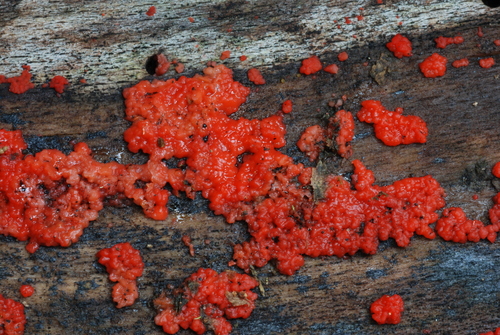
Tulasnella
Tulasnella is a genus of effused (patch-forming) fungi in the order Cantharellales. Basidiocarps (fruit bodies), when visible, are typically smooth, ceraceous (waxy) to subgelatinous, frequently lilaceous to violet-grey, and formed on the underside of fallen branches and logs. They are microscopically distinct in having basidia with grossly swollen sterigmata (or epibasidia) on which basidiospores are formed. One atypical species, Tulasnella aurantiaca, produces orange to red, gelatinous, pustular anamorphs on wood. Some species form facultative mycorrhizas with orchids and liverworts. Around
Laevidentalium
Laevidentalium is a genus of molluscs belonging to the family Laevidentaliidae.
Didymozoidae
Didymozoidae is a family of parasitic flatworms (class Trematoda) within the order Plagiorchiida. The group comprises endoparasitic flukes that primarily infect the tissues of marine teleost fishes.
Amaurodon
Amaurodon is a genus of fungi in the family Thelephoraceae. Most species in the genus have resupinate and corticioid (flattened, crust-like) fruit bodies that grow on rotting wood. The hymenophore may have pores, teeth, or be smooth, and is typically blue to green in color.
Roussoëlla
Roussoëlla is a genus of fungi in the family Roussoellaceae. The genus is characterized by two-celled ascospores, unitunicate asci with a small spherical apical ring that stains slightly blue with Melzer's reagent, and stromata with several perithecia. The genus was circumscribed by Italian mycologist Pier Andrea Saccardo in 1888, with Roussoella nitidula assigned as the type species. The generic name honours Marietta Hannon Rousseau, (1850–1926), who was a Belgian mycologist and taxonomist.
Dactylonax
Dactylonax is a genus of petaurid marsupials. In 2026, a species that was thought to be extinct for 6000 years was discovered in New Guinea. Research on this discovery, along with comparisons with other members of genus Dactylopsila, led to a proposal to split Dactylopsila into two genera as follows: Dactylopsila would retain D. megalura, D. tatei, and D. trivirgata. Genus Dactylonax would be resurrected with D. palpator as its type, but sensu stricto. Dactylonax ernstmayri, formerly a subspecies of D. palpator, would be elevated to species level, and the rediscovered Dactylonax kambuayai plac
Hypochnella
Hypochnella is a genus of corticioid (crust-like) fungi. It is one of several genera that were doubtfully placed in the order Atheliaceae based on microscopic morphological simultaneous with core Atheliaceae genera. However, a molecular study with emphasis on Atheliales, including samples across most agaricomycete orders, retrivied the species Hypochnella violacea within the order Polyporales. Although a close relationship between Hypochnella violacea and genus Australohydnum was suggested, resolving the phylogenetic position of Hypochnella within Polyporales was outside the scope of the study
Karenia
genus of insects
Xylographaceae
Xylographaceae is a family of lichen-forming fungi in the order Baeomycetales. It contains four genera and 25 species.