Category
page 1Taxa described in 1968
Gorillini
Gorillini is a taxonomic tribe containing three genera: Gorilla and the extinct Chororapithecus and (possibly) Nakalipithecus.

Cetrelia
Cetrelia is a genus of leafy lichens in the large family Parmeliaceae. They are commonly known as sea-storm lichens, alluding to the wavy appearance of their lobes. The name of the genus, circumscribed in 1968 by the husband and wife lichenologists William and Chicita Culberson, alludes to the former placement of these species in the genera Cetraria and Parmelia.

Henicocoris monteithi
Henicocoridae is a monotypic family of plant bugs created for the genus Henicocoris with the sole species Henicocoris monteithi. It was initially treated as a subfamily Henicocorinae under the Lygaeidae for the new genus Henicoris described in 1968 on the basis of a specimen collected in Queensland, Australia. It was later elevated to family rank and phylogenetic studies place it as a sister of the family Idiostolidae and is placed under the superorder Idiostoloidea within the Pentatomomorpha.
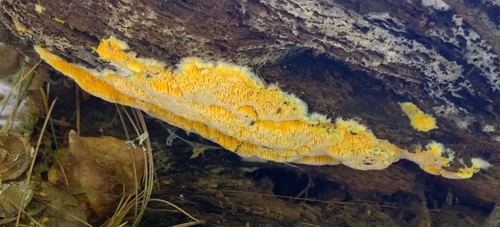
Fibroporia
Fibroporia is a genus of ten species of poroid crust fungi in the family Fomitopsidaceae. The genus contains species similar to those in genus Antrodia, but they are phylogenetically distinct.

Platismatia
Platismatia is genus of medium to large foliose lichens in the family Parmeliaceae. The genus is widespread and contains 11 species. They resemble many other genera of foliose lichens in the Parmeliaceae, particularly Parmotrema, Cetrelia, and Asahinea. Most species are found in forests on the trunks and branches of conifer trees, although some species grow on rocks.
Crustoderma
Crustoderma is a genus of crust fungi in the family Meruliaceae.
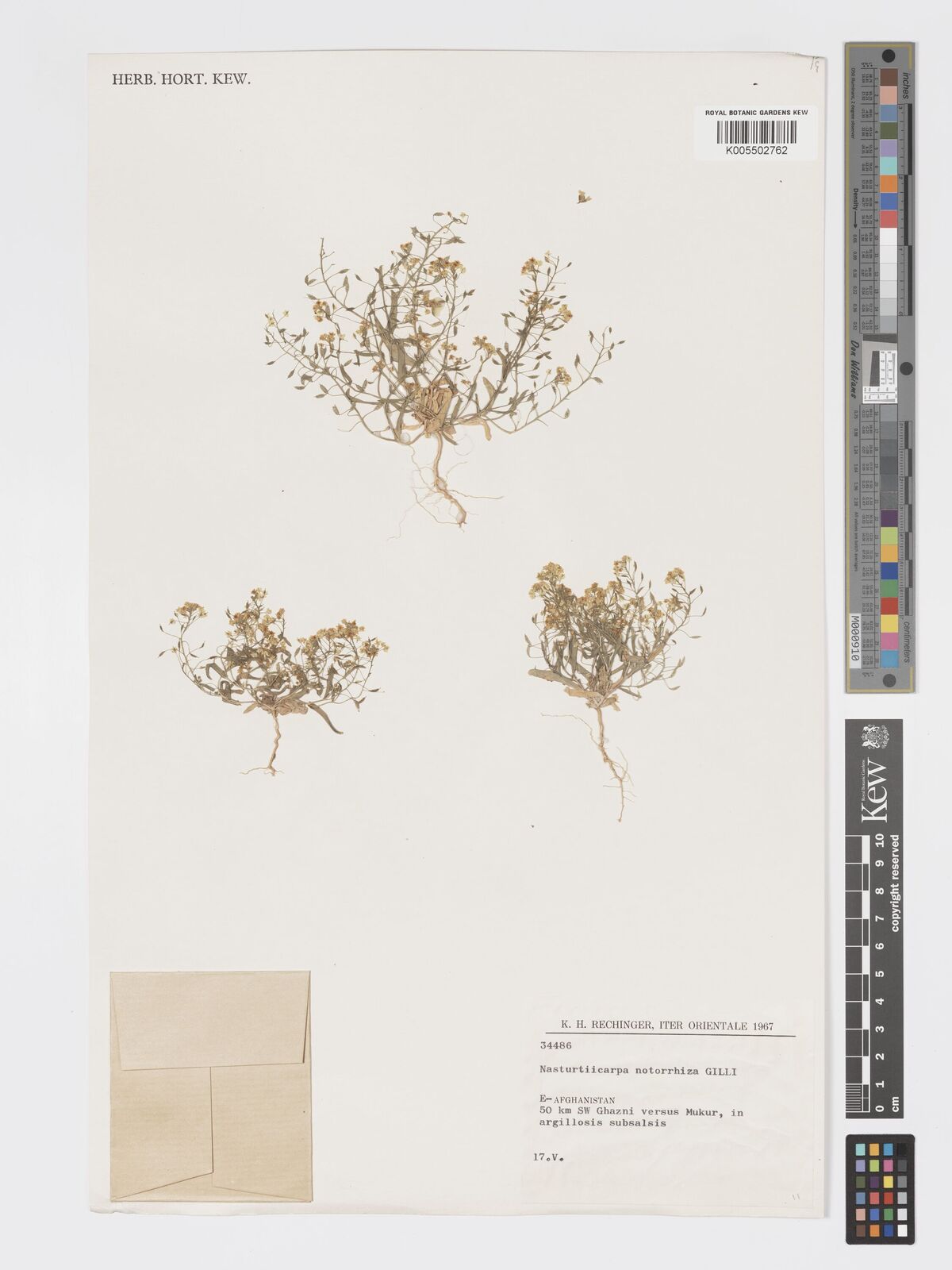
Calymmatium
Calymmatium is a genus of flowering plants belonging to the family Brassicaceae. It includes two species native to Afghanistan and Tajikistan.
Calymmatium draboides – Tajikistan (Pamir Mountains)
Calymmatium notorrhizum – eastern Afghanistan
Falcidens
Falcidens is one of three genera within the family Chaetodermatida; its radula consists of a single row of teeth which are mineralized in crystalline hydroxyapatite (a most unusual mineral in organisms), and its teeth are not periodically shed and replaced like in other molluscs.
For details of the radula, see Radula#In caudofoveates.
Steccherinaceae
The Steccherinaceae are a family of about 200 species of fungi in the order Polyporales. It includes crust-like, toothed, and poroid species that cause a white rot in dead wood.
Neoxanthops
Neoxanthops is a genus of crabs in the family Xanthidae, containing the following species:
Dentocorticium
Dentocorticium is a genus of six species of poroid fungi in the family Polyporaceae. The genus was revised in 2018, with several new species added and some older species transferred to other genera, based on phylogenetic analyses.
Pallidotettix nullarborensis
species of insect
Acanthocheira loxopa
Acanthocheira is a monotypic moth genus belonging to the family Tineidae, in which it is not assigned to a subfamily. The genus was established in 1968 by László Gozmány.

Pseudomedaeus
Pseudomedaeus is a genus of crabs in the family Xanthidae, containing the following species:
Athelopsis
Athelopsis is a genus of corticioid fungi in the family Amylocorticiaceae. The widespread genus, estimated to contain 10 species, is polyphyletic as currently circumscribed.

Cataleptodius
Cataleptodius is a genus of crabs in the family Xanthidae, containing the following species:
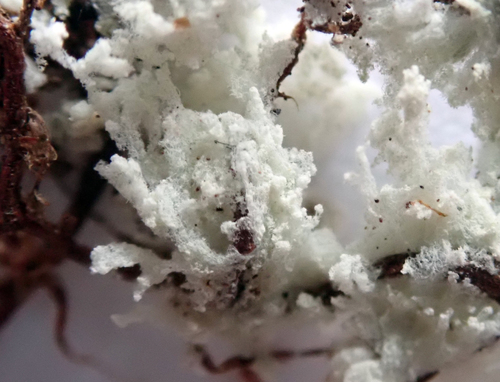
Roccellinastrum
Roccellinastrum is a genus of lichen-forming fungi in the family Ectolechiaceae. It has seven species.

Texosporium
Texosporium is a genus of lichenized fungi in the family Caliciaceae. It is a monotypic genus, containing the single species Texosporium sancti-jacobi, found in the United States. The genus is characterized by microscopic features: the ascospores are coated with a layer of cells that are derived from the paraphyses. Texosporium was originally circumscribed by Josef Nádvorník in 1942, albeit the name was not validly published. In 1968, Leif Tibell and Angelica van Hofsten published the name validly. In 2020, Texosporium sancti-jacobi was added to the global IUCN Red List, where it is classified
Lilaceophlebia
Lilaceophlebia is a genus of three species of crust fungi in the family Meruliaceae. The genus was first proposed by Erast Parmasto in 1968 as a section of the genus Phlebia. Viacheslav Spirin and Ivan Zmitrovich elevated the taxon to generic status in 2004.