Category
page 4Taxa named by John Edward Gray
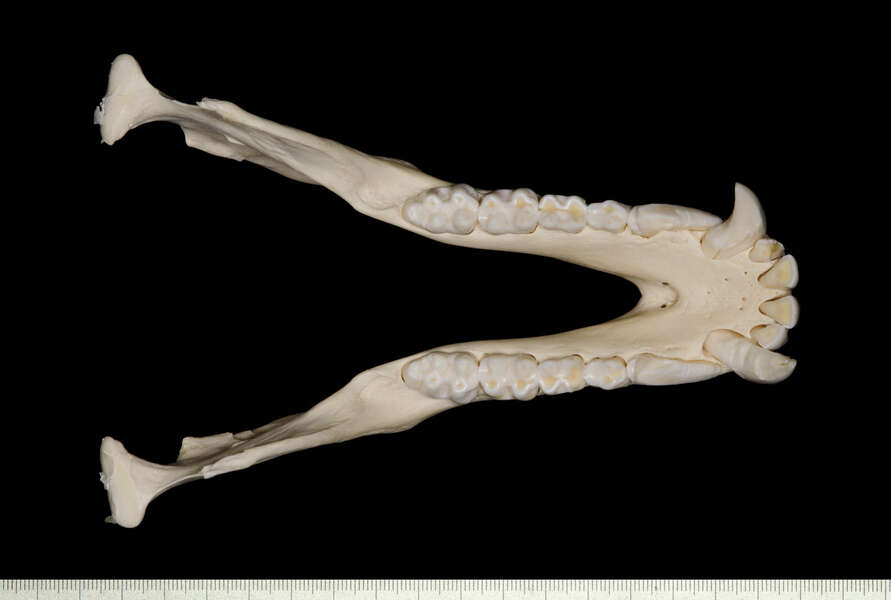
Cercopithecinae
The Cercopithecinae are a subfamily of the Old World monkeys, which comprises roughly 71 species, including the baboons, the macaques, and the vervet monkeys. Most cercopithecine monkeys are limited to sub-Saharan Africa, although the macaques range from the far eastern parts of Asia through northern Africa, as well as on Gibraltar.

Echimyidae
thumb|right|Armored rat, Hoplomys gymnurus
thumb|right|White-tailed olalla rat, Olallamys albicauda
thumb|right|Red-crested tree rat, Santamartamys rufodorsalis
Marmosa
The 29 species in the genus Marmosa are relatively small Neotropical members of the family Didelphidae. This genus is one of three that are known as mouse opossums. The others are Thylamys (the "fat-tailed mouse opossums") and Tlacuatzin, the grayish mouse opossum. Members of the genus Marmosops used to be called "slender mouse opossums", but are now just called "slender opossums". The thirteen members of the Marmosa subgenus Micoureus, known as woolly mouse opossums, were formerly considered to be a separate genus, but were moved into Marmosa in 2009. Based on a comparison of sequences of one
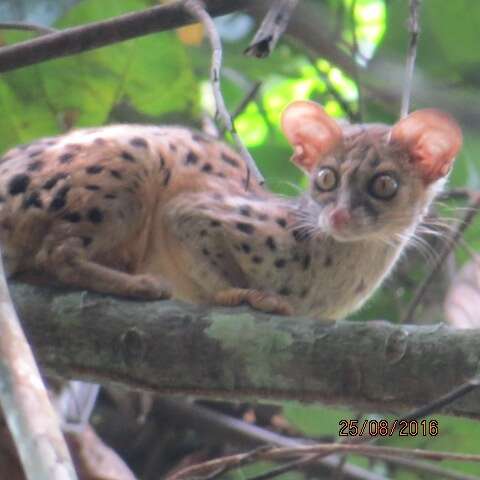
Poiana
genus of mammals
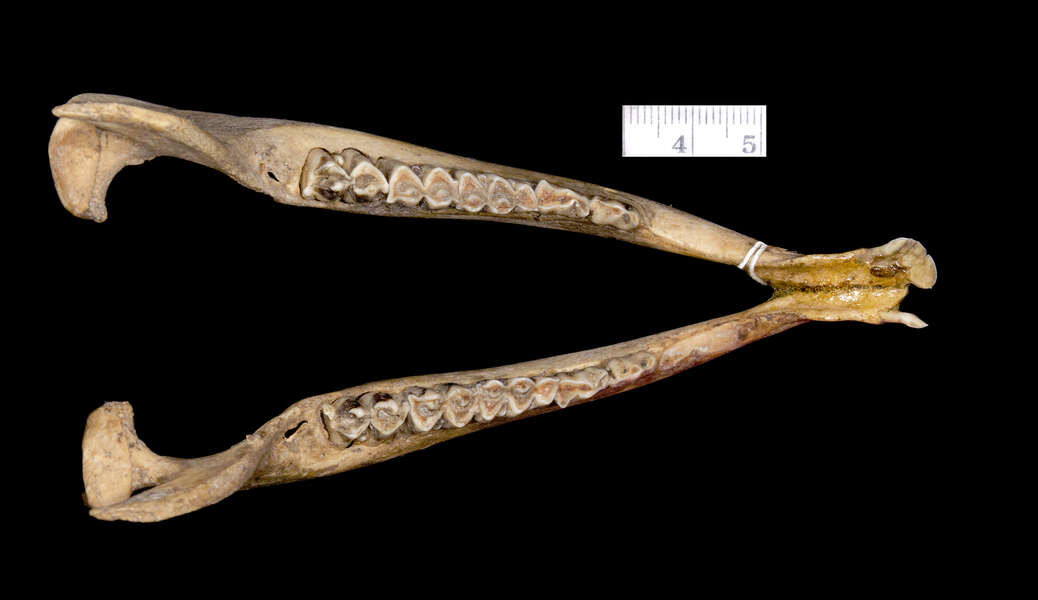
Black duiker
species of mammal
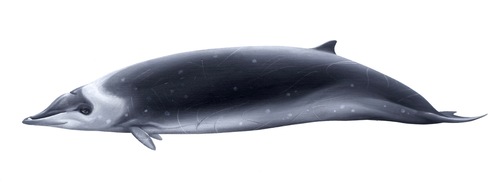
Hector's beaked whale
species of mammal

Himalayan bulbul
species of bird
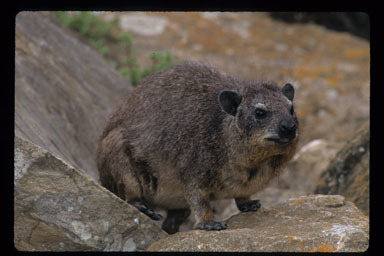
Yellow-spotted rock hyrax
species of mammal
.jpg)
Phelsuma
Phelsuma is a large genus of geckos in the family Gekkonidae. Species in the genus Phelsuma are commonly referred to as day geckos.
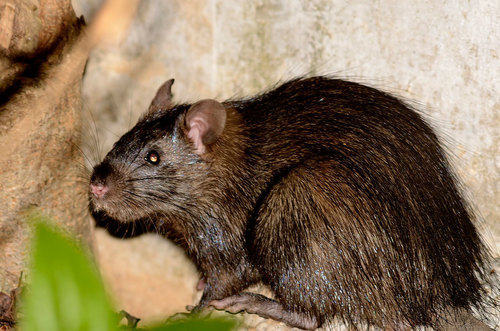
Bandicota
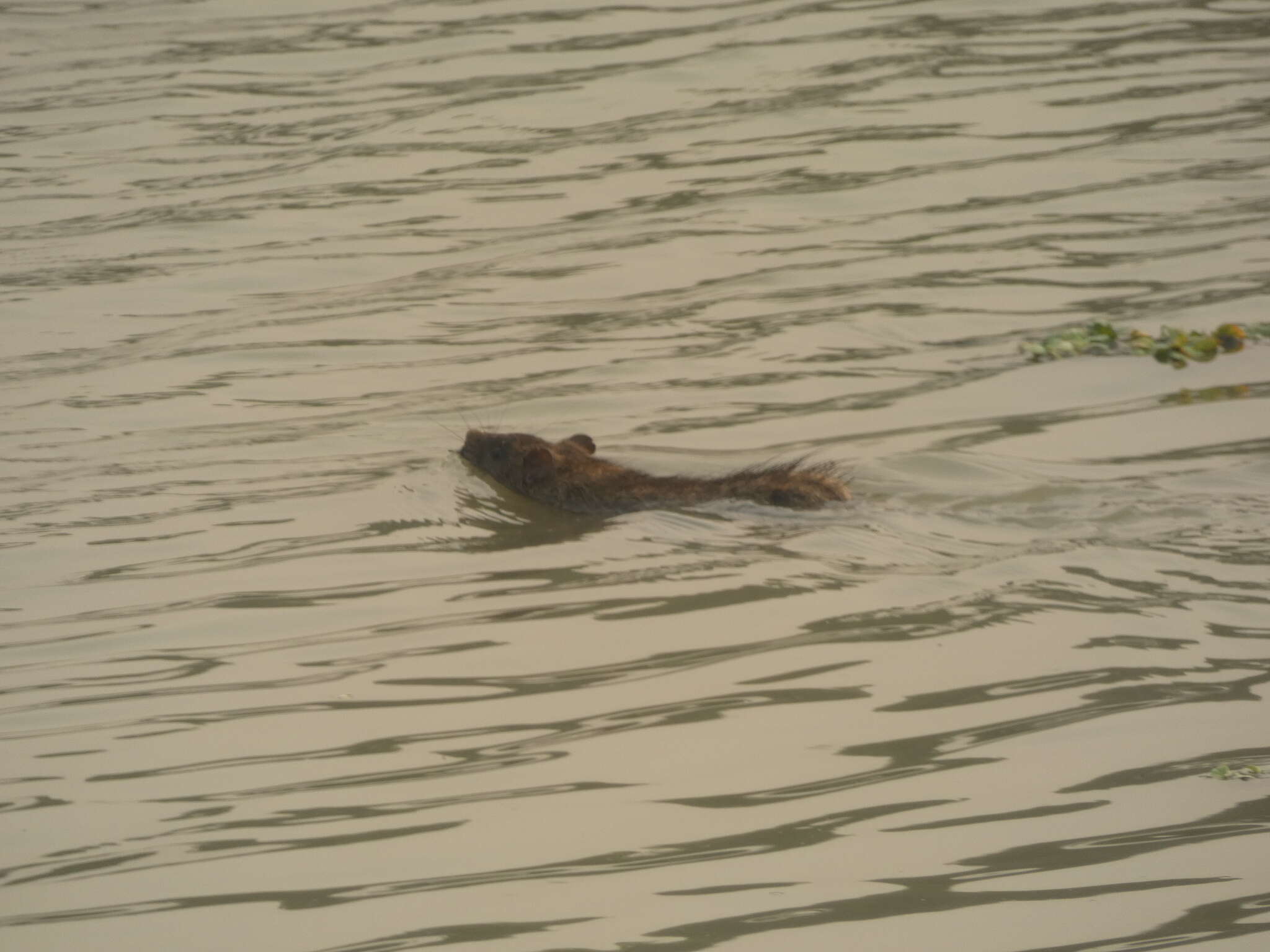
Bandicota is a genus of rodents from Asia known as the bandicoot rats. Their common name and genus name are derived from the Telugu language word pandikokku (పందికొక్కు). DNA studies have found the group to be a monophyletic clade sister to the radiation of Molucca and Australian Rattus species as part of the paraphyletic Rattus sensu lato.
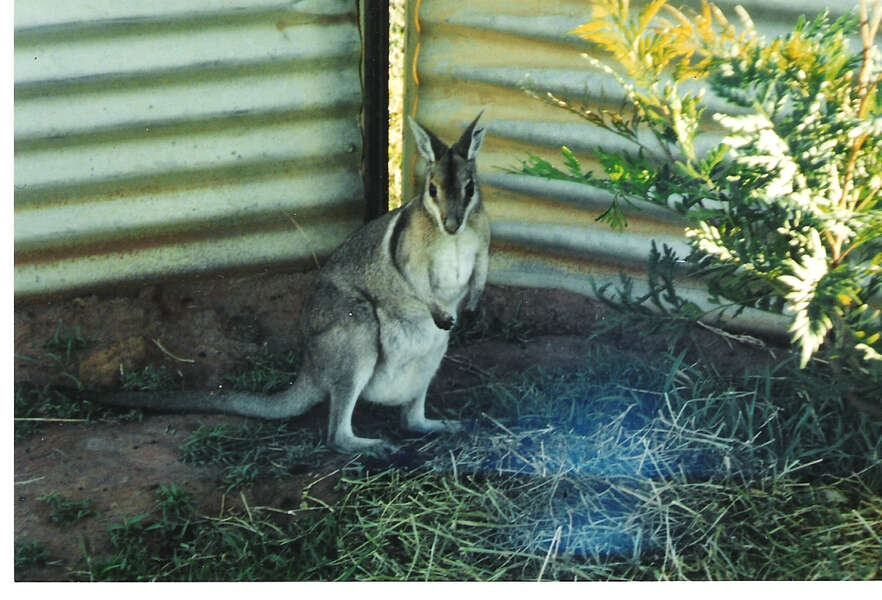
Onychogalea
genus of mammals
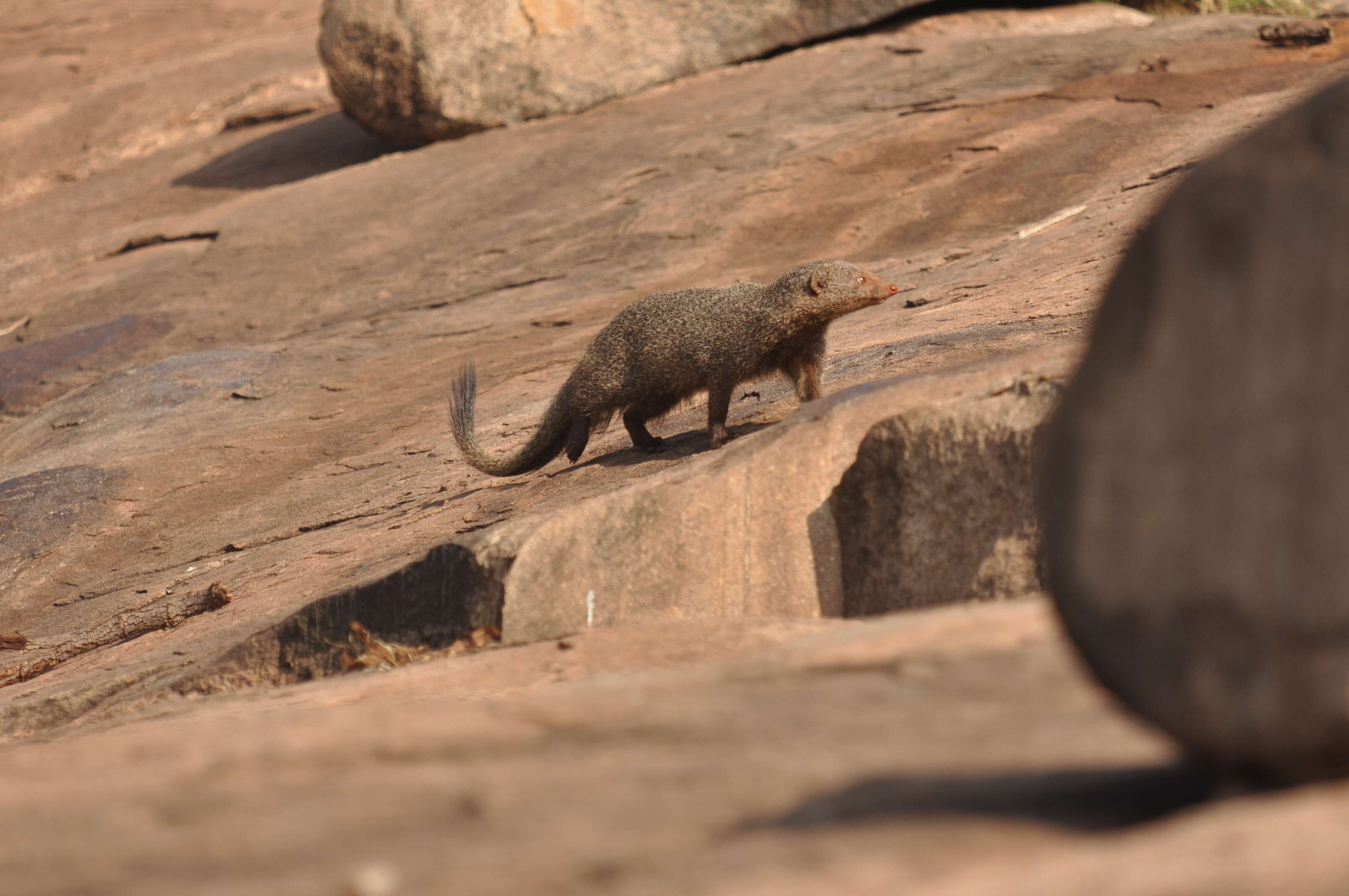
Ruddy mongoose
species of mammal

grey-cheeked mangabey
species of mammal

Mantled howler
species of mammal

screaming hairy armadillo
Species of armadillo

Chinese sturgeon
species of fish
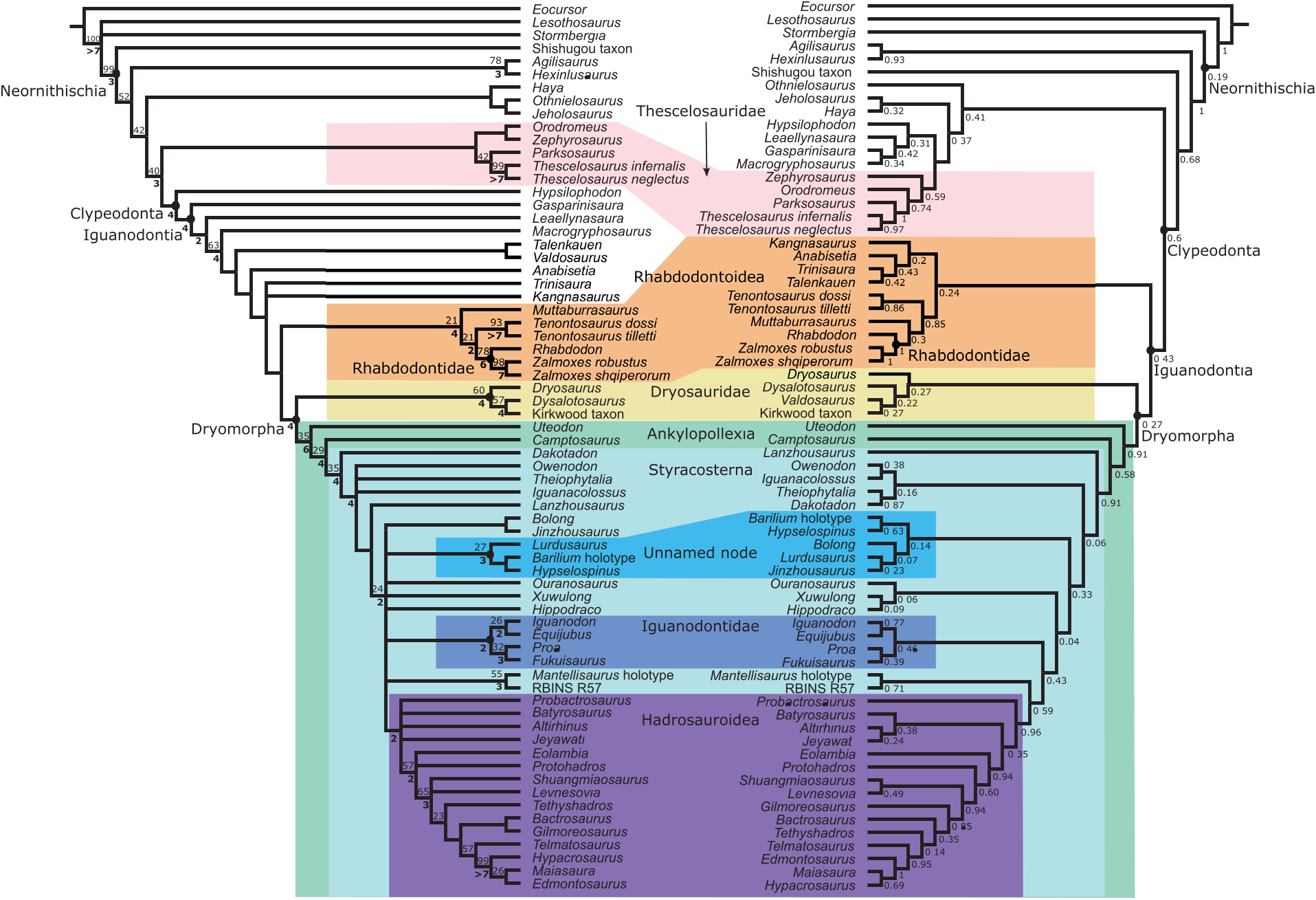
Chrysolophus
Chrysolophus is a genus of the pheasant family of birds. The genus name is from Ancient Greek khrusolophos, "with golden crest".

Pteropus livingstonii
species of mammal

Lagenorhynchus
Lagenorhynchus is a genus of oceanic dolphins in the infraorder Cetacea, that formerly contained six extant species. However, there was consistent molecular evidence that the genus is polyphyletic and several of the species moved to other genera, leaving only the white-beaked dolphin in this genus among extant species. In addition, the extinct species Lagenorhynchus harmatuki is also classified in this genus.
.jpg)
Callosciurus
Callosciurus is a genus of squirrels collectively referred to as the "beautiful squirrels". They are found mainly in Southeast Asia, though a few species also occur in Nepal, northeastern India, Bangladesh and southern China. Several of the species have settled on islands. In total, the genus contains 15 species and numerous varieties and subspecies. The genera Glyphotes, Rubrisciurus, and Tamiops have sometimes been included in Callosciurus.
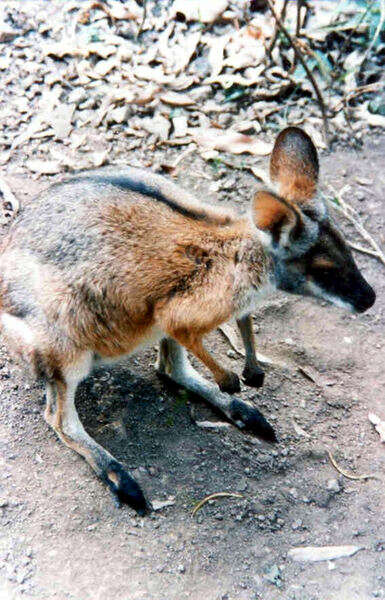
Macropus dorsalis
species of mammal

Varanus flavescens
species of reptile
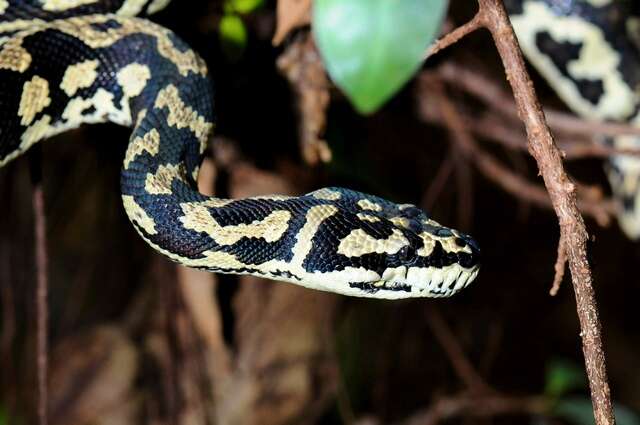
Morelia
genus of reptiles

Hexanchidae
family of fishes
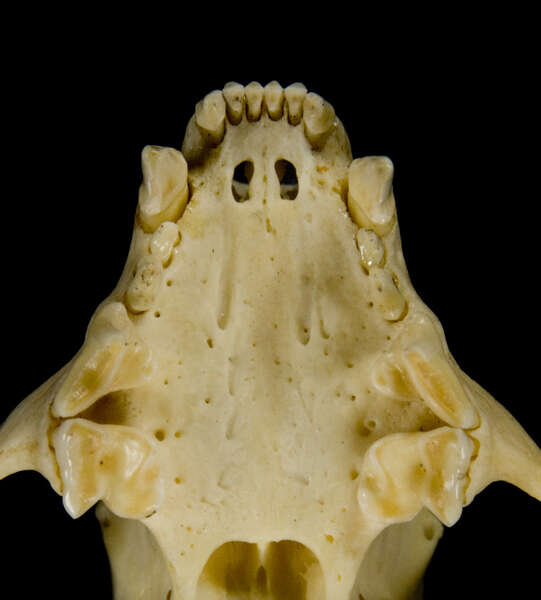
Spilogale
genus of mammals
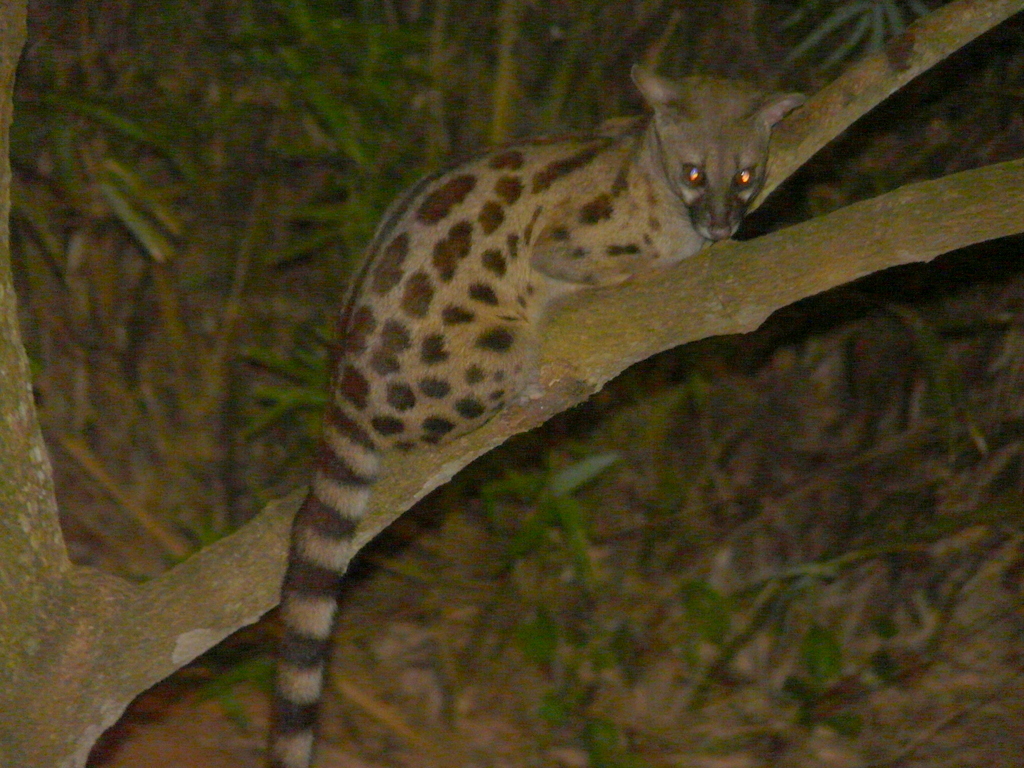
Rusty-spotted genet
species of mammal

Afghan pika
species of mammal
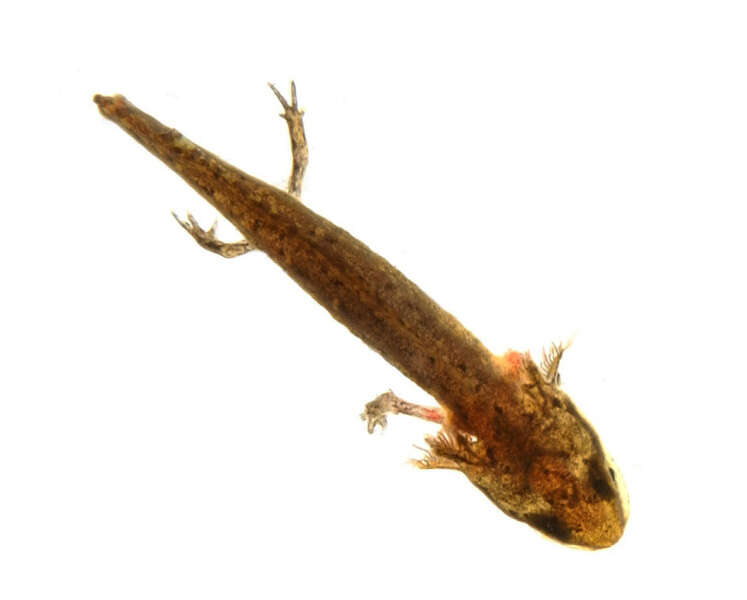
Ambystomatidae
Ambystomatidae is a family of salamanders belonging to the Suborder Salamandroidea in the class Amphibia. It contains two genera, Ambystoma (the mole salamanders) and Dicamptodon (the Pacific giant salamanders). Ambystoma contains 32 species and are distributed widely across North America, while Dicamptodon contains four species restricted to the Pacific Northwest. These salamanders are mostly terrestrial and eat invertebrates, although some species are known to eat smaller salamanders. They can be found throughout the US and some areas of Canada in damp forests or plains. This family contains
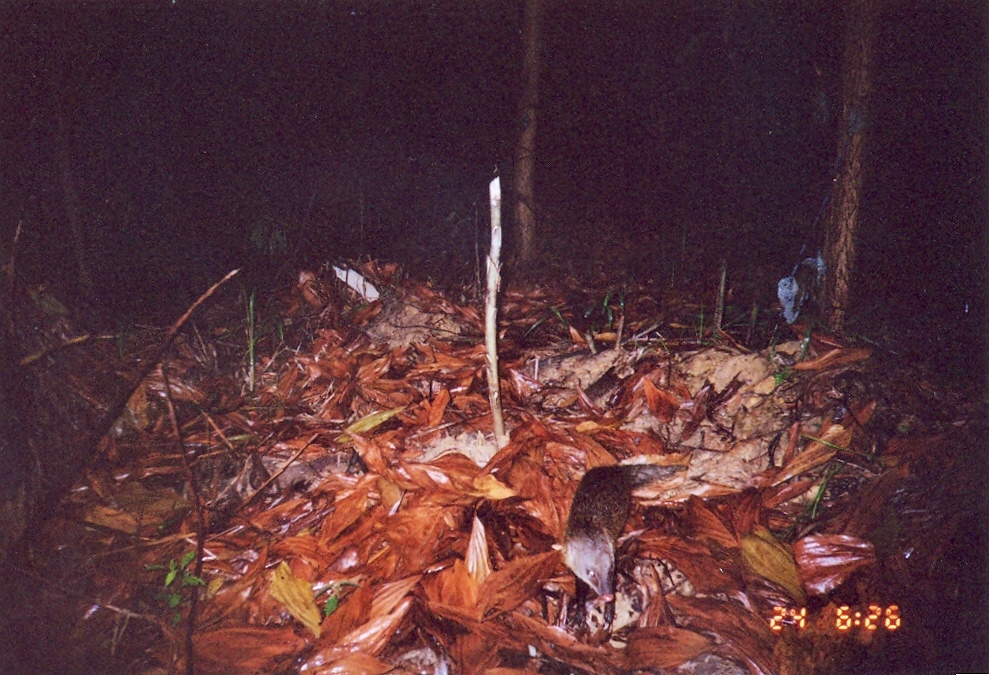
Collared mongoose
species of mammal

Varanus gouldii
species of reptile

Helogale
Helogale is a genus of the mongoose family (Herpestidae). It consists of two species and 12 subspecies:
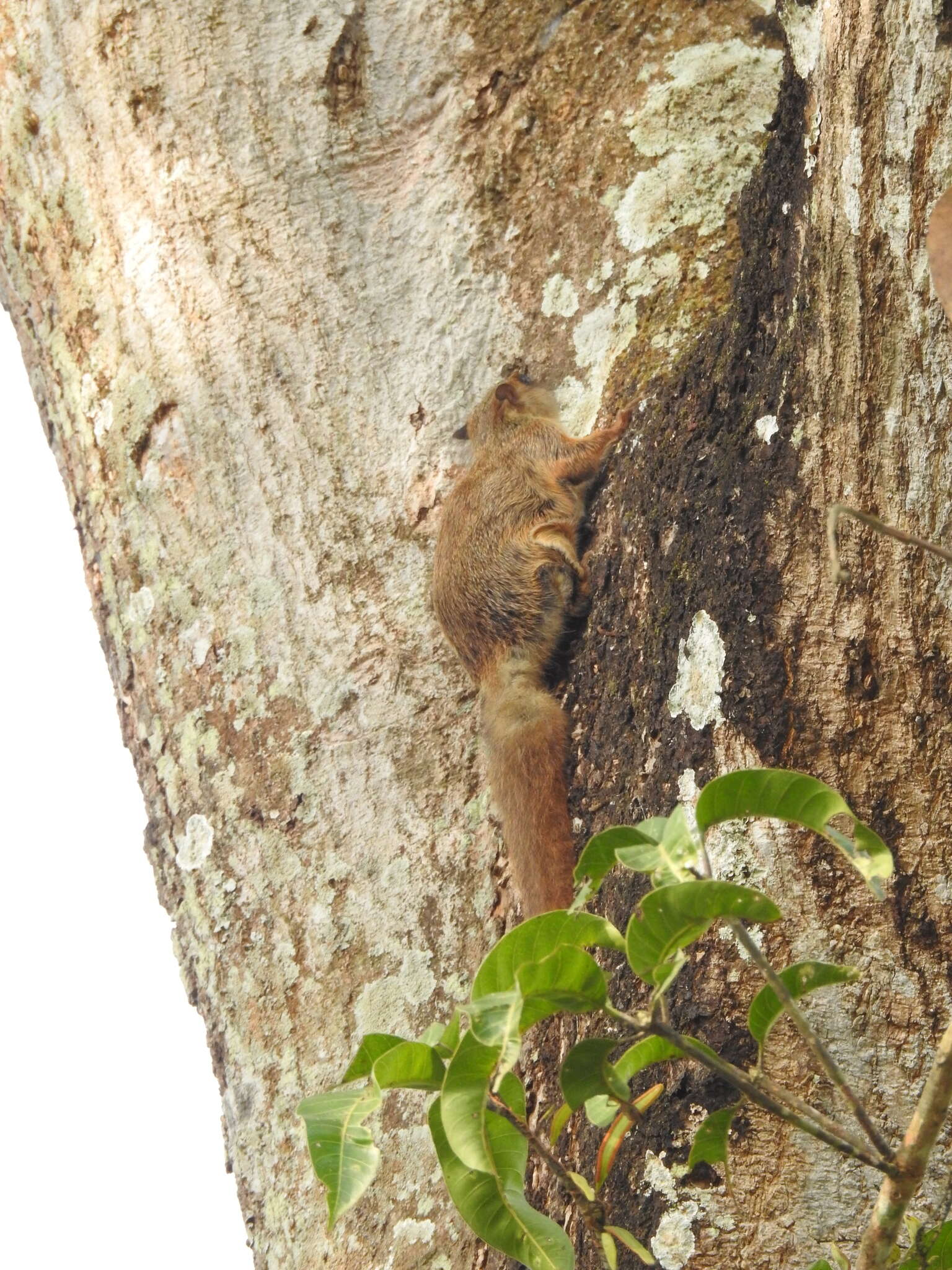
Hairy-footed flying squirrel
species of mammal

Black-fronted duiker
species of mammal

Tiliqua
genus of reptiles

Viviparidae
Viviparidae, commonly called river snails, are a family of freshwater snails with gills and a protective lid (operculum). Their family tree is complex, and genetic evidence suggesting some species in this family don't fit neatly into traditional groups. These snails are native lakes and rivers across Europe, Asia, and parts of North America. Some, like Cipangopaludina japonica, have become invasive thanks to their ability to adapt.thumb|Intact image of Viviparus contectus from Netherlands
thumb|Empty shells of Viviparidae Bellamya unicolor
thumb|Viviparidae image
==Distribution==
This family

Trimeresurus albolabris
species of reptile
loris
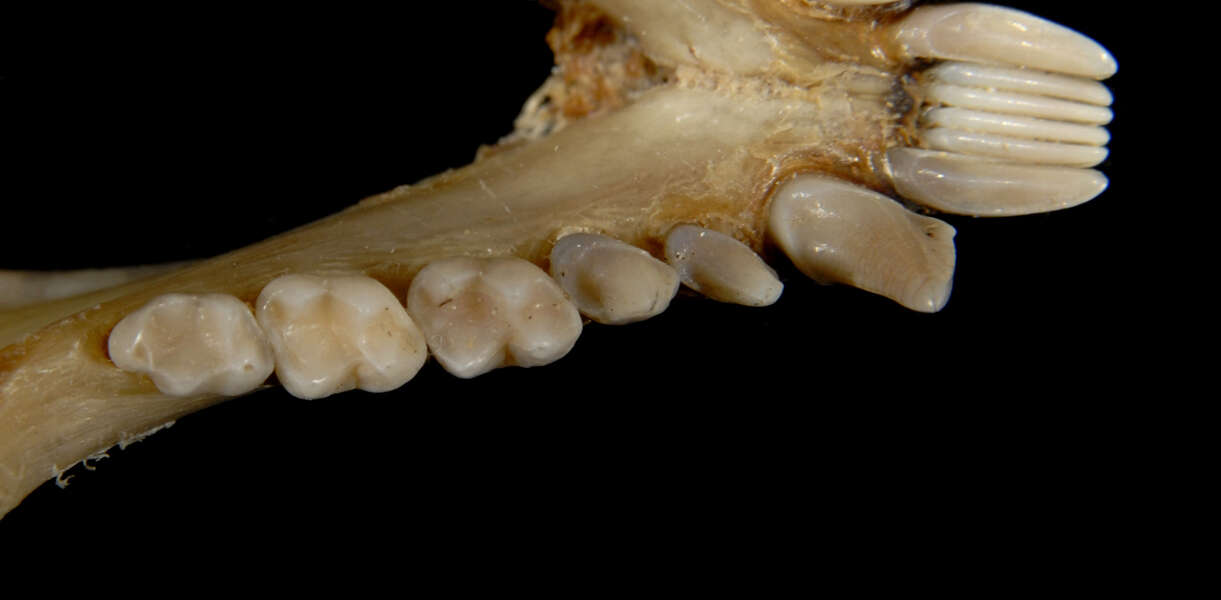
Loris is the common name for the wet-nosed primates of the subfamily Lorinae (sometimes spelled Lorisinae) in the family Lorisidae. Loris is one genus in this subfamily and includes the slender lorises, Nycticebus is the genus containing the slow lorises, and Xanthonycticebus is the genus name of the pygmy slow loris.
Lesser bandicoot rat
species of mammal

Northern river terrapin
species of reptile
Mongolian wolf
subspecies of mammal

Rufous rat-kangaroo
species of marsupial

yellow-footed rock-wallaby
member of the macropod family

Central American agouti
species of mammal

Indian bush rat
species of mammal

Streak-throated Woodpecker
species of bird

Eulemur flavifrons
species of mammal
Rousettus
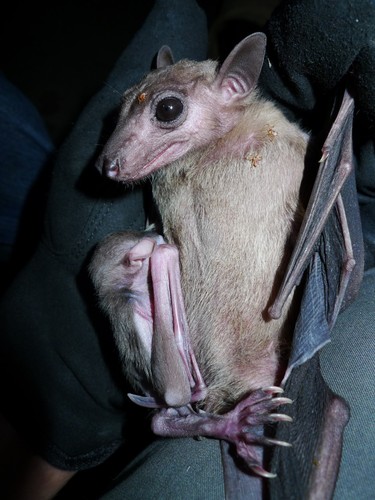
Rousettus is a genus of Old World fruit bats or megabats, referred to as rousette bats. The genus is a member of the family Pteropodidae. The genus consists of seven species that range over most of Africa to southeast Asia, and the islands of the south Pacific. They are among the few megabats capable of echolocation, and the only genus of megabats known to use vocal echolocation.

Latham’s Snipe
species of bird
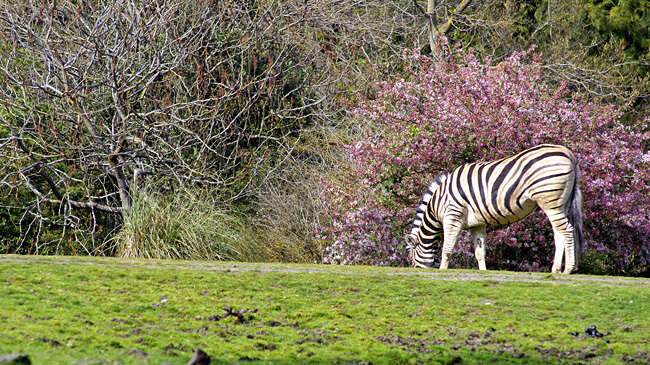
Burchell's zebra
subspecies of mammal
.jpg)
Liasis
Liasis is a genus of snakes in the family Pythonidae. Species of the genus Liasis are native to Indonesia, New Guinea and Australia. Currently, three extant species are recognized, and one giant fossil species L. dubudingala is estimated to have been around 10 m (33 ft) in length.
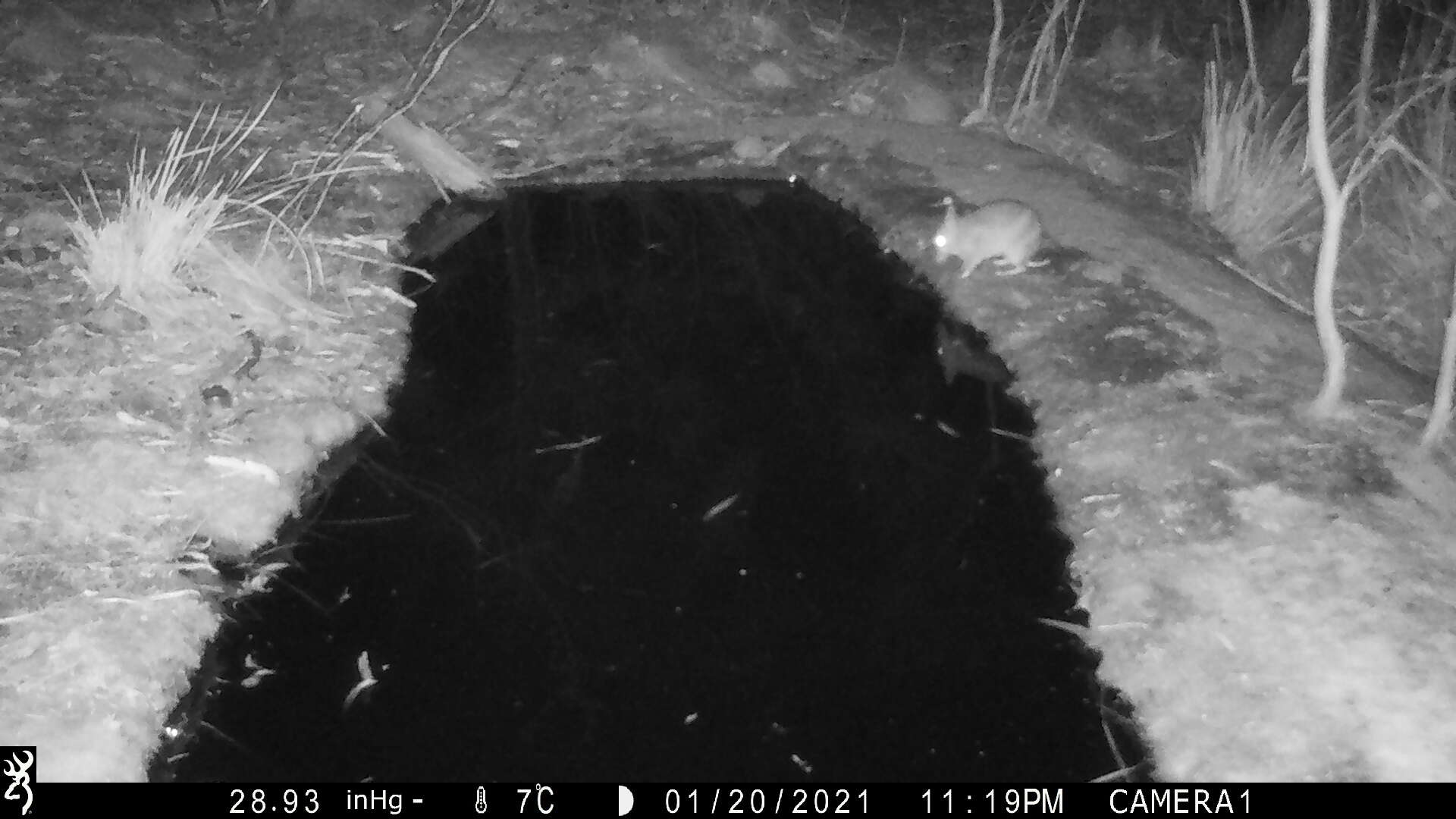
eastern barred bandicoot
species of mammal
.jpg)
Lasiorhinus
Lasiorhinus is the genus containing the two extant hairy-nosed wombats, which are found in Australia. The southern hairy-nosed wombat is found in some of the semiarid to arid regions belt from New South Wales southwest to the South Australia-Western Australia border. The IUCN categorises it as Near Threatened. Conversely, the northern hairy-nosed wombat is categorised as Critically Endangered and only survives in a range within the Epping Forest National Park in Queensland, but formerly also existed in Victoria and New South Wales. There are about 200 or less northern hairy-nosed wombat indivi

Iniidae
Iniidae is a family of river dolphins containing one living genus, Inia, and four extinct genera. The living genus lives in the river basins of South America, but the family formerly had a wider presence across the Atlantic Ocean.
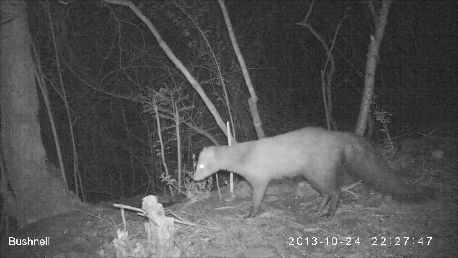
Rhynchogale melleri
species of mammal
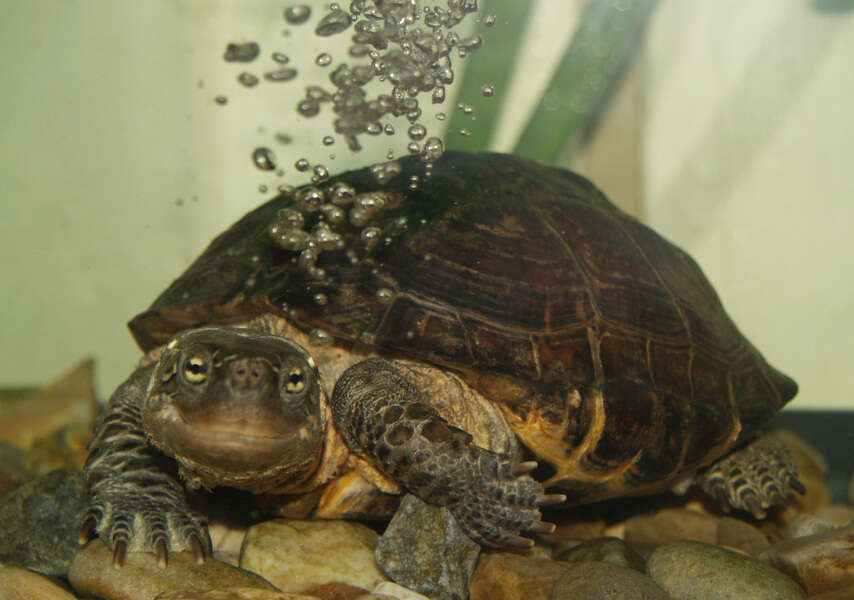
Mauremys
Mauremys is a genus of turtles in the family Geoemydidae (formerly called Bataguridae).

Paleosuchus
Paleosuchus (from Ancient Greek παλαιός (palaiós), meaning "old", and Σοῦχος (Soûkhos), meaning "Sobek") is a South American genus of reptiles in the subfamily Caimaninae of the family Alligatoridae. They are the smallest members of the order Crocodilia in the Americas.

Solomon Islands skink
species of reptile
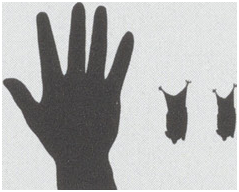
Furipteridae
Furipteridae is family of bats, allying two genera of single species, Amorphochilus schnablii (smoky bat) and the type Furipterus horrens (thumbless bat). They are found in Central and South America and are closely related to the bats in the families Natalidae and Thyropteridae. The species are distinguished by their reduced or functionless thumbs, enclosed by the wing membranes, and their broad, funnel-shaped ears. They are insectivorous and can live in many different kinds of environments. They have greyish fur, and a small nose-leaf. Like many bats, they roost in caves.
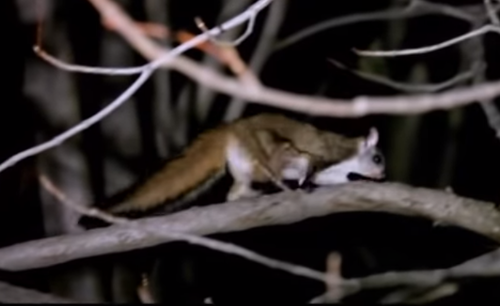
Kashmir flying squirrel
species of rodent in the Sciuridae family

Cyclura nubila
species of reptile