Category
page 1Taxonbars desynced from Wikidata
.png)
dog
The dog (Canis familiaris or Canis lupus familiaris) is a domesticated descendant of wolves. Also called the domestic dog, it was selectively bred during the Late Pleistocene by hunter-gatherers. Dogs and the modern gray wolf share a common ancestor. Dogs were the first species to be domesticated over 14,000 years ago, before the development of agriculture, though genetic studies suggest the domestication process may have begun over 25,000 years ago. Due to their long association with humans, dogs have gained the ability to thrive on a starch-rich diet that would be inadequate for other canids

Cat

human
Humans (Homo sapiens, meaning "thinking man" or "wise man") are the most common and widespread species of primate, and the only extant species of the genus Homo. They are great apes characterized by hairlessness, obligate bipedality, manual dexterity with opposable thumbs, precision grip, and high intelligence. Humans have large brains compared to body size (a high encephalization quotient), enabling more advanced cognitive skills that facilitate successful adaptation to varied environments, development of sophisticated tools, and formation of complex social structures and civilizations. Human

apple
An apple is the round, edible fruit of an apple tree (Malus spp.). Fruit trees of the orchard or domestic apple (Malus domestica), the most widely grown in the genus, are cultivated worldwide. The tree originated in Central Asia, where its wild ancestor, Malus sieversii, is still found. Apples have been grown for thousands of years in Eurasia before they were introduced to North America by European colonists. Apples have cultural significance in many mythologies (including Norse and Greek) and religions (such as Christianity in Europe).

snake
Snakes are elongated limbless reptiles of the suborder Serpentes. Cladistically squamates, snakes are ectothermic, amniote vertebrates covered in overlapping scales much like other members of the group. Many species of snakes have skulls with several more joints than their lizard ancestors and relatives, enabling them to swallow prey much larger than their heads (cranial kinesis). To accommodate their narrow bodies, snakes' paired organs (such as kidneys) appear one in front of the other instead of side by side, and most only have one functional lung. Some species retain a pelvic girdle with a
%20(8231709397).jpg)
wheat
Wheat is a group of wild and domesticated grasses of the genus Triticum (). As cereals, they are cultivated for their grains, which are staple foods around the world. Well-known wheat species and hybrids include the most widely grown common wheat (T. aestivum), spelt, durum, emmer, einkorn, and Khorasan or Kamut. The archaeological record suggests that wheat was first cultivated in the regions of the Fertile Crescent around 9600 BC.
%20male%20in%20flight.jpg)
butterfly

carrot
The carrot (Daucus carota subsp. sativus) is a root vegetable, typically orange in colour, though heirloom variants including purple, black, red, white, and yellow cultivars exist, all of which are domesticated forms of the wild carrot, Daucus carota, native to Europe and Southwestern Asia. The plant probably originated in Iran and was originally cultivated for its leaves and seeds.
smallpox
Smallpox was an infectious disease caused by Variola virus (often called Smallpox virus), which belongs to the genus Orthopoxvirus. The last naturally occurring case was diagnosed in October 1977, and the World Health Organization (WHO) certified the global eradication of the disease in 1980, making smallpox the only human disease to have been eradicated.
%20havaiana%20mini%2C%20em%20ambiente%20dom%C3%A9stico%2002.jpg)
fern
The ferns (Polypodiopsida or Polypodiophyta) are a group of vascular plants (land plants with vascular tissues such as xylem and phloem) that reproduce via spores and have neither seeds nor flowers. They differ from non-vascular plants (mosses, hornworts and liverworts) by having specialized transport bundles that conduct water and nutrients from and to the roots, as well as life cycles in which the branched sporophyte is the dominant phase.

Eurasian Goshawk
species of bird

coral
Corals are colonial marine invertebrates within the subphylum Anthozoa of the phylum Cnidaria. They typically form compact colonies of many identical individual polyps. Coral species include the important reef builders that inhabit tropical oceans and secrete calcium carbonate to form a hard skeleton.

hepatitis A
acute infectious disease of the liver
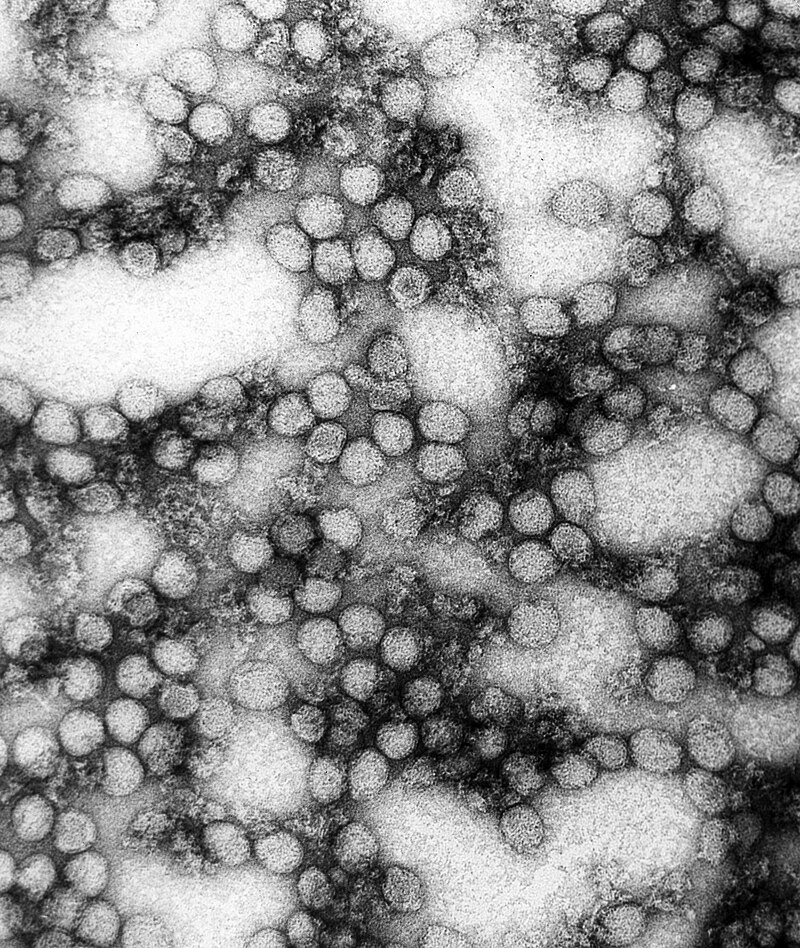
yellow fever
viral disease

apricot

Sterninae
thumb|Common tern in flight
thumb|Common tern in flight

chikungunya
Chikungunya is an infection caused by the chikungunya virus. The most common symptoms are fever and joint pain, typically occurring four to eight days after the bite of an infected mosquito. The pain has been described as "excruciating"; however some people may be infected without showing any symptoms. Other symptoms may include headache, muscle pain, joint swelling, and a rash. Symptoms usually improve within a week; however, occasionally the joint pain may last for months or years. The very young, old, and those with other health problems are at risk of more severe disease.

Bos grunniens
The yak (Bos grunniens), also known as the Tartary ox, grunting ox, hairy cattle, sarlak or sarlyk, or domestic yak, is a species of long-haired domesticated cattle found throughout the Himalayan region, the Tibetan Plateau, Tajikistan, the Pamir Mountains, and as far north as Mongolia and Siberia. It is descended from the wild yak (Bos mutus).

kumquat
Kumquats ( ), sometimes spelled cumquat in Australian English and British English, are a group of small, angiosperm, fruit-bearing trees in the family Rutaceae. The edible fruit closely resembles the orange (Citrus x sinensis) in color, texture, and anatomy, but is much smaller, being approximately the size of a large olive. They are native to southern China but have been cultivated for centuries in Japan and Southeast Asia. The kumquat is a fairly cold-hardy citrus.

Short-beaked Common Dolphin
species of mammal

Squalius cephalus
species of fish

European shag
species of bird

Cenchrus americanus
species of plant

Larinae
thumb|right|Immature (probably 2nd year) Armenian gull in flight, flying over [[Lake Sevan]]
Gulls or seagulls are seabirds of the subfamily Larinae. They are most closely related to terns and skimmers, and are placed with them in the family Laridae. They are also related, more distantly, to auks and skuas, and more distantly still to waders. Until the 21st century, most gulls were placed in the genus Larus, but that arrangement is now considered polyphyletic, leading to the readoption and revision of several genera.

Gyps rueppelli
species of bird

Rift Valley fever
human disease
-%20Breeding%20plumage%20W2%20IMG%208770.jpg)
Flamingos
Flamingos or flamingoes () are a type of wading bird in the family Phoenicopteridae, which is the only extant family in the order Phoenicopteriformes. There are four flamingo species distributed throughout the Americas (including the Caribbean), and two species native to Afro-Eurasia.

Gasterosteiformes
Gasterosteoidei is a suborder of ray-finned fishes that includes the sticklebacks and relatives. It belongs to the order Perciformes.

mole
small underground mammal feeding on larvae and insects

Pyrus pyrifolia
species of pear
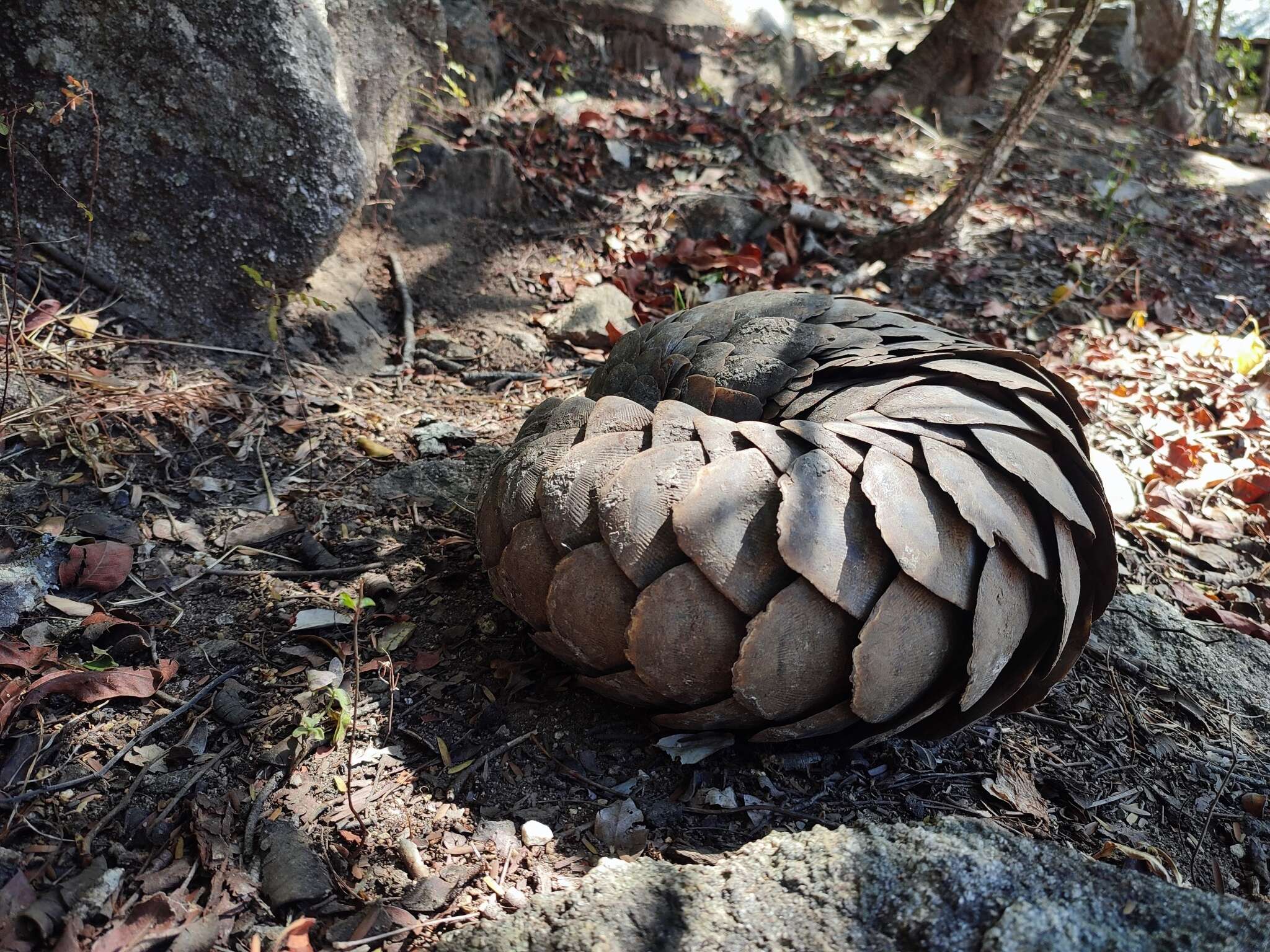
Smutsia temminckii
species of pangolin

Moluccan eclectus
species of bird

Taeniopygia guttata
species of bird

banyan
alt=The biggest tree|thumb|A banyan tree at the Naples, Florida Preserve

Monachus
genus of mammals

Curruca nana
species of bird

Yellow-tailed Black Cockatoo
species of bird

canine distemper
dog disease

Sapajus apella
species of mammal

Daspletosaurus
Daspletosaurus ( ; meaning "frightful lizard") is a genus of tyrannosaurid dinosaur that lived in Laramidia between about 77 and 74.4 million years ago, during the Late Cretaceous Period. The genus Daspletosaurus contains three named species. Fossils of the earlier type species, D. torosus, have been found in Alberta, while fossils of a later species, D. horneri, have been found in Montana and Alberta. D. wilsoni has been suggested as an intermediate species between D. torosus and D. horneri that evolved through anagenesis, though further research may be required to definitively support the th

Jacobaea vulgaris
species of flowering plant in the daisy family Asteraceae

Nannopterum auritum
species of aquatic bird

rinderpest
Rinderpest (also cattle plague or steppe murrain) was an infectious viral disease of cattle, domestic water buffalo, and many other species of even-toed ungulates, including gaurs, buffalo, bison, antelope, deer, giraffes, wildebeests, and warthogs. The disease was characterized by fever, oral erosions, diarrhea, lymphoid necrosis, and high mortality. Death rates during outbreaks were usually extremely high, approaching 100% in immunologically naïve populations. Rinderpest was mainly transmitted by direct contact and by drinking contaminated water, although it could also be transmitted by air.

Jackson's Chameleon
species of reptile

grasshopper
Grasshoppers are a group of insects belonging to the suborder Caelifera. They are amongst what are possibly the most ancient living groups of chewing herbivorous insects, dating back to the early Triassic, around 250 million years ago.

Spruce Grouse
species of bird

Lolium arundinaceum
species of plant
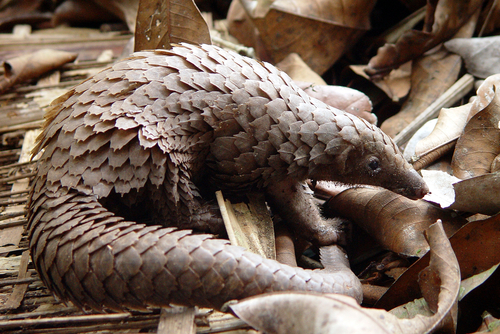
Phataginus tricuspis
species of pangolins in the genus Phataginus, previously assigned to the genus Manis

Hypsilophodon
Hypsilophodon (; meaning "high-crested tooth") is a neornithischian dinosaur genus from the Early Cretaceous period of England. It has traditionally been considered an early member of the group Ornithopoda, but recent research has put this into question.
bluetongue disease
type of disease that afflicts ruminants

Flightless Cormorant
species of bird

blue-throated barbet
species of bird

Macrouridae
Macrouroidei is a suborder of deep sea fish, a diverse and ecologically important group, which are part of the order of cod-like fish, the Gadiformes. The species in the Macrouroidei are characterised by their large heads which normally have a single barbel on the chin, projecting snouts, and slender bodies that taper to whip-like tails, without an obvious caudal fin but what there is of the caudal fin is often confluent with the posterior dorsal and anal fins. There are normally two dorsal fins, the anterior dorsal fin is quite high, the posterior quite low but is longer and takes up a greate

Citrus trifoliata
species of plant

Neotropic cormorant
species of bird
Galápagos tortoise
Chelonoidis species complex in the Galápagos Islands; species with many subspecies
Helopsaltes certhiola
species of bird

giant squid
species of decapod cephalopods

mouflon
The mouflon or moufflon (Ovis gmelini) is a wild sheep native to Cyprus, two separate parts of Turkey, Armenia, Azerbaijan, Georgia and Iran.It is also found in parts of Europe. It is thought to be the ancestor of all modern domestic sheep breeds.

Lavender Waxbill
species of bird