Category
page 1Theraphosidae genera

Avicularia
Avicularia is a genus of the family Theraphosidae containing various species of arboreal tarantulas. The genus is native to Panama, the Caribbean, and tropical South America. Each species in the genus has very distinguishable pink foot pads.

Brachypelma
Brachypelma is a genus of spiders in the family Theraphosidae (tarantulas). They may have bodies up to long with legs of similar or greater lengths. Some species have brightly colored legs, with red or orange marks and rings.

Theraphosa
Theraphosa is a genus of South American tarantulas that was first described by Charles Athanase Walckenaer in 1805. The Theraphosa spiders are some of the largest known to science. it contains three species, found in Guyana, Brazil, Venezuela, and Colombia. They stridulate by rubbing setae on their pedipalps and legs.
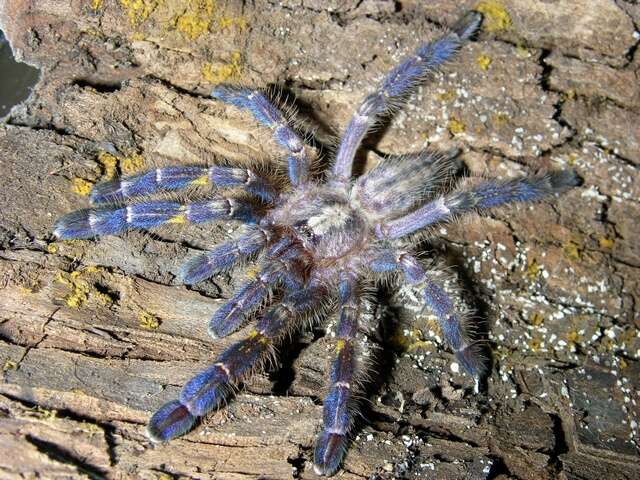
Poecilotheria
Poecilotheria is a genus of tarantulas native to India and Sri Lanka. It was first described by Eugène Louis Simon in 1885. They are arboreal tarantulas, commonly known as ornamental tarantulas, known for their vivid color patterns, fast movement, and potent venom compared to other tarantulas. all species are protected under CITES.

Aphonopelma
Aphonopelma is a genus of tarantulas native to the Americas. It includes nearly all the North American tarantula species north of Mexico and a considerable percentage of the tarantula species that range into Central America. Most are fairly large tarantulas with leg spans of 6 in (16 cm) or more. Like most New World tarantulas, all species of Aphonopelma have urticating hairs. Despite their fearsome appearance, these tarantulas are not harmful to humans and some species are popular in the pet trade. With about 90 species described so far, Aphonopelma comprises about 10% of the total numbe
Grammostola
Grammostola is a genus of South American tarantulas that was first described in text by Eugène Louis Simon in 1892. These medium- to large-sized spiders are native to tropical South America, and are usually brown in color, with pinkish or orangish-red hairs. The very docile Chilean rose tarantula (Grammostola rosea) is popular as a beginner's spider among tarantula enthusiasts.

Psalmopoeus
Psalmopoeus is a genus of the family Theraphosidae containing various species of tarantulas. The genus is native to South America, Central America, Trinidad and Tobago, and Mexico.
Nhandu
Nhandu is a genus of South American tarantulas that was first described by S. Lucas in 1983. Brazilopelma was synonymized with it in 2001.

Pterinochilus
Pterinochilus is a genus of baboon spiders that was first described by Reginald Innes Pocock in 1897. They are found all throughout Africa.
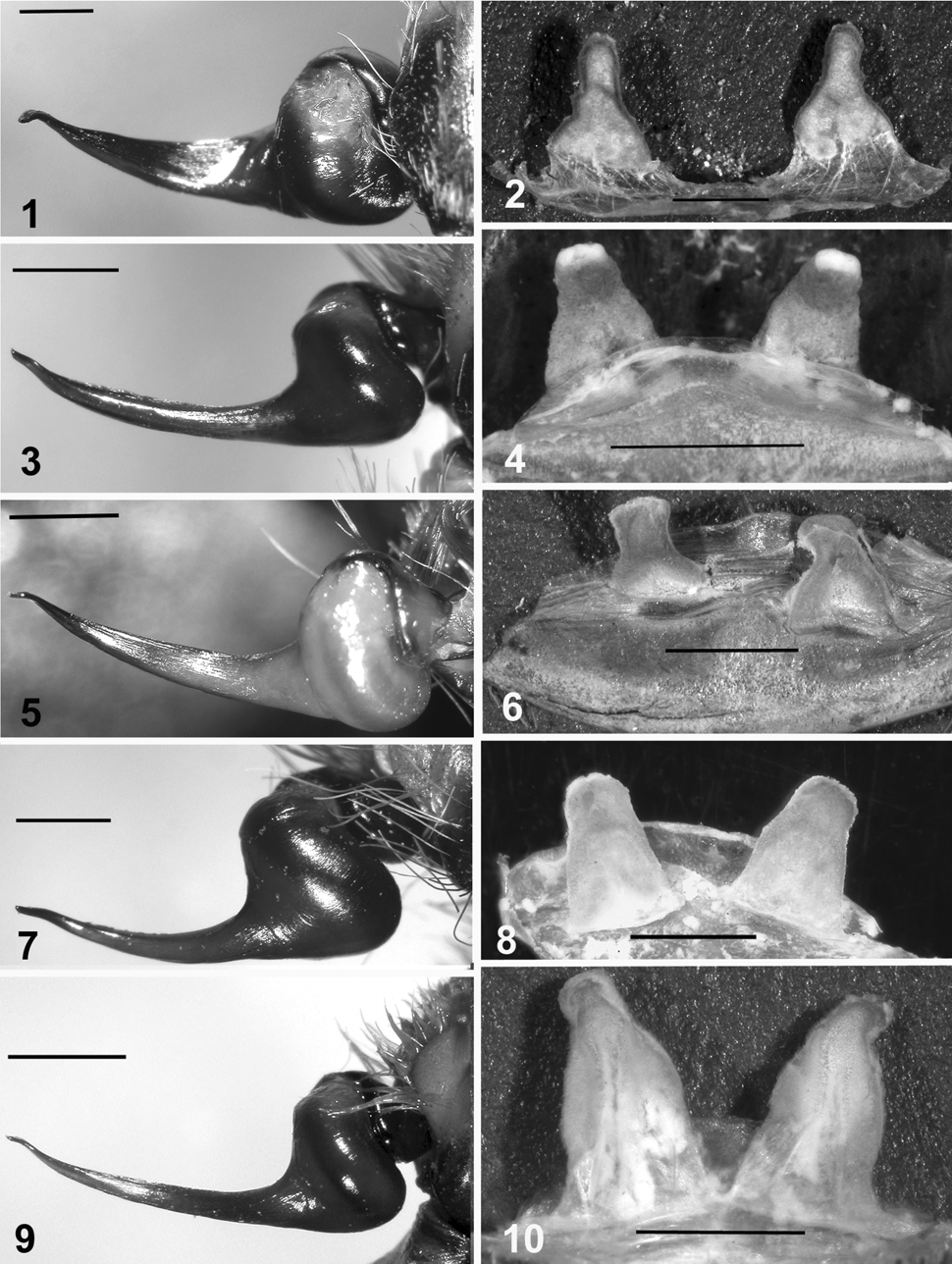
Ephebopus
Ephebopus is a genus of northeastern South American tarantulas that was first described by Eugène Louis Simon in 1892. Its relation to other tarantulas is one of the most uncertain in the family, and it has been frequently moved around and has been placed in each of the eight subfamilies at least once.

Chilobrachys
Chilobrachys is a genus of Asian tarantulas that was first described by Ferdinand Anton Franz Karsch in 1892. They are found in India, Myanmar, Malaysia, China, Vietnam, Thailand and Sri Lanka. They are usually medium or large-sized, and they can stridulate by using small spines present on the chelicerae.

Acanthoscurria
Acanthoscurria is a genus of tarantulas that was first described by Anton Ausserer in 1871. They are found throughout South America including the countries of Argentina, Bolivia, Brazil, Ecuador, French Guiana, Guyana, Paraguay, Peru, Suriname and Venezuela, plus into the Windward Islands West Indies, .
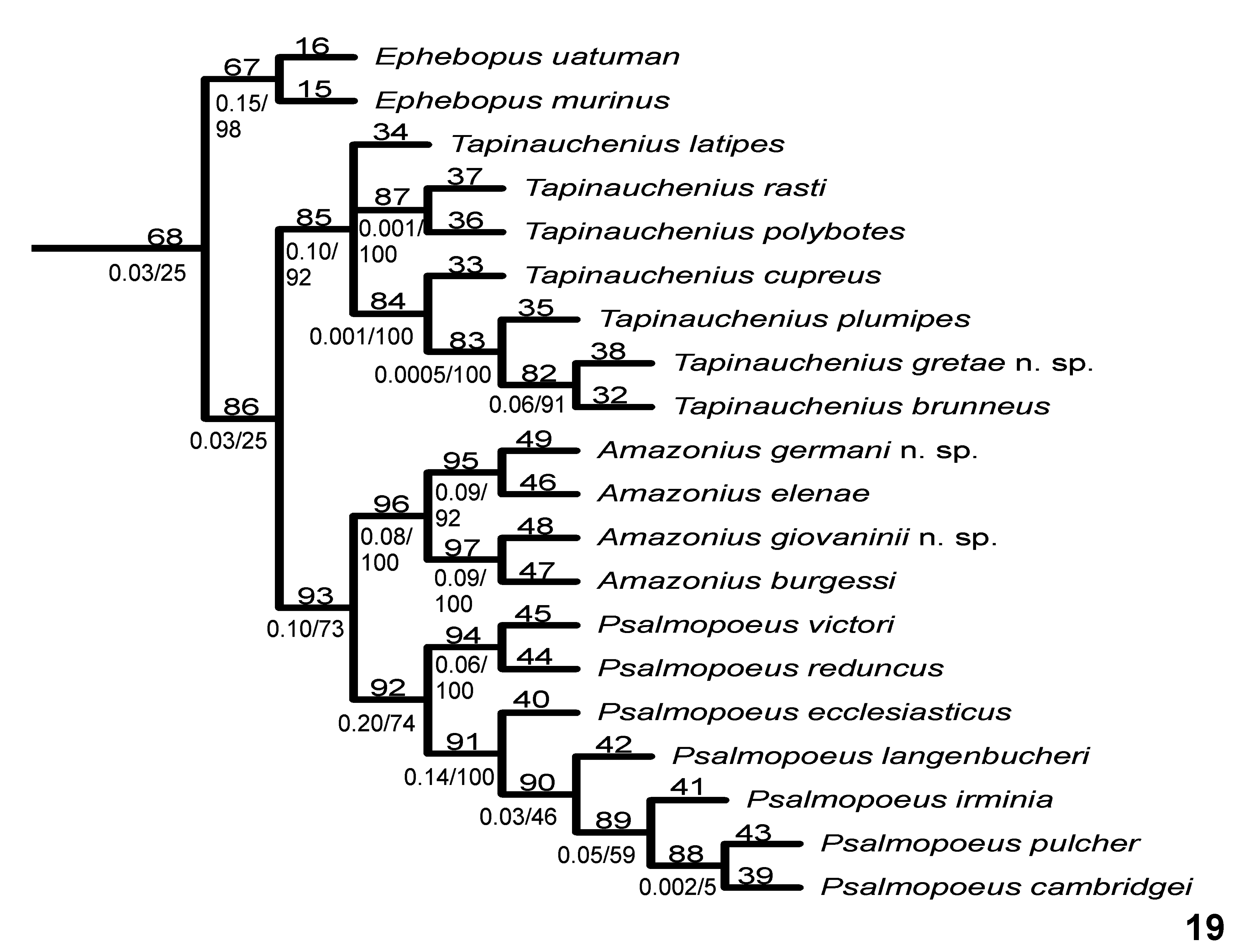
Tapinauchenius
Tapinauchenius is a genus of tarantulas (family Theraphosidae) that was first described by Anton Ausserer in 1871. The name is a combination of the Greek , meaning "low", and , meaning "neck". In 2022, the genus Pseudoclamoris was transferred to Tapinauchenius.
Chaetopelma
Chaetopelma is a genus of tarantulas that was first described by Anton Ausserer in 1871. They are found in Africa, Europe, and Asia including the countries of Turkey, Syria, Egypt, Cyprus, Israel, Greece, Sudan, Cameroon, and Iran.

Ceratogyrus
Ceratogyrus is a genus of tarantulas found in southern Africa. They are commonly called horned baboons for the foveal horn found on the peltidium in some species.

Lasiodora
Lasiodora is a genus of tarantulas that was first described by Ludwig Carl Christian Koch in 1850. They are often very large; body lengths of up to , including the legs, are not unusual.
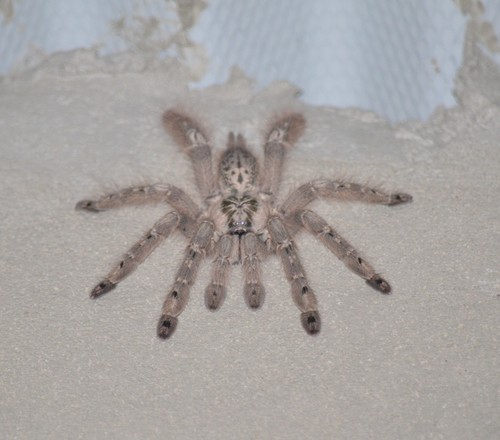
Heteroscodra
Heteroscodra is a genus of Central African tarantulas that was first described by Reginald Innes Pocock in 1900. Like many Old World tarantulas, they have a strong venom, and can inflict a painful bite. it contains two species, found in Africa: H. crassipes and H. maculata.

Pamphobeteus
Pamphobeteus is a genus of tarantulas that was first described by Reginald Innes Pocock in 1901. It includes some of the largest spiders in the world. They are found in South America, including the countries of Peru, Bolivia, Ecuador, Brazil, Colombia and Panama.
Acanthopelma
Acanthopelma is a genus of tarantulas that was first described by Frederick Octavius Pickard-Cambridge in 1897. it contains two species, found in Central America and South America: A. beccarii and A. rufescens. This genus was established following the discovery of a specimen of A. rufescens, a single male collected in Guatemala.
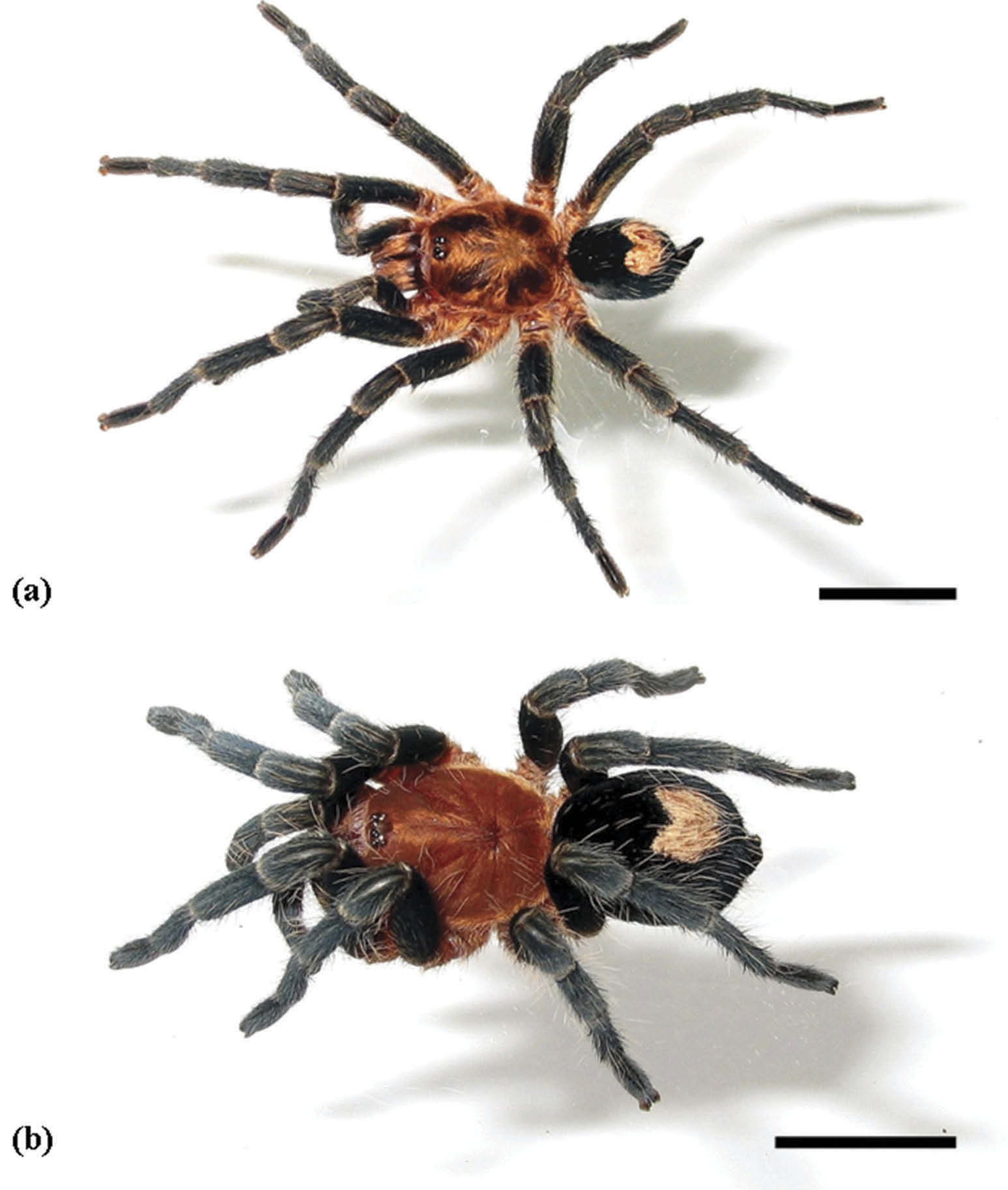
Cyriocosmus
Cyriocosmus is a genus of tarantulas that was first described by Eugène Louis Simon in 1903. They are small to medium spiders, with a bicolored or one same color carapace.
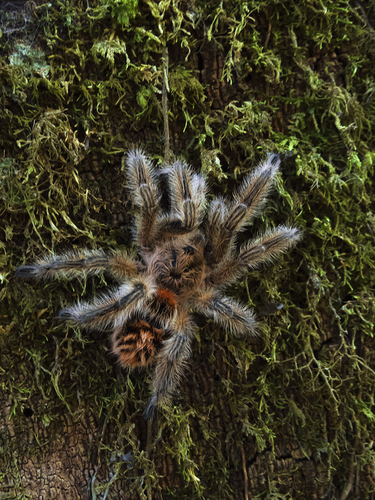
Euathlus
Euathlus is a genus of South American tarantulas that was first described by Anton Ausserer in 1875. These spiders are medium sized and are usually found in high elevations in the Andes. It is a senior synonym of Paraphysa, and was formerly considered a senior synonym of Brachypelma, but this was later rejected.
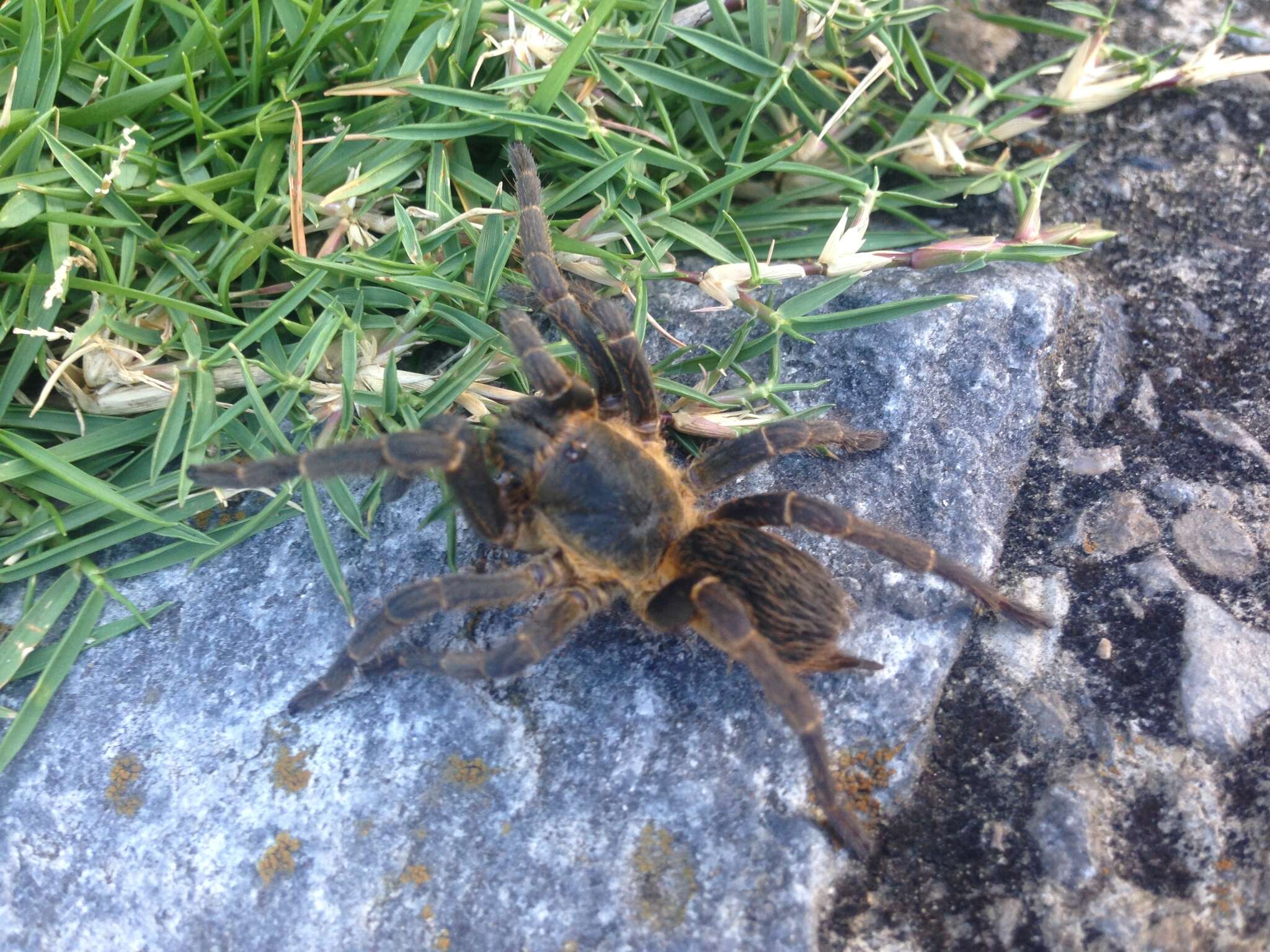
Cyclosternum
Cyclosternum is a genus of tarantulas that was first described by Anton Ausserer in 1871.

Hapalopus
Hapalopus is a genus of tarantulas that was first described by Anton Ausserer in 1875.
Hysterocrates
Hysterocrates is a genus of African tarantulas that was first described by Eugène Louis Simon in 1892.
Xenesthis
Xenesthis is a genus of tarantulas that was first described by Eugène Louis Simon in 1891. it contains five species, found in Colombia and Venezuela, though it was previously considered to be found in Panama.
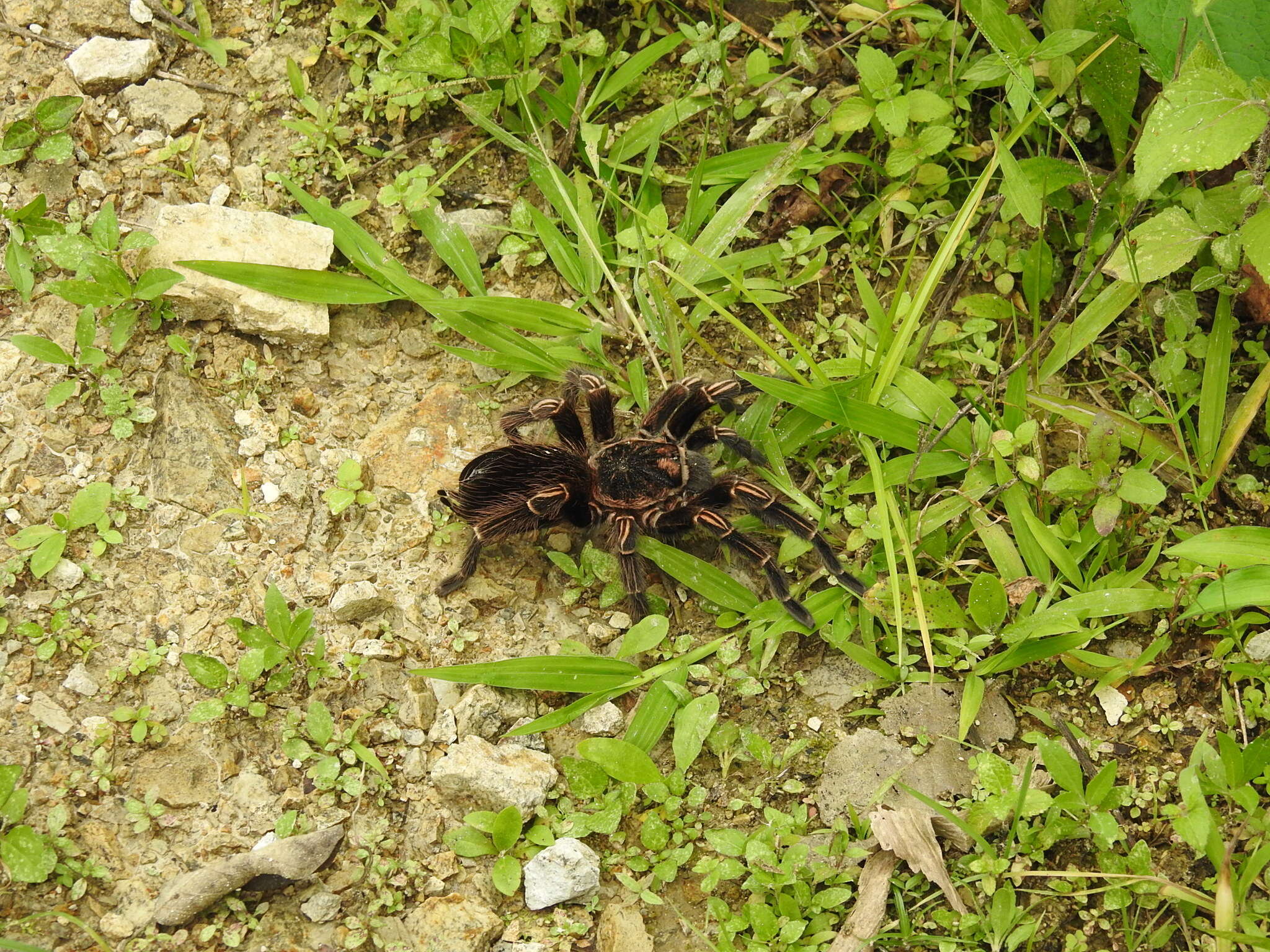
Lasiodorides
Lasiodorides is a genus of South American tarantulas that was first described by Günter E. W. Schmidt & B. Bischoff in 1997.
Haploclastus
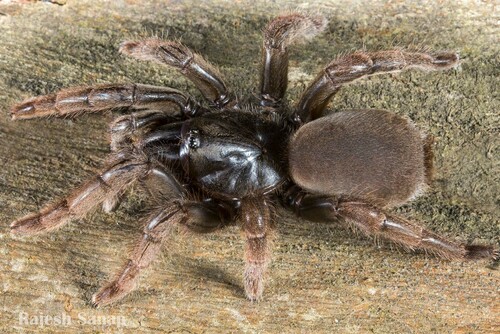
Haploclastus is a genus of Indian tarantulas (family Theraphosidae) that was first described by Eugène Simon in 1892. The genus Phlogiodes has been synonymized with Haploclastus by some authors.

Bonnetina
Bonnetina is a genus of Mexican tarantulas that was first described by F. Vol in 2000.
Monocentropus
Monocentropus is a genus of tarantulas that was first described by Reginald Innes Pocock in 1897. it officially contains two species, found in Madagascar and in Yemen: M. balfouri and M. lambertoni. Though recently, the position of M. lambertoni has been put into question, being deemed an incerta sedis.

Selenocosmia
Selenocosmia is a genus of tarantulas that was first described by Anton Ausserer in 1871. The genus is found in China, New Guinea, Australia, Indonesia, Myanmar, Malaysia, Laos, Vietnam, Philippines, India and Pakistan. They are commonly referred to as whistling or barking spiders, due to their ability to stridulate using lyra hairs.

Phormictopus
Phormictopus is a genus of spiders in the family Theraphosidae (tarantulas) that occurs in the West Indies, mainly Cuba and Hispaniola, with three species probably misplaced in this genus found in Brazil and Argentina.

Pachistopelma
Pachistopelma is a genus of Brazilian tarantulas that was first described by Reginald Innes Pocock in 1901. it contains two species, found in Brazil: P. bromelicola and P. rufonigrum. They have a straight front eye row and males have a spinose spur on the first tibia. Females have two spermathecae lacking lobes or constrictions that have a slight curvature in the middle.
Megaphobema
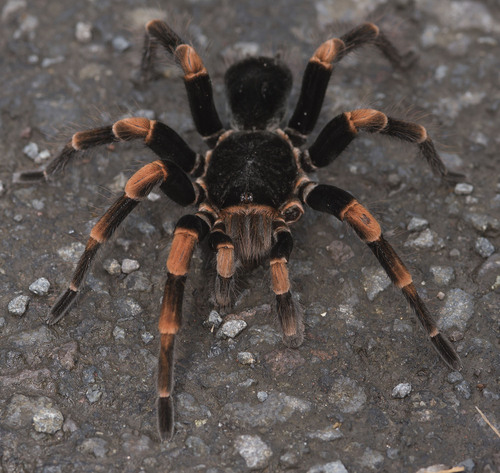
Megaphobema is a genus of tarantulas that was first described by Reginald Innes Pocock in 1901. They look similar to members of Pamphobeteus except for its legs; the third and fourth pairs of legs are much larger and stronger than the first two pairs.
Citharacanthus
Citharacanthus is a genus of New World tarantulas. They are found in Central America and the Antilles.

Vitalius
Vitalius is a genus of South American tarantulas that was first described by S. Lucas, P. I. da Silva Jr. & Rogério Bertani in 1993.

Hemirrhagus
Hemirrhagus is a genus of Mexican tarantulas that was first described by Eugène Louis Simon in 1903. It is considered a senior synonym of Spelopelma. Species of the genus Hemirrhagus are 5 to 12 cm long, usually black in colour, the urticating hairs on the opisthosoma are arranged in one dorsomedian patch, two dorsal paramedian patches, or two lateral patches. It is unique amongst the theraphosine genera because of the retrolateral coxal heels, the shape of the male palpal bulb, and the urticating hairs on the abdomen are reduced or completely missing. It is the only genus with epigean, troglo
Lampropelma
Lampropelma is a genus of Indonesian tarantulas that was first described by Eugène Louis Simon in 1892. it contains two species, found in Indonesia.
Sericopelma
Sericopelma is a genus of tarantula (family Theraphosidae), found in Central America from Nicaragua to Panama. The limits of the genus and its distribution have long been confused; it is closely related to the genus Aphonopelma. Sericopelma species are among the largest found in Central America. They can be kept as pets, although at least one species has been described as "very aggressive".
Iridopelma
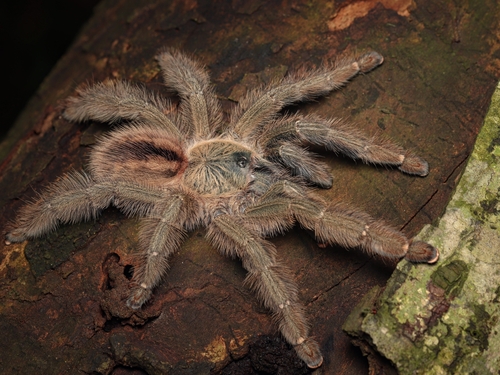
Iridopelma is a genus of Brazilian tarantulas that was first described by Reginald Innes Pocock in 1901.
Thrixopelma
Thrixopelma is a genus of South American tarantulas that was first described by Günter E. W. Schmidt in 1994. They are medium to large tarantulas, usually being 35mm to 60mm in body length.
Catumiri
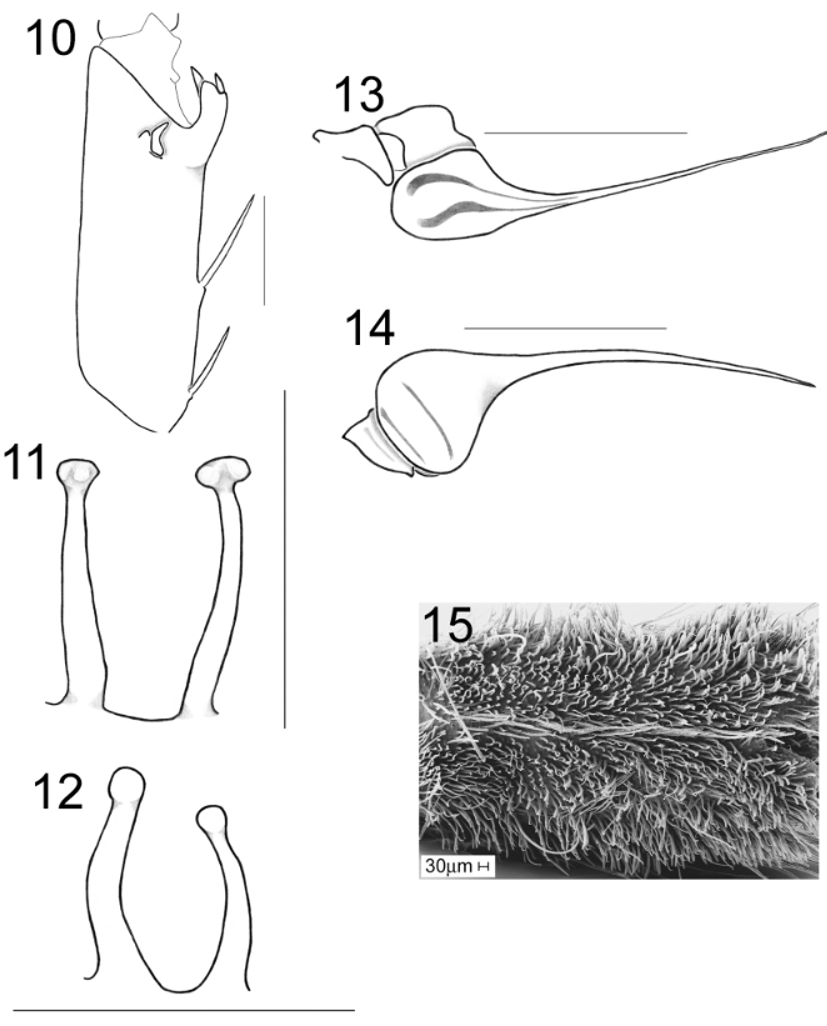
Catumiri is a genus of South American tarantulas that was first described by J. P. L. Guadanucci in 2004. The name is derived from the Tupi "Catumiri", meaning "very small".
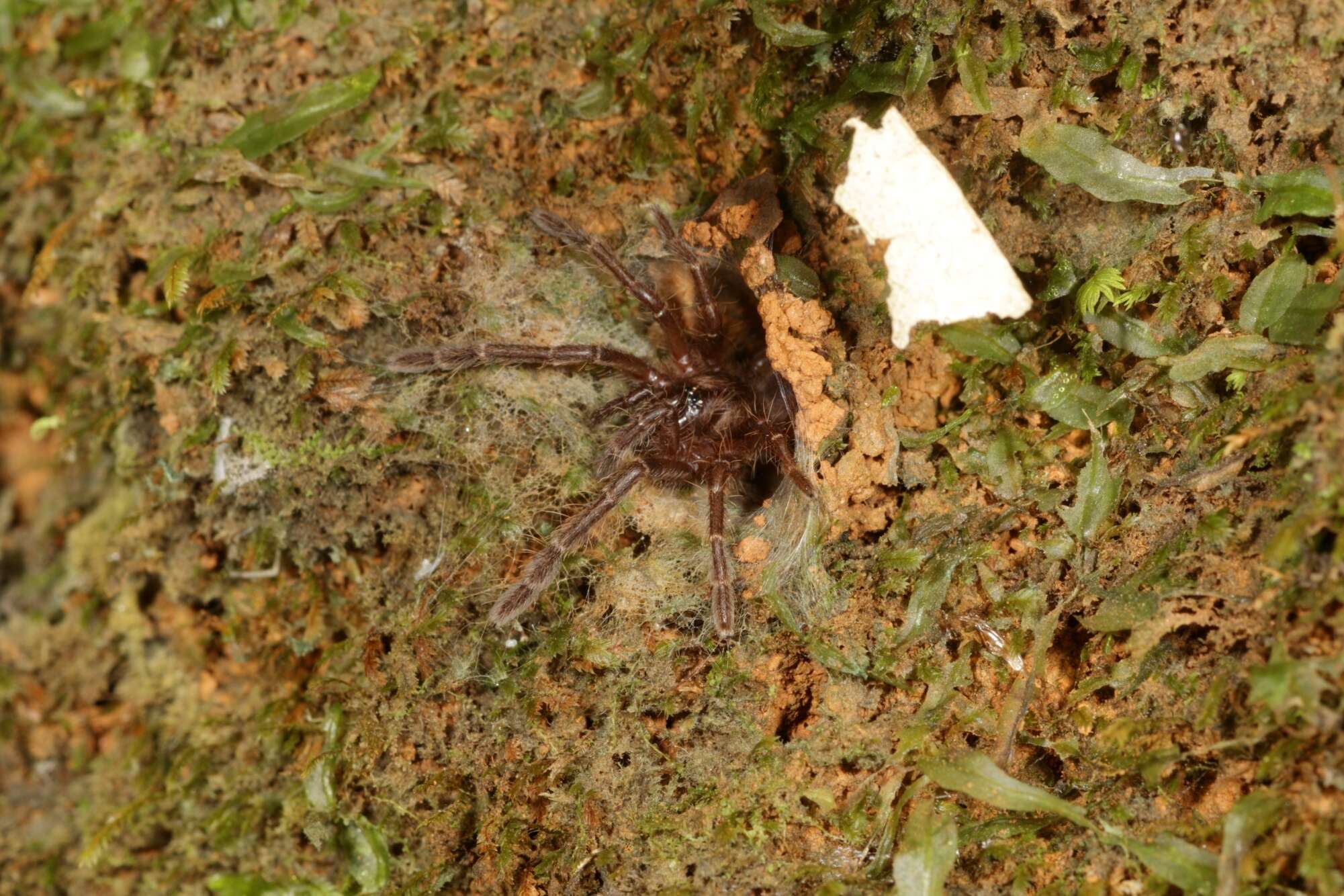
Thrigmopoeus
Thrigmopoeus is a genus of Indian tarantulas that was first described by Reginald Innes Pocock in 1899. it contains two species, found in India: T. insignis and T. truculentus.

Cyriopagopus
Cyriopagopus is a genus of southeast Asian tarantulas found from Myanmar to the Philippines. , the genus includes species formerly placed in Haplopelma. It was first described by Eugène Louis Simon in 1887.
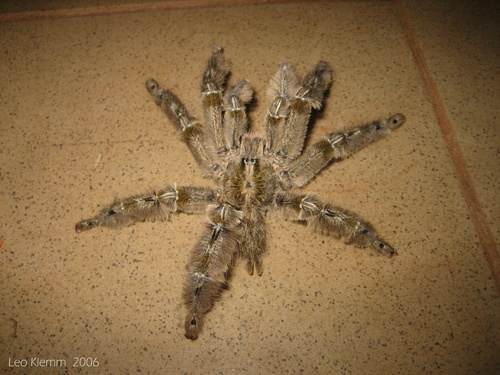
Stromatopelma
Stromatopelma is a genus of African tarantulas that was first described by Ferdinand Anton Franz Karsch in 1881. They are renowned for their potent venom that uses stromatoxin peptides to induce medically significant effects.
Tmesiphantes
Tmesiphantes is a genus of Brazilian tarantulas in the subfamily Theraphosinae that was first described by Eugène Louis Simon in 1892. The genera Magulla and Melloleitaoina were brought into synonymy in 2019.
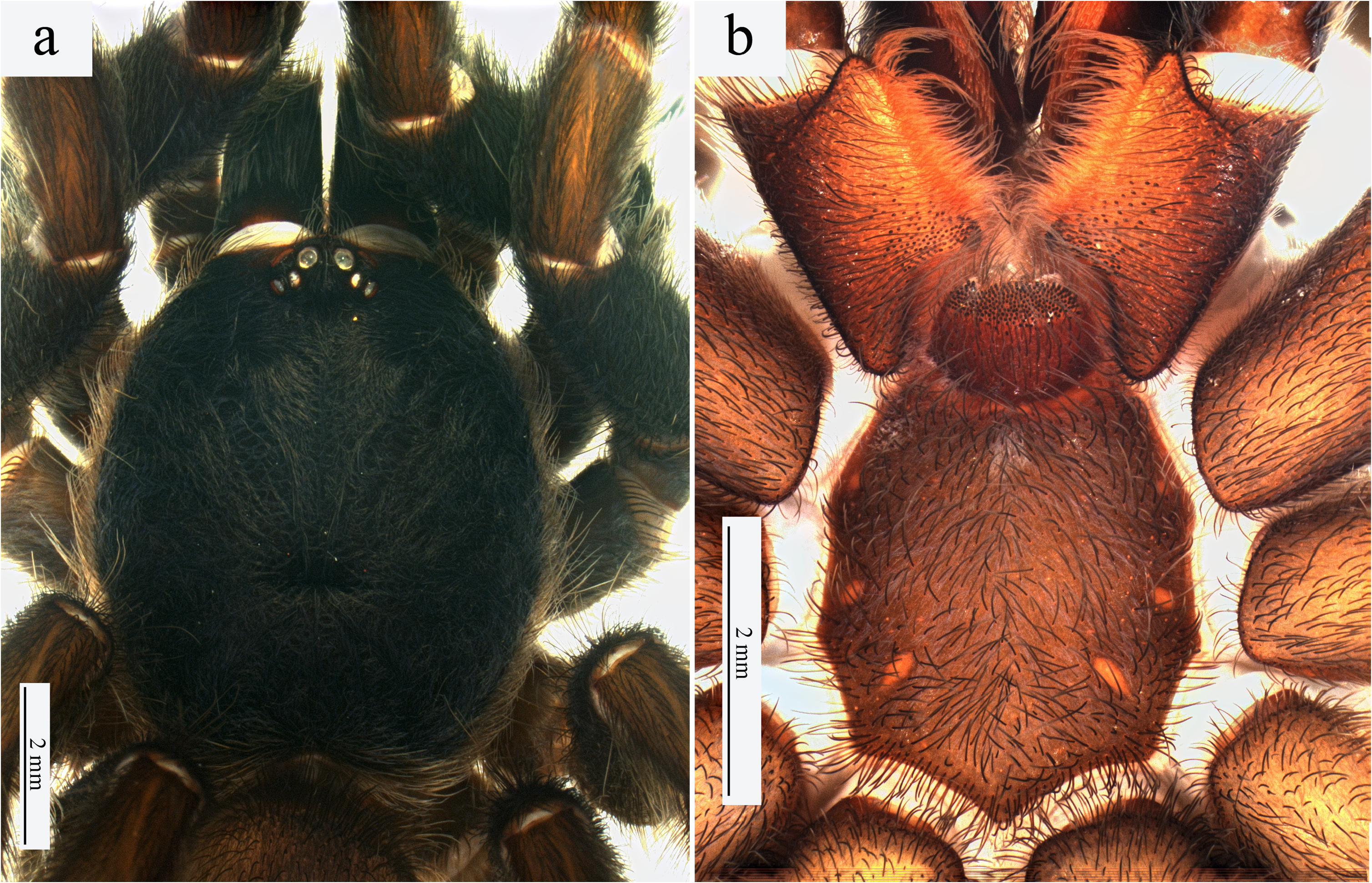
Phlogiellus
Phlogiellus is a genus of tarantulas that was first described by Reginald Innes Pocock in 1897. They are found throughout Asia and Papua New Guinea, including Indonesia, the Philippines, Papua New Guinea, China, Myanmar, Malaysia, Borneo, Thailand, the Solomon Islands and Taiwan. Phlogiellus is part Latin and part Greek, the first part being "φλóξ φλoγóϛ", meaning flame, the second part being "ellus" which is a latin diminutive suffix.
Trichopelma
Trichopelma is a genus of South American and Caribbean tarantulas first described by Eugène Simon in 1888.
Haplocosmia
Haplocosmia is a genus of Asian tarantulas that was first described by Günter E. W. Schmidt & V. von Wirth in 1996. it contains three species, found in Nepal, Himalayas and Tibet: H. himalayana, H. nepalensis and H. sherwoodae .
Heterothele
Heterothele is a genus of African tarantulas (family Theraphosidae) that was first described by Ferdinand Anton Franz Karsch in 1879.

Schizopelma
Schizopelma is a genus of tarantulas that was first described by Frederick Octavius Pickard-Cambridge in 1897. it contains two species, found in Central America and Mexico: S. bicarinatum and S. juxtantricola.
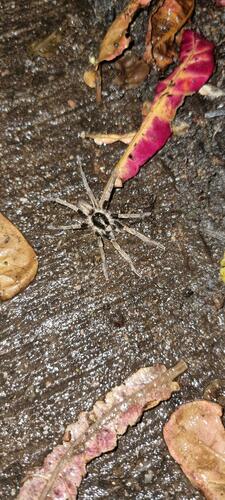
Nesiergus
Nesiergus is a genus of Seychelloise tarantulas that was first described by Eugène Louis Simon in 1903. it contains three species, found on the Seychelles: N. gardineri, N. halophilus, and N. insulanus.
Phoneyusa
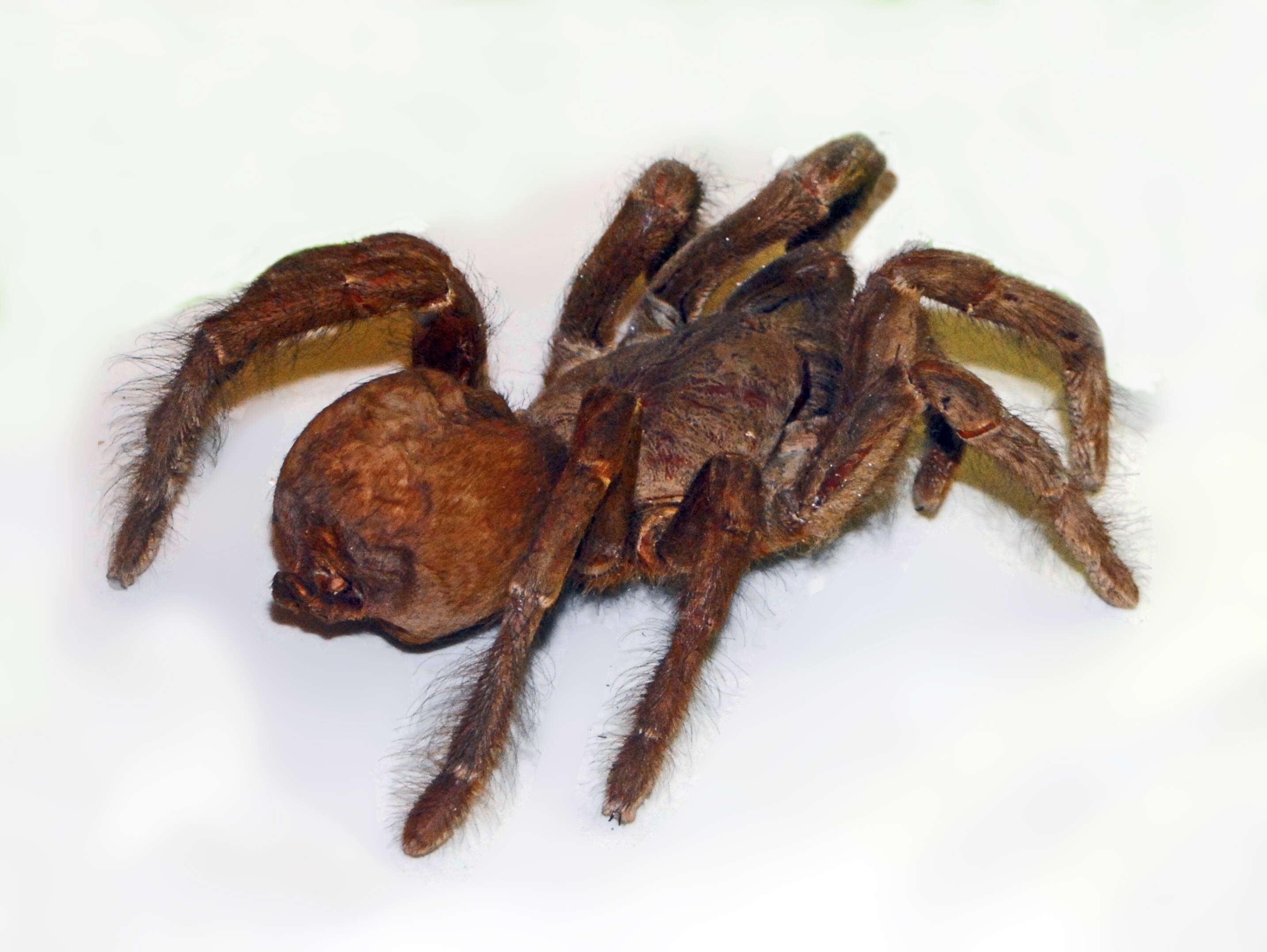
Phoneyusa is a genus of spiders belonging to the family Theraphosidae (tarantulas).
Holothele
Holothele is a genus of tarantulas that was first described by Ferdinand Anton Franz Karsch in 1879. Originally placed with the curtain-web spiders, it was transferred to the tarantulas in 1980.
Eumenophorus
Eumenophorus is a genus of Sierra Leonean tarantulas that was first described by Reginald Innes Pocock in 1897. it contains two species, found in Sierra Leone: E. clementsi and E. murphyorum. It is considered a senior synonym of Monocentropella.
Plesiopelma
Plesiopelma is a genus of South American tarantulas that was first described by Reginald Innes Pocock in 1901.
Plesiopelma species are particularly abundant along mountainous ranges, frequently living under stones. Both males and females live in silk tubes under stones with aggregate spatial distribution. The walls of these tunnels are covered by waterproof silk, protecting them from floods. In addition, there is a uniform saturated microclimate inside the tunnel, which protects the spiders from dehydration.
Ischnocolus
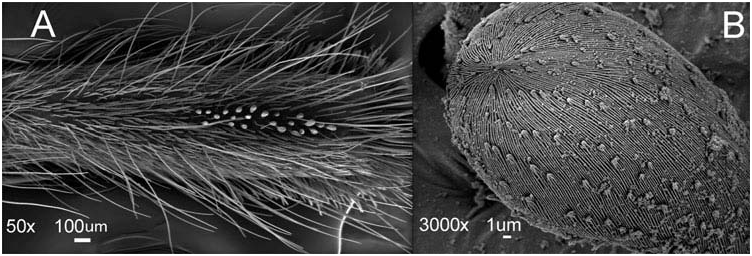
Ischnocolus is a genus of tarantulas that was first described by Anton Ausserer in 1871. This tarantula genus includes some of the smallest in the family.
Stichoplastoris
Stichoplastoris is a genus of Central American tarantulas that was first described by J.-P. Rudloff in 1997.
Hapalotremus
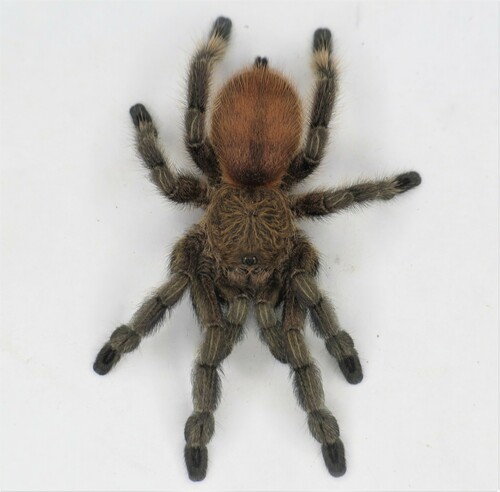
Hapalotremus is a genus of South American tarantulas in the Theraphosinae subfamily that was first described by Eugène Louis Simon in 1903. They have red or white Type III urticating (relatively long, thin) hairs, up to , with a fine point and barbs along at least half of the lower part. The tibial apophysis is branched twice (in males only), and there is a conspicuous subapical keel on the male's embolus.
Ornithoctonus
Ornithoctonus is a genus of Southeast Asian tarantulas that was first described by Reginald Innes Pocock in 1892. it contains three species, found in Thailand and Myanmar: O. andersoni, O. aureotibialis, and O. costalis.
Cyrtopholis
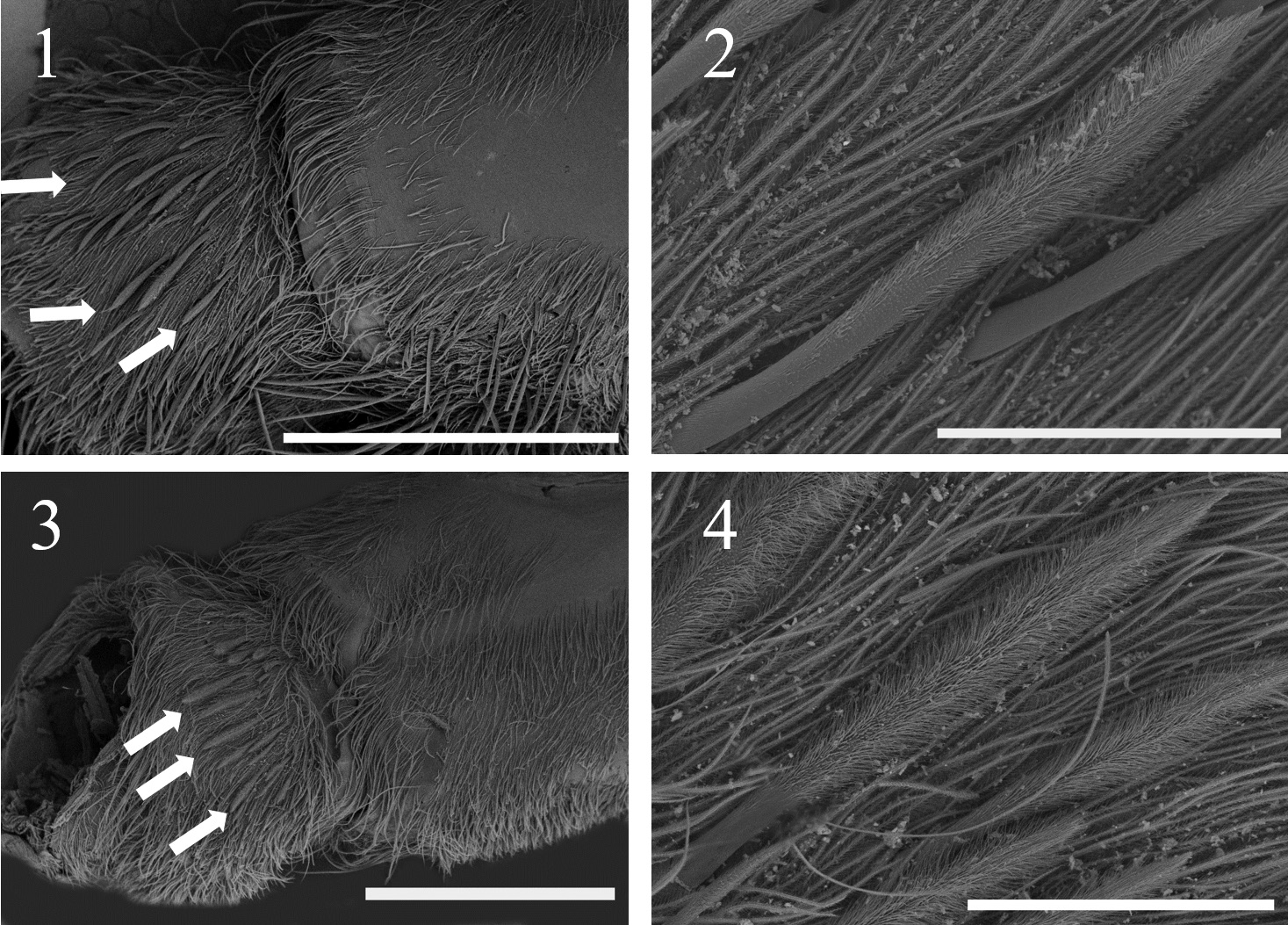
Cyrtopholis is a genus of tarantulas that was first described by Eugène Louis Simon in 1892.