West, Rick C.;Marshall, Samuel D.;Fukushima, Caroline Sayuri;Bertani, Rogério
Ephebopus
Sign in to saveEphebopus is a genus of northeastern South American tarantulas that was first described by Eugène Louis Simon in 1892. Its relation to other tarantulas is one of the most uncertain in the family, and it has been frequently moved around and has been placed in each of the eight subfamilies at least once.
Species
GENUS
- KingdomAnimalia
- PhylumArthropoda
- ClassArachnida
- OrderAraneae
- FamilyTheraphosidae
via GBIF
Museum specimens
- Specimen records
- 3
- Family
- Theraphosidae
- Collections
- DMNS, MPEG
- Recorded in
- French Guiana, Brasil
Wikidata facts
- Instance of
- taxon
- Parent taxon
- Theraphosidae
- Image
- Ephobopus cyanognathus.jpg
Show 4 more facts
- Commons category
- Ephebopus
- taxon name
- Ephebopus
- taxon rank
- genus
- topic's main category
- Category:Ephebopus
Sources (1)
via Wikidata · CC0
~2 min read
Encyclopedic overview
7 sectionsContents
- Description
- Diagnosis
- Species
- In synonymy
- Nomen Dubium
- Transferred to other genera
- References
Ephebopus is a genus of northeastern South American tarantulas that was first described by Eugène Louis Simon in 1892. Its relation to other tarantulas is one of the most uncertain in the family, and it has been frequently moved around and has been placed in each of the eight subfamilies at least once.
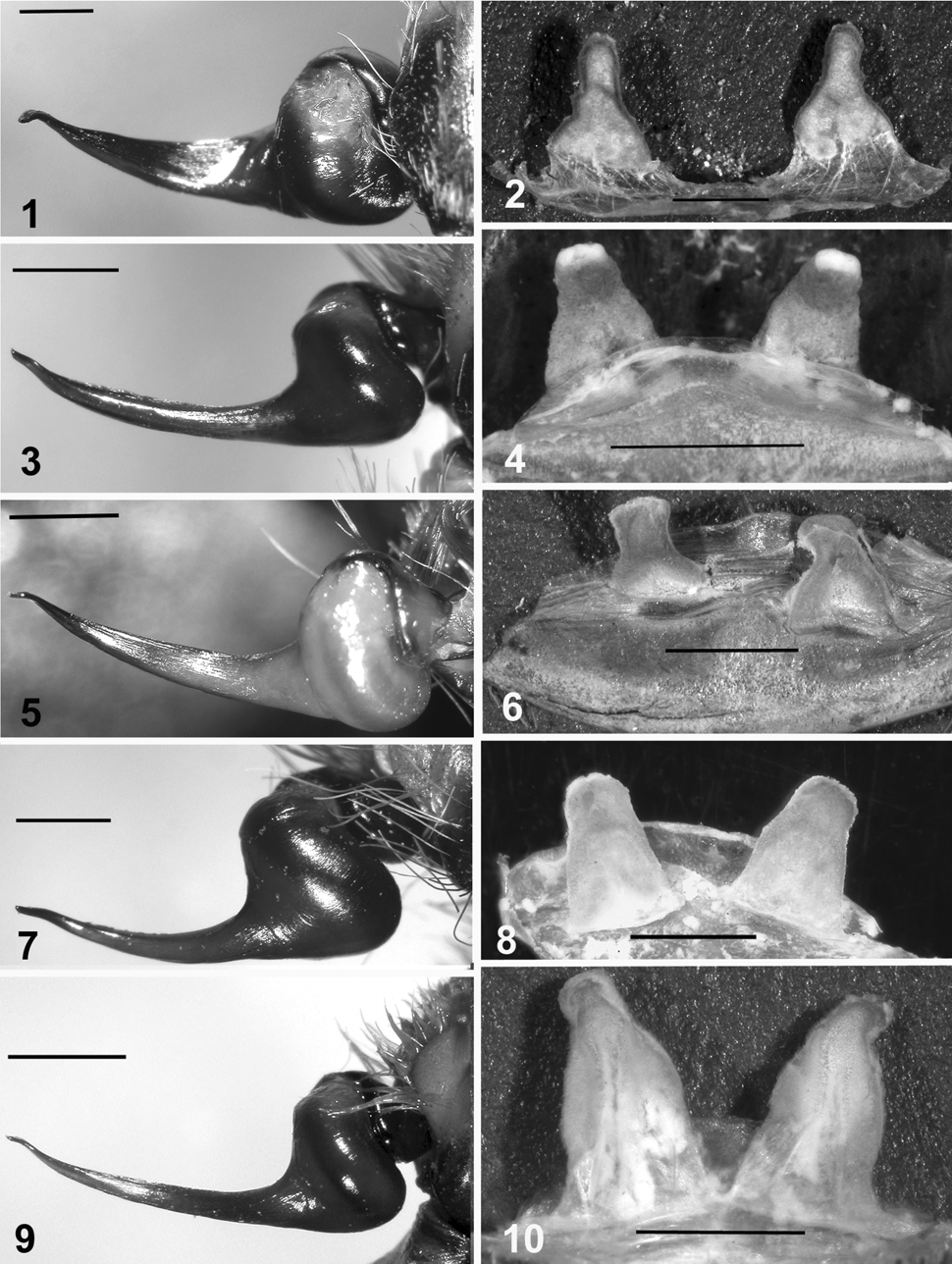
==Description== They normally grow to a legspan of . Most live in burrows, though E. murinus spends an adolescent stage living in trees. Like many other New World tarantulas, these spiders will brush urticating hairs from their bodies as a defense against potential predation. However, these spiders are unique because instead of the abdomen, these hairs are located on the pedipalps, and are removed by rubbing the palps against the chelicerae.
Excerpted from Wikipedia’s “Ephebopus” article, available under the CC BY-SA 4.0 licence.