Category
page 1Traditional medicine

vinegar
thumb|upright=1.3|A variety of flavored vinegars, for culinary use, on sale in France

amber
thumb|An ant inside Baltic amber
thumb|right|Unpolished amber stones

sauna
thumb|A modern Finnish sauna

traditional medicine
medicine based on traditional beliefs

alum
thumb|upright=1.5|Crystal of potassium alum,

propolis
thumb|Propolis, produced by the western honey bee (Apis mellifera)
thumb|200px|Two bars from a top bar hive that the bees have glued together using propolis. Separating the bars will take some effort as the propolis has hardened.
thumb|200px|Propolis on the upper bar

ambergris
thumb|upright=1.3|Ambergris in dried form

Hirudo medicinalis
medicinal leech

castor oil
vegetable oil obtained by pressing the seeds of the Castor plant, Ricinus communis

Marrubium vulgare
species of plant

bloodletting
right|framed|Ancient Greek painting on a vase, showing a physician (iatros) bleeding a patient
Bloodletting (or blood-letting) is the deliberate withdrawal of blood from a patient to prevent or cure illness and disease. Bloodletting, whether by a physician or by leeches, was based on an ancient system of medicine in which blood and other bodily fluids were regarded as "humors" that had to remain in proper balance to maintain health. It was the most common medical practice performed by surgeons from antiquity until the late 19th century, a span of over 2,000 years. In Europe, the practice conti

chicken soup
soup made from chicken

miswak
The miswak is a teeth-cleaning twig made from the Salvadora persica tree. The miswak's properties have been described as follows: "Apart from their antibacterial activity which may help control the formation and activity of dental plaque, they can be used effectively as a natural toothbrush for teeth cleaning. Such sticks are effective, inexpensive, common, available, and contain many medical properties".

Hamamelis
Witch-hazels or witch hazels (Hamamelis) are a genus of flowering plants in the family Hamamelidaceae, with three species in North America (H. ovalis, H. virginiana, and H. vernalis), and one each in Japan (H. japonica) and China (H. mollis). The North American species are occasionally called winterbloom.
camel milk
milk produced by female camels
Traditional Thai massage
healing system
Chinese herbology
traditional Chinese herbal therapy
tea tree oil
essential oil derived from leaves
dragon's blood
painting material and natural resin
kogel mogel
egg-based homemade dessert
list of plants used as medicine
Wikimedia list article

ethnomedicine
Ethnomedicine is a study or comparison of the traditional medicine based on bioactive compounds in plants and animals and practiced by various ethnic groups, especially those with little access to western medicines, e.g., indigenous peoples. The word ethnomedicine is sometimes used as a synonym for traditional medicine.
ginger tea
hot water infused ginger roots
prehistoric medicine
aspect of history
yuja-cha
traditional Korean beverage made by diluting yuzu marmalade with water
ethyl nitrite
chemical compound
balm of Gilead
historical perfume used medicinally, of herbal origin

jamu
Jamu (Javanese script: ) is a traditional medicine from Indonesia. It is predominantly a herbal medicine made from natural materials, such as roots, bark, flowers, seeds, leaves and fruits. Materials acquired from animals, such as honey, royal jelly, milk and native chicken eggs are often used as well.
Mustard plaster
medicinal poultice

backscratcher
thumb|250px|A common wooden backscratcher
thumb|250px|Distinct styles of backscratchers in action, employing different itch-relieving techniques.
A backscratcher, sometimes known as a scratch-back, is a hand tool used for scratching the skin in order to relieve an itch in areas that cannot easily be reached just by one's own hands, typically the back. Although the backscratcher was an early human invention, other primates have been observed using similar tools.
Medicinal clay
use of clay for health reasons
medical astrology
pseudoscientific medical system that associates various body parts, diseases, and drugs as under the influence of the astrological planets and zodiac signs

Astragalus sarcocolla
species of plant
four thieves vinegar
concoction believed to protect users from the plague

Muti
'''''' is a traditional medicine practice in Southern Africa as far north as Lake Tanganyika.
compound spirit of ether
chemical solution used for pain relief
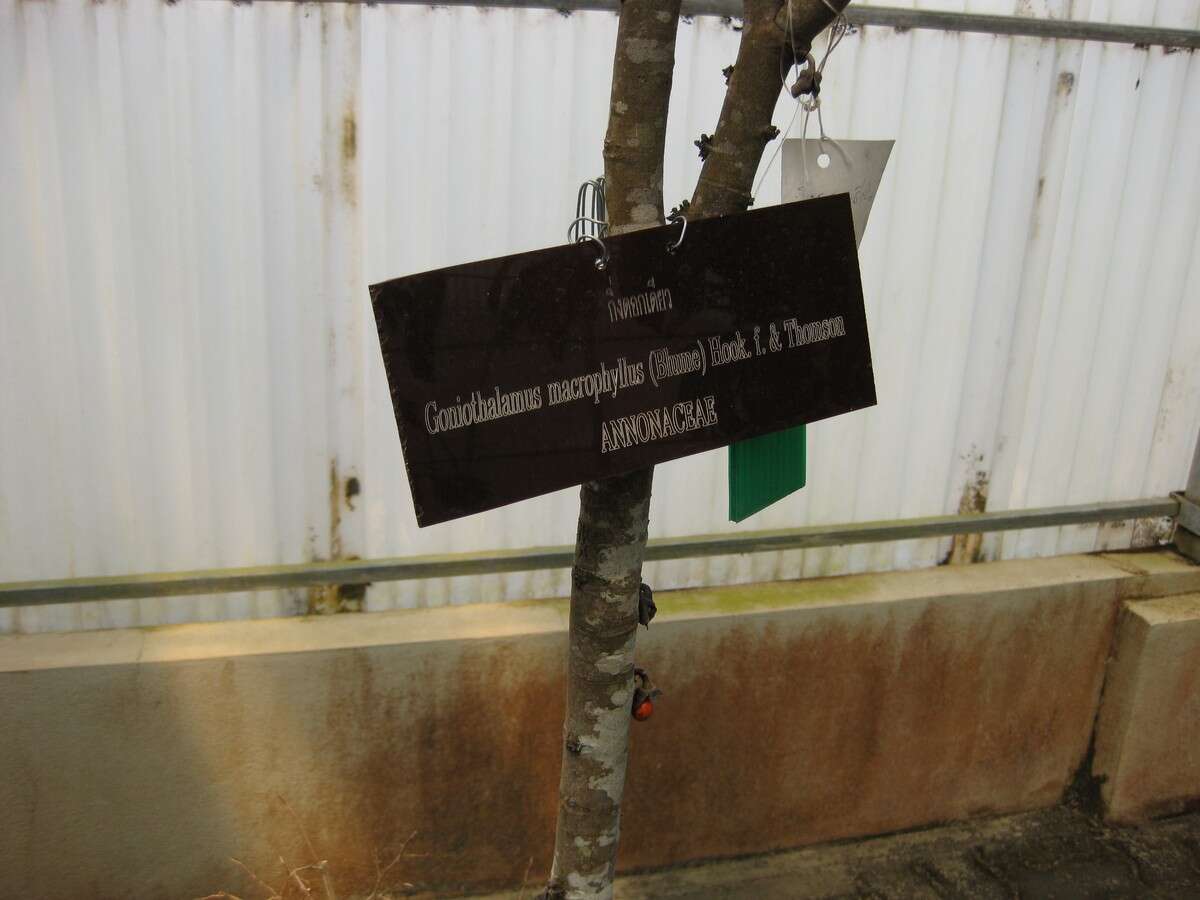
Goniothalamus macrophyllus
species of plant

mumia
thumb|Natural asphalt/bitumen from the Dead Sea
thumb|Apothecary vessel of the 18th century with inscription MUMIA
thumb|Egyptian mummy seller (1875, Félix Bonfils)
thumb|Wooden apothecary vessel with inscription "MUMIÆ", Hamburg Museum
Mummia, mumia, or originally mummy referred to several different preparations in the history of medicine, from "mineral pitch" to "powdered human mummies". It originated from Arabic mūmiyā "a type of resinous bitumen found in Western Asia and used curatively" in traditional Islamic medicine, which was translated as pissasphaltus (from "pitch" and "asphalt") in
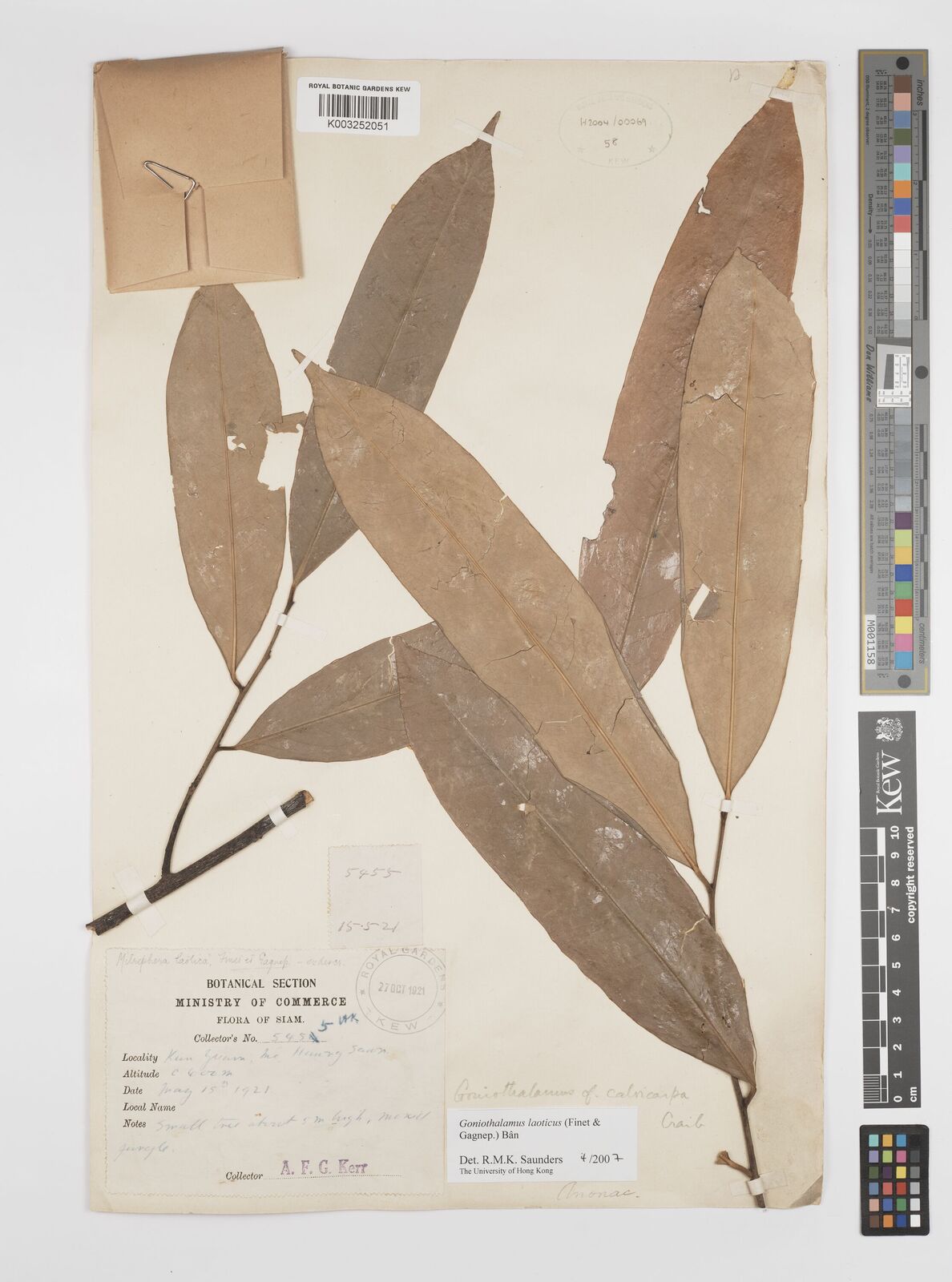
Goniothalamus laoticus
species of plant
Hungary Water
alcohol-based perfume based on rosemary
mad honey
psychoactive type of honey containing grayanotoxins
.jpg)
posset
thumb|A glass of the modern lemon posset dessert, served with almond bread
A posset (, historically also spelled possyt, possot, poshote or poshotte), was originally a popular hot drink made of milk curdled with wine or ale, often spiced, which was often used as a remedy. In the 18th century, it was reportedly only drunk in Sweden, Norway and England.
ancient Iranian medicine
study and practice of medicine in ancient Iran/Persia
gripe water
non-prescription product for infants, traditionally often containing alcohol, opium, and sugar
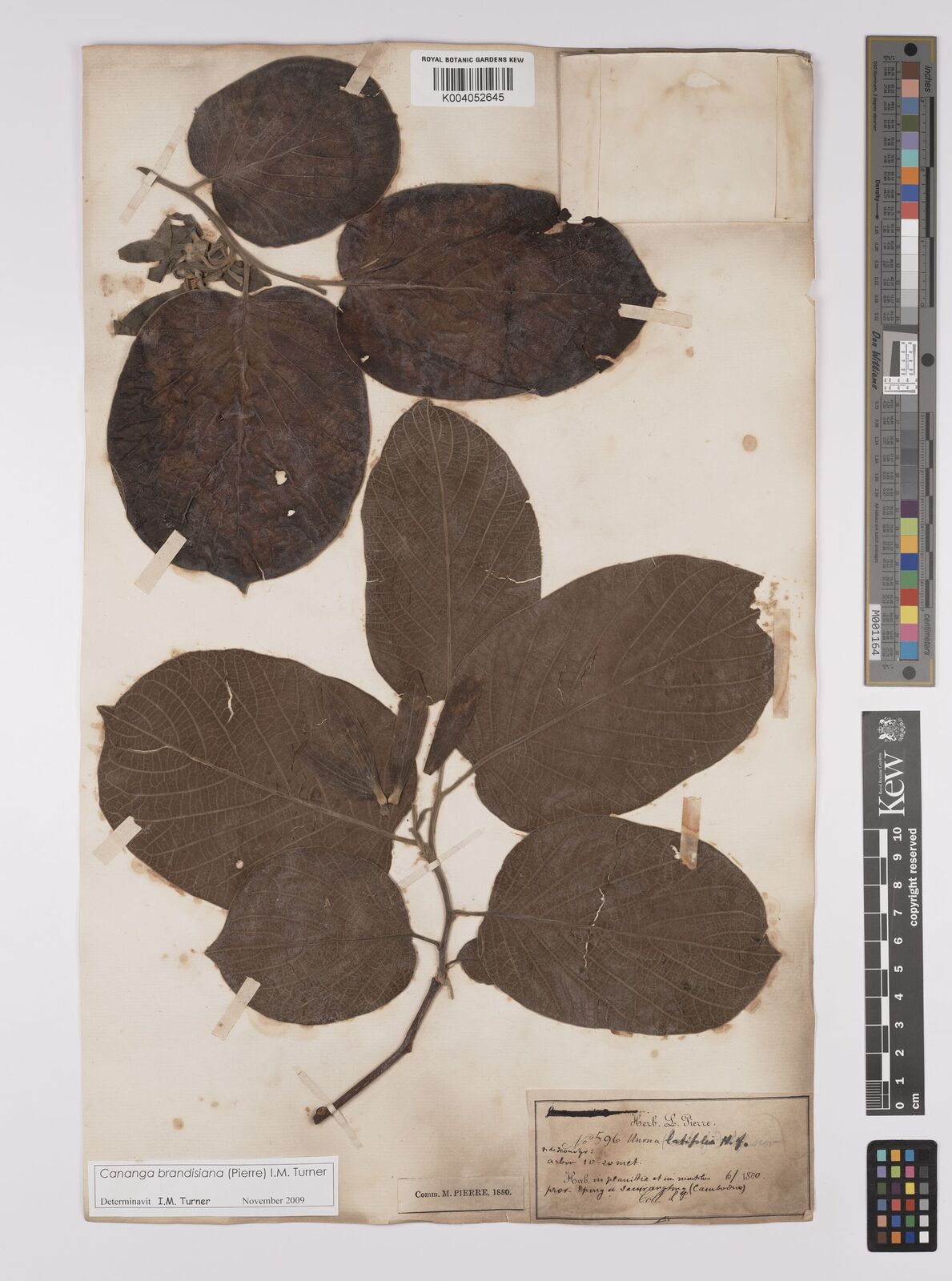
Cananga brandisiana
species of plant
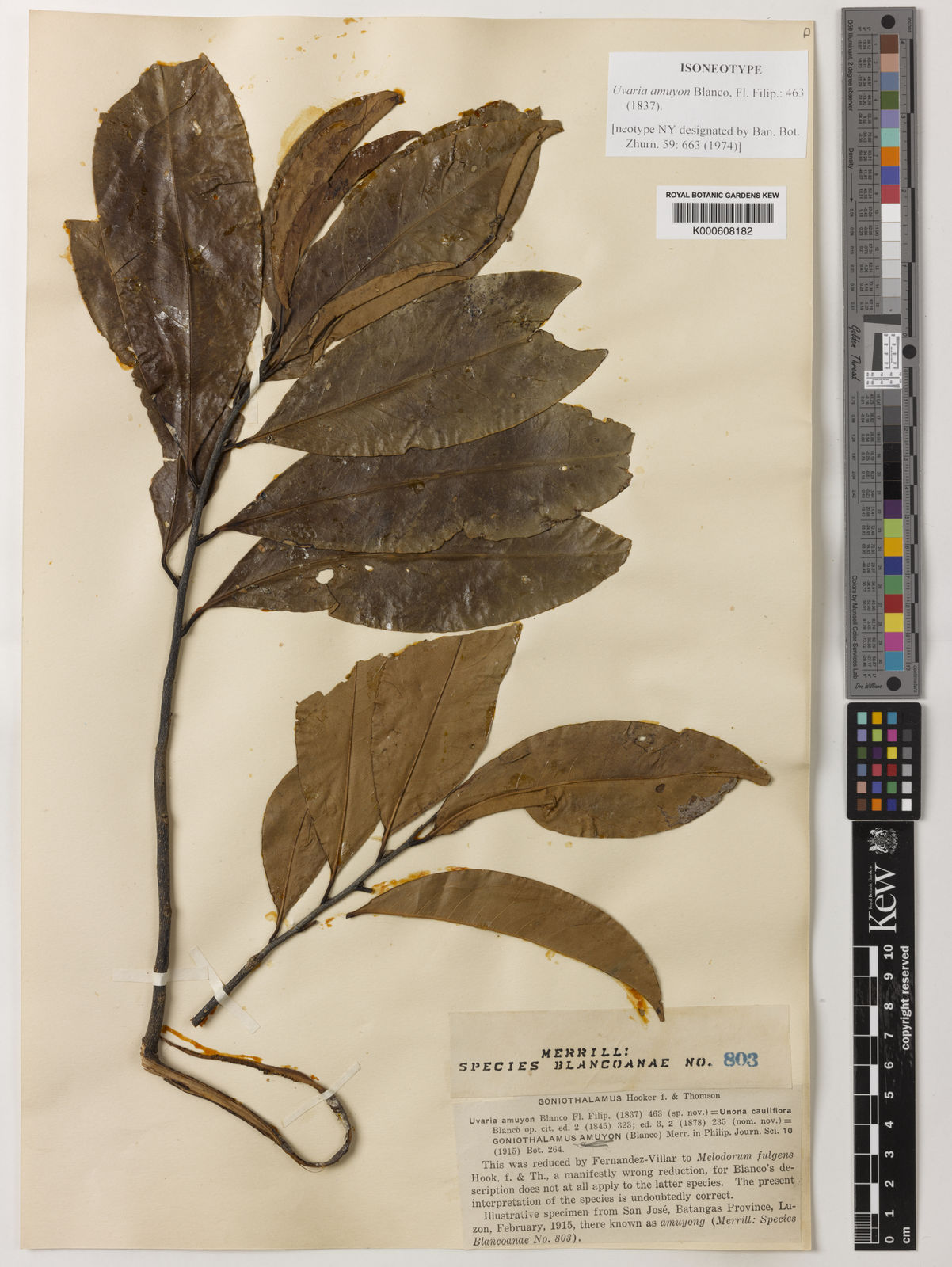
Goniothalamus amuyon
species of plant
egg oil
oil derived from yolk of chicken eggs
anma
thumb|A photograph of a typical Meiji-era anma
thumb|A blind practitioner and a woman. As well as musicians, the anma practitioners were the popular occupation of the blind till the establishment of deaf and blind institutes opened in the 1870s, which granted them wider fields of employment.
Anma () is a practice of traditional Japanese massage; the word also refers to practitioners of that art. Modern shiatsu is largely derived from anma.
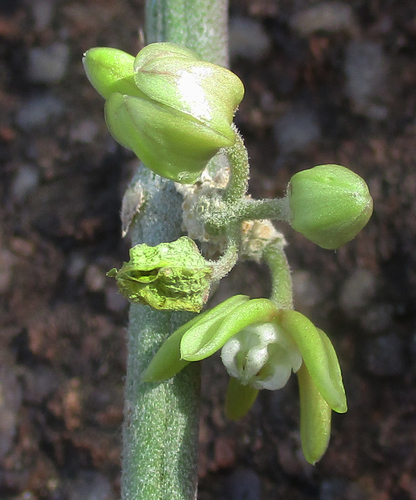
Cynanchum viminale
species of plant
ethnoscience
Ethnoscience has been defined as an attempt "to reconstitute what serves as science for others, their practices of looking after themselves and their bodies, their botanical knowledge, but also their forms of classification, of making connections, etc." (Augé, 1999: 118).
Tamagozake
is a Japanese alcoholic drink consisting of heated sake, sugar, and a raw egg.

traditional Asian medicine
traditional Oriental systems of medicine
Lomilomi massage
Hawaiian massage

Goniothalamus scortechinii
species of plant
mithridate
thumb|right|Elaborately gilded drug jar for storing mithridate. By Annibale Fontana, about 1580–1590.
Mithridate, also known as mithridatium, mithridatum, or mithridaticum, is a semi-mythical remedy with as many as 65 ingredients, used as an antidote for poisoning, and said to have been created by Mithridates VI Eupator of Pontus in the 1st century BC. It was one of the most complex and highly sought-after drugs during the Middle Ages and the Renaissance, particularly in Italy and France, where it was in continual use for centuries. An updated recipe called theriac (Theriacum Andromachi) was k
Medicina Plinii
manual of medicine in Latin language written in the 4th century CE
Mexican tea culture
use of tea in Mexico

Rhytidophyllum tomentosum
species of plant
bear's grease
body fat from bears, used for many applications and once thought to be a treatment for hair loss
medicine bag
traditional North American Indian container for various items of supernatural power