Category
page 1Trees of Brazil

Hevea brasiliensis
species of plant

guarana plant
Guaraná ( from the Portuguese guaraná ; Paullinia cupana, syns. P. crysan, P. sorbilis) is a climbing plant in the family Sapindaceae, native to the Amazon basin and especially common in Brazil. Guaraná has large leaves and clusters of flowers, and is best known for the seeds from its beans, which are about the size of a coffee bean.

yerba mate
species of plant

Bertholletia excelsa
species of plant, Brazil nut
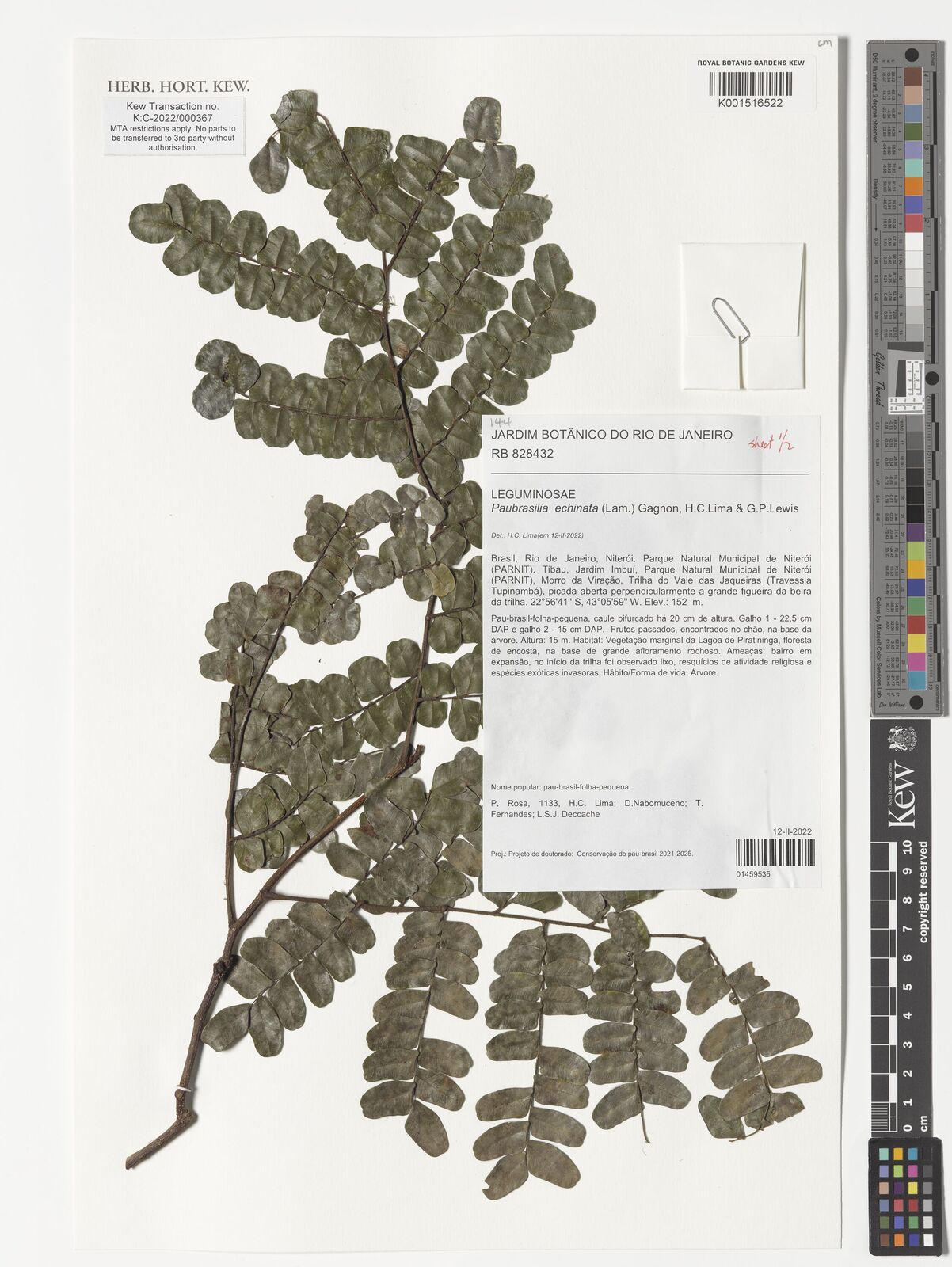
Paubrasilia echinata
Paubrasilia echinata is a species of flowering plant in the legume family, Fabaceae, that is endemic to the Atlantic Forest of Brazil. It is a Brazilian timber tree commonly known as brazilwood (; Tupi: ) and is the national tree of Brazil. This plant has a dense, orange-red heartwood that takes a high shine, and it is the premier wood used for making bows for stringed instruments. The wood also yields a historically important red dye called brazilin, which oxidizes to brazilein.

Jacaranda mimosifolia
species of plant

Samanea saman
species of plant

Couroupita guianensis
species of flowering plant in the Brazil nut family Lecythidaceae

Araucaria angustifolia
species of plant
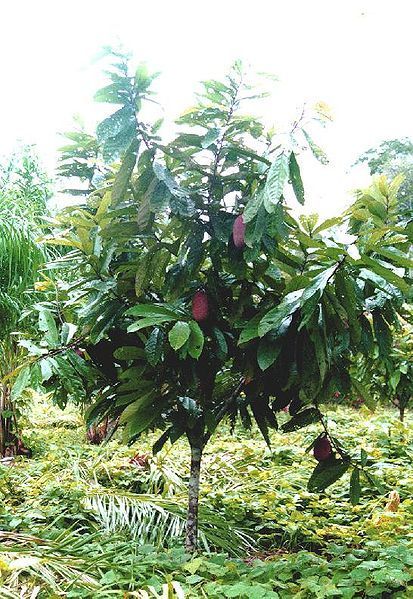
Theobroma grandiflorum
Species of plant

Pouteria caimito
species of flowering plant

Schinus molle
species of plant

Crescentia cujete
species of plant
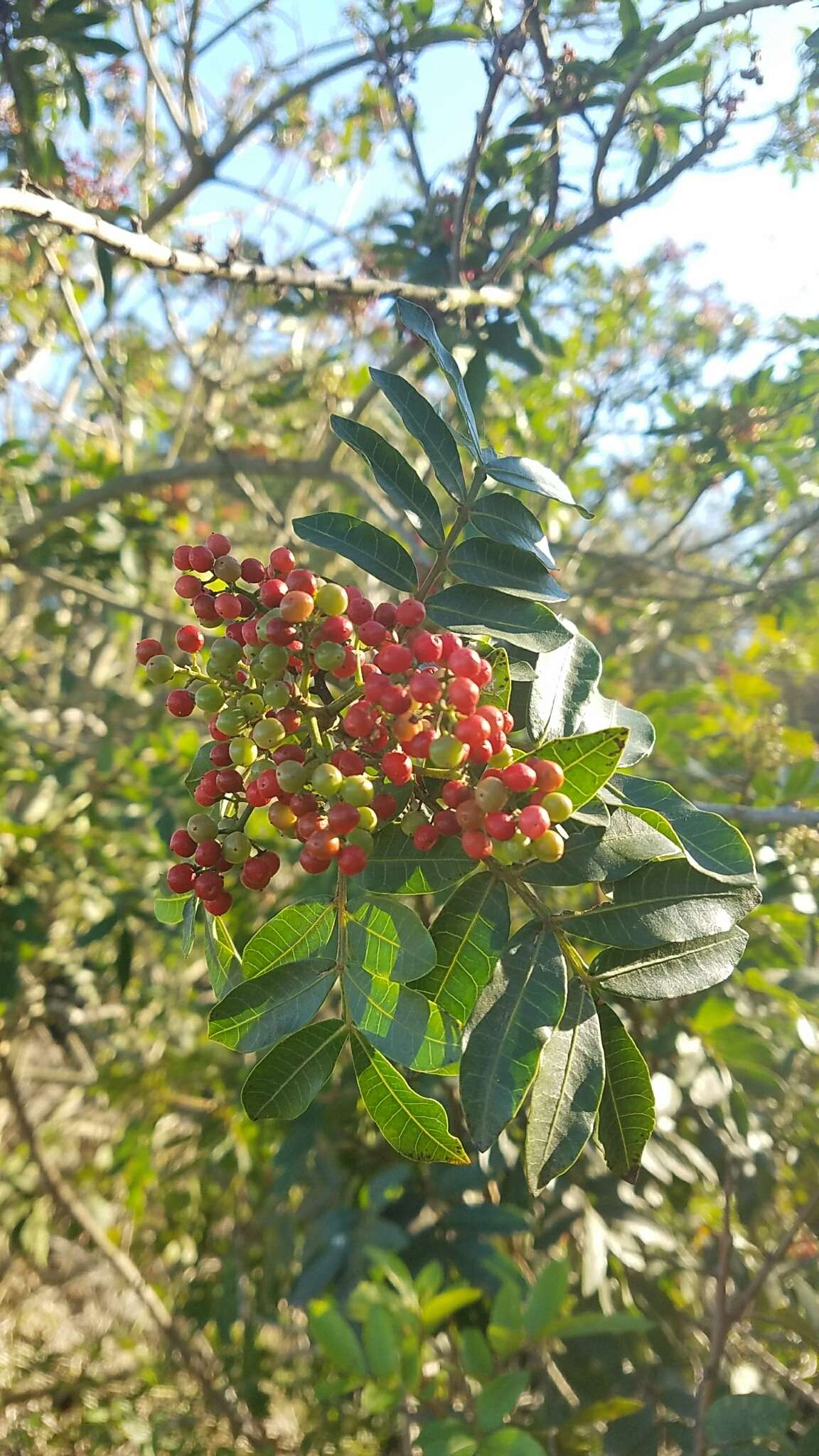
Schinus terebinthifolia
species of plant

Erythrina crista-galli
species of plant

Ceiba speciosa
species of plant

Myrciaria dubia
species of plant
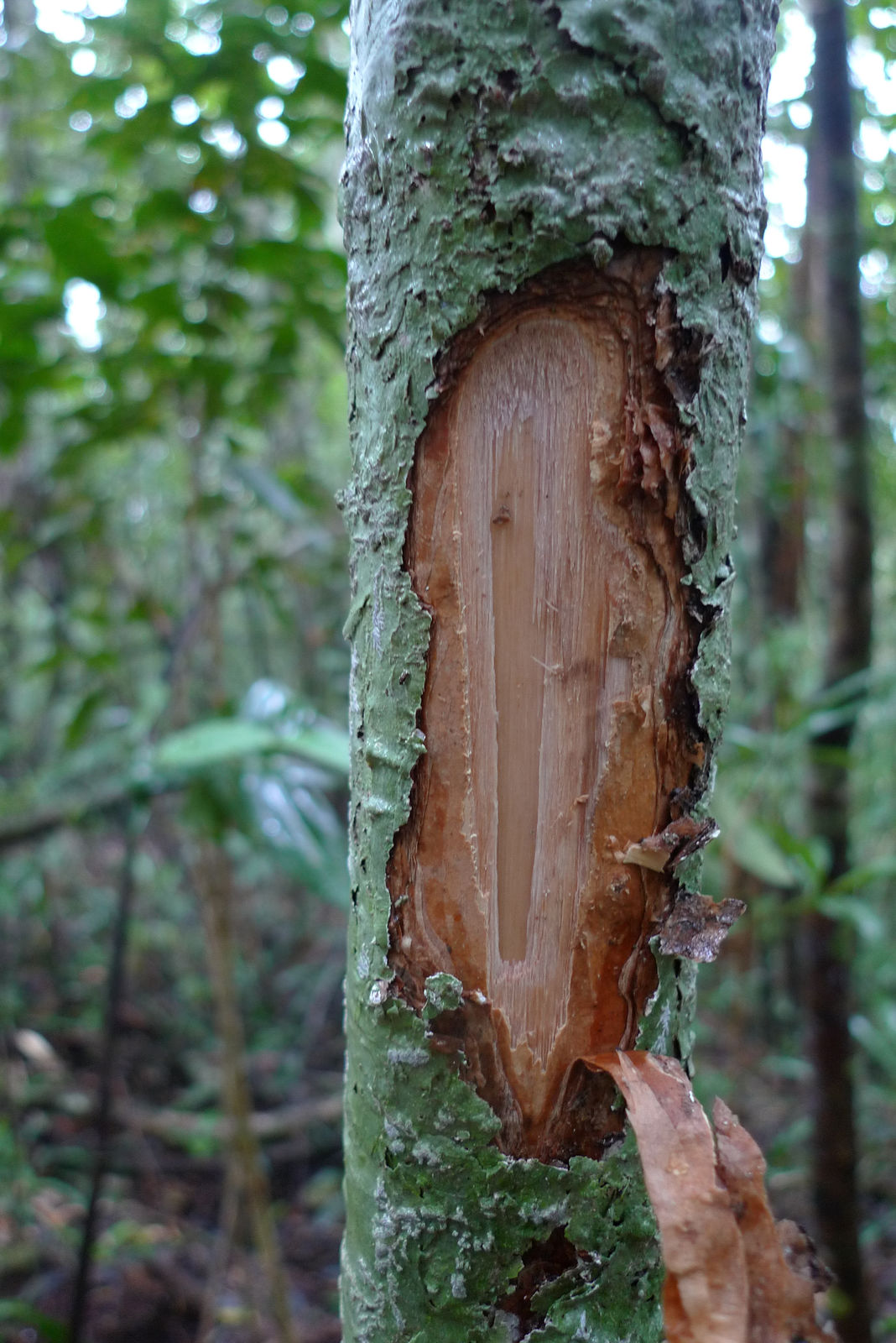
Eugenia brasiliensis
Eugenia brasiliensis, with common names Brazil cherry and grumichama, is a medium-sized tree (maximum 20 meters height) endemic (native) to southern Brazil which bears small fruits that are purple to black in color, and have a sweet cherry to plum-like flavor.
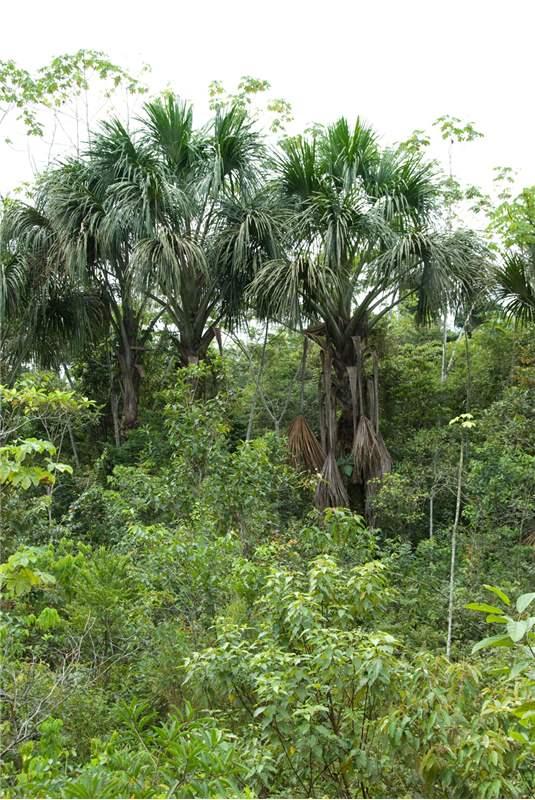
Mauritia flexuosa
species of palm tree
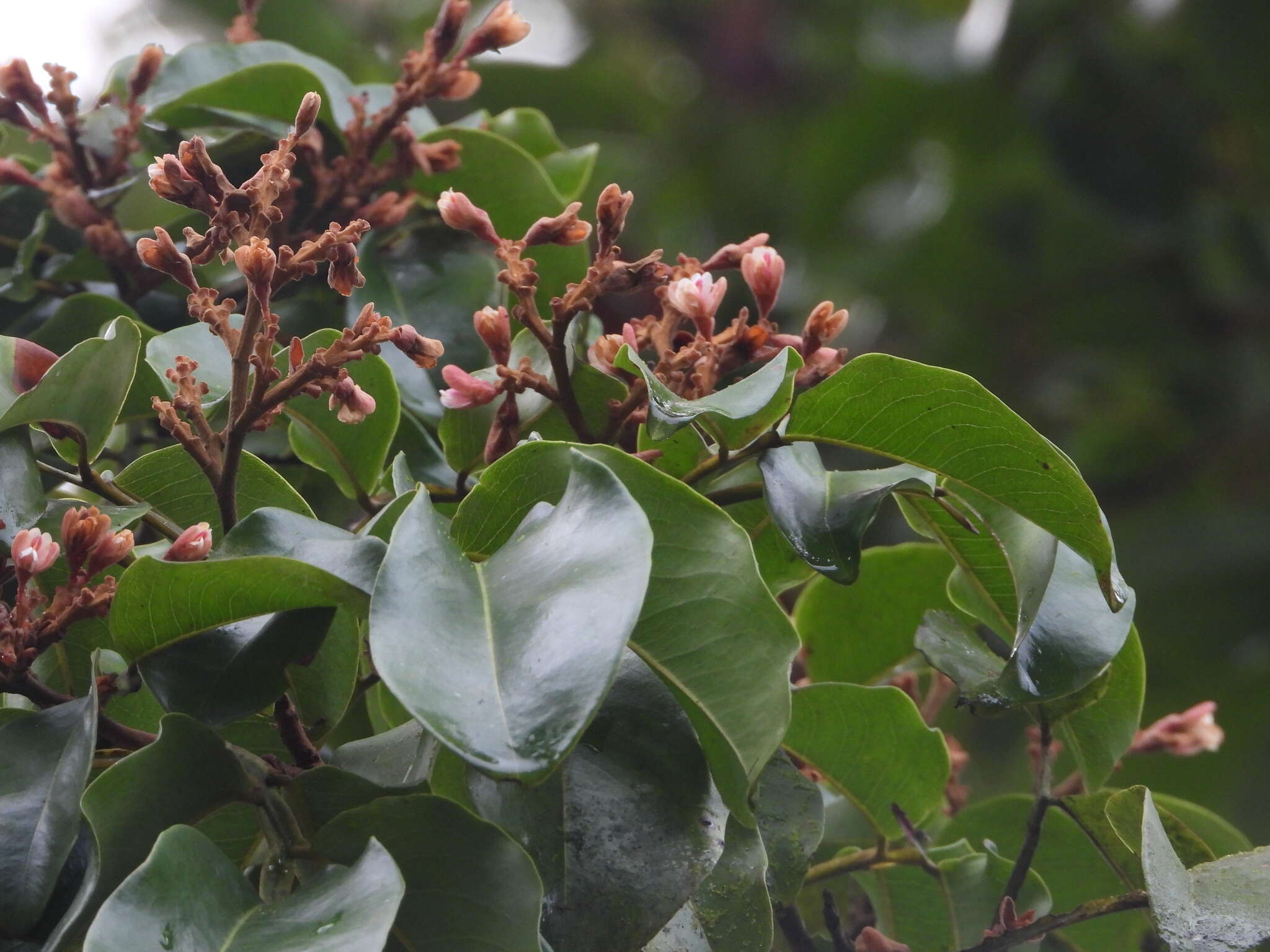
Dipteryx odorata
species of plant
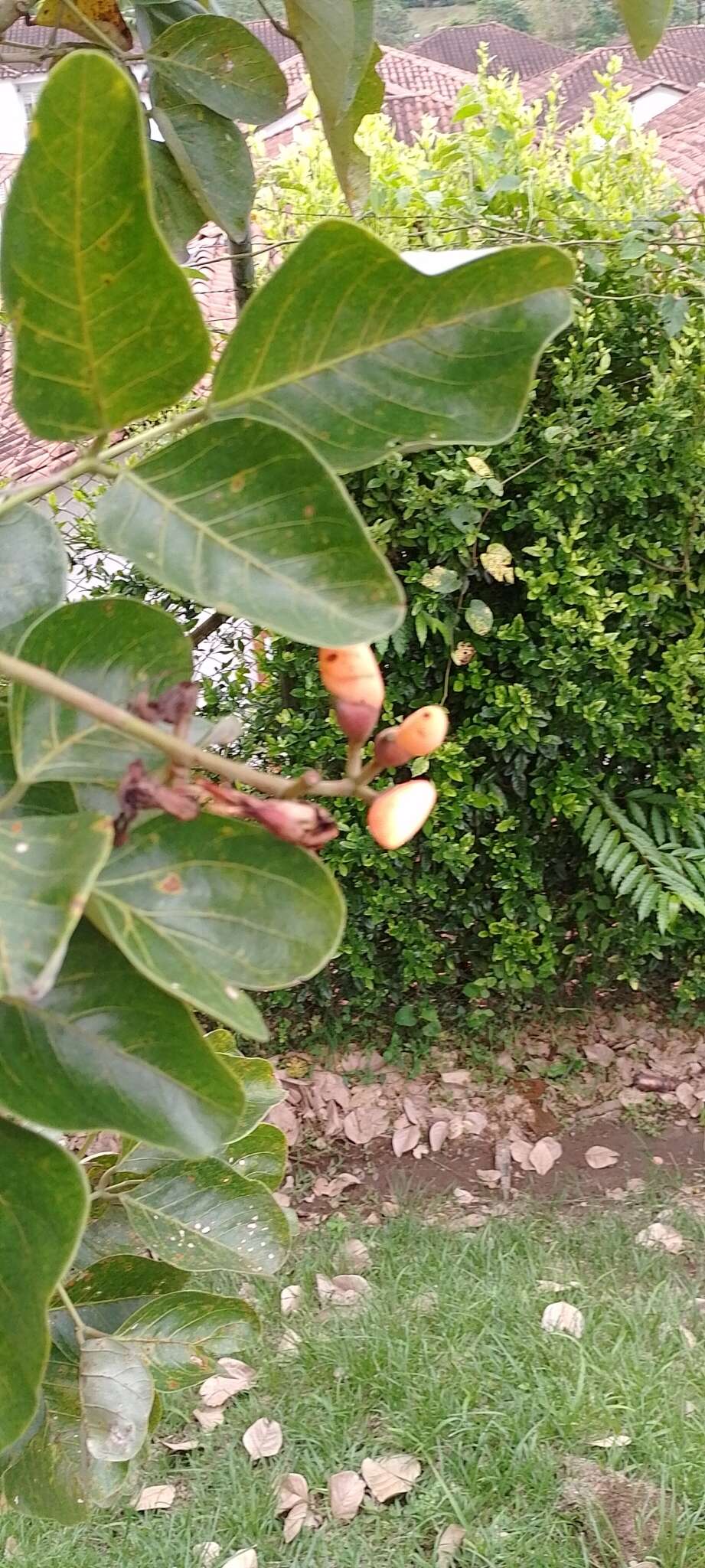
Erythrina fusca
species of plant

Eugenia stipitata
species of plant
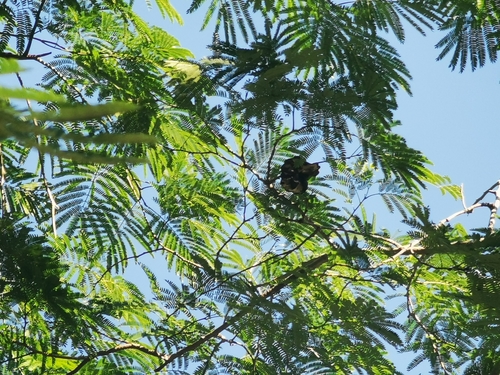
Enterolobium cyclocarpum
species of plant
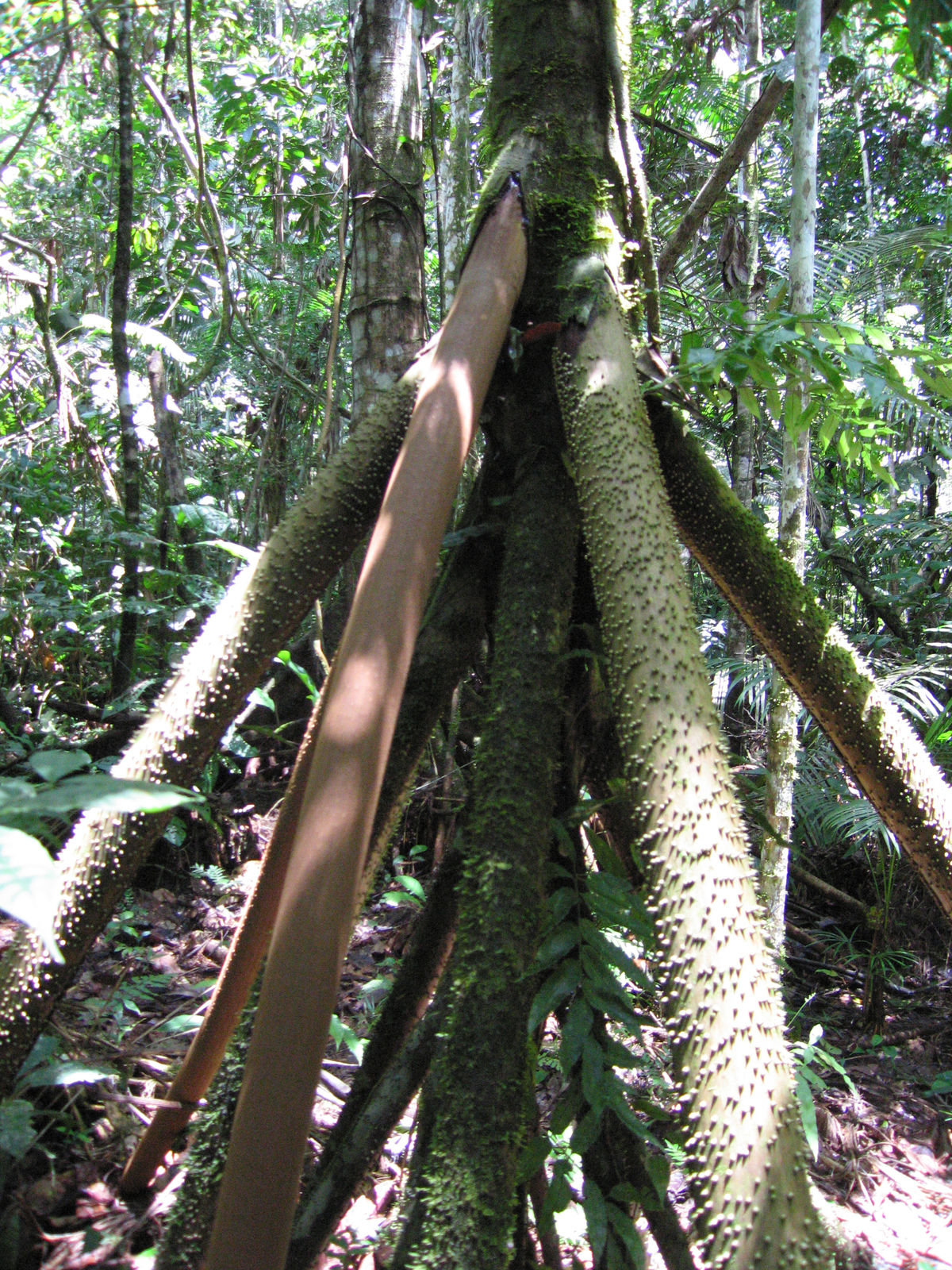
Socratea exorrhiza
species of plant

Spondias tuberosa
species of plant

Quassia amara
species of plant

Butia capitata
species of palm tree

Annona montana
edible fruit and medicinal plant in Central America

Astrocaryum vulgare
species of plant

Dalbergia nigra
species of plant
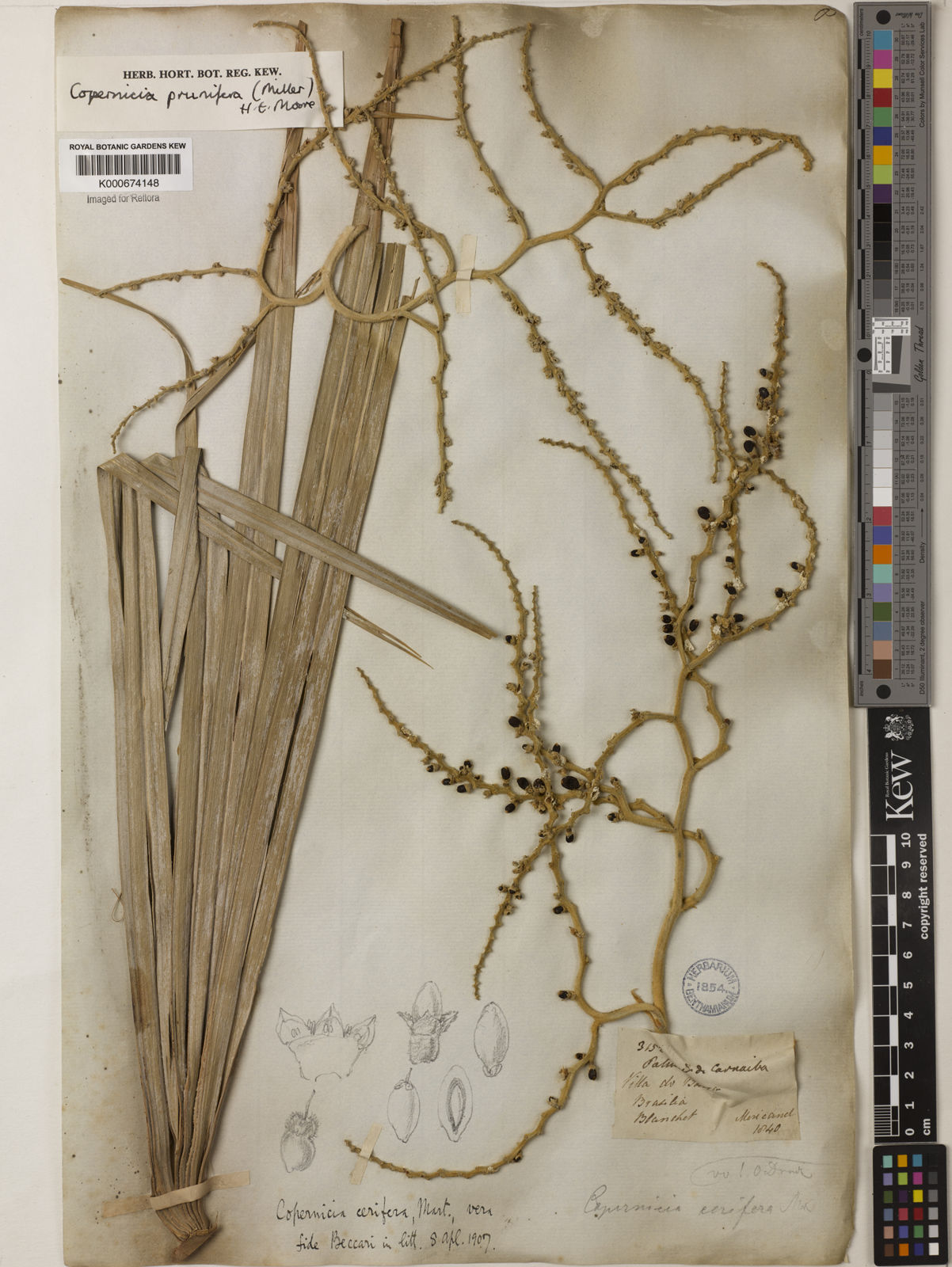
Copernicia prunifera
species of plant

Handroanthus impetiginosus
species of plant
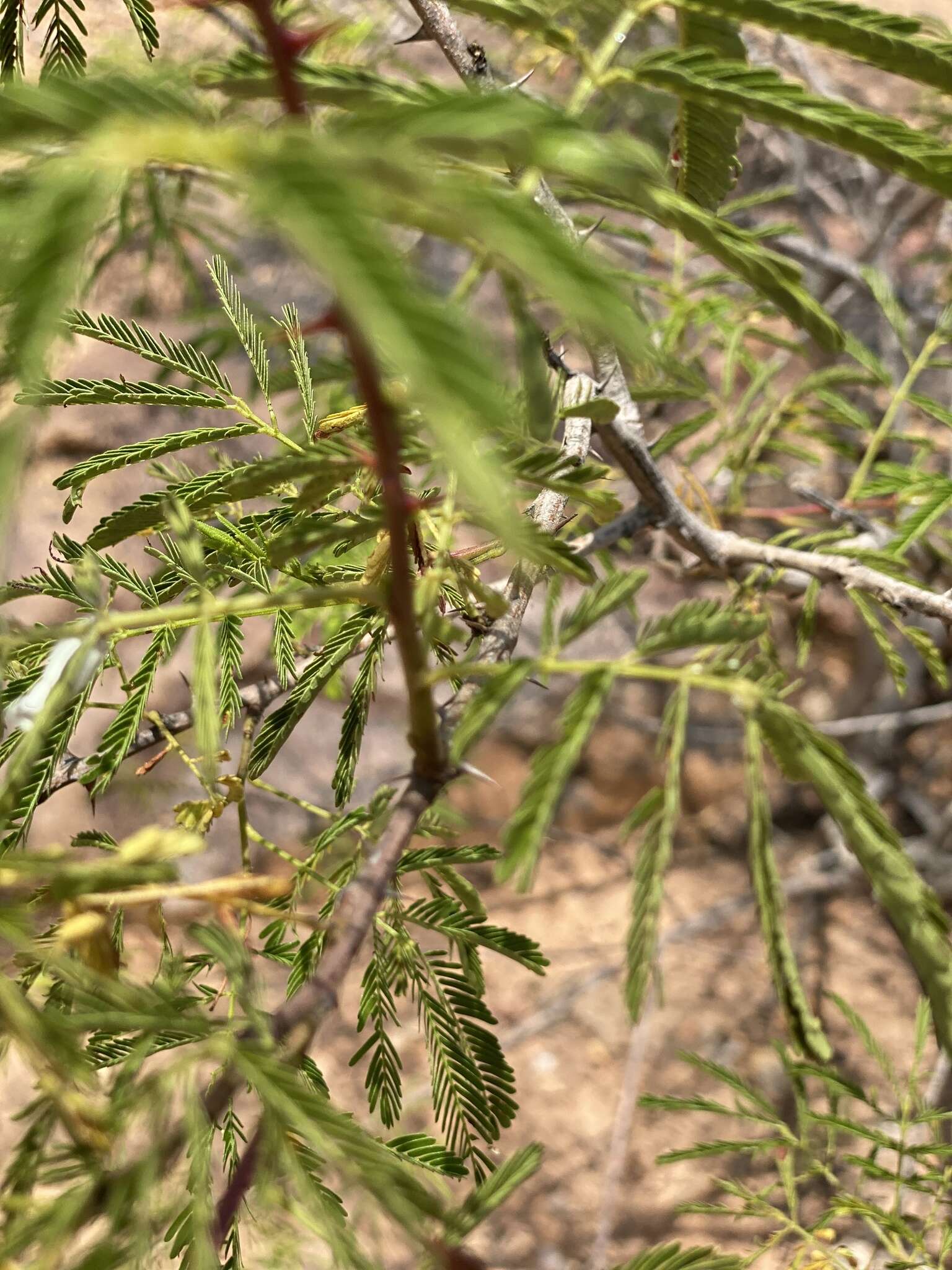
Mimosa tenuiflora
species of plant
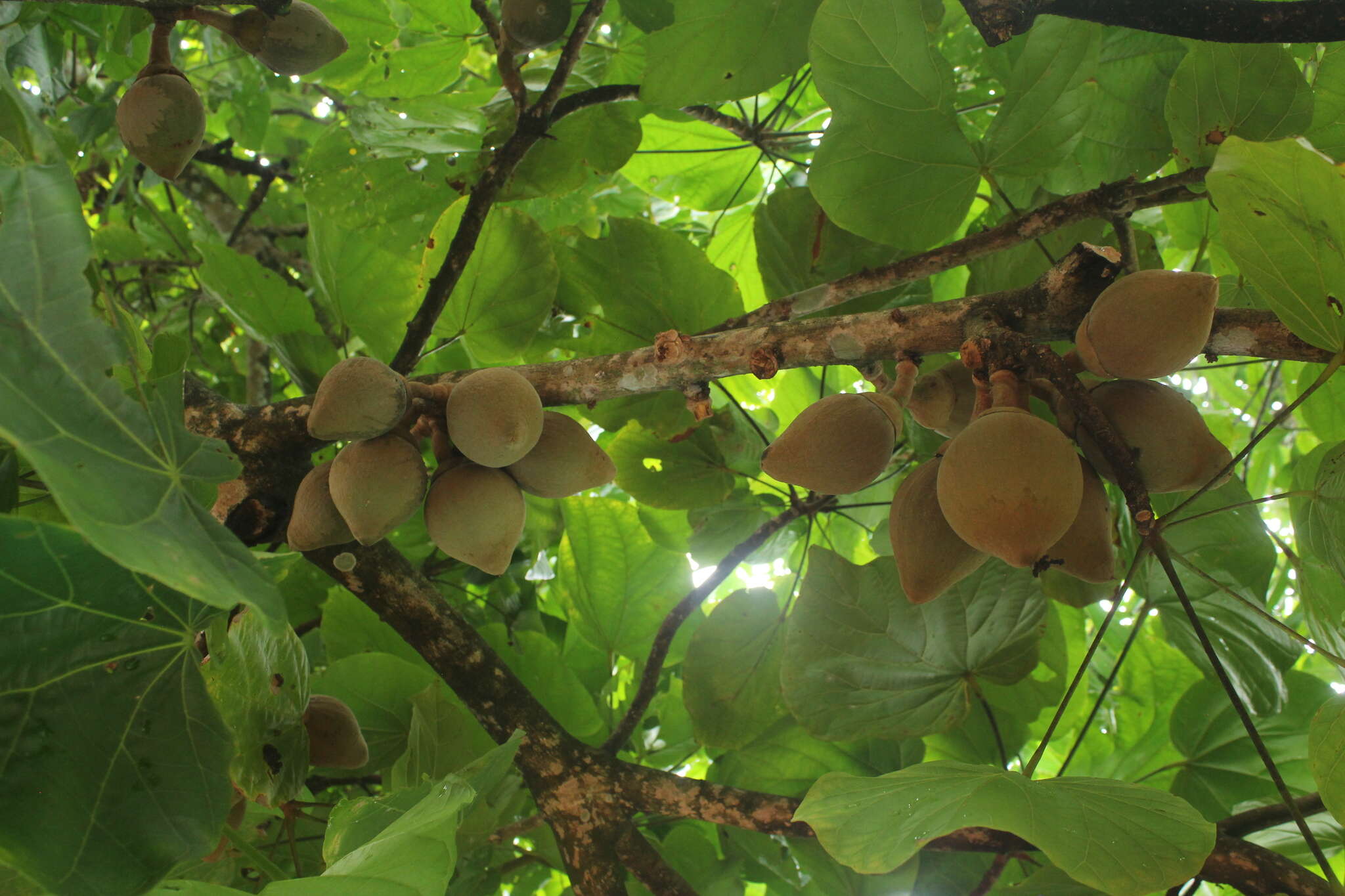
Q15613669
species of plant

Anadenanthera colubrina
species of plant
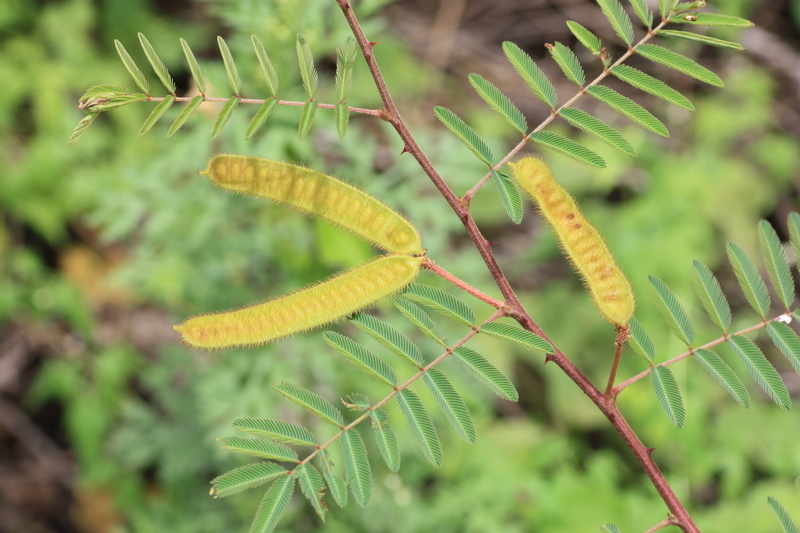
Mimosa pigra
species of plant

Solanum mauritianum
species of plant
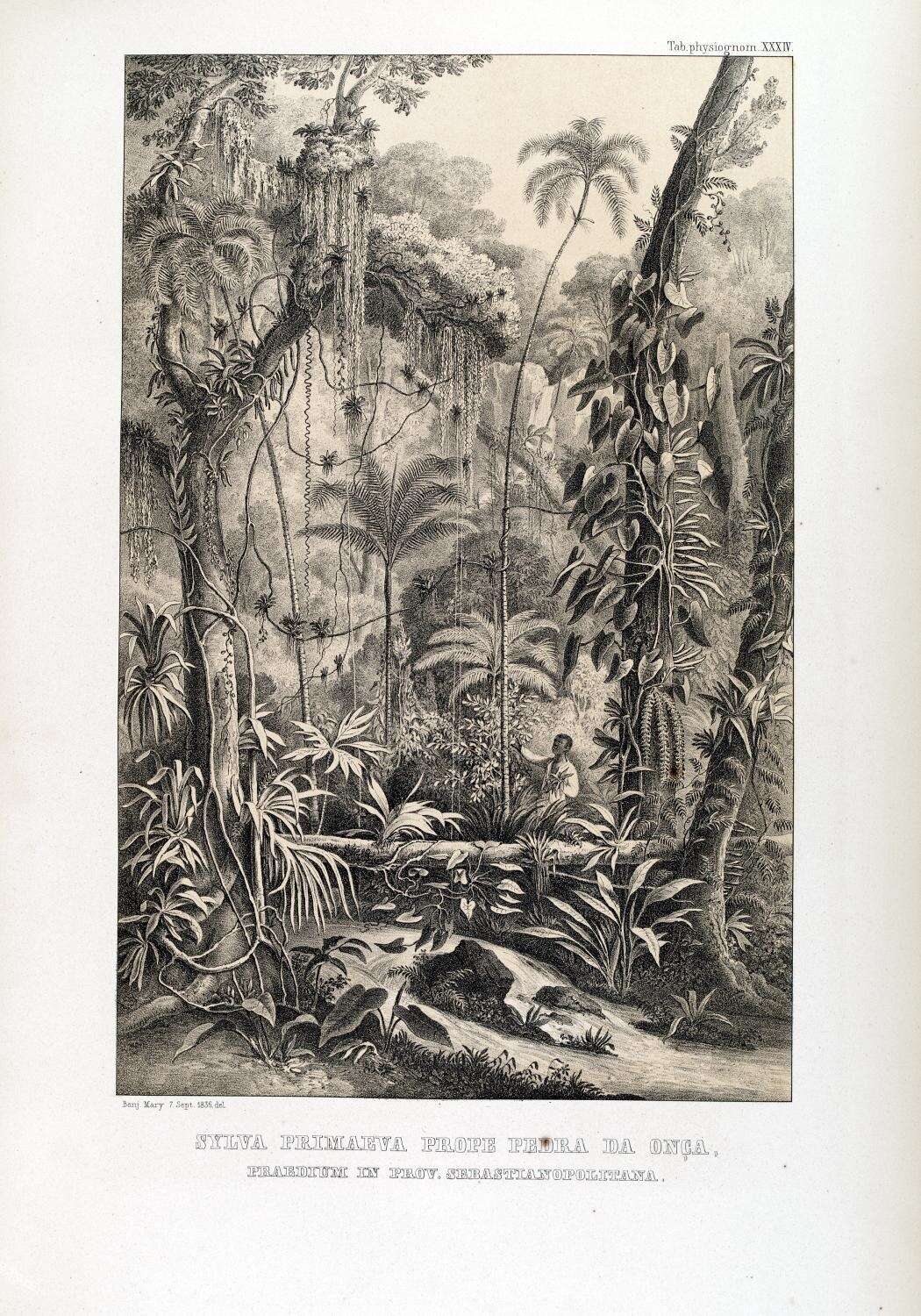
Euterpe edulis
species of plant

Theobroma bicolor
species of plant
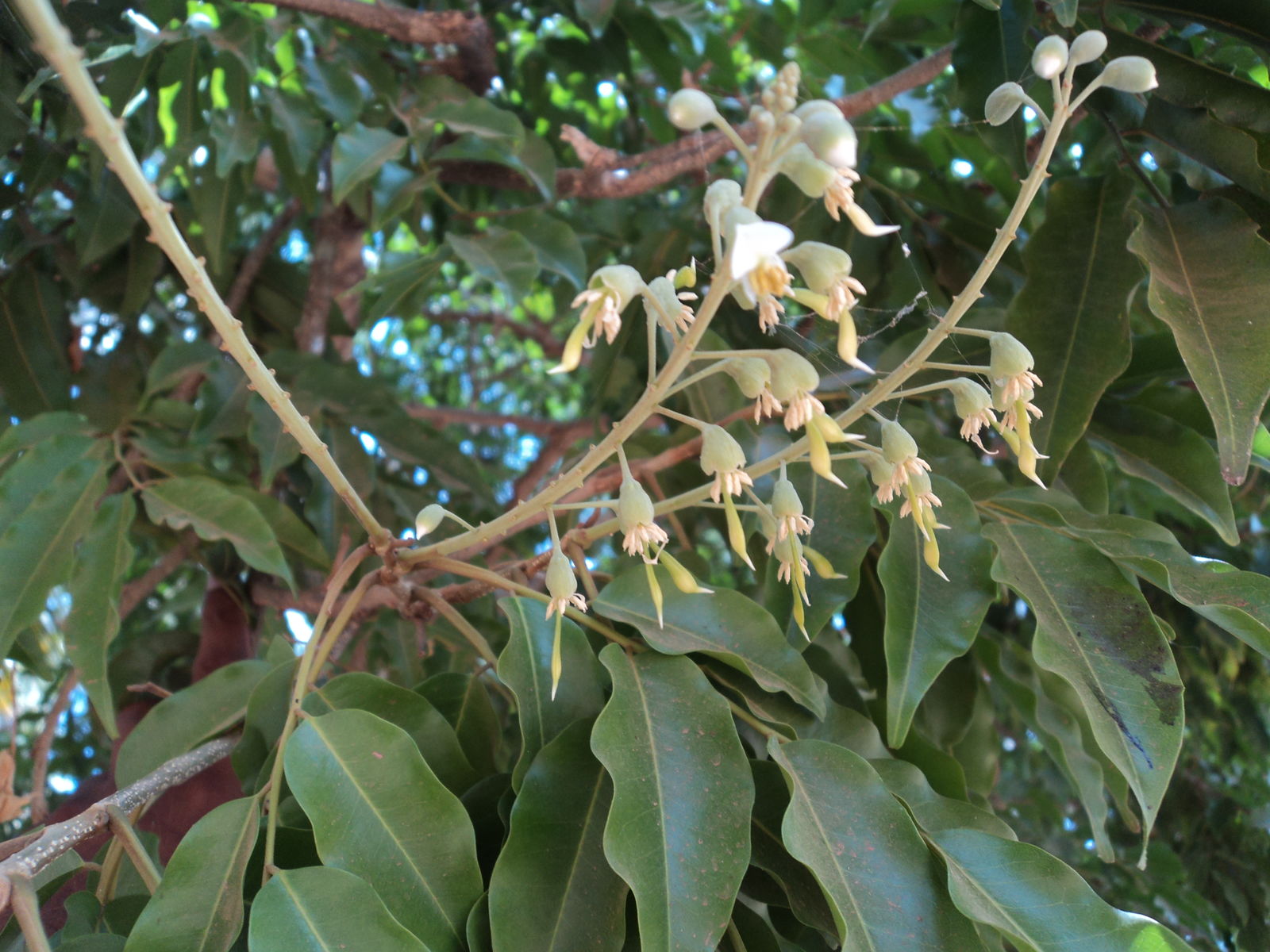
Myroxylon balsamum
species of plant

araguaney
species of plant

Cassia grandis
species of plant

Miconia calvescens
species of plant

Schinopsis balansae
species of plant
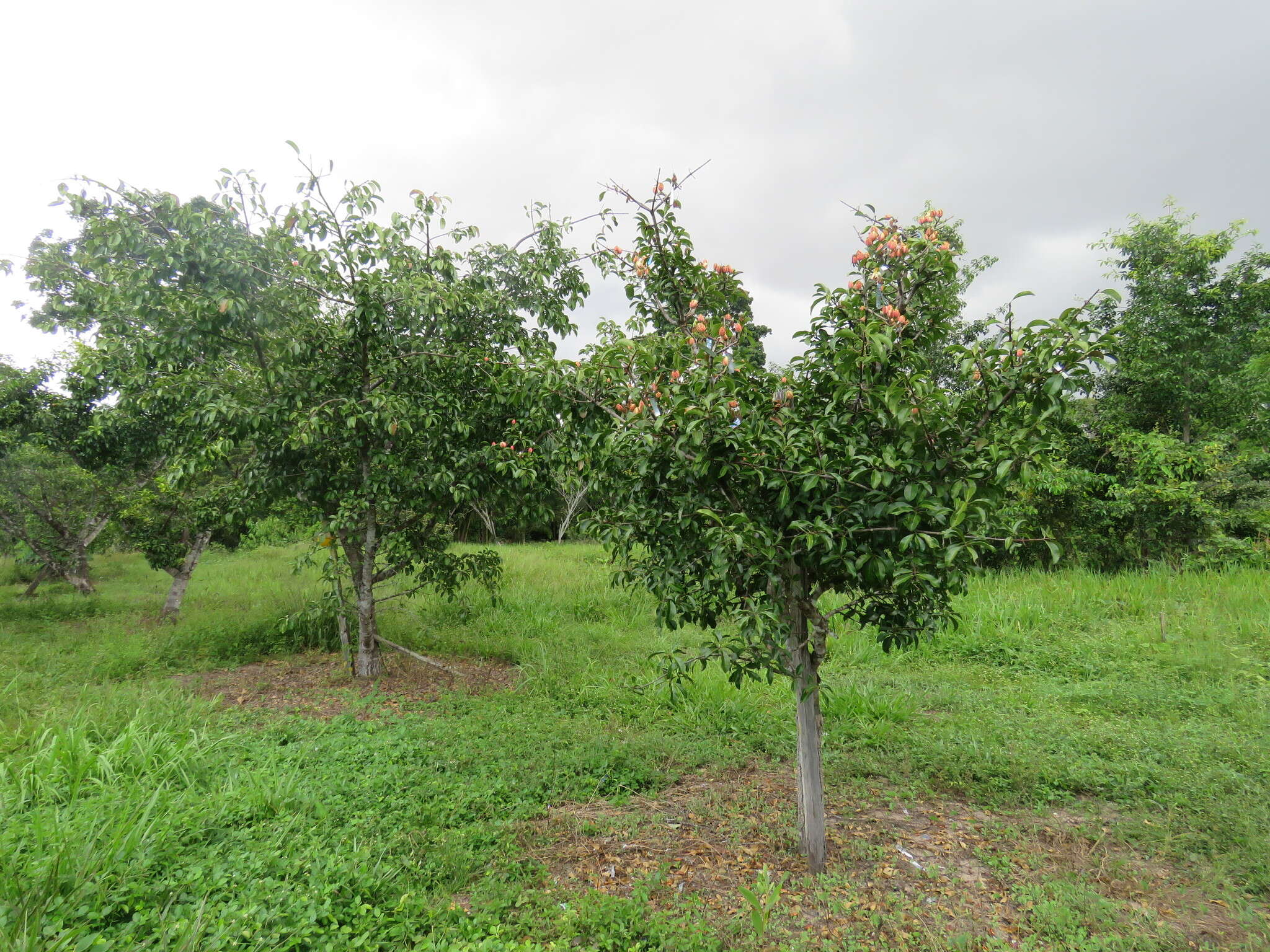
Platonia insignis
thumb|P. insignis wood

Bauhinia forficata
species of plant
Aniba rosaeodora
species of plant

Vachellia caven
species of plant
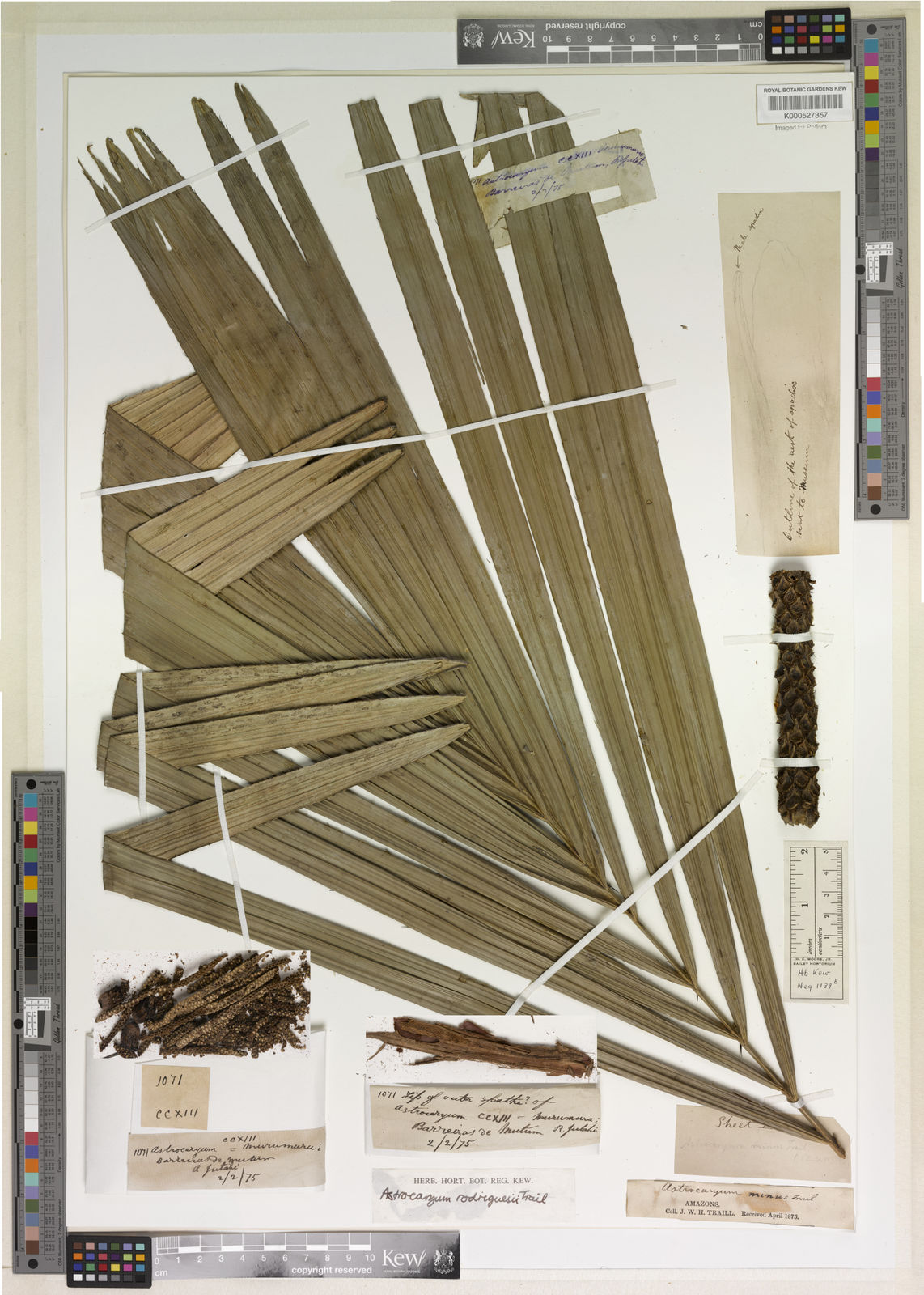
Astrocaryum aculeatum
species of plant

Copernicia alba
species of plant

Peltophorum dubium
species of plant

Dalbergia cearensis
species of plant

Prosopis affinis
species of plant

Virola surinamensis
species of plant
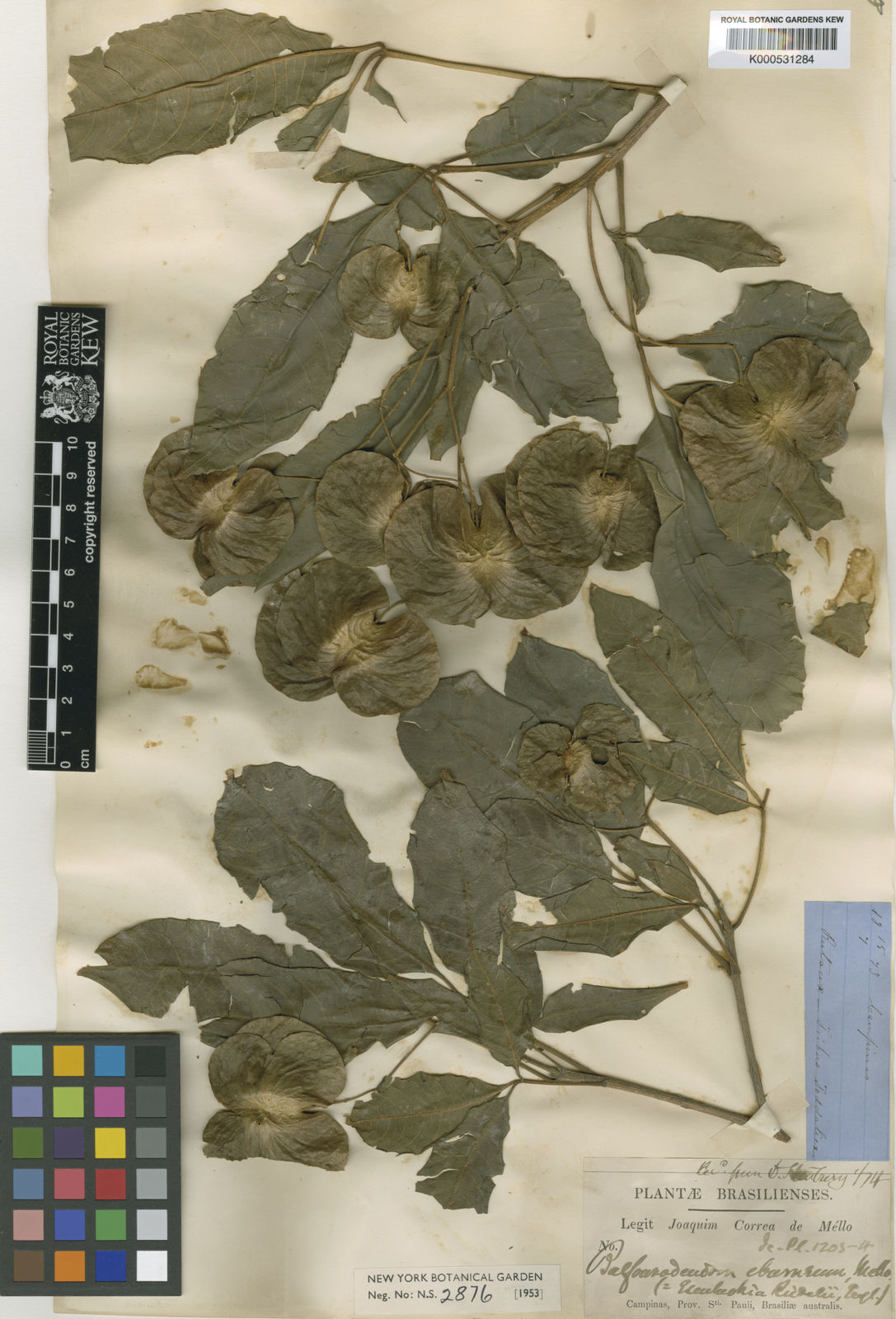
Balfourodendron riedelianum
species of plant

Aphandra natalia
Aphandra is a monotypic genus of flowering plants in the palm family native to the Amazon rainforest vegetation in South America (Ecuador, Brazil, and Peru). Its only species is Aphandra natalia, sometimes called mastodon palm or fiber palm, and is used by indigenous peoples in the construction of brooms and other products. This plant is commercially exploited for its edible fruits, and for its leaf sheath and petiole fibers. This fiber is almost equal to the fiber extracted from Attalea funifera and Leopoldinia piassaba, which is called piassava.
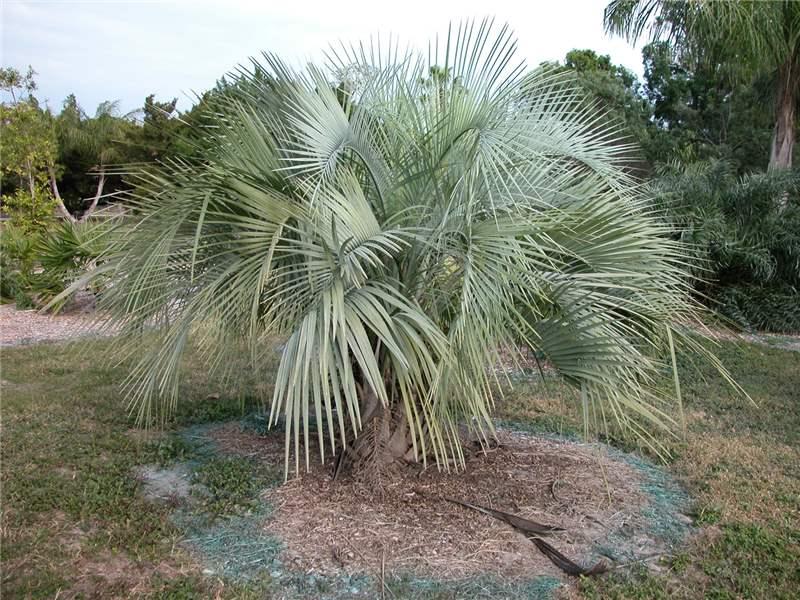
Butia yatay
species of plant
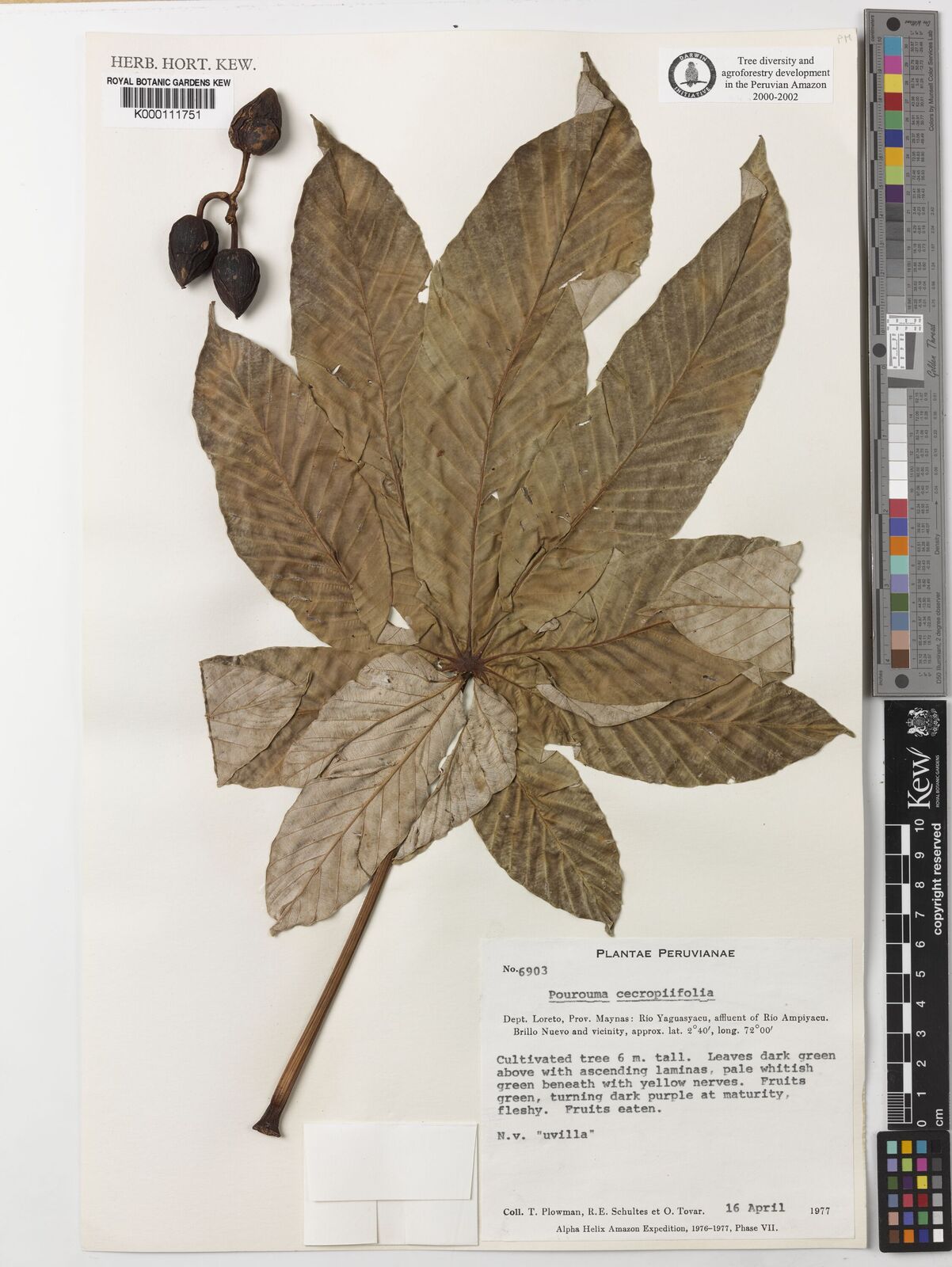
Pourouma cecropiifolia
species of plant

Attalea maripa
palm species

Tabebuia aurea
species of plant