Category
page 1Trope theorists

Aristotle
Aristotle (; 384–322 BC) was an ancient Greek philosopher and polymath. His writings cover a broad range of subjects spanning the natural sciences, philosophy, linguistics, economics, politics, psychology, and the arts. As the founder of the Peripatetic school of philosophy in the Lyceum in Athens, he began the wider Aristotelian tradition that followed, which set the groundwork for the development of modern science.
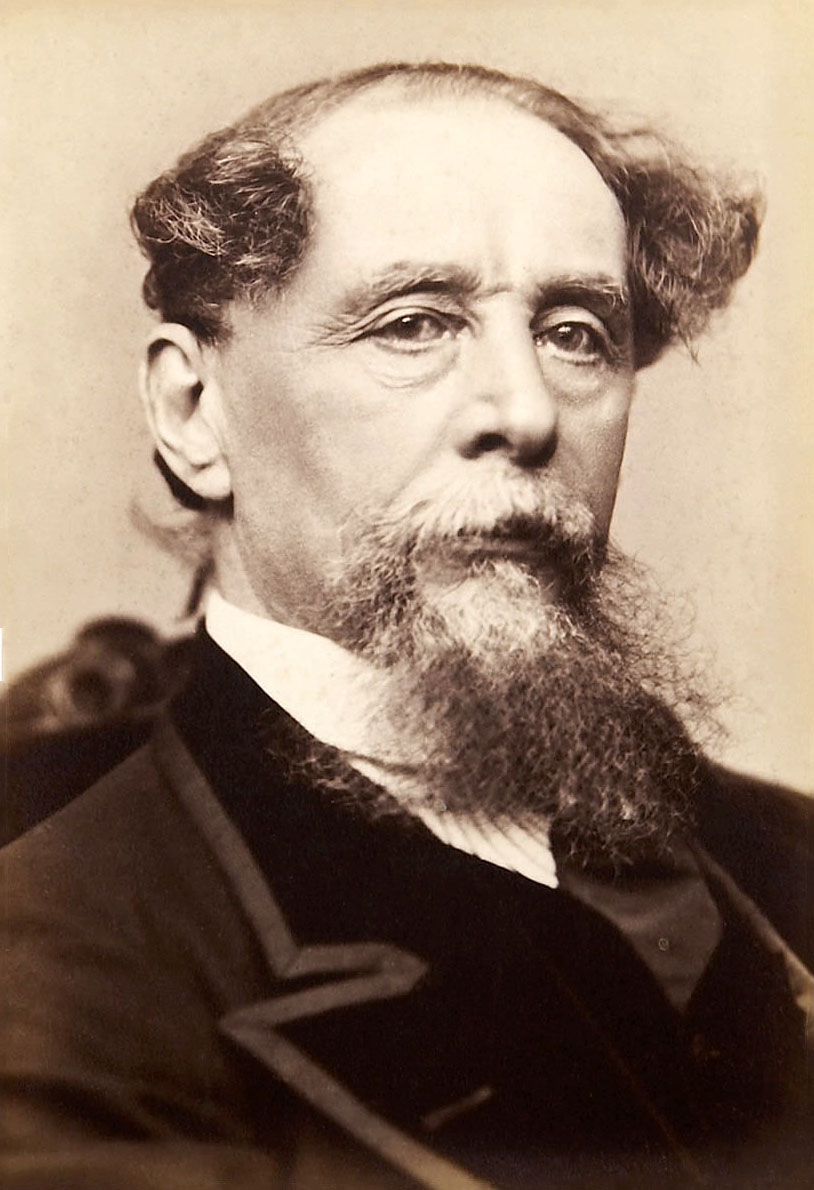
Charles Dickens
Charles John Huffam Dickens was an English writer and journalist. He created some of literature's best-known fictional characters, and is regarded by many as the greatest novelist of the Victorian era. His works enjoyed unprecedented popularity during his lifetime and, by the 20th century, critics and scholars had recognised him as a literary genius. His novels and short stories are widely read today.

James Joyce
Irish novelist and poet (1882–1941)

Cicero
Marcus Tullius Cicero ( , ; 3 January 106 BC – 7 December 43 BC) was a Roman statesman, lawyer, scholar, philosopher, orator, and writer who tried to uphold principles during the political crises of the Roman Republic that led to the establishment of the Roman Empire. The extensive writings of Cicero include treatises on rhetoric, philosophy, and politics. He is considered one of Rome's greatest orators and prose stylists and the innovator of what became known as "Ciceronian rhetoric". Cicero was educated in Rome and in Greece. He came from a wealthy municipal () family of the Roman
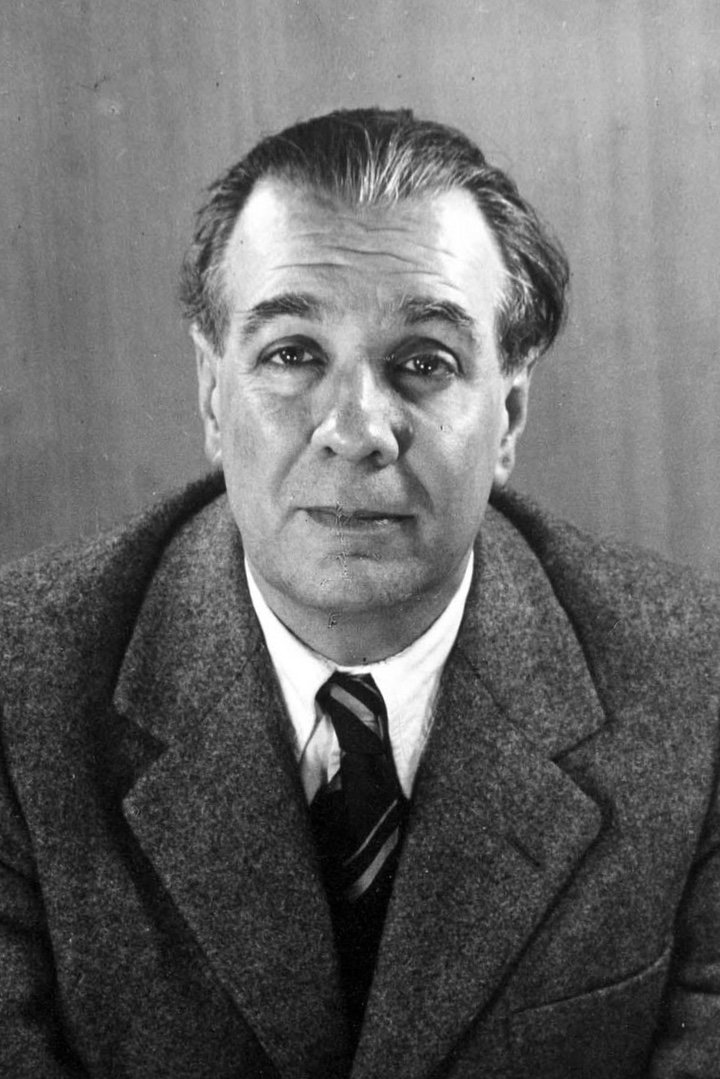
Jorge Luis Borges
Argentine writer, essayist, poet and translator (1899–1986)

Kurt Vonnegut
American author (1922–2007)

Edmund Husserl
German philosopher, known as the father of phenomenology (*1859 – †1938)
Jacques Derrida
French philosopher (1930–2004)

Bede
Bede (; ; 672/326 May 735), also known as the Venerable Bede or Bede the Venerable, was an English monk, author and scholar. He was one of the best known writers during the Early Middle Ages, and his most famous work, Ecclesiastical History of the English People, gained him the title "The Father of English History". He served at the monastery of St Peter and its companion monastery of St Paul in the Kingdom of Northumbria of the Angles.

Isidore of Seville
Hispano-Roman scholar, theologian and bishop (c. 560–636)
%2C%20frontispiece.jpg)
Quintilian
Marcus Fabius Quintilianus (; – ) was a Roman educator and rhetorician born in Hispania, widely referred to in medieval schools of rhetoric and in Renaissance writing. In English translation, he is usually referred to as Quintilian ( ), although the alternate spellings of Quintillian and Quinctilian are occasionally seen, the latter in older texts.

bell hooks
American author and activist (1952–2021)
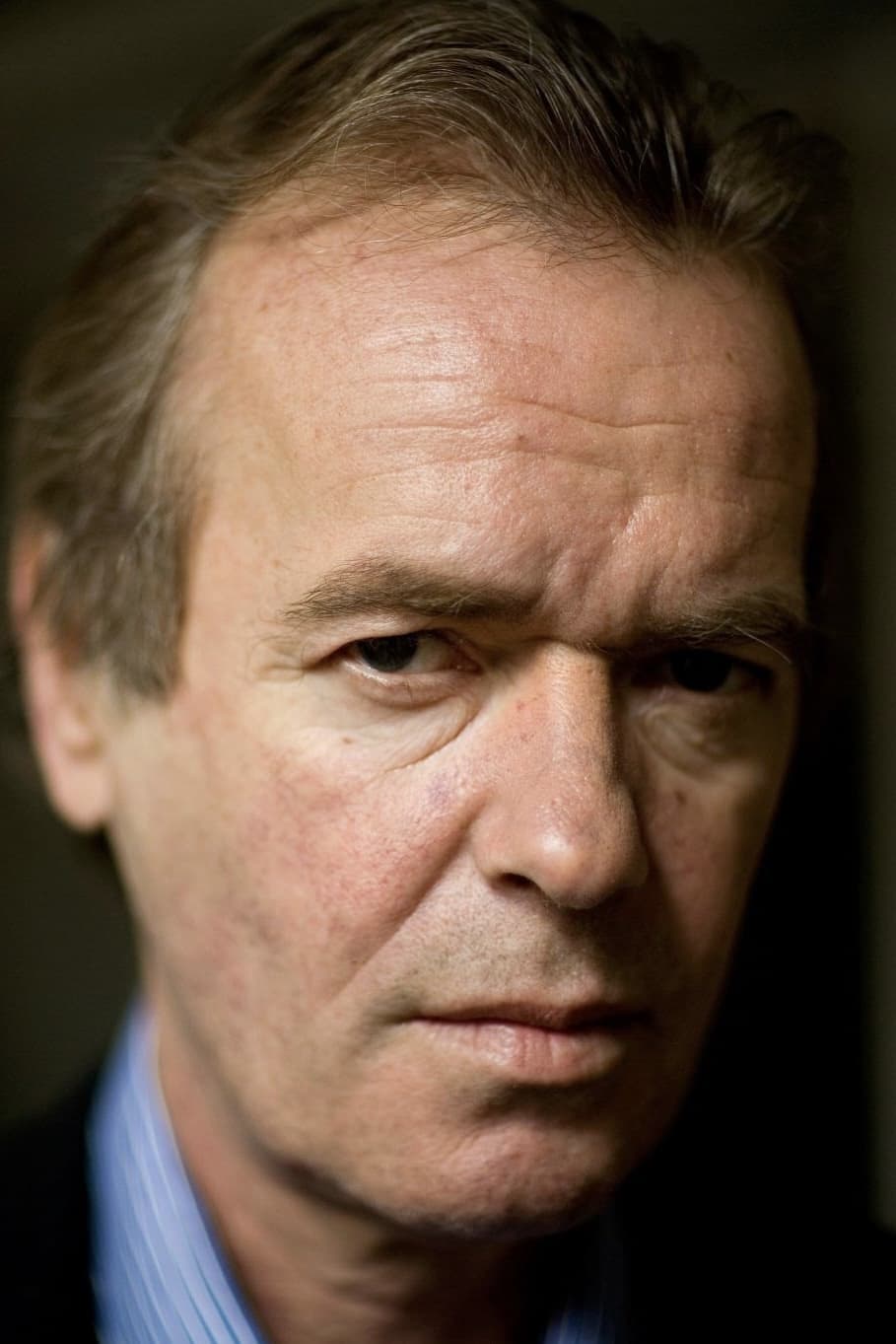
Martin Amis
British novelist
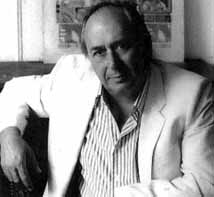
J. G. Ballard
British novelist (1930–2009)

Tzvetan Todorov
Bulgarian historian, philosopher, structuralist literary critic, sociologist and essayist (1939-2017)
Hayden White
American historian (1928–2018)

Petrus Ramus
French philosopher

Gérard Genette
French literary theorist (1930–2018)
Charles-François Dupuis
French scholar, scientist and politician (1742-1809)
Jason Stanley
American philosopher
César Chesneau Dumarsais
Early eighteenth century French philosopher and grammarian

Charles de Lint
Canadian author
Gail Simone
American comic book writer
John Neal
American writer (1793–1876)
Emanuele Tesauro
Italian writer and historian
George Dickie
American philosopher (1926–2020)
Noël Carroll
American philosopher
Joe Nickell
American skeptical investigator

George Choiroboskos
Byzantine grammarian and priest
Groupe µ
group of 20th-century Belgian semioticians
Tryphon
ancient Greek grammarian

Heinrich Lausberg
German rhetorician (1912–1992)
Sidney Morgenbesser
American philosopher (1921–2004)
Harry Levin
American literary critic (1912–1994)

Mark Johnson
American philosopher, born 1949