Category
page 1Use Oxford spelling from February 2026

Curaçao
Curaçao, officially the Country of Curaçao, is a constituent island country within the Kingdom of the Netherlands, located in the southern Caribbean Sea (specifically the Dutch Caribbean region), about north of Venezuela and 80 km (50 mi) southeast of Aruba. Curaçao includes the main island of Curaçao, and the much smaller, uninhabited island of Klein Curaçao ("Little Curaçao").
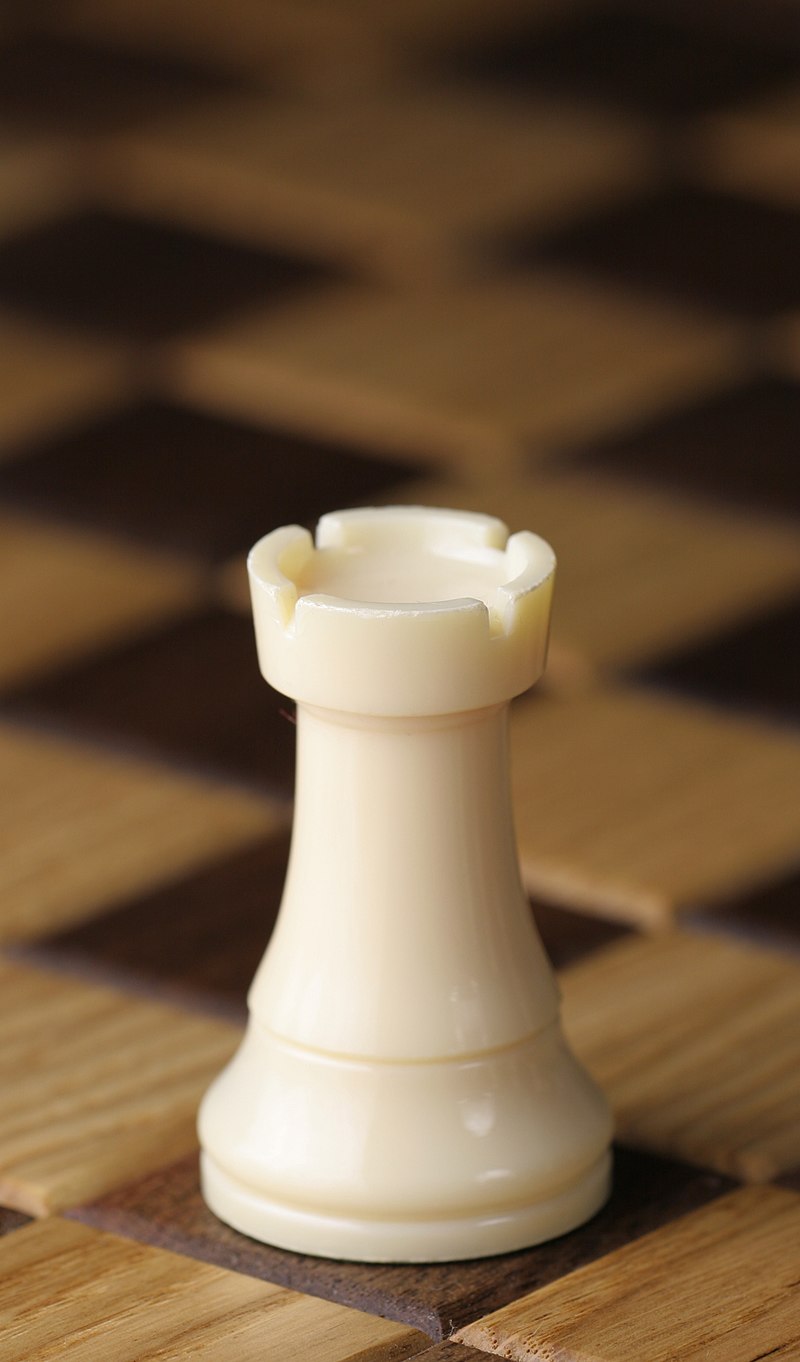
rook
chess piece

Sean Bean
British actor

United Nations Environment Programme
United Nations organisation

Epicureanism
thumb|Roman Epicurus bust
Epicureanism, less commonly Epicurism, is a school of philosophy founded in 307 BCE and based upon the teachings of Epicurus, an ancient Greek philosopher. Epicurus was an atomist and materialist, following in the steps of Democritus. His materialism led him to religious scepticism and a general attack on superstition and divine intervention. Epicureanism was originally a challenge to Platonism, and its main opponent later became Stoicism. It is a form of hedonism insofar as it declares pleasure to be its sole intrinsic goal. However, the concept that the absence of p

Erwin von Witzleben
German field marshal (1881–1944)

Alfred Naujocks
SS officer (1911–1966)

Ludwig Stumpfegger
SS physician (1910-1945)
Sivert Bakken
Norwegian cross-country skier (1998-2025)
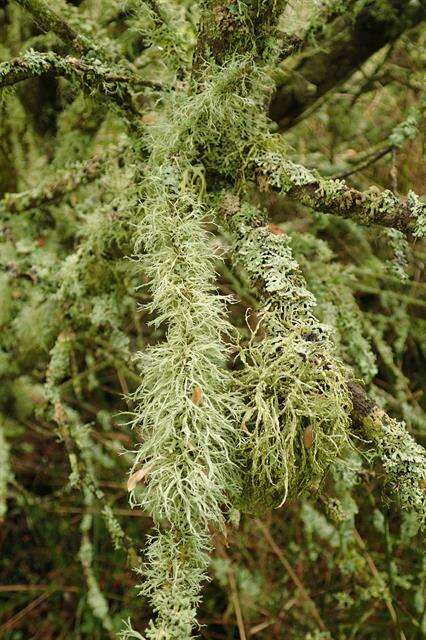
Ramalina
Ramalina is a genus of greenish fruticose lichens that grow in the form of flattened, strap-like branches. Members of the genus are commonly called strap lichens or cartilage lichens. Apothecia are lecanorine.
Karl Ernst
German SA leader (1904–1934)
post–Cold War era
time period after the Cold War in the 1990's and early 21st century
Hitler Oath
oath sworn by members of the Wehrmacht and German civil service from 1934
Caesar von Hofacker
German Luftwaffe lieutenant-colonel, member of the 20 July 1944 plot
Michael Lippert
SS officer (1897-1969)
Friedrich Panzinger
German Nazi SS officer and Holocaust perpetrator (1903–1959)

Chaenotheca
Chaenotheca is a genus of lichen-forming fungi in the family Coniocybaceae. The reproduction structures are a mass of loose ascospores that are enclosed by a cup-shaped sitting on top of a tiny stalk, having the appearance of a dressmaker's pin (called a mazaedium), hence the common name pin lichen. Genus members are also commonly called needle lichens. The genus has a worldwide distribution, with the greatest diversity in the temperate forests of the northern hemisphere, though species have also been recorded from the southern hemisphere including Australia, New Zealand, and South America. Sp
Forty hadith
Hadith collections arranged in sets of forty
Fuscidea
Fuscidea is a genus of crustose lichens in the family Fuscideaceae. It has about 40 species. The genus was established in 1972 by Volkmar Wirth and Antonín Vězda, with its name derived from the Latin for 'brown', referring to the typical colouration of these lichens. Species of Fuscidea grow almost exclusively on acidic, silica-rich rocks, favouring steep faces in humid, high-rainfall regions such as Atlantic coastlines and mountain ranges. They form cracked or patchy crusts that spread over a characteristically dark underlying margin, often creating mosaic-like patterns where neighbouring col
Canal of Zubaidah
covered aqueduct outside of Mecca, Saudi Arabia
Teloschistes
Teloschistes is a genus of lichen-forming fungi in the family Teloschistaceae, of which it is the namesake. Species of Teloschistes are among the most visually striking lichens, typically forming small, bushy, much-branched growths in vivid shades of yellow to orange, colours produced by anthraquinone pigments, particularly parietin. The genus has a worldwide distribution, with species occurring on twigs, bark, and rock surfaces in open, well-lit habitats ranging from coastal scrub and semi-arid shrublands to alpine zones.
Coniarthonia
Coniarthonia is a genus of lichen-forming fungi in the family Arthoniaceae. The genus comprises about fourteen species of crustose lichens that grow on tree bark, mainly in tropical and subtropical regions. They are distinguished by their powdery, crimson to scarlet fruiting bodies, which contain abundant crystallized red pigments, a feature that sets them apart from other lichens in the order Arthoniales. The genus was established in 2001 by the Austrian lichenologist Martin Grube, who separated these species from the large, variable genus Arthonia.

Wolfgang Foerster
German officer and historian (1875-1963)
Asahinea
Asahinea is a genus of lichen-forming fungi in the family Parmeliaceae. The genus has a widespread circumpolar distribution, and contains four species. The species form medium to large, leaf-like, yellowish to brownish crusts on rocks and plant debris in open arctic and alpine habitats, and can be conspicuous in the field; A. chrysantha in particular produces bright yellow rosettes that stand out against the tundra. The genus is named in honour of the Japanese lichenologist Yasuhiko Asahina, who made foundational contributions to the understanding of lichen chemistry in the twentieth cent
Tetramelas phaeophysciae
species of fungus
Ramalina calicaris
species of fungus
Botryolepraria
Botryolepraria is a genus of byssoid (cottony) lichens of uncertain familial placement in the order Verrucariales. It has two species. The thallus is an uncorticated, three-dimensional network of free fungal hyphae that holds clusters of green algal cells suspended within the lattice, so under low magnification it can resemble a pale, granular Lepraria-like crust. Reports are mostly from shady, humid, protected microhabitats on sheltered rock (often limestone) or on tree bark, including cave entrances and damp woodland or swamp habitats.
Aulaxina
Aulaxina is a genus of lichen-forming fungi in the family Gomphillaceae. Species of Aulaxina are found predominantly in humid tropical forests across Africa, Asia, and the Americas, where they grow on the surface of living leaves, a foliicolous lifestyle. The genus is recognised by its distinctive blackish fruiting bodies, which open in a star-like or slit-like pattern, and by the small dark hairs and club-shaped reproductive structures that dot the thallus surface. The exact number of species in the genus is uncertain, as different taxonomic databases currently disagree on which names are acc
Al-Baitul Amien Mosque
mosque in Jember, Indonesia
Microthecium levitum
species of fungus
Peltigera latiloba
species of fungus
Leimonis erratica
species of fungus
Loflammia
Loflammia is a small genus of lichen-forming fungi in the family Ectolechiaceae. The genus was established by the Czech lichenologist Antonín Vězda in 1986 to accommodate a group of foliicolous (leaf-dwelling) lichens with distinctive reddish fruiting bodies. These lichens form small greyish-white crusts on the surfaces of living leaves in tropical forests, and are recognised by their bright carmine-red disc-shaped reproductive structures. Species are known from Central and South America, Africa, and Papua New Guinea.

The Great Mecca Feast
film
Austrella
Austrella is a small genus of lichen-forming fungi in the family Pannariaceae.