Category
page 1Waterborne diseases
cholera
Cholera () is an infection of the small intestine by some strains of the bacterium Vibrio cholerae. Symptoms may range from none, to mild, to severe. The classic symptom is large amounts of watery diarrhea lasting a few days. Vomiting and muscle cramps may also occur. Diarrhea can be so severe that it leads within hours to severe dehydration and electrolyte imbalance. This can in turn result in sunken eyes, cold or cyanotic skin, decreased skin elasticity, wrinkling of the hands and feet, and, in severe cases, death. Symptoms start two hours to five days after exposure.
diarrhea
Diarrhea (American English), also spelled diarrhoea or diarrhœa (British English), is the condition of having at least three loose, liquid, or watery bowel movements in a day. It often lasts for a few days and can result in dehydration due to fluid loss. Signs of dehydration often begin with loss of the normal stretchiness of the skin and irritable behaviour. This can progress to decreased urination, loss of skin color, a fast heart rate, and a decrease in responsiveness as it becomes more severe. Loose but non-watery stools in babies who are exclusively breastfed, however, are normal.

typhoid fever
bacterial infectious disorder contracted by consumption of food or drink contaminated with Salmonella typhi. This disorder is common in developing countries and can be treated with antibiotics.
.%20Coloured%20Wellcome%20V0009858ER.jpg)
dysentery
Dysentery (, ), historically known as the bloody flux, is a type of gastroenteritis that results in bloody diarrhea. Other symptoms may include fever, abdominal pain, and a feeling of incomplete defecation. Complications may include dehydration.

constipation

schistosomiasis
Schistosomiasis, also known as snail fever, bilharzia, and Katayama fever is a neglected tropical disease, specifically a helminthiasis caused by parasitic flatworms called schistosomes. It affects humans and many other animals. It affects the urinary tract or the intestines. Symptoms include abdominal pain, diarrhea, bloody stool, or blood in the urine. Those who have been infected for a long time may experience liver damage, kidney failure, infertility, or bladder cancer. In children, schistosomiasis may cause poor growth and learning difficulties. Schistosomiasis belongs to the group of hel

dracunculiasis

giardiasis
Giardiasis is a parasitic disease caused by the protist enteropathogen Giardia duodenalis (also known as G. lamblia and G. intestinalis), especially common in children and travelers. Infected individuals experience steatorrhea, a type of diarrhea with fatty sticky stool; abdominal pain, weight loss, and weakness due to dehydration and malabsorption. Less common symptoms include skin rash, hives and joint swelling. Symptoms usually begin one to three weeks after exposure and, without treatment, may last two to six weeks or longer. Some infected individuals experience mild or no symptoms and rem

amebiasis
Amoebiasis, or amoebic dysentery, is an infection of the intestines caused by a parasitic amoeba Entamoeba histolytica. Amoebiasis can be present with no, mild, or severe symptoms. Symptoms may include lethargy, loss of weight, colonic ulcerations, abdominal pain, diarrhea, or bloody diarrhea. Complications can include inflammation and ulceration of the colon with tissue death or perforation, which may result in peritonitis. Anemia may develop if there is prolonged gastric bleeding.

Giardia lamblia
parasitic microorganism that causes giardiasis

Shigella
Shigella is a genus of bacteria that is Gram negative, facultatively anaerobic, non–spore-forming, nonmotile, rod shaped, and is genetically nested within Escherichia coli. The genus is named after Japanese physician Kiyoshi Shiga, who discovered it in 1897.
traveler's diarrhea
disease
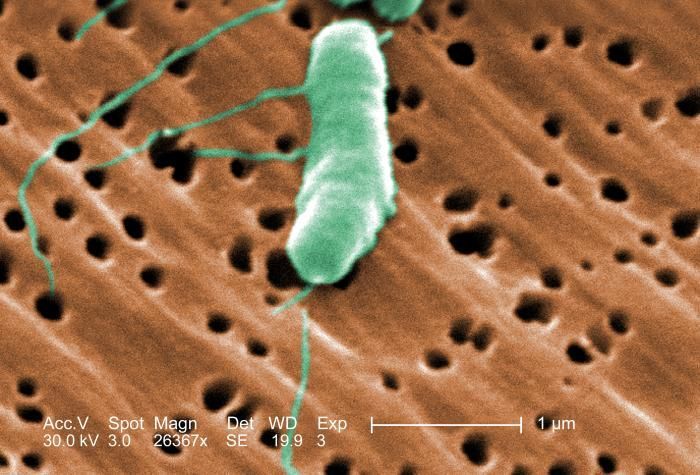
Vibrio vulnificus
species of bacterium

Balantidium coli
species of ciliate protist

Schistosoma mansoni
species of worm
primary amebic meningoencephalitis
extremely rare type of amoebiasis that infects the brain
waterborne disease
disease caused by pathogenic microorganisms that most commonly are transmitted in contaminated fresh water
water stagnation
stagnation of water

Schistosoma haematobium
species of worm

Schistosomatidae
Schistosomatidae is a family of digenetic trematodes with complex parasitic life cycles. Immature developmental stages of schistosomes are found in molluscs and adults occur in vertebrates. The best studied group, the blood flukes of the genus Schistosoma, infect and cause disease in humans. Other genera which are infective to non-human vertebrates can cause mild rashes in humans.
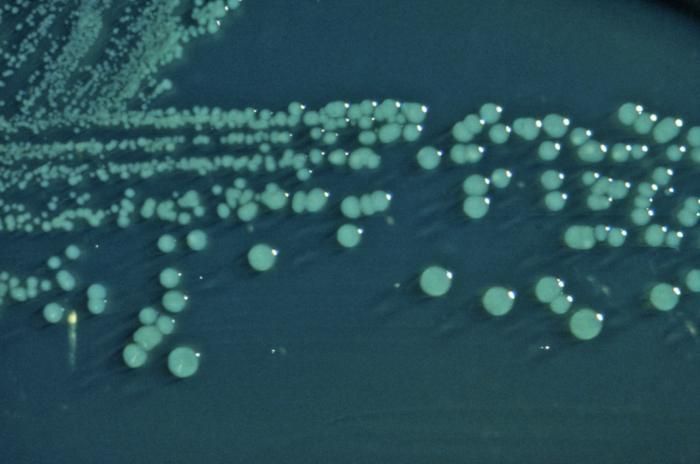
Shigella boydii
species of bacterium
vibrio infectious disease
Vibriosis or vibrio infection is an infection caused by bacteria of the genus Vibrio. About a dozen species can cause vibriosis in humans, with the most common in multiple countries across the Northern Hemisphere being Vibrio parahaemolyticus, Vibrio vulnificus, and Vibrio alginolyticus. Vibrio cholerae can also commonly cause vibriosis, though only those strains that do not produce cholera-specific toxins: non-O 1 or non-O 139. Bacteria that produce these toxins are classified by the World Health Organization as causing cholera, which is a more severe disease. Vibriosis is also an animal dise
Climate change and infectious diseases
overview of the relationship between climate change and infectious diseases
granulomatous amebic encephalitis
Human disease
portable water purification system
self-contained, easily transported units used to purify water from untreated sources
Cryptosporidium hominis
species of Conoidasida
blastocystosis
Blastocystosis refers to a medical condition caused by infection with Blastocystis. Blastocystis is a protozoal, single-celled parasite that inhabits the gastrointestinal tracts of humans and other animals. Many different types of Blastocystis exist, and they can infect humans, farm animals, birds, rodents, amphibians, reptiles, fish, and even cockroaches. Blastocystosis has been found to be a possible risk factor for development of irritable bowel syndrome.