Category
page 1Western Christianity

Holy Roman Empire
multi-ethnic complex of territories in Western and Central Europe (800/962–1806)

Carnival
thumb|260px|Carnival in Rome,
thumb|260px|Rio Carnival|Rio's Carnival is the largest in the world according to [[Guinness World Records.]]

scholasticism
upright=1.2|right|thumb|14th-century image of a university lecture

Assumption of Mary
the bodily taking up of the Virgin Mary into Heaven at the end of her earthly life, dogma of the Catholic Church

Vulgate
The Vulgate () is a late-4th-century Latin translation of the Bible. It is largely the work of Saint Jerome who, in 382, had been commissioned by Pope Damasus I to revise the Gospels used by the Roman Church. Later, of his own initiative, Jerome extended this work of revision and translation to include most of the books of the Bible.

original sin
Christian belief in the state of sin in which humanity has existed since the fall of man
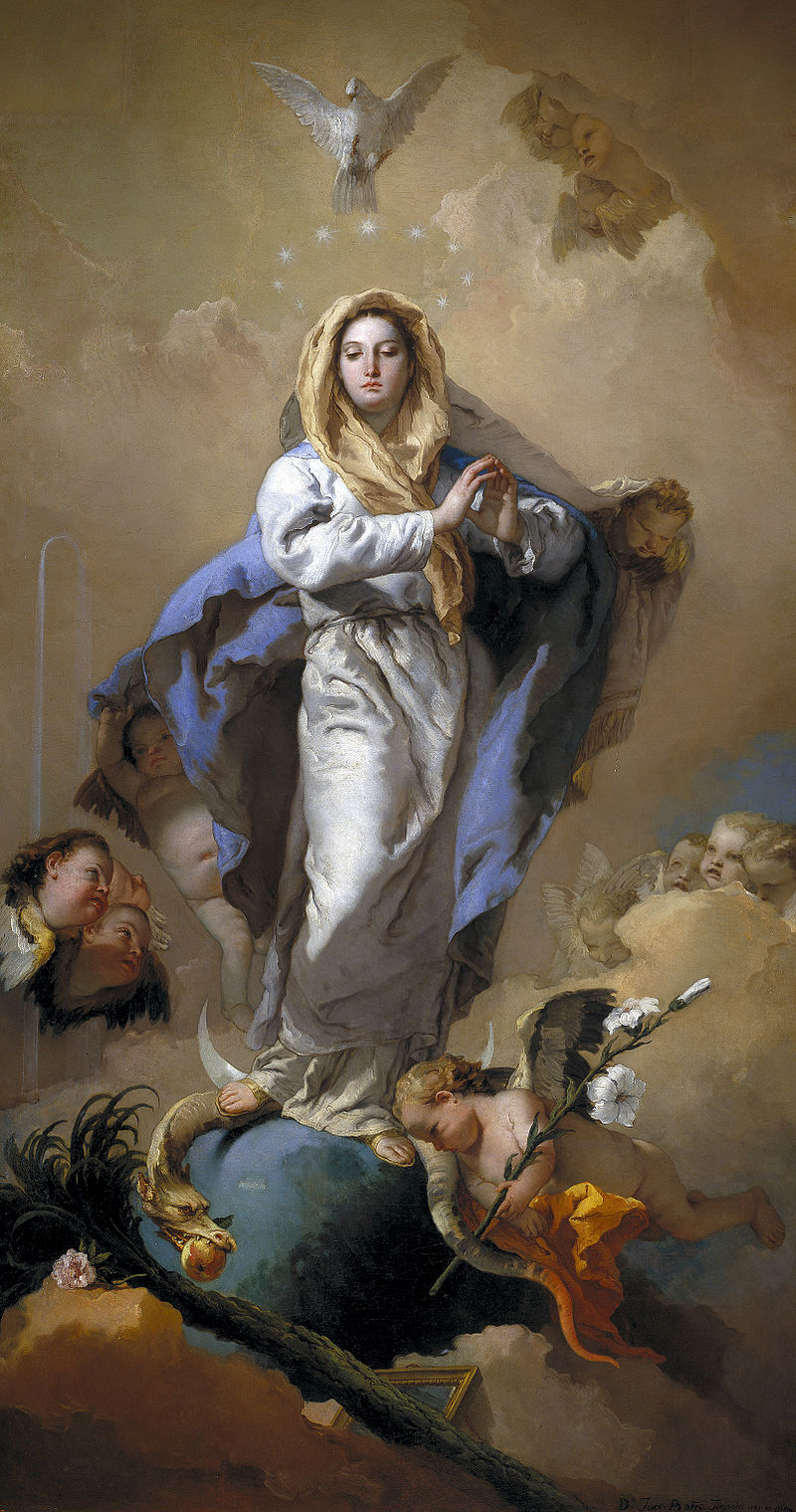
Immaculate Conception of Mary
teaching that Mary was conceived free from original sin

Feast of Corpus Christi
Catholic feast day, public holiday in some countries

Western Christianity
Christianity originating from the tradition of the Western Roman Empire, with its capital in Rome. consists of the Latin Church of the Catholic Church and its derivatives
.jpg)
Thomism
thumb|Painting of Saint Thomas Aquinas, after whom Thomism is named

Lamb of God
title for Jesus

filioque clause
thumb|The Holy Spirit coming from both the Father and the Son, detail of the Boulbon Altarpiece, . Originally from the high altar of the Chapelle Saint-Marcellin, Boulbon, France, now in the [[Louvre, Paris.]]

Athanasian Creed
Christian statement of belief focused on Trinitarian doctrine and Christology

Roman Rite
most common rite practiced in the Latin Catholic Church
Ecclesiastical Latin
variety of Latin that is used for liturgical purposes
Latin liturgical rites
rites used in the Latin Catholic Church
Christian humanism
philosophical union of Judeo-Christian ethics and humanist principles
Carthage
titular see in Tunisia
Patriarch of the West
one of the official titles of the Pope, as the highest authority of the Latin Catholic Church
religious
member of a Catholic order
papal supremacy
doctrine of the Roman Catholic Church that the pope, by reason of his office as Vicar of Christ and as pastor of the entire Christian Church, has full, supreme, and universal power over the whole Church
Donation of Sutri
agreement reached at Sutri by Liutprand, King of the Lombards and Pope Gregory II in 728
God the Father in Western art
aspect of history