Category
page 1Winter traditions

Ilex
Ilex () or holly is a genus of over 570 species of flowering plants in the family Aquifoliaceae, and the only living genus in that family. Ilex has the most species of any woody dioecious angiosperm genus. The species are evergreen or deciduous trees, shrubs, and climbers from tropics to temperate zones worldwide. The type species is Ilex aquifolium, the common European holly used in Christmas decorations and cards.

Ded Moroz
Christmas figure in Slavic cultures

Kutia
Kutia or kutya is a ceremonial grain dish with sweet gravy traditionally served predominantly in Belarusian and Ukrainian cuisine, but also in parts of Lithuania, Poland, and Russia. It is consumed by both Eastern Orthodox Christians and Catholics, though whether it is served on Christmas–Feast of Jordan holiday season or as part of a funeral feast can vary between regions. The word with a descriptor is also used to describe the eves of Christmas, New Year, and Feast of Jordan days.
snow globe
transparent sphere enclosing a miniaturized scene, filled with water with unattached objects resembling snowflakes
Christmas and holiday season
Christmas period with related and unrelated holidays between the end of November until the first days of January
Yule Goat
Scandanavian decorative Christmas straw goat
Shchedryk
Ukrainian song
Yule log
specially selected log burnt on a hearth as a Christmas tradition in parts of Europe

mistletoe
thumb|right|European mistletoe (Viscum album) attached to a dormant common aspen ([[Populus tremula)]]
thumb|right|European mistletoe growing on an apple tree (Malus domestica); despite the mistletoe's presence, the apple tree is still able to bear fruit.
Jack Frost
personification of frost and cold weather
Tsagaan Sar
first day of the year according to the Mongolian lunar calendar
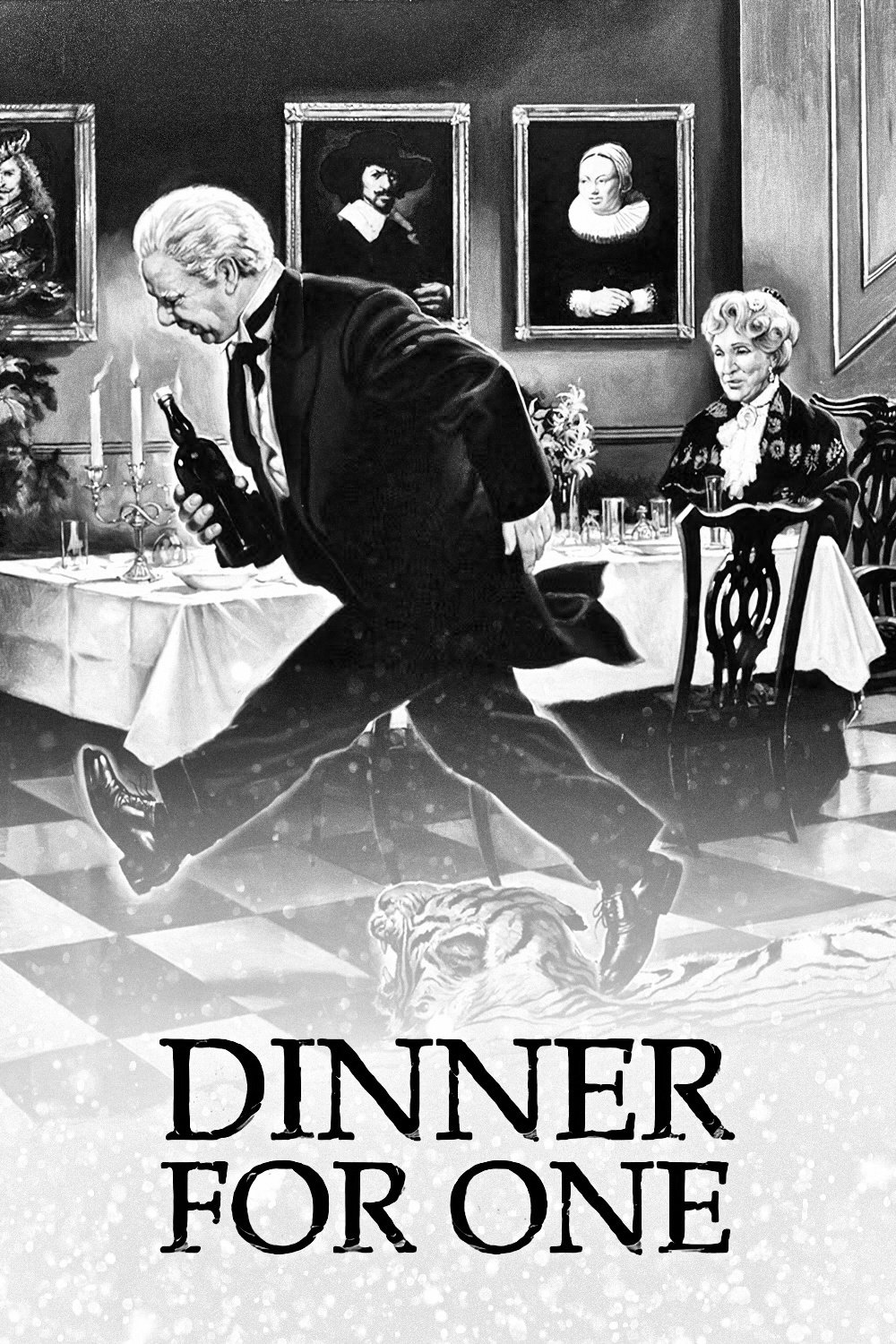
Dinner for One
1963 sketch comedy directed by Heinz Dunkhase
Times Square Ball
time ball located in New York City's Times Square

Namahage
thumb|300px|A dancing drummer wearing a Namahage costume, performed Namahage-Daiko in Akita Station.
The are demonlike beings portrayed by men wearing hefty oni (ogre) masks and traditional straw capes (mino) during a New Year's ritual, in local northern Japanese folklore of the Oga Peninsula area of Akita Prefecture.

Didukh
thumbnail|Didukh
Vasilopita
Vasilopita (, Vasilópita, lit. '(St.) Basil-pie' or 'Vassilis pie', see below) is a New Year's Day bread, cake or pie in Greece and throughout Southeastern Europe which contains a hidden coin or trinket which gives good luck to the receiver, like the Western European king cake. It is associated with Saint Basil's day, 1 January, in most of Greece, but in some regions, the traditions surrounding a cake or pita with a hidden coin are attached to Epiphany or to Christmas. It is made of a variety of dough, depending on regional and family tradition, including tsoureki. In some families, instead of
Novy God
Soviet & Post-Soviet New Year's celebration
Mari Lwyd
Welsh folk custom
Räuchermann
The Räuchermann (diminutive Räuchermännchen ; Erzgebirgisch: Raachermannel) is an incense smoker, the invention of toy makers in the Ore Mountains, used to burn down cone incense, known as Räucherkerzchen.
mummers play
folk play
First-Foot
In Scottish, Northern English, and Manx folklore, the first-foot (, ) is the first person to enter the home of a household on New Year's Day and is seen as a bringer of good fortune for the coming year. Similar practices are also found in Greek, Vietnamese, and Georgian new year traditions.
Schwibbogen
thumb|upright=1.3|A typical schwibbogen
thumb|Bunter Erzgebirgischer Schwibbogen1
thumb|Lichterbogen Kunstguss Döhler
Biike Burning
thumb|Biikebrennen in Flensburg (2014)
thumb|Biikebrennen in Risum-Lindholm (2008)
thumb|Biikebrennen in Flensburg (2014)
kakizome
thumb|A Florida woman writing "New Year" ()
Kakizome (, literally "first writing") is a Japanese term for the first calligraphy written at the beginning of a year, traditionally on January 2. Other terms include kissho (), shihitsu () and hatsusuzuri ().
Þorrablót
Þorrablót (; transliterated as thorrablot) is an Icelandic midwinter festival, named for the month of Þorri of the historical Icelandic calendar (corresponding to mid January to mid February), and blót, literally meaning sacrifice.
Þorri
Þorri () is the Icelandic name of the personification of frost or winter in Norse mythology, and also the name of the fourth winter month (mid January to mid February) in the Icelandic calendar.
Wren Day
Celtic celebration held on 26 December, St. Stephen's Day
Swabian-Alemannic Carnival
Carnival folkways of southwestern Germany, north-central Switzerland, Alsace (France) and Vorarlberg (Austria)
Percht
Primitive rituals based on folklore, pre-christian Alpine traditions
snapdragon
game played in winter
Pumpkin Spice Latte
autumnal coffee drink
Réveillon
A réveillon () is a long dinner held on Christmas Eve or New Year's Eve. Its name descends from the word réveil (meaning "waking"), because participation involves staying awake until morning, as the meal finishes.
Pluguşorul
thumb|Plugușorul in Moldova
Plugușorul (Plowing is symbolic, ) is a Romanian New Year's tradition and carol.