Category
page 3Year of birth unknown

Boniface III
pope
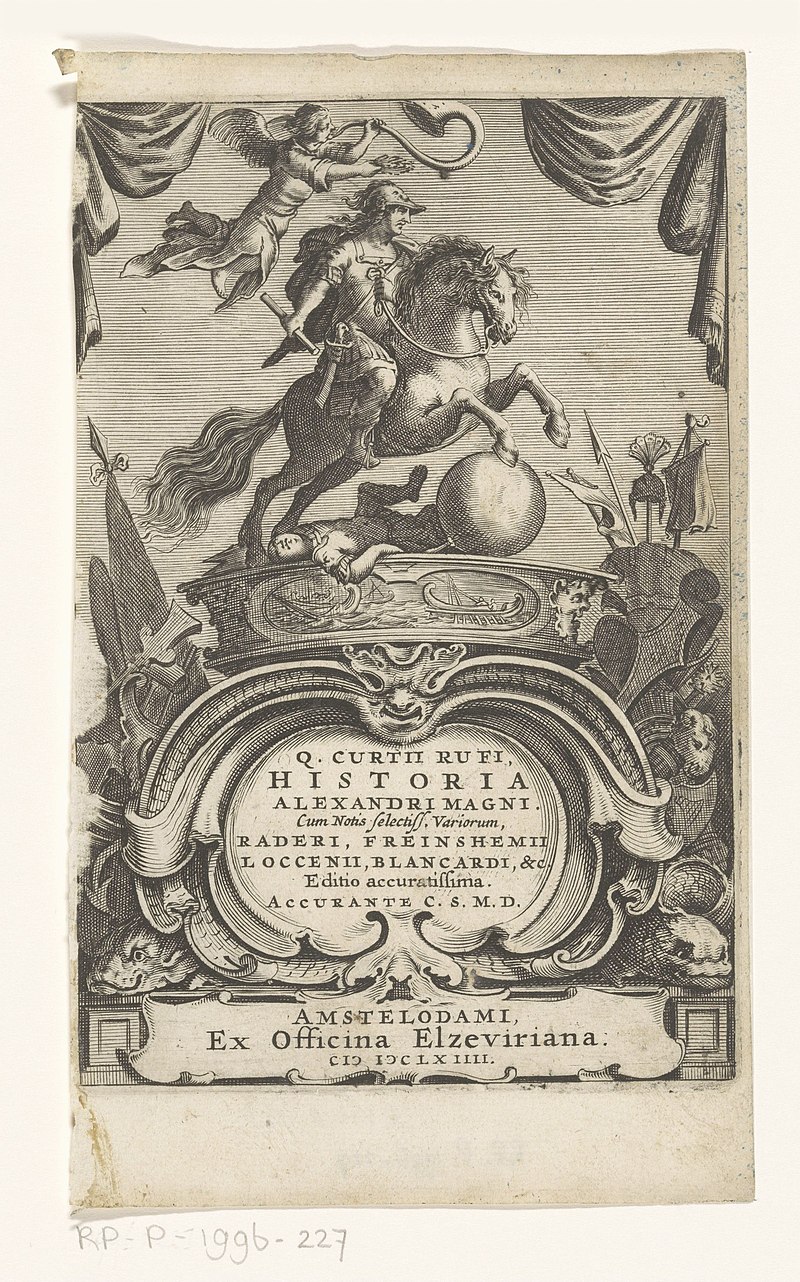
Quintus Curtius Rufus
Roman historian

Barnabas
Barnabas (; ; ), born Joseph () or Joses (), was a prominent Christian disciple, identified as an apostle in Acts 14:14. According to Acts 4:36, he was a Cypriot Levite. He undertook missionary journeys as a companion of Paul the Apostle, evangelizing among the "God-fearing" Gentiles who attended synagogues in some of the Hellenized cities of Anatolia. He participated in the Council of Jerusalem ( AD).

Donus
7th century pope

John XIII
Head of the Catholic Church from 965 to 972

John XIX
pope

Severinus
7th-century pope

Marinus II
pope

Celestine II
pope of the Catholic Church from 1143 to 1144

Lucius II
pope of the Catholic Church from 1144 to 1145

Benedict VII
pope

Artaxerxes I
sixth Achaemenid emperor (475–424 BC)
John XVIII
pope of the Catholic Church

John XVII
pope
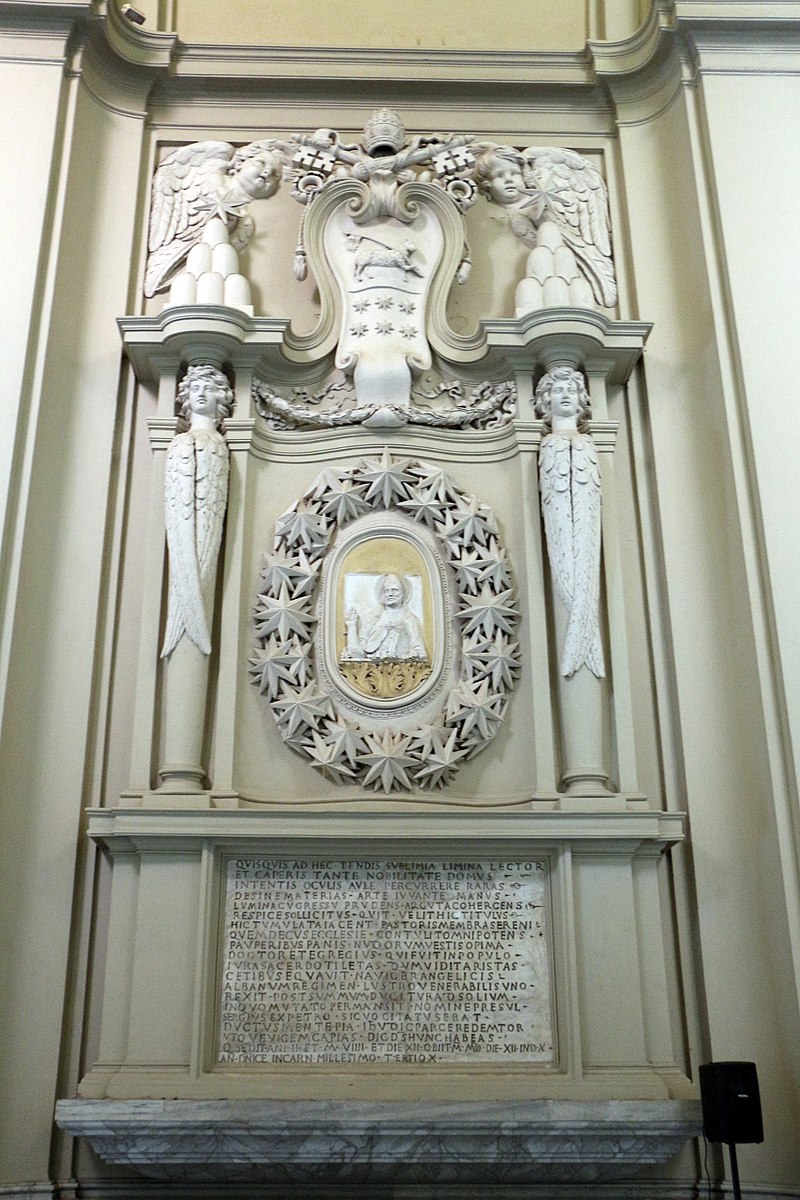
Sergius IV
Pope from 1009 to 1012

Saint Valentine
Saint Valentine was a 3rd-century Roman saint, commemorated in Western Christianity on February 14 and in Eastern Orthodoxy on July 6. From the High Middle Ages, his feast day has been associated with a tradition of courtly love. He is also a patron saint of Terni, epilepsy, and beekeepers. Saint Valentine was a clergyman – either a priest or a bishop – in the Roman Empire who ministered to persecuted Christians. He was martyred and his body buried on the Via Flaminia on February 14, which has been observed as the Feast of Saint Valentine since at least the eighth century.

Cambyses II
The second Achaemenid emperor (530–522 BC)
Stephen VIII
pope

Agapetus II
Catholic pope, 946-955

Vercingetorix
Vercingetorix (; ; ; – 46 BC) was a Gallic nobleman and chieftain of the Arverni who united the Gauls in a failed revolt against Rome during the Gallic Wars (58–50 BC).

Diogenes Laërtius
3rd-century Roman biographer of Greek philosophers

Alp Arslan
second sultan of the Seljuk Empire (1063–1072)

Matthias the Apostle
religious figure of the Christian faith

Seti I
The second pharaoh of Ancient Egypt's 19th dynasty

Pausanias
ancient Greek geographer, travel writer and mythographer

Amenhotep III
ninth Pharaoh of the Eighteenth dynasty of Egypt

Khafra
Khafre or Chephren (died 2532 BC) was an ancient Egyptian monarch who was the fourth king of the Fourth Dynasty, during the earlier half of the Old Kingdom period ( 2700–2200 BC). He was son of the king Khufu, and succeeded his brother Djedefre to the throne.

Quintillus
Marcus Aurelius Claudius Quintillus (died 270) was a short-lived Roman emperor. He took power after the death of his brother, Emperor Claudius Gothicus, in 270. After reigning for a few weeks Quintillus was overthrown by Aurelian, who had been proclaimed rival emperor by the legions he commanded. The ancient sources variously report him to have killed himself, to have fallen in battle against Aurelian, or to have been murdered by his own soldiers.

Alcaeus of Mytilene
thumb|Alcaeus and Sappho, Attic red-figure calathus, c. 470 BC, [[Staatliche Antikensammlungen (Inv. 2416)]]

Tacitus
Roman emperor from 275 to 276

Shapur I
second Sassanid emperor (241–272)

Agatha of Sicily
Christian saint and martyress (235–261)

Numa Pompilius
legendary second king of Rome, succeeding Romulus

Piri Reis
Turkish admiral and cartographer
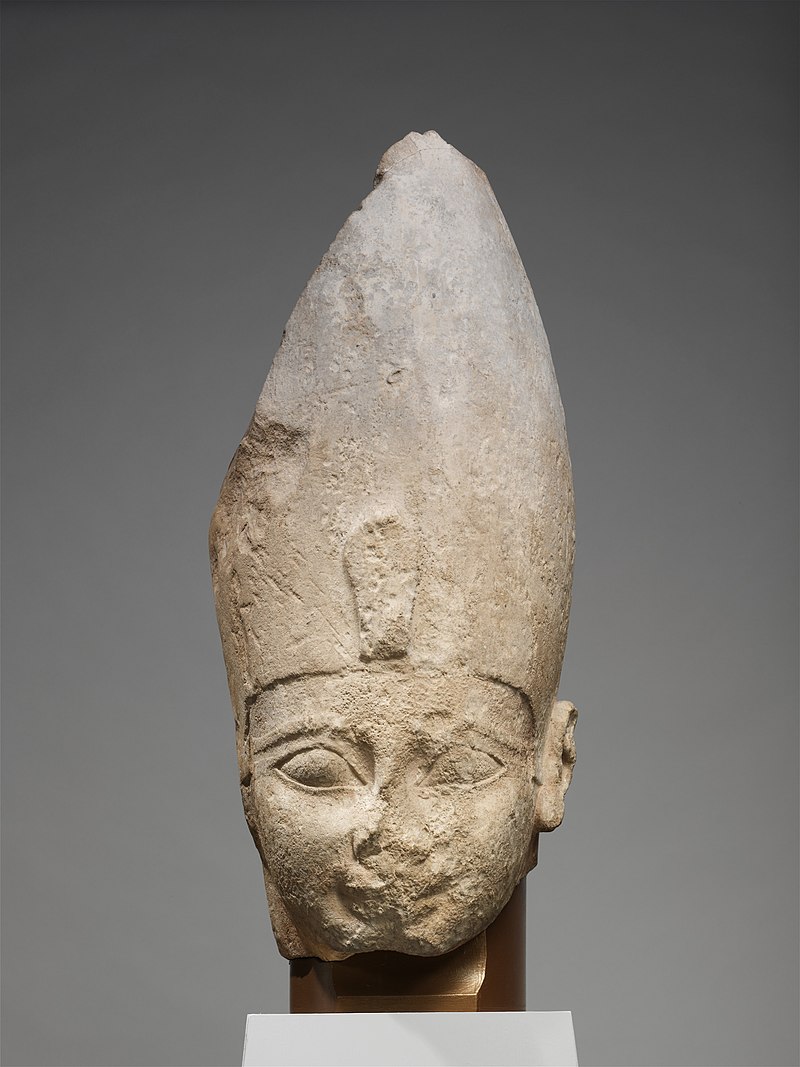
Ahmose I
Pharaoh of Ancient Egypt

Ertuğrul
Ertuğrul or Ertuğrul Ghazi (; died ) was a 13th-century uch bey (marcher-lord), who was the father of Osman I. Little is known about Ertuğrul's life. According to Ottoman tradition, he was the son of Suleyman Shah, the leader of the Kayı tribe (a claim which has come under criticism from many historians) of the Oghuz Turks (then known as Turkomans), which fled from western Central Asia to Anatolia to escape the Mongol conquests; but according to contemporary numinastic evidence, he was the son of Gündüz Alp. According to the legend, after the death of his father, Ertuğrul and his followers ent
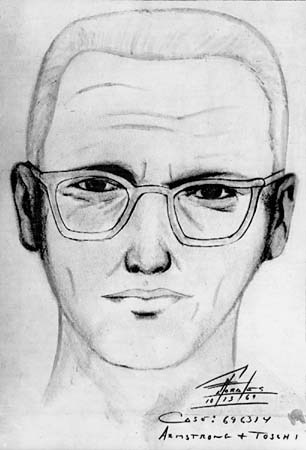
Zodiac Killer
serial killer in California

Diadumenian
Diadumenian ( ; ; 14September 208 – June 218) was the son of the Roman emperor Macrinus and served as his co-ruler for a brief time in 218. His mother, Macrinus' wife, is called Nonia Celsa in the unreliable , though this name may have been fictional. Diadumenian became in May 217, shortly after his father's accession to the imperial throne. Elagabalus, a relative of the recently deceased Caracalla, revolted in May of the following year, and Diadumenian was elevated to co-emperor. After Macrinus was defeated in the Battle of Antioch on 8 June 218, Diadumenian was sent to the court of Artabanus

Florian
Marcus Annius Florianus (died 276), also known as Florian, was briefly Roman emperor in the year 276. He took the throne after the murder of his half-brother Tacitus, but was killed after 88 days by his own troops during his confrontation with the rival emperor Probus, who took over the Eastern provinces after Tacitus' death.

Roland
Roland (; ; or Rotholandus; or Rolando; died 15 August 778) was a Frankish military leader under Charlemagne who became an epic hero and one of the principal figures in the literary cycle known as the Matter of France. The historical Roland was military governor of the Breton March, responsible for defending Francia's frontier against the Bretons. His only historical attestation is in Einhard's Vita Karoli Magni, which notes he was part of the Frankish rearguard killed in retribution by the Basques in Iberia at the Battle of Roncevaux Pass.
Pope-elect Stephen
priest of Rome elected pope in March 752

James the Just
Jewish bishop of Jerusalem figure in Early Christianity

Lucas Cranach the Elder
German painter and printmaker (1472–1553)
%20obverse.jpg)
Carinus
thumb|A Roman Antoninianus|radiate produced in 283 depicting Emperor Carinus. From the collection of [[York Museums Trust. Legend: M. AVR. CARINVS NOB. CAES.]]
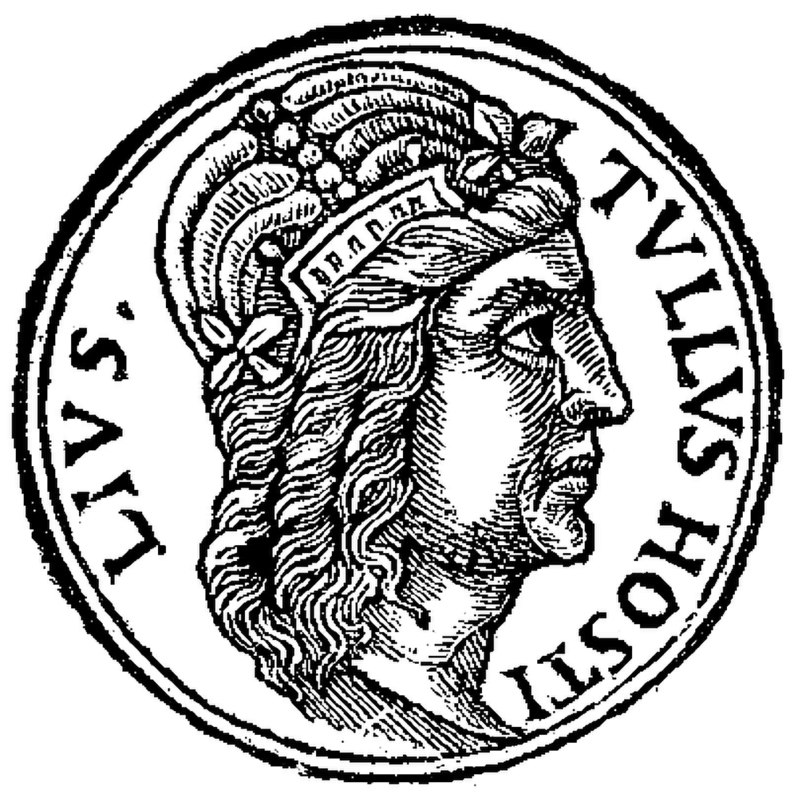
Tullus Hostilius
King of Rome from 672 to 640 BC
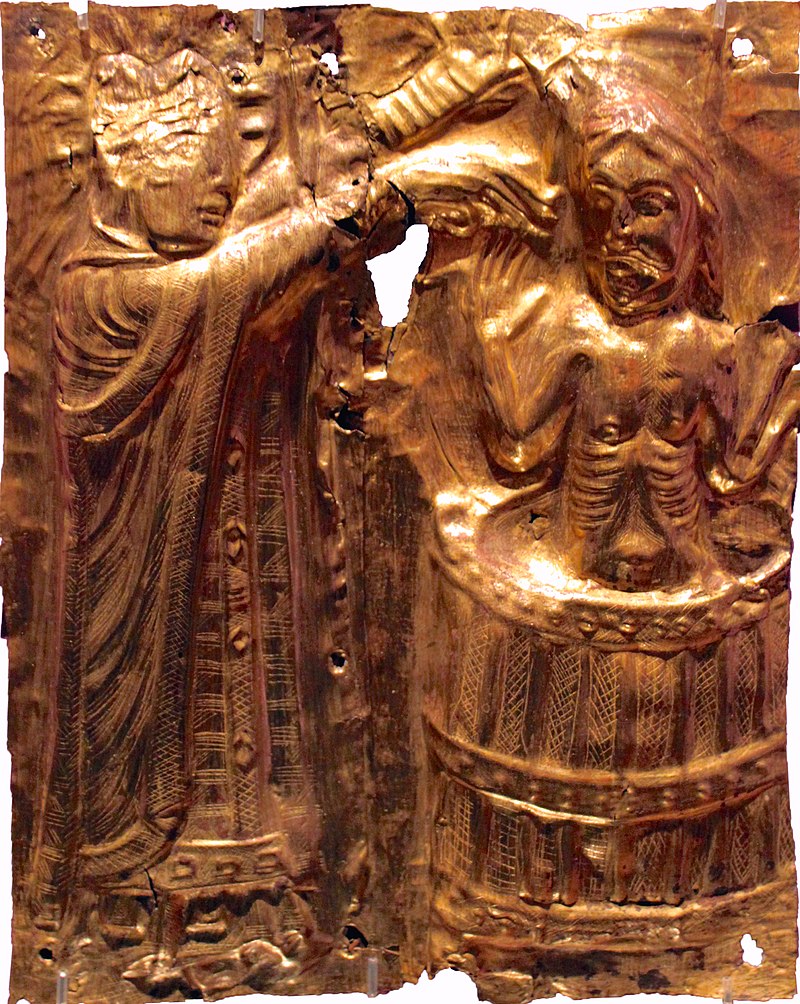
Harald Bluetooth
King of Denmark and Norway

Claudian
Claudius Claudianus, known in English as Claudian (Greek: Κλαυδιανός; ), was a Latin poet associated with the court of the Roman emperor Honorius at Mediolanum (Milan), and particularly with the general Stilicho. His work, written almost entirely in hexameters or elegiac couplets, falls into three main categories: poems for Honorius, poems for Stilicho, and mythological epic.

Guillaume de Machaut
Medieval French composer and poet (c. 1300–1377)
.jpg)
Herostratus
thumb||alt=Herostratus portrait

Darius II
The ninth Achaemenid emperor (423–404 BC)

Amenhotep I
second Pharaoh of the Eighteenth dynasty of Egypt

Athenaeus
Athenaeus of Naucratis (; or Nαυκράτιος, Athēnaios Naukratitēs or Naukratios; ) was an ancient Greek rhetorician and grammarian, flourishing about the end of the 2nd and beginning of the 3rd century AD. The Suda says only that he lived in the times of Marcus Aurelius, but the contempt with which he speaks of Commodus, who died in 192, implies that he survived that emperor. He was a contemporary of Adrantus.

Basiliscus
Basiliscus (; died 476/477) was Eastern Roman emperor from 9 January 475 to August 476. He became in 464, under his brother-in-law, Emperor Leo I (457–474). Basiliscus commanded the army for an invasion of the Vandal Kingdom in 468, which was defeated at the Battle of Cape Bon. There were accusations at the time that Basiliscus was bribed by Aspar, the ; many historians dismiss this, instead concluding that Basiliscus was either incompetent or foolish for accepting Vandal King Gaiseric's offer of a truce, which the latter used to construct fireships. Basiliscus's defeat cost the Eastern Empire

Theognis of Megara
Greek lyric poet active in approximately the sixth century BC

Pappus of Alexandria
4th century Greek mathematician
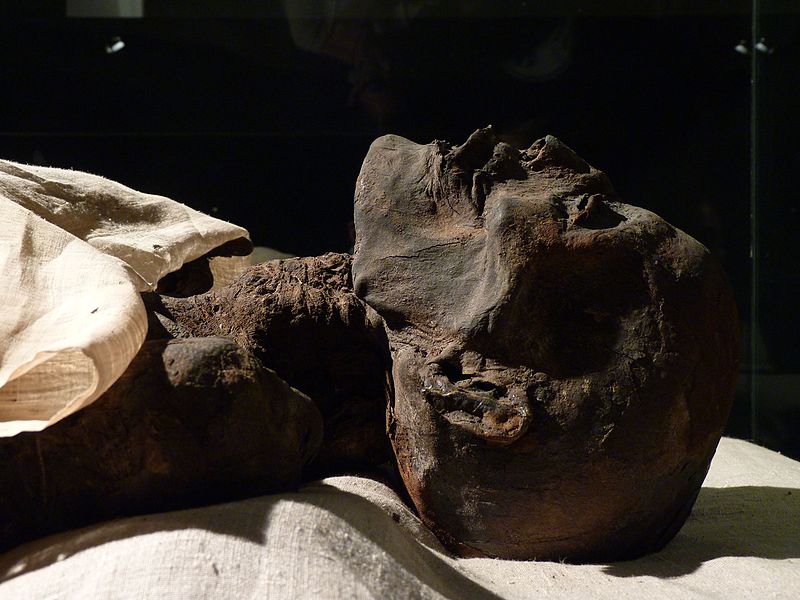
Ramesses I
founding pharaoh of Ancient Egypt's Nineteenth Dynasty

Constantius III
Western Roman Emperor (370-421)

Vegetius
thumb|300px|Mulomedicina (1250-1375 ca., Biblioteca Medicea Laurenziana, pluteo 45.19)
Publius (or Flavius) Vegetius Renatus, known as Vegetius (), was a writer of the Later Roman Empire (late 4th century). Nothing is known of his life or station beyond what is contained in his two surviving works: Epitoma rei militaris (also referred to as De re militari), and the lesser-known Digesta Artis Mulomedicinae, a guide to veterinary medicine. He identifies himself in the opening of his work Epitoma rei militaris as a Christian.

Wu Cheng'en
Chinese writer

Adam of Bremen
11th-century German historian and chronicler