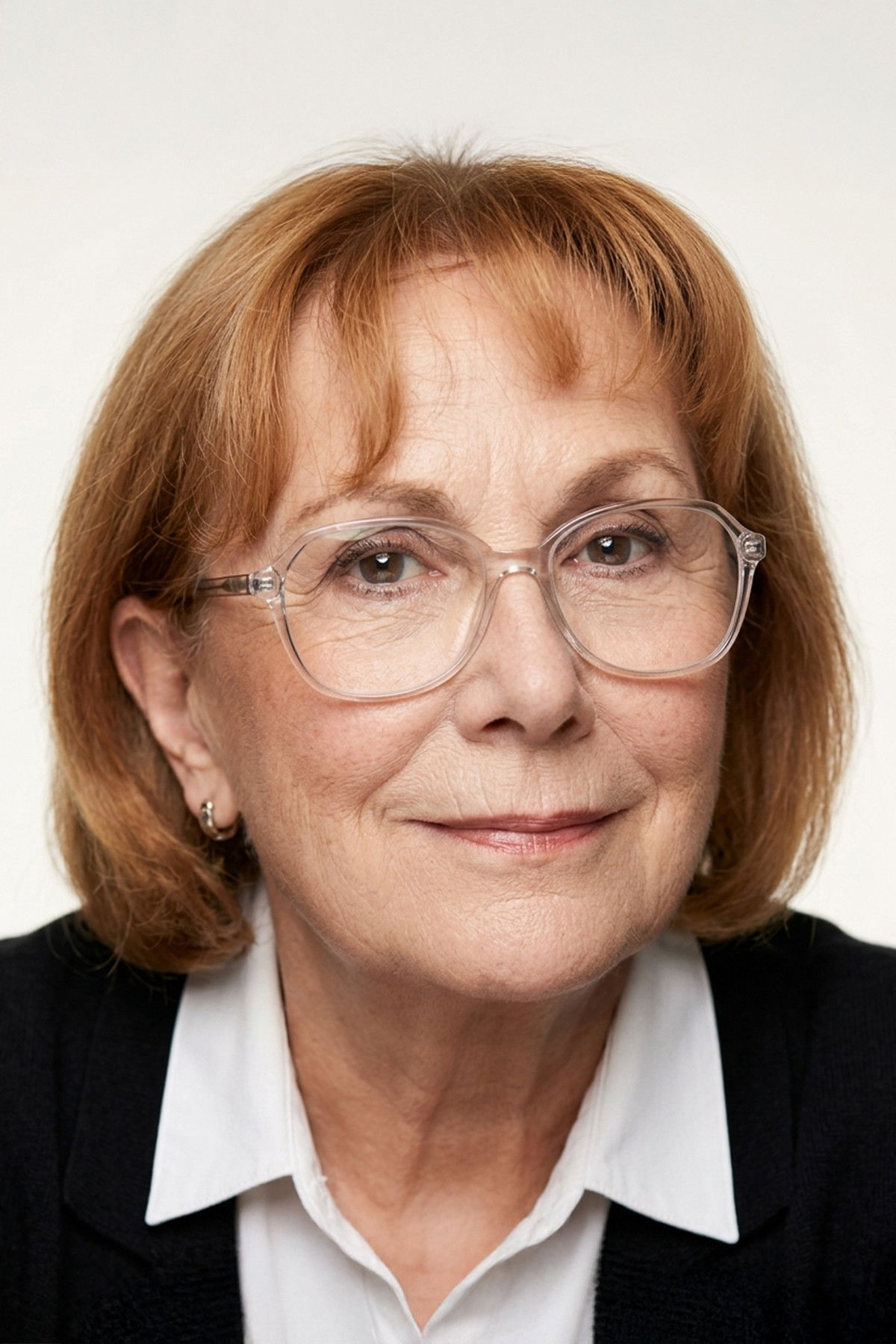
Profile via TMDB · Courtesy of TMDB
Adalet Ağaoğlu
Sign in to saveTurkish novelist (1929–2020)
Film & TV
Nallıhan, Ankara, Türkiye
Known for
- Kalemimde Anadolu2026
via TMDB
Key facts
- Born
- Adalet Sümer , ( 1929-10-23 ) 23 October 1929, Nallıhan , Ankara , Turkey
- Died
- 14 July 2020 (2020-07-14) (aged 90), Istanbul , Turkey
- Alma mater
- Ankara University
- Occupations
- Novelist, playwright
- Spouse
- Halim Ağaoğlu ( married</span>"}]]}'>m. 1954 ; died 2018 )
- Awards
- Turkish Presidency Merit Award , 1995
via Wikipedia infobox
Described at
Cornucopia Magazine Adalet Ağaoğlu (1929–2020): Blog
Cornucopia: Turkey for Connoisseurs
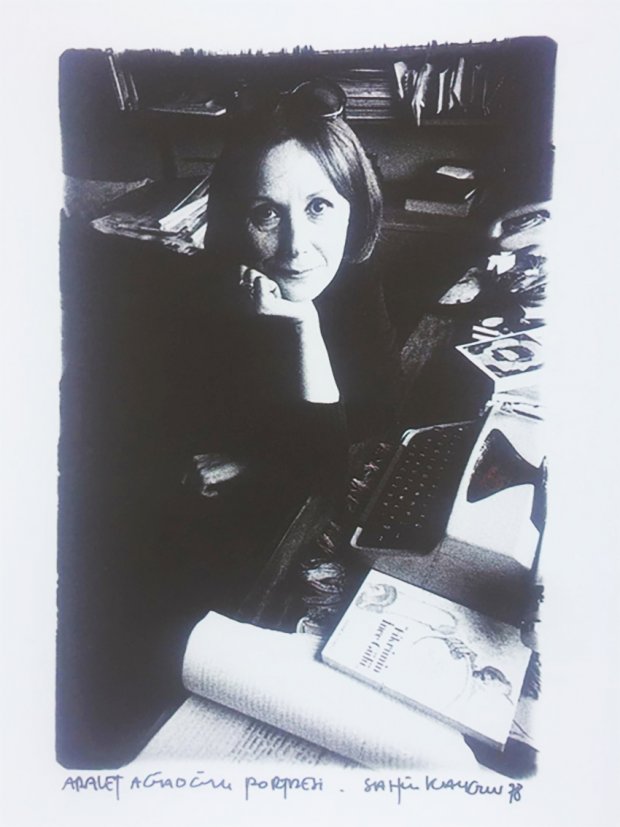
cornucopia.net →Adalet Ağaoğlu, who died on Tuesday, July 14, at the age of 90, was one of the country’s most accomplished novelists in the last quarter of the 20th century, and very widely read in her own country, though undeservedly ignored elsewhere. Two of her novels, however, were translated into English – one of them by a British ambassador. Adalet Ağaoğlu ( seen above in a 1978 photograph by the artist Şahin Kaygun ) – no relation of the famous late-Ottoman writer Ahmet Ağaoğlu – was born in 1929 in the small town of Nallıhan, on the western edge of Ankara province. She was the only daughter among the four children of Mustafa Sümer, a local cloth merchant who was a hafız (someone who had memorised the Koran) and evidently a man of keen understanding. All his children were to become successful modern professionals. When she was nine the family moved to Ankara, perhaps to enable the children to attend good schools. Adalet attended Ankara Kız Lisesi, the premier high school for girls in the capital, and then went on to read French language and literature at Ankara University’s Faculty of Language, History and Geography. Her place in the mainstream of Ankara’s cultural life was established early when after graduating she obtained a post in TRT, Turkey's State Radio (and later Television) Broadcasting Corporation. Its first general director was Adnan Öztrak – regarded as left-leaning by conservatives – and during his tenure of office she became well known, producing dramas and sketches for radio and the stage over two decades and publishing poetry. But when pressure started to build up on the TRT in 1970, threatening its autonomy and forcing some editorial changes, she resigned. A year later Öztrak himself was removed from his position by the military-backed government. Ağaoğlu by then was already well into a career of full-time novel writing. When her first novel – Ölmeye Yatmak (‘Lying Down to Die’) – was published in 1973, Ağaoğlu was in her mid-40s and represented a generation of intellectuals for whom the reforms of Kemal Atatürk were beginning to take a sharp turn leftwards. The book was an immediate success, making Ağaoğlu a household name in Turkey for the rest of her life, and a prolific stream of publications followed, including a further eight novels. Her range of styles and topics and her ability to imagine the inner lives of people seemingly totally unlike herself is dazzling. One of her main characters is Bayram, an unprepossessing guest worker, on the road from Germany back to his village and bringing home a honey-coloured Mercedes. ‘Lying Down to Die‘ (left) and ‘A Wedding Night ‘ (centre) are part of Adalet Ağaoğlu's 'Dar Zamanlar' trilogy published between between 1973 and 1987 . Above right: ‘A Chill on the Soul’ has been called the first erotic Turkish novel. All her books are very different in subject, though flashbacks and nostalgia are her stock in trade In another novel, Bir Düğün Gecesi (‘A Wedding Night‘) , she carries on elements of her first, but does so through the eyes of three completely different characters, intellectuals of the 1970s. A later book, Ruh Üşümesi (‘A Chill on the Soul’), 1987, is sometimes described as the first Turkish erotic novel, exploring through a mixture of poetic and psychological techniques the minds of a nameless man and woman who meet by accident when given the same table in a restaurant. Ağaoğlu’s style is sometimes compared to that of Virginia Wolfe, whom she indeed greatly admired when she came to read her, later admitting ruefully that, unfortunately, she had not done so until after she herself had stopped novel writing. Ağaoğlu was overtly preoccupied with recent Turkish history and the direction it was taking, One of her underlying themes was the need to find a middle path between the reforms of Kemal Atatürk and the Islamic outlook of much of the country. In the 1970s she anticipated, indeed perhaps helped foster, the sceptical anti-Kemalist metropolitan leftist intel
Excerpt from a page describing this subject · 10,793 chars · not written by Vinony
Wikidata facts
- Instance of
- human
- Gender
- female
- Citizenship
- Turkey
- Place of birth
- Nallıhan
- Place of death
- Istanbul
- Occupation
- novelist
- Educated at
- Ankara University
- Languages spoken
- Turkish
- Native language
- Turkish
- Religion
- atheism
- Field of work
- drama
- Image
- Adalet Agaoglu (cropped).jpg
Show 9 more facts
- place of burial
- Cebeci Asri Cemetery
- birth name
- Adalet Sümer
- Commons category
- Adalet Ağaoğlu
- ethnic group
- Turks
- date of birth
- 1929-10-13
- name in native language
- Adalet Ağaoğlu
- date of death
- 2020-07-14
- described at URL
- edebiyat.k12.org.tr/author/441fdc0d-f898-4736-9717-28ea0e2dfd8e
via Wikidata · CC0
~6 min read
Encyclopedic overview
Adalet Ağaoğlu (née Sümer; 23 October 1929 – 14 July 2020) was a Turkish novelist and playwright, considered one of the foremost novelists of 20th-century Turkish literature. She also wrote essays, memoirs, and short stories.
Life
Excerpted from Wikipedia’s “Adalet Ağaoğlu” article, available under the CC BY-SA 4.0 licence.