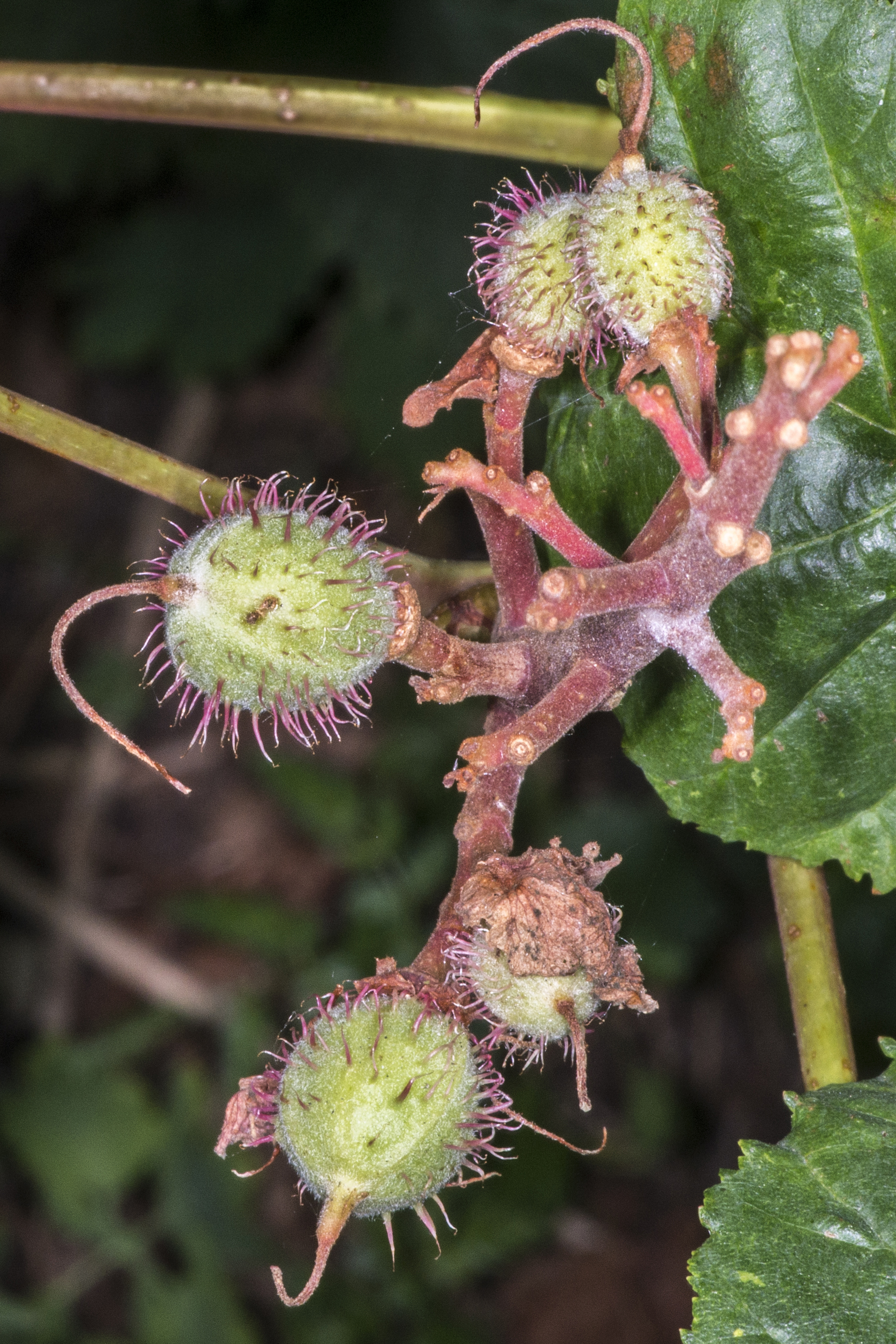
Image from GBIF · CC BY-NC-SA
Species
SPECIES
- KingdomPlantae
- PhylumTracheophyta
- ClassMagnoliopsida
- OrderSapindales
- FamilySapindaceae
Common Name: red horse chestnut
via GBIF · Kew POWO
Museum specimens
- Specimen records
- 8
- With media
- 5
- Family
- Sapindaceae
- Collections
- CDA, ETSU, CHRB
- Recorded in
- United States
Wikidata facts
Show 13 more facts
- taxon rank
- nothospecies
- taxon name
- Aesculus × carnea
- Commons category
- Aesculus × carnea
- Commons gallery
- Aesculus × carnea
- taxon common name
- castañal de la india arrosada
- taxon author citation
- Hayne
- OpenStreetMap tag
- species=Aesculus × carnea
- hybrid of
- Aesculus pavia
- short name
- A. carnea
- flower color
- pink
- foliage type
- deciduous plant
- inflorescence
- panicle
Sources (2)
via Wikidata · CC0
~3 min read
Encyclopedic overview
Aesculus × carnea, or red horse-chestnut, is a medium-sized tree, an artificial hybrid between Ae. hippocastanum (European horse-chestnut) and Ae. pavia (red buckeye). Its exact origin is uncertain, arising in Germany around 1818. It is a popular tree in large gardens and parks, widely planted throughout Europe.
It is a tetraploid plant, arising from autopolyploidy with chromosome doubling of its diploid parent species. The result of this is that it is fertile, producing viable seeds that breed true, the progeny identical or near-identical to the parent tree. It is locally naturalised in England, and more rarely so in Ireland, Scotland, and Wales.
Excerpted from Wikipedia’s “Aesculus × carnea” article, available under the CC BY-SA 4.0 licence.