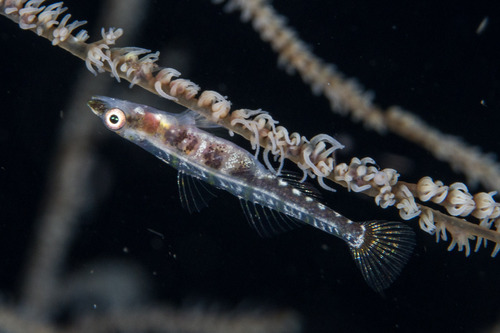
(c) Mark Rosenstein, some rights reserved (CC BY-NC), uploaded by Mark Rosenstein · cc-by-nc
Species
antipatharians
ORDER
- KingdomAnimalia
- PhylumCnidaria
- ClassAnthozoa
- OrderAntipatharia
via GBIF
Museum specimens
- Specimen records
- 742
- With media
- 75
- Family
- Antipathidae
- Collections
- USNM, CAS, TCWC, SIO
- Recorded in
- Puerto Rico, United States, Ecuador, Papua New Guinea, French Polynesia, Malaysia, Grenada, Mexico
Wikidata facts
- Instance of
- taxon
- Parent taxon
- Hexacorallia
- Image
- Blackcoral colony 600.jpg
Show 5 more facts
- Commons category
- Antipatharia
- taxon name
- Antipatharia
- taxon rank
- order
- topic's main category
- Category:Antipatharia
- taxon common name
- Black coral
Sources (3)
via Wikidata · CC0
~15 min read
Encyclopedic overview
Antipatharians, also known as black corals or thorn corals, are an order of soft deep-water corals. These corals can be recognized by their jet-black or dark brown chitin skeletons, which are surrounded by their colored polyps (part of coral that is alive). Antipatharians are a cosmopolitan order, existing in nearly every oceanic location and depth, with the sole exception of brackish waters. However, they are most frequently found on continental slopes under 50 m (164 ft) deep. A black coral reproduces both sexually and asexually throughout its lifetime. Many black corals provide housing, shelter, food, and protection for other animals.
Black corals were originally classified in the order Ceriantipatharia along with ceriantharians (tube-dwelling anemones), but were later reclassified under Hexacorallia. Though they have historically been used by Pacific Islanders for medical treatment and in rituals, its only modern use is making jewelry. Black corals have been declining in numbers and are expected to continue declining due to the effects of poaching, ocean acidification and climate change.
Excerpted from Wikipedia’s “Antipatharia” article, available under the CC BY-SA 4.0 licence.