Apodanthaceae · Kew POWO · Kew Plants of the World Online
Apodanthaceae
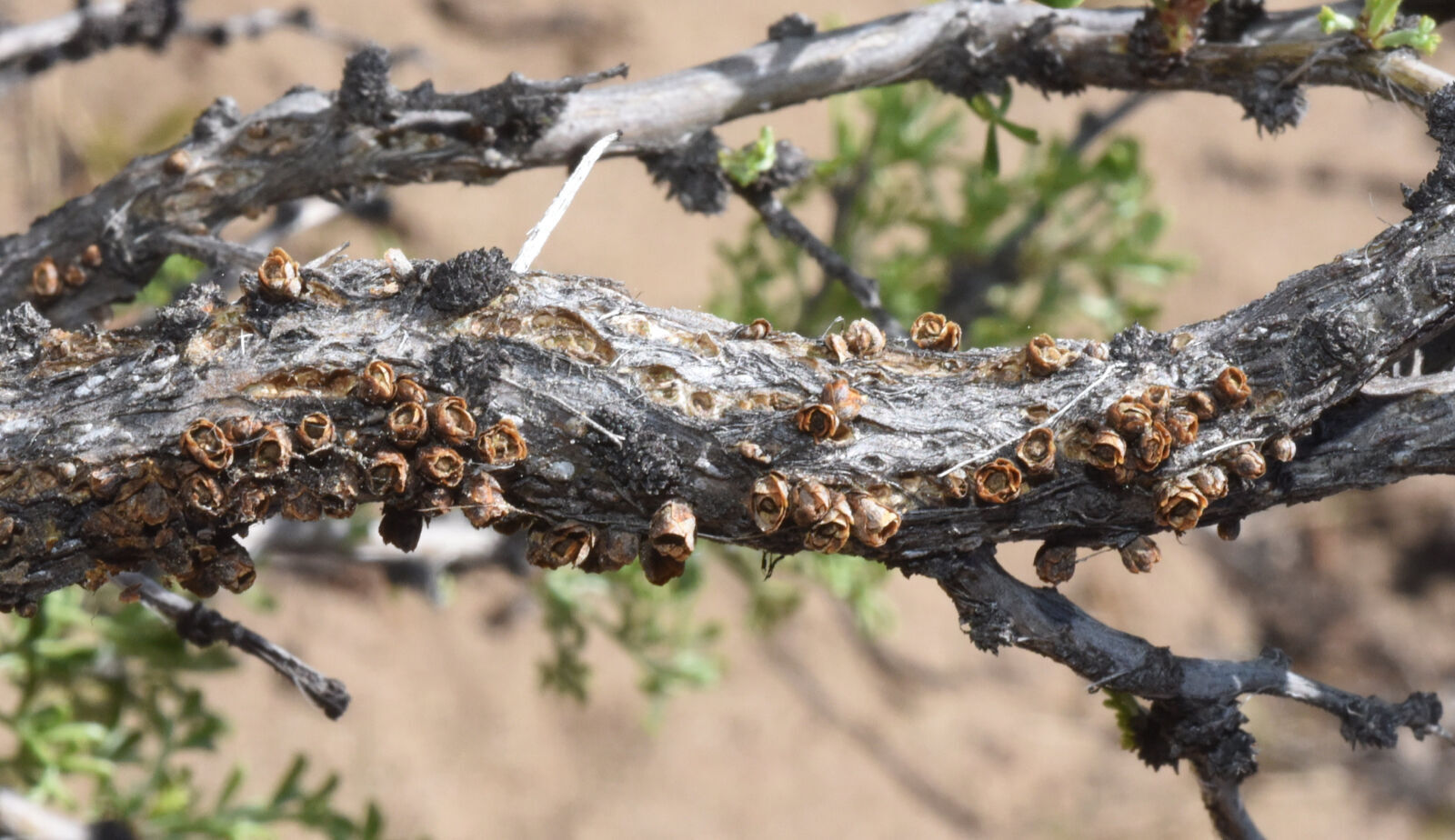
Sign in to saveThe family Apodanthaceae comprises about 10 species of endoparasitic herbs. They live in the branches or stems of their hosts (as filaments similar to a fungal mycelium), emerging only to flower and fruit. The plants produce no green parts and do not carry out any photosynthesis (that is, they are holoparasitic). There are two genera: Pilostyles and Apodanthes. A third genus, Berlinianche, was never validly published.
Species
FAMILY
- KingdomPlantae
- PhylumTracheophyta
- ClassMagnoliopsida
- OrderCucurbitales
- FamilyApodanthaceae
Appearance: Key differences from similar families: The Apodanthaceae
via GBIF · Kew POWO
Museum specimens
- Specimen records
- 6
- With media
- 3
- Family
- Apodanthaceae
- Collections
- TTC, MO, JBRJ
- Recorded in
- United States, Chile, Bolivia, Brasil
Wikidata facts
- Instance of
- taxon
- Image
- Apodanthaceae spp vMH377.jpg
Show 7 more facts
- Commons category
- Apodanthaceae
- taxon rank
- family
- topic's main category
- Category:Apodanthaceae
- has fruit type
- berry
- taxon name
- Apodanthaceae
- taxon common name
- 风生花科
Sources (1)
via Wikidata · CC0
~2 min read
Encyclopedic overview
3 sectionsContents
- Taxonomy
- External links
- References
The family Apodanthaceae comprises about 10 species of endoparasitic herbs. They live in the branches or stems of their hosts (as filaments similar to a fungal mycelium), emerging only to flower and fruit. The plants produce no green parts and do not carry out any photosynthesis (that is, they are holoparasitic). There are two genera: Pilostyles and Apodanthes. A third genus, Berlinianche, was never validly published.
The native range of Apodanthes is restricted to Central and tropical South America, while Pilostyles has a much wider though disjointed native range, encompassing many countries in tropical and subtropical America, a section of Africa from Gabon to Tanzania and down to Zimbabwe, as well as Turkey, Iran, Iraq, and Western Australia.
Excerpted from Wikipedia’s “Apodanthaceae” article, available under the CC BY-SA 4.0 licence.