Aylostera · Kew POWO · Kew Plants of the World Online
Aylostera
Sign in to saveAylostera, is a genus of cactus, native to central Bolivia and north western Argentina. Aylostera was formerly sunk into a broadly circumscribed genus Rebutia, but molecular phylogenetic studies from 2007 onwards showed that when defined in this way, Rebutia was not monophyletic, leading to the resurrection of Aylostera. A 2023 classification of the tribe Cereeae placed it as the only genus in the subtribe Aylosterinae. It was formerly placed in the subtribe Rebutiinae.
Species
GENUS
- KingdomPlantae
- PhylumTracheophyta
- ClassMagnoliopsida
- OrderCaryophyllales
- FamilyCactaceae
via GBIF · Kew POWO
Wikidata facts
Show 5 more facts
- taxon name
- Aylostera
- taxon rank
- genus
- Commons category
- Aylostera
- taxon common name
- 红笠球属
Sources (1)
via Wikidata · CC0
~4 min read
Encyclopedic overview
5 sectionsContents
- Description
- Taxonomy
- Species
- Distribution and habitat
- References
Aylostera, is a genus of cactus, native to central Bolivia and north western Argentina. Aylostera was formerly sunk into a broadly circumscribed genus Rebutia, but molecular phylogenetic studies from 2007 onwards showed that when defined in this way, Rebutia was not monophyletic, leading to the resurrection of Aylostera. A 2023 classification of the tribe Cereeae placed it as the only genus in the subtribe Aylosterinae. It was formerly placed in the subtribe Rebutiinae.
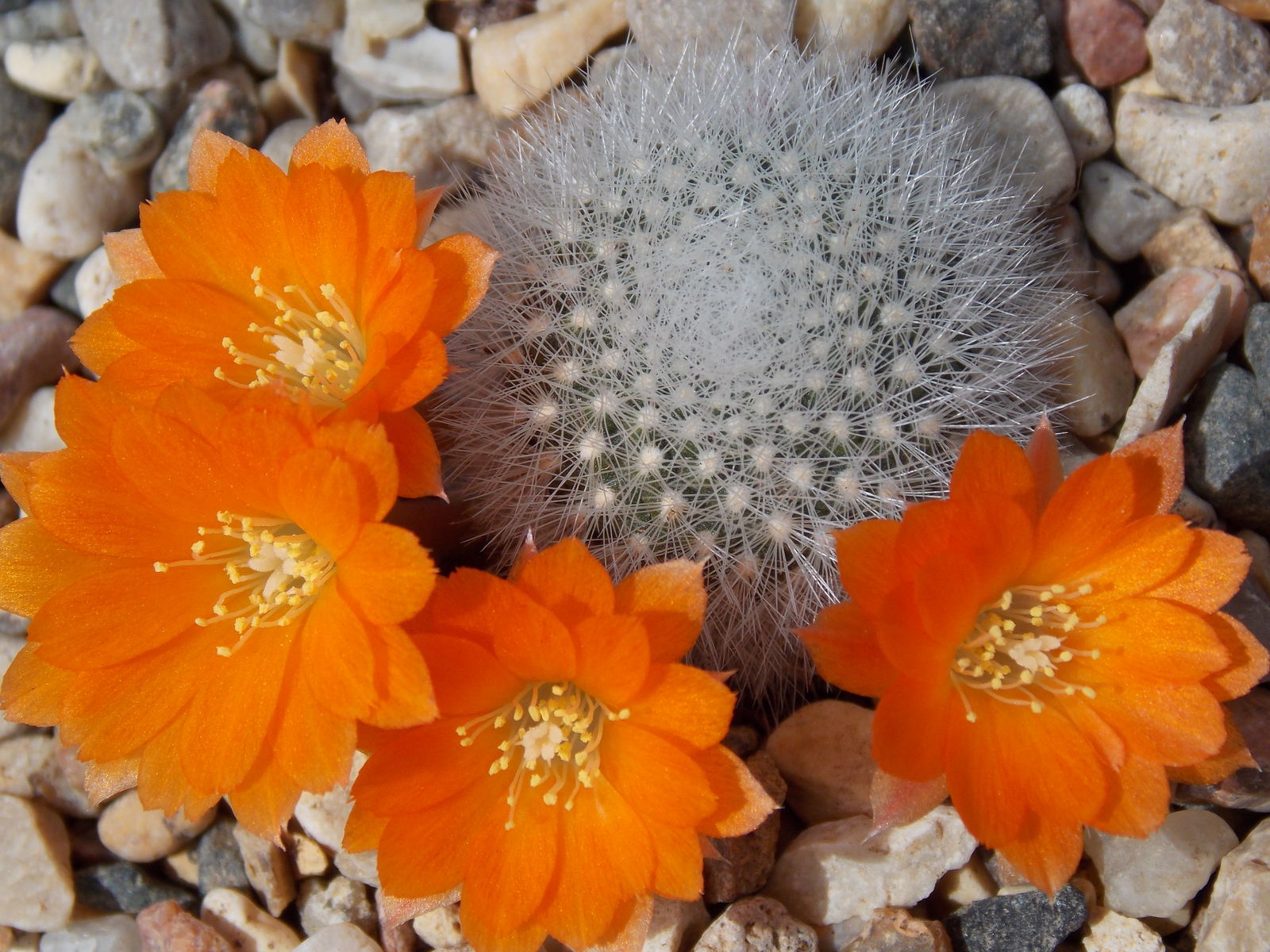
==Description== Aylostera species are small cacti with globular stems. The stems may or may not have ribs; this feature can vary even within a species. Their flowers are of various colours. A key feature that distinguishes Aylostera from Rebutia is that the pericarpels and receptacles (which together form a structure that is often referred to as the 'flower tube') are hairy, rather than glabrous.
Excerpted from Wikipedia’s “Aylostera” article, available under the CC BY-SA 4.0 licence.