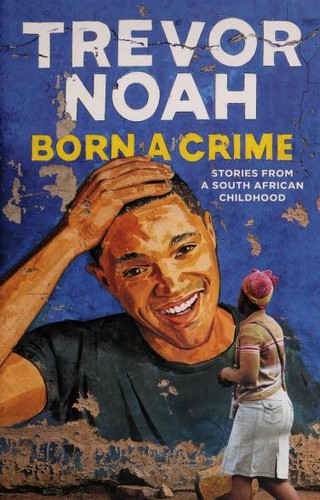
Cover via Open Library · Open Library
Born a Crime
Sign in to saveAlso known as Born a Crime: Stories from a South African Childhood
autobiography of Trevor Noah
In the Vinony graph
Vinony's link graph records 17 inbound references to Born a Crime, and connects out to South Africa, Old Testament and International Standard Book Number.
It sits within the topics 2016 non-fiction books, American memoirs and Comedy books.
Vinony links it to 7 Wikipedia language editions.
Book · Open Library
- Author
- Trevor Noah
- First published
- 2016
- Editions
- 26
- Subjects
- apartheid, PERFORMING ARTS, HUMOR, Television personalities, Personal Memoirs, PERFORMING ARTS / Comedy, BIOGRAPHY & AUTOBIOGRAPHY, HUMOR / Form / Essays
via Open Library
Described at
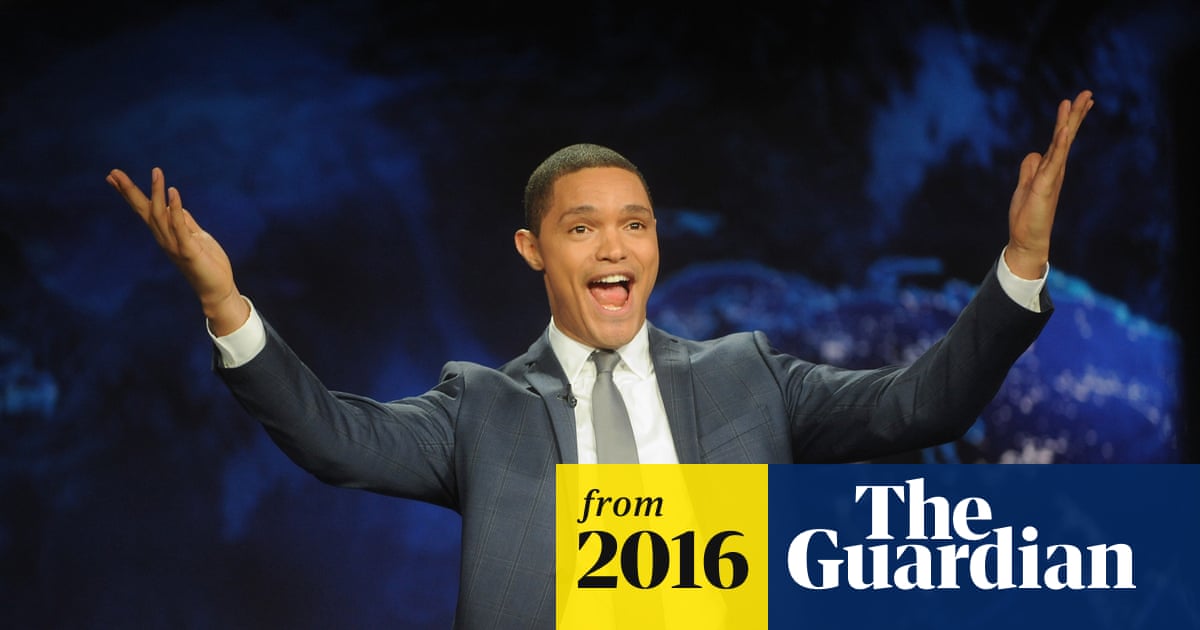
Born a Crime: Trevor Noah charts his rise from South Africa's townships | South Africa | The Guardian
The Daily Show host’s new book reveals how he bridged the race gap to become one of the country’s brightest exports
theguardian.com →Trevor Noah during his debut on The Daily Show in 2015. Photograph: Brad Barkett/Getty/Comedy Central Trevor Noah during his debut on The Daily Show in 2015. Photograph: Brad Barkett/Getty/Comedy Central Trevor Noah is regarded as one of South Africa’s biggest exports: the boy from the townships who made it big in the US and ended up hosting The Daily Show, one of the most influential satirical news programmes on American television. But the odds always seemed stacked against Noah, as they are for South Africa’s black citizens. Many are trapped by the legacies of colonialism, apartheid and post-apartheid profligacy and face poverty, hunger, violence, bullying, racism and limited opportunities. But there was an extraordinary buffer between this brutal world and Noah, as his autobiography, Born a Crime: Stories from a South African Childhood , makes clear. “For my mother. My first fan. Thank you for making me a man,” Noah writes in the book’s dedication. For indeed without his mother, Patricia Nombuyiselo Noah, and the rebellious spirit that enabled her to face down a hostile and inhospitable world, Noah would not have ended up where he is. Born a Crime is an engaging, fast-paced and vivid read, traversing Noah’s early childhood, confined by the absurdities of apartheid, where he could not walk openly with either of his parents, where he was often closeted inside his grandmother’s two-roomed home, where he was mistaken for white, through to his troubled years at school, his brief incarceration and to his budding success as a hustler selling pirated CDs and DJing at parties. Noah was “born a crime” because his Xhosa mother had conceived a child with a white Swiss-German, which was illegal at the time . And while Noah was born in 1984, in the turbulent dying days of apartheid (he was only six when Nelson Mandela was freed from prison in 1990), the world into which he was delivered was riven with the deep scars of history. Trevor Noah on the cover of Esquire in March 2016. Photograph: Esquire Magazine “Their fathers were off working in a mine somewhere, able to come home only during the holidays. Their fathers had been sent to prison. Their fathers were in exile, fighting for the cause. Women held the community together.” Noah writes of his profiling as white in a black world with characteristic insight and humour. “There were so many perks to being ‘white’ in a black family, I can’t lie. I was having a great time,” he writes. Only the young Noah did not think this special treatment was because he was light-skinned, but because he was special. “It wasn’t ‘Trevor doesn’t get beaten because Trevor is white’. It was ‘Trevor doesn’t get beaten because Trevor is Trevor’,” he writes. “I soon learned that the quickest way to bridge the race gap was through language. Soweto was a melting pot: families from different cultural groups, and thus different homelands. Most kids in the township spoke only their home language, but I learned several languages because I grew up in a house where there was no option but to learn them.” Noah’s story provides an intimate ringside seat, for those who might not have one, to the fractured arena where a divided South Africa – white, black, coloured, Indian, Zulu, Xhosa, Pedi, Tsonga and so on – intersects. There is a deeply touching moment in the book when Noah describes how his violent stepfather (who later shoots his mother) kicks his beloved dog, Fufi. Trevor Noah hosts the live one-hour ‘Democalypse’ election night special on 8 November. Photograph: Jason Kempin/Getty for Comedy Central “The strange thing was that when Fufi got kicked she never whelped or cried. When the vet diagnosed her as deaf, he also found out she had some condition where she didn’t have a fully developed sense of touch. She didn’t feel pain.” Noah, too, appears not to have felt the pain or, at least, to have turned it into humour. The book is essential reading not only because it is a personal story of survival, le
Excerpt from a page describing this subject · 9,204 chars · not written by Vinony
Wikidata facts
- Instance of
- literary work
- Author
- Trevor Noah
- Genre
- biography
- Depicts
- Trevor Noah
- Narrative location
- South Africa
Show 5 more facts
- described at URL
- www.theguardian.com/world/2016/nov/25/born-a-crime-trevor-noah-south-africa-townships-daily-show
- publication date
- 2016-11-15
- title
- Born a Crime
- subtitle
- Stories from a South African Childhood
- language of work or name
- English language
Sources (2)
via Wikidata · CC0