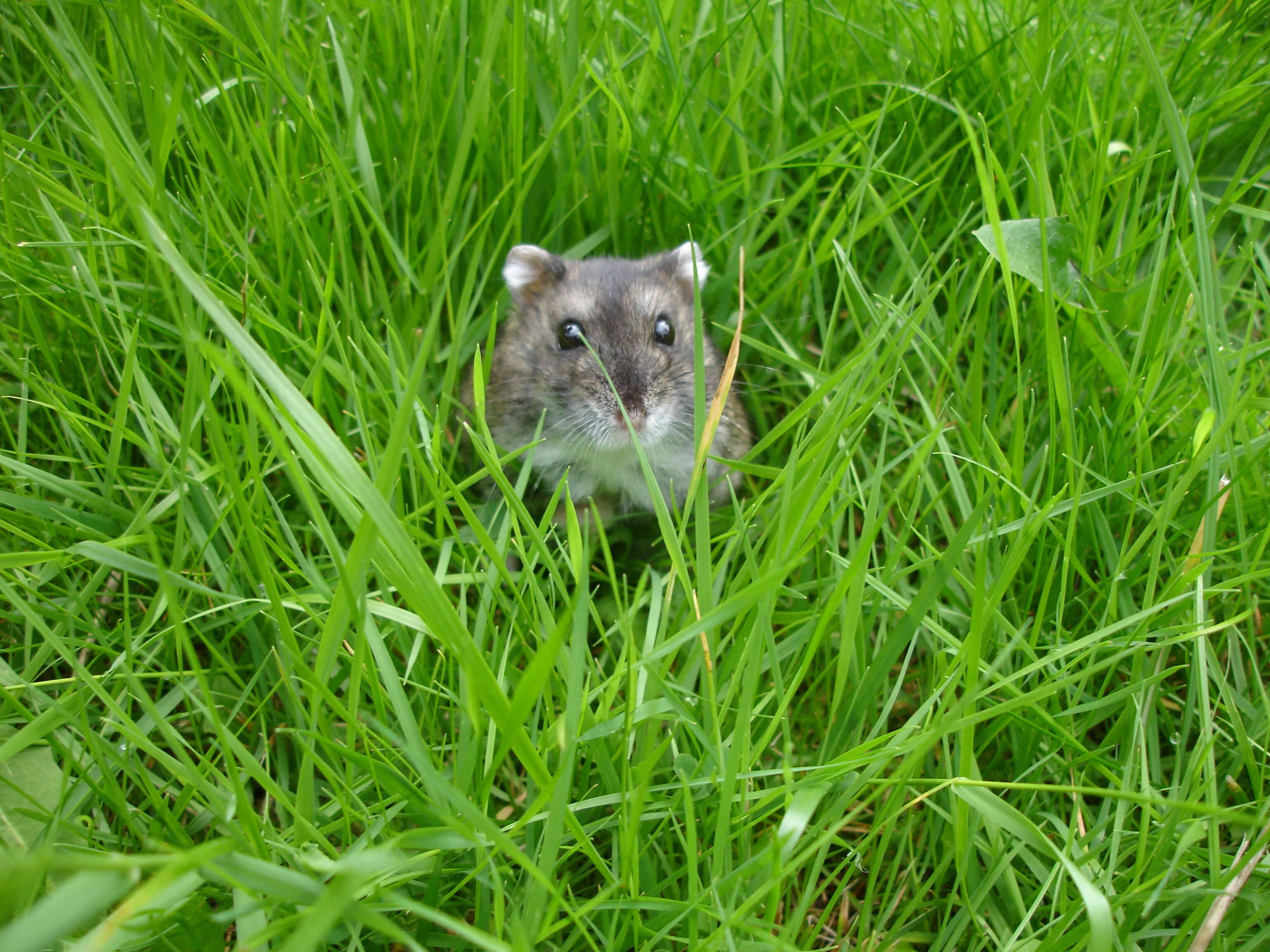
Campbell's dwarf hamster
Also known as Phodopus campbelli, dwarf hamster, Campbell's hamster
species of mammal
Species
Least Concern坎貝爾侏儒倉鼠(学名:Phodopus campbelli)俗稱一線鼠、蒙古倉鼠或俄羅斯倉鼠,是侏儒倉鼠的一個物種,原產自中亞草原和半乾旱地區,同時在阿爾泰山脈、俄羅斯某些地區、中國的河北和黑龍江等北部省份亦有所分布,由W.C.坎貝爾(W. C. Campbell)於1902年在當時中俄邊境的蒙古圖瓦地區所發現,故也被稱為「有袋的圖瓦族」。 該品種與其近親短尾倉鼠曾一度在分類上有所爭議,但現在已分成兩個獨立的物種。目前在寵物店售賣的所謂「短尾倉鼠」,基本都以該品種居多。
via IUCN
Article
Campbell's dwarf hamster (Phodopus campbelli) is a species of hamster in the genus Phodopus. It was given its common name by Oldfield Thomas in honor of Charles William Campbell, who collected the first specimen in Mongolia on July 1, 1902. It is almost physically indistinguishable from the closely related P.sungorus, but can be distinguished by its use of biparental care. Campbell's dwarf hamster typically has a narrow dorsal stripe compared to P.sungorus and brown or gray fur on the stomach. This hamster may be raised in captivity and kept as a small pet.
In the wild, the breeding season for Campbell's dwarf hamster varies by location. For example, the breeding season begins towards the middle of April in Tuva and towards the end of April in Mongolia. However, there is no fixed breeding season in captivity, and they can breed frequently throughout the year. Females are usually sexually mature at two months, and the gestation period is typically 20 days. Campbell's dwarf hamster is crepuscular, along with all species of Phodopus and is active throughout the year. Campbell's dwarf hamsters are omnivores, and so feed on both plant and insect material. Campbell's dwarf hamster inhabits burrows with four to six horizontal and vertical tunnels in the steppes and semi deserts of central Asia, the Altai Mountains, autonomous areas of Tuva and the Hebei province in northeastern China.