File:Magna_Carta_(British_Library_Cotton_MS_Augustus_II.106).jpg · Wikimedia Commons · See Wikimedia Commons
foro
Sign in to saveAlso known as charters
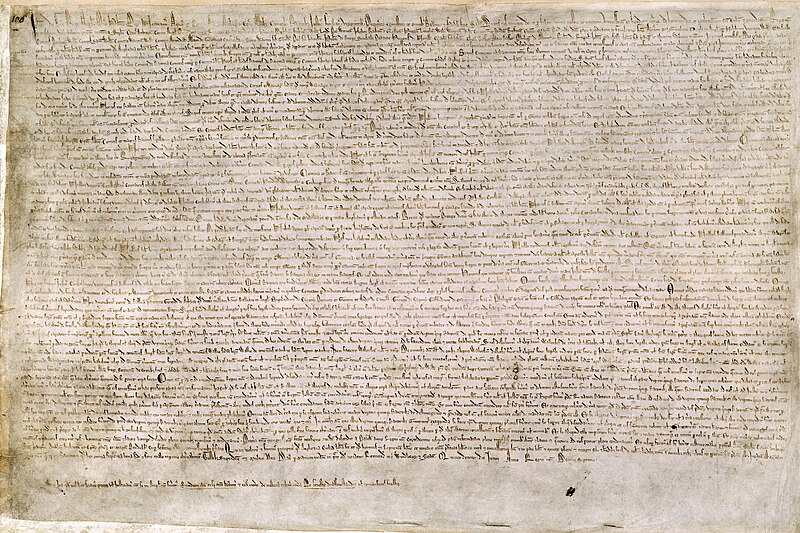
right|thumb|300px|An example of a charter (Magna Carta). A charter is the grant of authority or rights, stating that the granter formally recognizes the prerogative of the recipient to exercise the rights specified. It is implicit that the granter retains superiority (or sovereignty), and that the recipient admits a limited (or inferior) status within the relationship, and it is within that sense that charters were historically granted, and it is that sense which is retained in modern usage of the term. In early medieval Britain, charters transferred land from donors to recipients.
Wikidata facts
- Subclass of
- contract
Show 4 more facts
- Commons category
- Charters
- topic's main category
- Category:Political charters
- different from
- Charta
- has effect
- delegation
Sources (2)
via Wikidata · CC0
Article · Português
Outorga é o ato ou efeito de outorgar, consentir, podendo ser uma concessão de um serviço, por exemplo; aprovação, ou o beneplácito de consentir algo em favor de outrem. A palavra pode ser usada no sentido de dar, conceder, conferir (um mandato político, por exemplo). A outorga pode dar por direito qualquer bem, ou conferir o direito de executar algo ou conceder um direito. As escrituras públicas são exemplo de outorga. A etimologia do verbo "outorgar", em última instância, no latim auctoritas, via o verbo latino vulgar *auctoricare, que também originou o basco aitortu. A palavra outorgar assume outro sentido se no direito de oferecer, conceder um prazo privilegiado em questões bancárias, as quais são utilizadas no Balanço de Pagamento que o Banco Central venha a exigir.
Abstract from DBpedia / Wikipedia · CC BY-SA