Ebert, David A.;Compagno, Leonard J. V.
Chlamydoselachus
Sign in to saveChlamydoselachus is a genus of sharks and the sole extant member of the family Chlamydoselachidae, in the order Hexanchiformes. It contains two extant and four extinct species. The most widely known species still surviving is the frilled shark (Chlamydoselachus anguineus). It is known as a living fossil, along with Chlamydoselachus africana, also known as the southern African frilled shark, which is only found along coastal areas of South Africa. The only two extant species of this genus are deep-sea creatures which are typically weakened in areas closer to the surface. While the two extant sp
Species
ラブカ属
GENUS
- KingdomAnimalia
- PhylumChordata
- ClassElasmobranchii
- OrderHexanchiformes
- FamilyChlamydoselachidae
via GBIF
Museum specimens
- Specimen records
- 42
- With media
- 11
- Family
- Chlamydoselachidae
- Collections
- UCMP
- Recorded in
- United States
Wikidata facts
- Instance of
- taxon
- Parent taxon
- Chlamydoselachidae
- Image
- Chlamydoselachus anguineus 3.jpg
Show 5 more facts
- Commons category
- Chlamydoselachus
- taxon rank
- genus
- start time
- 84000000-0
- taxon name
- Chlamydoselachus
- topic's main category
- Category:Chlamydoselachus
Sources (1)
via Wikidata · CC0
~2 min read
Encyclopedic overview
2 sectionsContents
- Species
- References
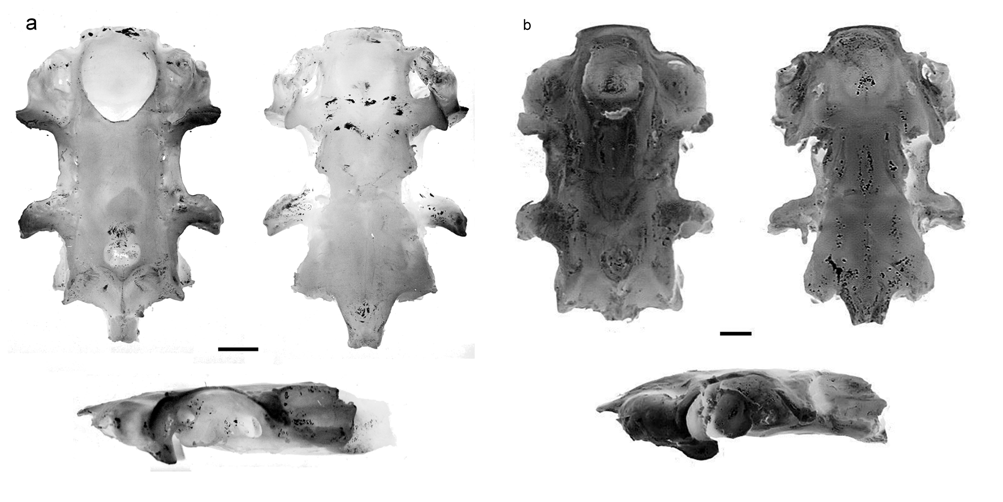
Chlamydoselachus is a genus of sharks and the sole extant member of the family Chlamydoselachidae, in the order Hexanchiformes. It contains two extant and four extinct species. The most widely known species still surviving is the frilled shark (Chlamydoselachus anguineus). It is known as a living fossil, along with Chlamydoselachus africana, also known as the southern African frilled shark, which is only found along coastal areas of South Africa. The only two extant species of this genus are deep-sea creatures which are typically weakened in areas closer to the surface. While the two extant species are similar in external appearance, they differ internally.
The earliest known fossil members of the genus are C. gracilis from Angola and C. balli from Canada, both from the Campanian stage of the Late Cretaceous. Formations with fossil Chlamydoselachus teeth are thought to be composed of deep-sea sediments, indicating that they have long inhabited deep-sea environments. Fossil Chlamydoselachus teeth closely resemble those of modern members.
Excerpted from Wikipedia’s “Chlamydoselachus” article, available under the CC BY-SA 4.0 licence.