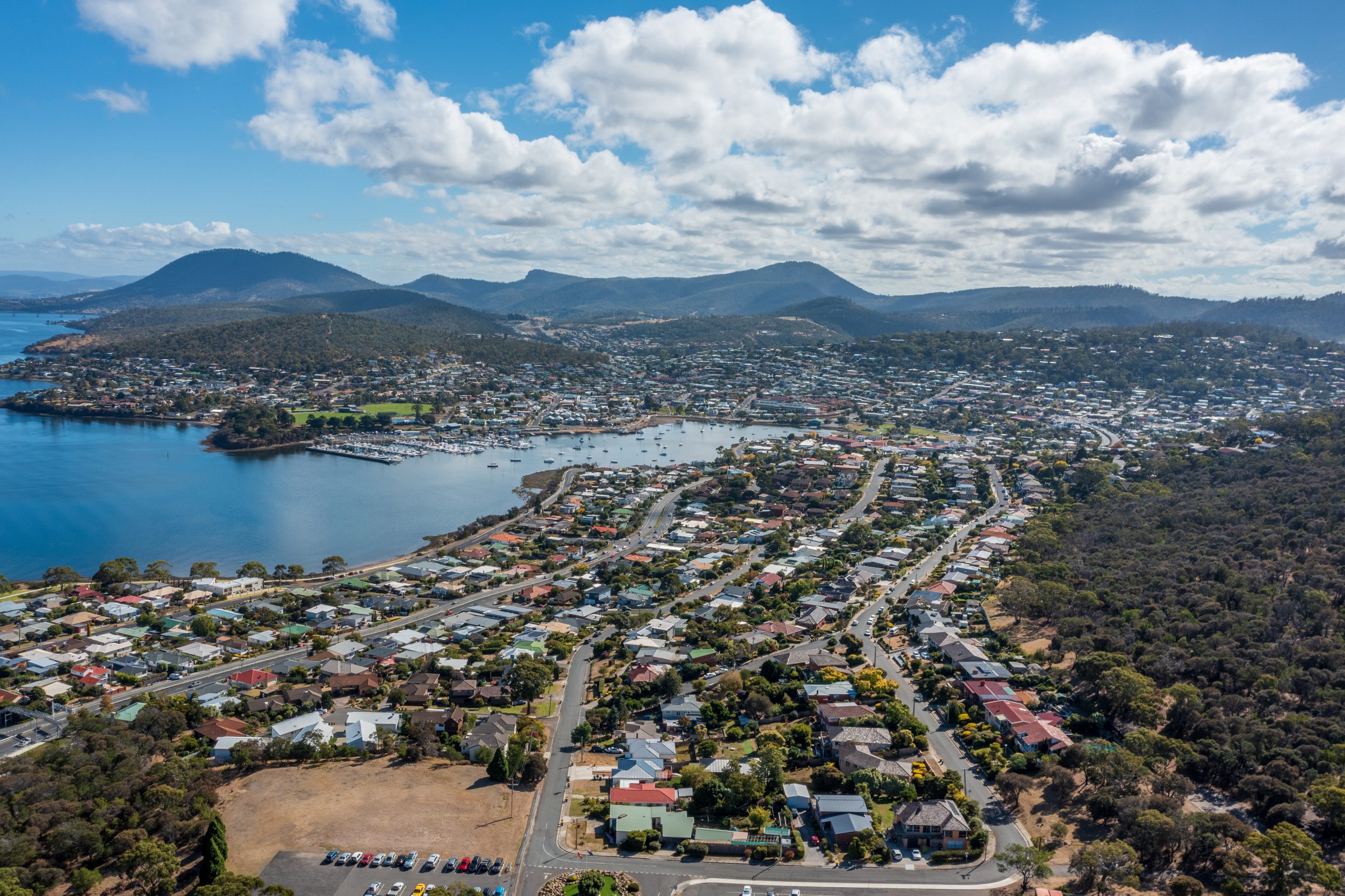
City of Clarence
Also known as Clarence Municipality, Clarence, Clarence Council, Clarence City Council
local government area in Tasmania
Official website
Home - City of Clarence
ccc.tas.gov.au →City of Clarence pays respect to all First Peoples, including the Mumirimina of the Oyster Bay Nation whose unceded lands, skies, and waterways we are privileged to conduct our business on. We pay respect to Elders past and present, and we acknowledge the survival and deep spiritual connection of the Tasmanian Aboriginal People to their Country, and culture; a connection that has endured since the beginning of time. Through the Cultural History Working Group, we strive to invoke a sense of identity and place in the community through encouraging participation in the cultural history of Clarence in meaningful and relevant ways. This involves projects that promote the recognition, preservation, and promotion of the cultural history of a community encourages a sense of pride and participation in a community’s cultural life. The conservation of cultural history includes not only the preservation of the old but also the need to acknowledge the evolution of the new. It is this balance between old and new that is the hallmark of a rich and productive culture. There are several historical walks in the City of Clarence to explore. A series of interpretive signs have been developed on some of these walks which contain links to oral histories of the land and its former use. There is a remarkable waterway throughout the city which has had a wide range of purposes and uses for the people of Clarence. Many of these places still exist aand are used, council has funded signage projects to detail some of their hsitory. The South Arm jetties were not just for farm produce; over the years they provided access to a growing shack community and were a favourite destination for group picnics. The first regular ferry service to Lindisfarne began in 1890, when the O’May brothers began daily steamer excursions to ‘the new suburb of Beltana’ (now Lindisfarne). The O’May’s also built the first jetty. The promoters of the new suburb ‘Beltana’ (now Lindisfarne) set aside a large area of land for Picnic Grounds (now Anzac Park) which made Beltana a popular place for visitors, especially at the annual Regatta. The ferry services also helped promote sales of suburban allotments and provided a means for the tradespeople building the new houses of Lindisfarne to get to their work. Ferries on the Lindisfarne run included the SS Endeavour, Beltana , Silver Crown, Rosny and the Kangaroo . One of the best known was the Derwent . Larger than any of the other Omay ferries, the Derwent was double ended, meaning she could steam both ways without turning around at the end, running on coal imported from Newcastle. At its peak in the 1930s, ferries were running on the half hour. By this time, a large proportion of Lindisfarne residents were commuting into Hobart daily for work. But the age of ferries was soon to change; work began on a ‘floating’ bridge to cross the Derwent in 1941. The bridge, constructed from a series of concrete pontoons, opened in December 1943 and led to a new era of urban development on the eastern shore. It also led to a slow decline in the ferry service as more and more people opted to travel by car or bus. The 1975 Tasman Bridge Disaster reversed this trend for several years, during which ferries were vital in keeping the eastern shore connected to Hobart. Towards the end of the 19th century, Rose Bay was becoming a popular picnic spot and was included on the Hobart – Eastern Shore ferry service. Tea Rooms were established opposite the ferry wharf and in 1912 a new jetty was built, of which the footings remain visible to this day. The jetty was built by the developers of a new subdivision of land at Rose Bay and Rosny (which was later promoted as ‘Sunnylands’). At the end of the jetty, the Derwent Ferry Company built a substantial shelter shed for waiting passengers, which was later used as a gymnasium and youth club. Rose Bay’s more unusual claim to fame is that it was one of two landing places for the Ansett Flying Boat Service, whi