File:Konradin.jpg · Wikimedia Commons · See Wikimedia Commons
Conradino da Germânia
Sign in to saveAlso known as Konrad
Conrad III (25 March 1252 – 29 October 1268), called the Younger or the Boy, but usually known by the diminutive Conradin (, ), was the last direct heir of the House of Hohenstaufen. He was Duke of Swabia (1254–1268) and nominal King of Jerusalem (1254–1268) and Sicily (1254–1258). After his attempt to reclaim the Kingdom of Sicily for the Hohenstaufen dynasty failed, he was captured and beheaded.
OverviewAI-generated
Conradin, also known by the given name Corrado, was a male member of the House of Hohenstaufen. Born on March 25, 1252, he was the son of Conrad IV of Germany and Elisabeth of Bavaria, Queen of Germany. His siblings included Henry of Bohemia, Otto III, Duke of Carinthia, and Elizabeth of Carinthia, Queen of Germany. He held the noble titles of Duke of Swabia and King of Jerusalem, and was a citizen of the Kingdom of Jerusalem.
An occupation of Minnesänger, composer, and writer, Conradin wrote in German. He died on October 29, 1268, in Naples due to decapitation, a form of capital punishment. He is buried at Santa Maria del Carmine. His works have been described by sources such as Nordisk familjebok, Allgemeine Deutsche Biographie, Brockhaus and Efron Encyclopedic Dictionary, and The Nuttall Encyclopædia.
Synthesized by Vinony from 27 facts across 4 sources: Wikidata, MusicBrainz, Last.fm, Europeana Sparql. Generated from structured data (not the Wikipedia text) and checked against those facts — may still contain errors.
Music · MusicBrainz
- Type
- Person
- Gender
- Male
- Origin
- Germany
- Active from
- 1780-11-22
- Active to
- 1849-12-14
Discography
via MusicBrainz · CC0
Listeners · Last.fm
- Listeners
- 2
- Total plays
- 3
<a href="https://www.last.fm/music/Conradin">Read more on Last.fm</a>

Key facts
- Royalty.image
- Konradin.jpg
- Royalty.caption
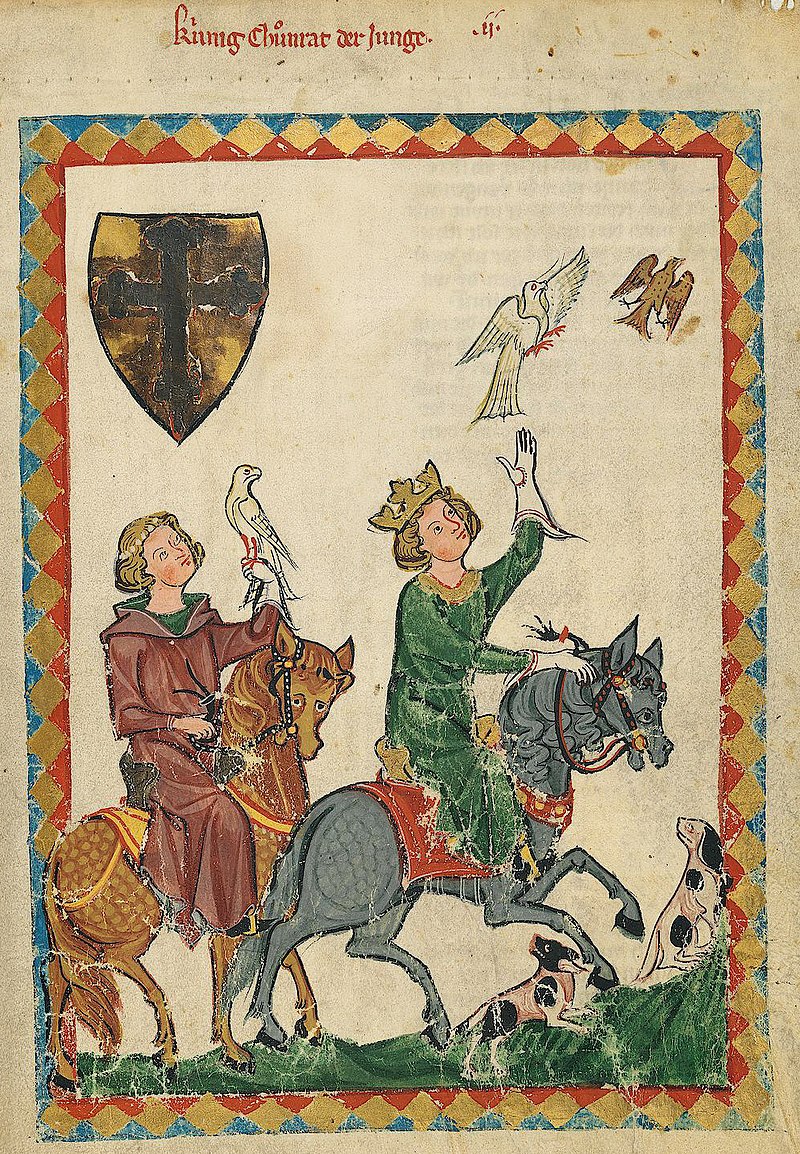
- King Conrad the Younger, from theCodex Manesse (Folio 7r),
- Royalty.succession
- King of Jerusalem
- Royalty.predecessor
- Conrad II
- Royalty.successor
- Hugh I
- Royalty.reign
- 21 May 1254 – 29 October 1268
- Royalty.succession1
- King of Sicily
- Royalty.predecessor1
- Conrad I
- Royalty.successor1
- Manfred of Sicily
- Royalty.reign1
- 21 May 1254 – 1258
- Royalty.succession2
- Duke of Swabia
- Royalty.predecessor2
- Conrad III
- Royalty.successor2
- Rudolph II of Austria (titular)
- Royalty.reign2
- 21 May 1254 – 29 October 1268
- Royalty.father
- Conrad IV of Germany
- Royalty.mother
- Elisabeth of Bavaria
- Royalty.birth_date
- 25 March 1252
- Royalty.birth_place
- Wolfstein Castle near Landshut, Bavaria, Holy Roman Empire
via Wikipedia infobox
Wikidata facts
- Instance of
- human
- Given name
- Corrado
- Gender
- male
- Citizenship
- Kingdom of Jerusalem
- Place of death
- Naples
- Father
- Conrad IV of Germany
- Occupation
- writer
- Position held
- King of Jerusalem
- Languages spoken
- German
- Family
- House of Hohenstaufen
- Noble title
- duke
- Image
- Konradin.jpg
Show 9 more facts
- Commons category
- Conradin of Sicily
- date of birth
- 1252-03-25
- date of death
- 1268-10-29
- described by source
- New International Encyclopedia
- manner of death
- capital punishment
- place of burial
- Santa Maria del Carmine
- cause of death
- decapitation
- writing language
- German
- Commons Creator page
- Conradin
Sources (6)
via Wikidata · CC0
Works in European collections
36 objects attributed to Conradino da Germânia, held across European museums, libraries & archives · via Europeana
Article · Português
Conradino da Germânia (Burg Wolfstein, 25 de março de 1252 — Nápoles, 29 de outubro de 1268) foi filho de Conrado IV da Germânia com Isabel da Baviera e ostentou os títulos de Duque da Suábia(o Conrado IV de Suabia), Rei de Jerusalém e Rei da Sicília. Invadiu a Itália em 1268 com o objectivo de recuperar o título de Rei dos Romanos, que tinha sido retirado a seu pai quando o papa Inocêncio IV o excomungou, dando-o a Carlos de Anjou. Derrotado na Batalha de Tagliacozzo, foi executado em público por decapitação quando tinha apenas 16 anos. Com a sua morte sem descendência, terminou a linhagem dos Hohenstaufen.
Abstract from DBpedia / Wikipedia · CC BY-SA