Profile via TMDB · Courtesy of TMDB
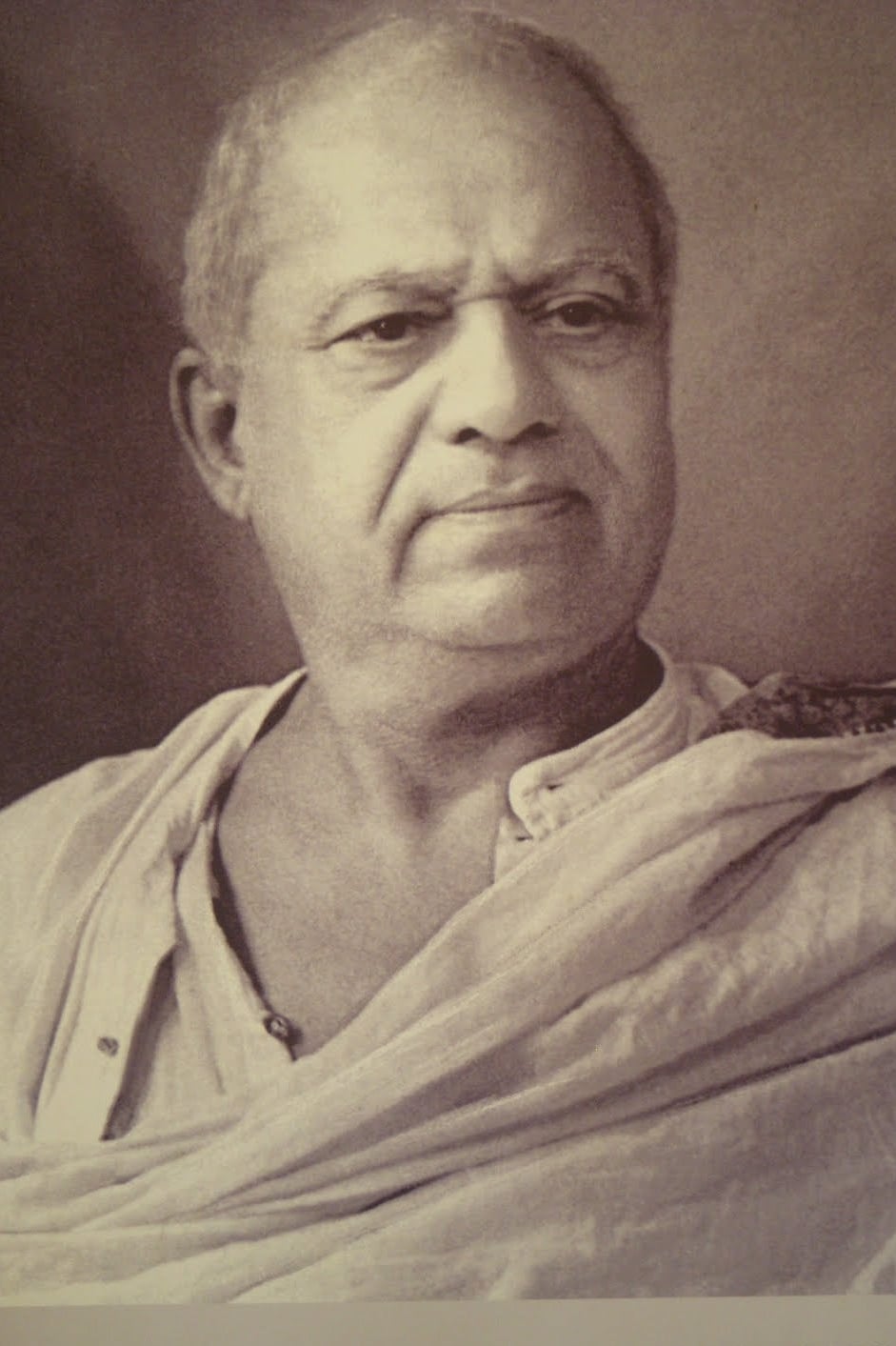
Dadasaheb Phalke
Sign in to saveAlso known as Dhundiraj Govind Phalke, father of Indian cinema, Dada Phalke
Indian film producer, director and screenwriter (1870–1944)
OverviewAI-generated
Dadasaheb Phalke was a director born in Nashik, Maharashtra, India, on April 30, 1870. He began his work period in 1912 and continued until 1937. His professional activities were centered in the field of directing.
He died on February 16, 1944.
Synthesized by Vinony from 8 facts across 2 sources: Wikidata, TMDb. Generated from structured data (not the Wikipedia text) and checked against those facts — may still contain errors.
Film & TV
Nashik, Maharashtra, India
Shri.Dhundiraj Govind Phalke popularlyknwon as Dadasaheb Phalke was born in Nashik,Maharashtra,india. and is revered as "the Father of Indian Cinema," The era of studios dawned in the early 20th century, after Dadasaheb Phalke made India's first film, Raja Harishchandra, under the banner "Phalke Films" In 1913. India's first full-length feature. Spanning a 19-year career, he directed 95…
Known for
- Satyavadi Raja Harishchandra1917
via TMDB
Key facts
- Born
- Dhundiraj Govind Phalke , ( 1870-04-30 ) 30 April 1870, Trimbak , Bombay Presidency , British India
- Died
- 16 February 1944 (1944-02-16) (aged 73), Nashik , Bombay Presidency, British India
- Alma mater
- Sir J. J. School of Art Maharaja Sayajirao University of Baroda
- Occupations
- Film director producer screenwriter editor art director costume designer make-up artist
- Years active
- 1912–1944
- Spouses
- Kathilakam Bai ( married</span>"}]]}'>m. 1885 ; died 1900 ) Saraswatibai Phalke ( married</span>"}]]}'>m. 1902 – 1944 )
via Wikipedia infobox
Wikidata facts
- Instance of
- human
- Gender
- male
- Citizenship
- British Raj
- Place of birth
- Nashik
- Place of death
- Nashik
- Occupation
- film editor
- Educated at
- Maharaja Sayajirao University of Baroda
- Image
- Phalke.jpg
Show 7 more facts
- Commons Creator page
- Dadasaheb Phalke
- Commons category
- Dadasaheb Phalke
- date of birth
- 1870-04-30
- date of death
- 1944-02-16
- end of work period
- 1937-00-00
- start of work period
- 1912-00-00
- name in native language
- दादासाहेब फाळके
via Wikidata · CC0
~29 min read
Encyclopedic overview
Dhundiraj Govind Phalke (Pronunciation: [Dhundiraj Govind Phalke]; 30 April 1870 – 16 February 1944), popularly known as Dadasaheb Phalke, was an Indian producer, director and screenwriter, widely regarded as "the Father of Indian cinema".
Phalke’s debut film, Raja Harishchandra (1913), was the first Indian motion picture and is recognised as India's first full-length Indian historical feature film on Satyavadi Raja Harishchandra. The movie’s success marked the beginning of Indian cinema and inspired the growth of the film industry in the country.
Excerpted from Wikipedia’s “Dadasaheb Phalke” article, available under the CC BY-SA 4.0 licence.