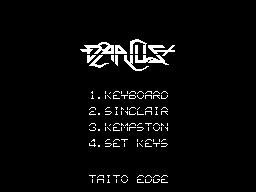
Darius · RAWG · Courtesy of RAWG
Game data
- Released
- 1990-03-16
- User rating
- 0.00 / 5
- Platforms
- PlayStation 4, Wii, Game Boy Advance, Game Boy, Commodore / Amiga, Atari ST
via RAWG
Game details · IGDB
Super Darius is a 1990 port of Darius for the PC Engine CD-ROM, and the only attempt at an accurate port of the game for many years; it even uses recordings of music and sound effects straight from the PCB! Its other claim to fame is the introduction of all 26 bosses from the original draft for Darius, some of which were earlier seen on promotional material and some of which were used in Darius II instead. A "light" version for normal PC Engines, Darius Plus, was released later in the year. At the time that was released, owning both versions allowed you to get Darius Alpha. Super Darius w…
- Released
- 1990
- Genres
- Shooter, Arcade
- Platforms
- Wii, Turbografx-16/PC Engine CD
- Game modes
- Single player
- Publisher
- NEC Avenue, Taito
Wikidata facts
- Instance of
- video game
- Genre
- shoot 'em up
- Country of origin
- Japan
- Publisher
- Taito
- Series
- Darius
- Composer
- Hisayoshi Ogura
- Developer
- Taito
- Platform
- iOS
- Game mode
- multiplayer video game
- Image
- DARIUS.jpg
Show 8 more facts
- CPU
- Motorola
- publication date
- 1990-03-16
- language of work or name
- English language
- title
- Daraiasu
- input device
- touchscreen
- distributed by
- App Store
- operating system
- iOS
- set in environment
- fictional planet
via Wikidata · CC0
Article · Español
Darius (ダライアス Daraiasu?) es un videojuego de matamarcianos publicado por Taito, originalmente para arcades, en 1987 (pero el año de desarrollo se mantenía en 1986). Es el primer juego de la serie de matamarcianos y, tras su aparición en los salones recreativos, contó con varias adaptaciones para plataformas domésticas. La versión arcade original y sus propias versiones es conocida por usar un sistema exclusivo de tres monitores, el modo cooperativo, un diseño de niveles no lineal y sus múltiples finales.
Abstract from DBpedia / Wikipedia · CC BY-SA