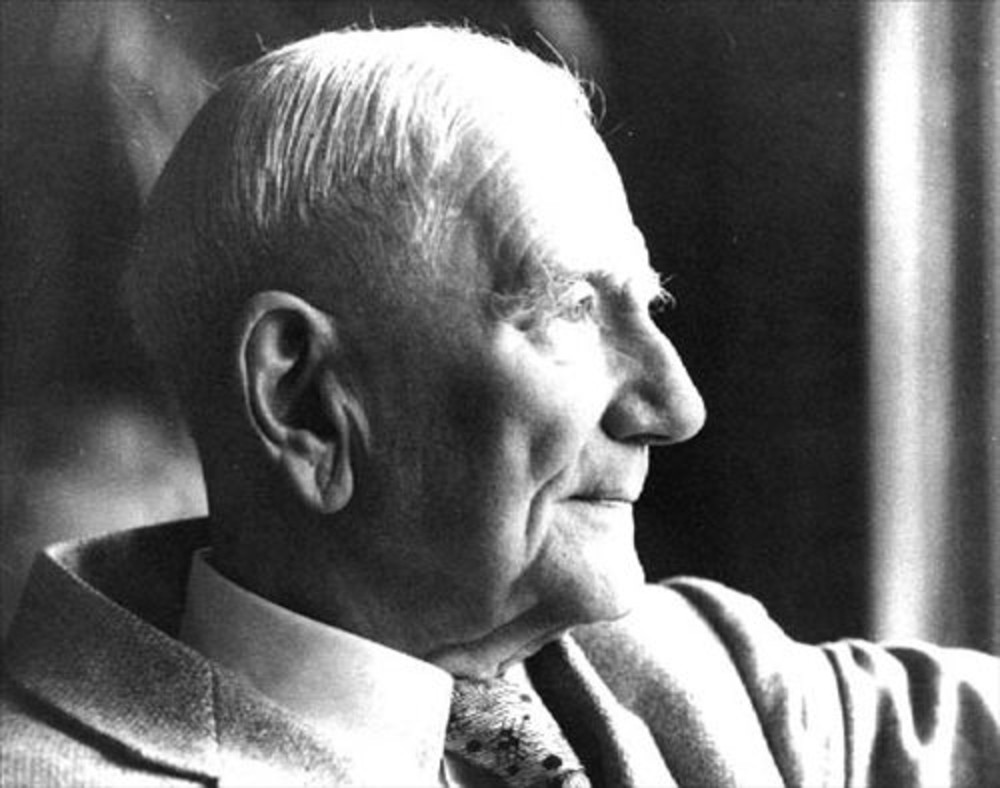
Ernst von Dohnányi · Spotify · Courtesy of Spotify
Ernő Dohnányi
Sign in to saveAlso known as Ernst von Dohnányi, Ernst Dohnányi, Ernst Dohnanyi
Hungarian conductor, composer, and pianist (1877–1960)
OverviewAI-generated
Ernő Dohnányi was a Hungarian male conductor, composer, pianist, and musicologist. Born in Bratislava in 1877, he studied at the Franz Liszt Academy of Music under István Thomán and Hans von Koessler. His professional career included positions as a professor at the Franz Liszt Academy of Music, Berlin University of the Arts, and Florida State University. He composed works in the genres of opera and symphony, often associated with romantic classical and 20th-century classical styles.
Dohnányi died in New York City in 1960 and was buried in Tallahassee. He received the Kossuth Prize during his lifetime. His students included Ervin Nyiregyházi and Astrid Berwald, and he had a child named Hans von Dohnányi. He spoke Hungarian and performed on the piano.
Synthesized by Vinony from 29 facts across 3 sources: Wikidata, MusicBrainz, Last.fm. Generated from structured data (not the Wikipedia text) and checked against those facts — may still contain errors.
In the Vinony graph
Vinony's link graph records 276 inbound references to Ernő Dohnányi, and connects out to Bratislava, Hans von Dohnányi and Klaus von Dohnanyi.
Vinony files it under 1877 births, 1960 deaths and 19th-century conductors (music).
Vinony links it to 34 Wikipedia language editions.
Music · MusicBrainz
- Type
- Person
- Gender
- Male
- Origin
- Hungary
- Active from
- 1877
- Active to
- 1960
Discography
- Ruralia Hungarica: Andante rubato / Voices of Spring1945
- Dohnányi: Variations on a Nursery Song / Liszt: Piano Concerto no. 11988
- Piano Music1988
- Piano Quintet, op. 1 / Sextet, op. 371988
- Dohnányi: Five Piano Pieces from "Ruralia Hungarica" / Three Piano Pieces / Etude de concert / Beethoven: Andante favori1989
- Quintet in E-flat minor, op. 26 / Sextet in C major, op. 371991
- Ruralia Hungarica1992
- Piano Music1993
- The Romantic Piano Concerto, Volume 6: Piano Concerto no. 1 in E minor / Piano Concerto no. 2 in B minor1993
- Orchestral Compositions1996
via MusicBrainz · CC0
Listeners · Last.fm
- Listeners
- 572
- Total plays
- 8,501
Tags
Ernő Dohnányi, also known as Ernst von Dohnányi or Dohnányi Ernő (July 27, 1877 – February 9, 1960) was a Hungarian conductor, composer, and pianist. Dohnányi's compositional style was eclectic. Although he drew upon influences from Hungarian folk music, he is not considered a nationalist composer like Béla Bartók or Zoltán Kodály. Dohnányi's approach is deeply rooted in the strongest traditions of European classical music, and particularly bears the imprint of Johannes Brahms. <a href="https:/
Key facts
- Born
- ( 1877-07-27 ) 27 July 1877, Pozsony , Austria-Hungary
- Died
- 9 February 1960 (1960-02-09) (aged 82), New York City, United States
- Education
- Royal Hungarian Academy of Music
- Occupations
- Composer pianist academic teacher
- Organizations
- Franz Liszt Academy of Music Florida State University
- Family
- Dohnányi family
via Wikipedia infobox
Wikidata facts
- Instance of
- human
- Given name
- Ernő
- Family name
- Dohnányi
- Gender
- male
- Citizenship
- Hungary
- Place of birth
- Bratislava
- Place of death
- New York City
- Occupation
- university teacher
- Position held
- professor
- Educated at
- Franz Liszt Academy of Music
- Employer
- Franz Liszt Academy of Music
- Languages spoken
- Hungarian
- Award
- Kossuth Prize
- Student of
- Hans von Koessler
- Genre
- symphony
- Instrument
- piano
- Image
- Ernő Dohnányi.jpg
Show 8 more facts
- Commons category
- Ernő Dohnányi
- date of birth
- 1877-07-27
- date of death
- 1960-02-09
- place of burial
- Tallahassee
- related category
- Category:Compositions by Ernst von Dohnányi
- relative
- Klaus von Dohnanyi
- name in native language
- Dohnányi Ernő
- cause of death
- pneumonia
Sources (3)
via Wikidata · CC0
~15 min read
Encyclopedic overview
Ernst von Dohnányi (Hungarian: Dohnányi Ernő, [ˈdohnaːɲi ˈɛrnøː]; 27 July 1877 – 9 February 1960) was a Hungarian composer, pianist and conductor. He used the German form of his name on most published compositions.
Biography
Excerpted from Wikipedia’s “Ernő Dohnányi” article, available under the CC BY-SA 4.0 licence.