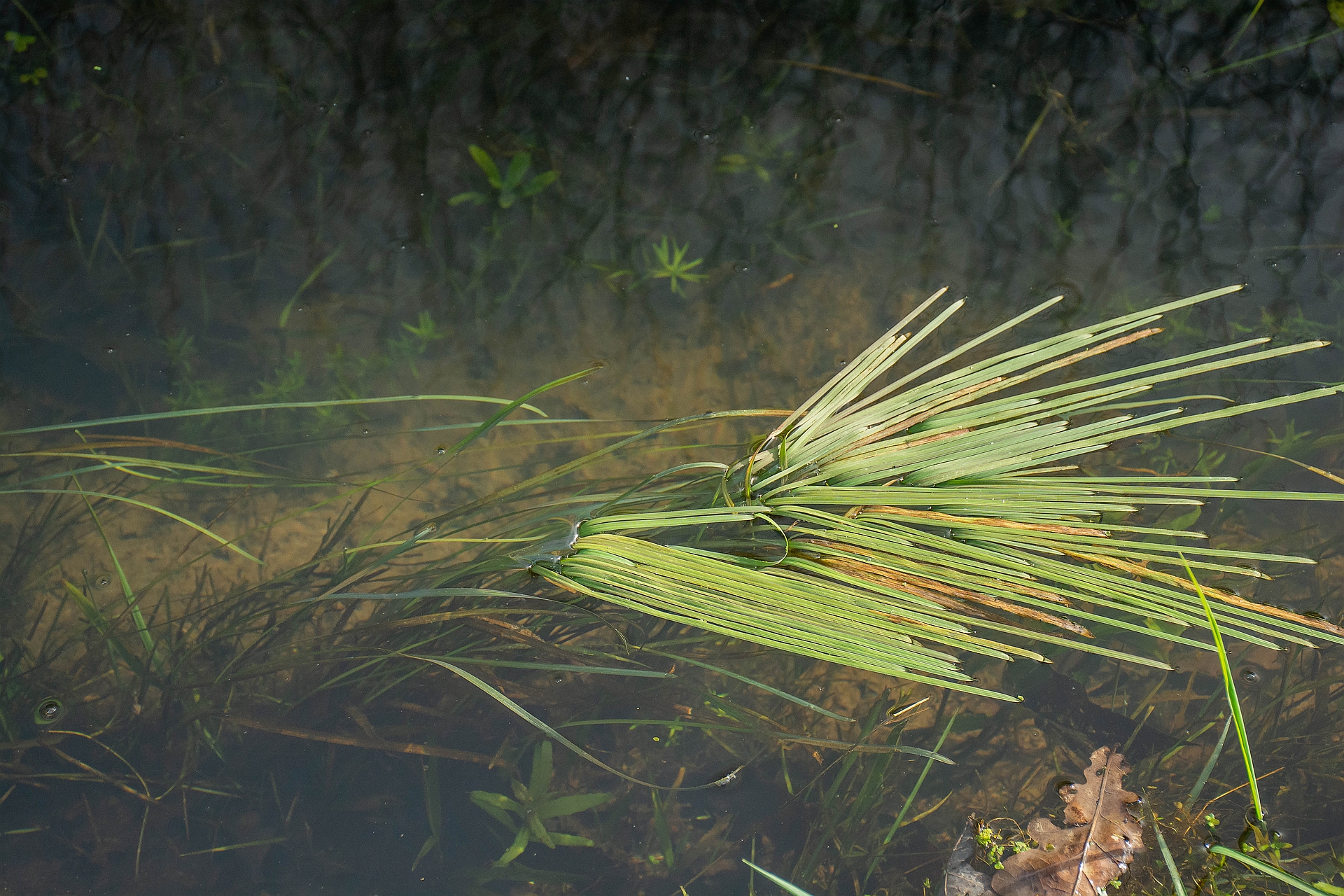
Image from GBIF · CC BY-NC
Species
Least ConcernSPECIES
- KingdomPlantae
- PhylumTracheophyta
- ClassLiliopsida
- OrderPoales
- FamilyPoaceae
Native toAlbania, Austria, Baltic States, Belarus, Belgium, Bulgaria, Central European Russia, Corse, Czechia-Slovakia, Denmark, East Aegean Is., East European Russia
Observations recorded447,854
Chile Central
via GBIF · IUCN · Kew POWO
Museum specimens
- Specimen records
- 3,962
- With media
- 2,771
- Family
- Poaceae
- Collections
- UNIVERSITY OF ALBERTA MUSEUMS, IBUNAM, INECOL, ENCB-IPN, CP, UAAAN
- Recorded in
- Canada, Finland, Mexico
Wikidata facts
Show 8 more facts
- taxon rank
- species
- taxon name
- Glyceria fluitans
- Commons category
- Glyceria fluitans
- IUCN conservation status
- Least Concern
- Commons gallery
- Glyceria fluitans
- taxon common name
- ojasorsimo
- short name
- G. fluitans
via Wikidata · CC0
~5 min read
Encyclopedic overview
Glyceria fluitans (syns Festuca fluitans, Poa fluitans, Panicularia fluitans), known as floating sweet-grass and water mannagrass, is a species of perennial grass in the genus Glyceria native to Europe, the Mediterranean region and Western Asia and occurring in wet areas such as ditches, riverbanks and ponds.
It has a creeping rootstock, a thick stem which rises to one metre. The leaves are long, narrow and pale green, rough on both sides, often folded at the keel which lies on the surface of the water.
Excerpted from Wikipedia’s “Glyceria fluitans” article, available under the CC BY-SA 4.0 licence.
Gallery (4)
Available in 27 languages
- Español
- Français
- Deutsch
- Русский
- Português
- Italiano
- Belarusian
- Cebuano
- Corsican
- Croatian
- Danish
- Egyptian Arabic
- Estonian
- Finnish
- Irish
- Latvian
- Lithuanian
- Nederlands
via Wikidata sitelinks · CC0