Godus · RAWG · Courtesy of RAWG
Godus
Sign in to saveGodus is a god video game developed by 22cans and published by DeNA. The company launched a Kickstarter campaign to raise funds and met their funding goal on 20 December 2012. Godus was designed by Peter Molyneux, who described it as the spiritual successor to his earlier creation, Populous. A real-time strategy, combat game spin-off, Godus Wars, was released in 2016. While the mobile versions of Godus continue to be updated, the PC editions of both games never left Steam Early Access, and are no longer available for purchase on the Steam store.
Game data
- Released
- 2013-09-13
- User rating
- 2.77 / 5
- Genres
- Strategy, Indie, Simulation
- Platforms
- PC, iOS, Android, macOS
- ESRB
- Everyone 10+
via RAWG
Game details · IGDB
Godus is a god simulation game developed by 22cans where players take on the role of a god, guiding a tribe of followers through various challenges as they expand their civilization. The game features elements of resource management, city-building, and exploration, with players sculpting the landscape and manipulating their followers to fulfill their divine objectives.
- Released
- 2014
- Genres
- Point-and-click, Real Time Strategy (RTS), Simulator, Strategy, Indie
- Platforms
- Android, PC (Microsoft Windows), iOS, Mac
- Game modes
- Single player, Multiplayer
- Engine
- Marmalade
- Developer
- 22Cans
- Publisher
- 22Cans
Key facts
- Video game.title
- Godus
- Video game.image
- Godus game logo.png
- Video game.developer
- 22cans
- Video game.publisher
- DeNA22cans (PC)
- Video game.engine
- Marmalade
- Video game.platforms
- Microsoft WindowsOS XiOSAndroidFire OS
- Video game.released
- Windows, OS X13 September 2013 (Early access)iOS7 August 2014Android27 November 2014
- Video game.genre
- God game, strategy game
- Video game.modes
- Single-player
- Video game.producer
- Matt JefferyJemma Harris
- Video game.designer
- Peter Molyneux
via Wikipedia infobox
Wikidata facts
- Instance of
- video game
- Genre
- god game
- Country of origin
- United Kingdom
- Publisher
- 22Cans
- Developer
- 22Cans
- Platform
- iOS
- Game mode
- single-player video game
- Game engine
- Marmalade
- Designed by
- Peter Molyneux
- Official website
- www.22cans.com
Show 8 more facts
- input device
- touchscreen
- publication date
- 2013-09-13
- distributed by
- App Store
- business model
- early access
- operating system
- iOS
- language of work or name
- Turkish
- has characteristic
- indie game
- funding scheme
- crowdfunding
Sources (1)
via Wikidata · CC0
~7 min read
Encyclopedic overview
5 sectionsContents
- Gameplay
- Development
- Reception
- References
- External links
Godus is a god video game developed by 22cans and published by DeNA. The company launched a Kickstarter campaign to raise funds and met their funding goal on 20 December 2012. Godus was designed by Peter Molyneux, who described it as the spiritual successor to his earlier creation, Populous. A real-time strategy, combat game spin-off, Godus Wars, was released in 2016. While the mobile versions of Godus continue to be updated, the PC editions of both games never left Steam Early Access, and are no longer available for purchase on the Steam store.
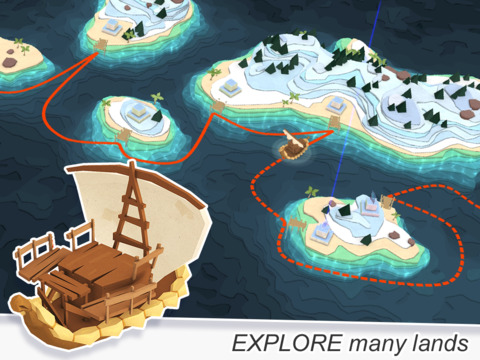
== Gameplay == The player starts out by saving a man and a woman from drowning. Once the player leads them to the Promised Land, they will settle down and build a tent. They will expand the settlement by breeding and building another tent to live in. By using this strategy, the player will explore the world and improve the population through the ages. The main feature of this game is that the player is able to redesign the land stratum at will. Different strata require different amounts of "Belief", which operates like an in-game currency, to modify. The player will be able to explore at least one other world after finding a certain ship and gathering enough resources to repair it. The player will need to build more housing dwellings, which increases the population that worships the player. As the population grows, the player will be rewarded with cards that will give access to more powers and grant new abilities and behaviours to the population, as well.
Excerpted from Wikipedia’s “Godus” article, available under the CC BY-SA 4.0 licence.