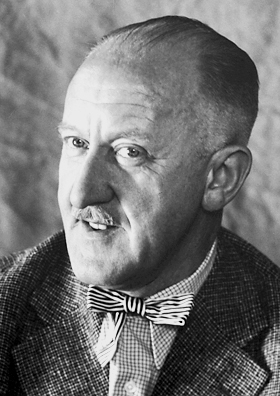
File:Halldór_Kiljan_Laxness_1955.jpg · Wikimedia Commons · See Wikimedia Commons
Halldór Laxness
Sign in to saveAlso known as Halldór Kiljan Laxness, Halldor Laxness, Halldor Kiljan Laxness
escritor islandês (1902-1998)
OverviewAI-generated
Halldór Laxness, born Halldór Guðjónsson in Reykjavík in 1902, was an Icelandic linguist, novelist, translator, and playwright. He began his work period in 1916 and continued until 1998. His literary output included narrative poetry and works such as *Ásmundur Sveinsson*, *Straumrof*, *Den store vaever fra Kashmir*, *De islandske sagaer og andre essays*, and *Reisubókarkorn*. He wrote in the Icelandic language and worked primarily in Iceland.
Laxness received the Nobel Prize in Literature and was recognized in the Nobel Literature collection. He was also nominated for the prize. He was affiliated with the Catholic Church and Lutheranism, and belonged to the Benedictines religious order. He died in Mosfellsbær in 1998 due to Alzheimer's disease, which was a natural cause. He had a child named Guðný Halldórsdóttir.
Synthesized by Vinony from 32 facts across 5 sources: Wikidata, Open Library, TMDb, Nobel Prize, Vinony collections. Generated from structured data (not the Wikipedia text) and checked against those facts — may still contain errors.
Person · Open Library
- Born
- 1902
- Died
- 1998
- Works
- 285
Top works
- Í Austurvegi
- Ásmundur Sveinsson
- Straumrof
- Den store vaever fra Kashmir
- De islandske sagaer og andre essays
via Open Library + Wikidata
Film & TV
Reykjavik, Iceland
Halldór Kiljan Laxness (born Halldór Guðjónsson; 23 April 1902 – 8 February 1998) was an Icelandic writer and winner of the 1955 Nobel Prize in Literature. He wrote novels, poetry, newspaper articles, essays, plays, travelogues and short stories. Writers who influenced Laxness included August Strindberg, Sigmund Freud, Knut Hamsun, Sinclair Lewis, Upton Sinclair, Bertolt Brecht and Ernest…
Known for
- The Fish Can Sing1973
- The Fish Can Sing1973
- Halldór Kiljan Laxness — Self (archive footage)1962
via TMDB
Nobel Prize
- The Nobel Prize in Literature1955
“for his vivid epic power which has renewed the great narrative art of Iceland”
Wikidata facts
- Instance of
- human
- Gender
- male
- Citizenship
- Iceland
- Place of birth
- Reykjavík
- Place of death
- Mosfellsbær
- Child
- Guðný Halldórsdóttir
- Occupation
- poet
- Languages spoken
- Icelandic
- Religion
- Lutheranism
- Genre
- narrative poetry
- Image
- Halldór Kiljan Laxness 1955.jpg
- Work location
- Iceland
- Religious order
- Benedictines
Show 12 more facts
- Commons category
- Halldór Laxness
- date of birth
- 1902-04-23
- date of death
- 1988-02-08
- Commons Creator page
- Halldór Laxness
- topic's main category
- Category:Halldór Laxness
- birth name
- Halldór Guðjónsson
- nominated for
- Nobel Prize in Literature
- start of work period
- 1916-00-00
- cause of death
- Alzheimer's disease
- P8168
- Piyale Pasha
- manner of death
- natural causes
- end of work period
- 1998-00-00
Sources (3)
via Wikidata · CC0
Article · Português
Halldór Kiljan Laxness (nome inicial Halldór Guðjónsson) (Reiquiavique, 23 de Abril de 1902 — 8 de Fevereiro de 1998) foi um escritor islandês. Nasceu em Reykjavík, filho de Sigríður Halldórsdóttir (nascida em 1872) e Guðjón Helgason (nascido em 1870). Viveu em Reykjavík até sua juventude, e mudou-se para Laxnes (Mosfellssveit) em 1905. Quarenta anos mais tarde mudou-se para Gljúfrasteinn, Mosfellssveit. Com 14 anos escreveu o primeiro artigo, publicado no jornal Morgunblaðið, que assinou com a sigla H.G.. Não muito mais tarde publicou, com o seu nome, um artigo sobre um velho relógio no referido jornal. Durante sua carreira escreveu 51 romances, poesia, artigos de jornal, livros de viagens, peças de teatro, contos e outras obras. Em 1923, Laxness converteu-se ao catolicismo, experiência que o autor relata na obra "O grande tecelão da Caxemira (1927)". Contudo abandonou essa religião (tornou-se ateu) e aderiu ao comunismo (O livro do povo 1929 e Poemas 1930). Foi galardoado com o Nobel de Literatura de 1955.
Abstract from DBpedia / Wikipedia · CC BY-SA
Gallery (3)
Available in 93 languages
- Español
- Français
- Deutsch
- 中文
- 日本語
- Русский
- Português
- Italiano
- العربية
- हिन्दी
- Albanian
- Aragonese
- Armenian
- azb
- Azerbaijani
- Bahasa Indonesia
- Bangla
- Basque
Show 74 more
- be_x_old
- Belarusian
- Bosnian
- Breton
- Bulgarian
- Catalan
- Croatian
- Czech
- Danish
- Egyptian Arabic
- Esperanto
- Estonian
- Faroese
- Filipino
- Finnish
- Galician
- Georgian
- Greek
- Haitian Creole
- Hakka Chinese
- Hebrew
- Hungarian
- Icelandic
- Ido
- Iloko
- Irish
- Kannada
- Kazakh
- Kotava
- Kurdish
- Kyrgyz
- Latin
- Latvian
- Lithuanian
- Luxembourgish
- Macedonian
- Malay
- Malayalam
- Marathi
- Mazanderani
- Mingrelian
- Nederlands
- Norwegian
- Norwegian Nynorsk
- Occitan
- Piedmontese
- Polski
- Punjabi
- Romanian
- Scots
- Scottish Gaelic
- Serbian
- Serbian (Latin)
- simple
- Slovak
- Slovenian
- Svenska
- Swahili
- Tamil
- Tatar
- Tiếng Việt
- Türkçe
- Ukrainian
- Urdu
- Uzbek
- Western Frisian
- Western Panjabi
- Wu Chinese
- Yoruba
- zh_min_nan
- zh_yue
- فارسی
- ไทย
- 한국어
via Wikidata sitelinks · CC0