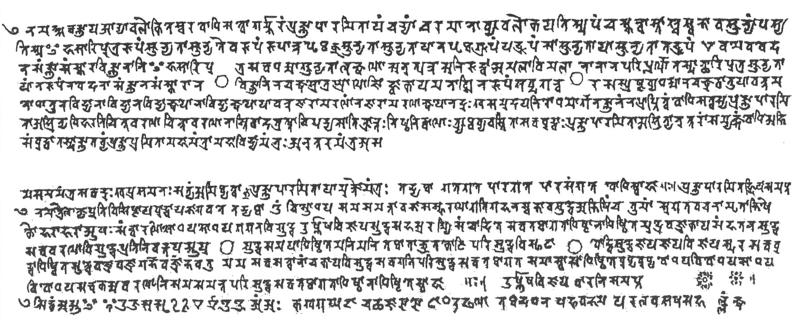
File:Falongsibeiye.png · Wikimedia Commons · See Wikimedia Commons
Heart Sutra
Sign in to saveAlso known as The Heart of the Perfection of Wisdom, Heart of the Perfection of Wisdom, The Heart of Wisdom Sutra, Heart of Wisdom Sutra, The Heart of Understanding
short Mahayana sutra, surviving in Sanskrit, Chinese and Tibetan, expounding the Two Truths doctrine that ultimately all phenomena are sunyata
The Heart Sutra is a brief Buddhist text, preserved in multiple languages, that teaches the doctrine of the Two Truths—the idea that at the deepest level, all things lack inherent, permanent existence (a concept called sunyata). It has become one of the most influential and widely recited texts in Mahayana Buddhism because its teachings are considered to express the core insight of Buddhist wisdom.
AI-generated from the Wikipedia summary — may contain errors.
Wikidata facts
- Instance of
- Mahayana sutra
- Subclass of
- Buddhist text
- Author
- The Buddha
- Main subject
- Śūnyatā
- Image
- ཤེས་རབ་སྙིང་པོ། སྡེ་དགེ་པར་ཕུད།.pdf
Show 2 more facts
- title
- བཅོམ་ལྡན་འདས་མ་ཤེས་རབ་ཀྱི་ཕ་རོལ་ཏུ་ཕྱིན་པའི་སྙིང་པོ།
- Commons category
- Heart Sutra
Sources (2)
via Wikidata · CC0
~40 min read
Encyclopedic overview
The Heart Sūtra is a popular sūtra in Mahāyāna Buddhism. In Sanskrit, the title Prajñāpāramitāhṛdaya translates as "The Heart of the Perfection of Wisdom". It is traditionally associated with the Bodhisattva Avalokiteśvara (commonly known in East Asian Buddhism as Guanyin), who is the interlocutor of the sūtra.
The sūtra famously states, "Form is emptiness (śūnyatā), emptiness is form." It has been called "the most frequently used and recited text in the entire Mahayana Buddhist tradition." The text has been translated into English dozens of times from Chinese, Sanskrit, and Tibetan, as well as other source languages.
Excerpted from Wikipedia’s “Heart Sutra” article, available under the CC BY-SA 4.0 licence.