
Heian
Also known as Heian jidai, Heian era, Heian Culture, Heian Style, Heian Japan
last major division of classical Japanese history (794 to 1185), named after the capital city of Heian-kyō, or modern Kyōto
AI overview
The Heian period (794–1185) was the final era of classical Japanese history, named after its capital city Heian-kyō, which is known today as Kyōto. This period matters because it represents the last major chapter of classical Japan before the country transitioned to a new historical phase.
AI-generated from the Wikipedia summary — may contain errors.
Described at
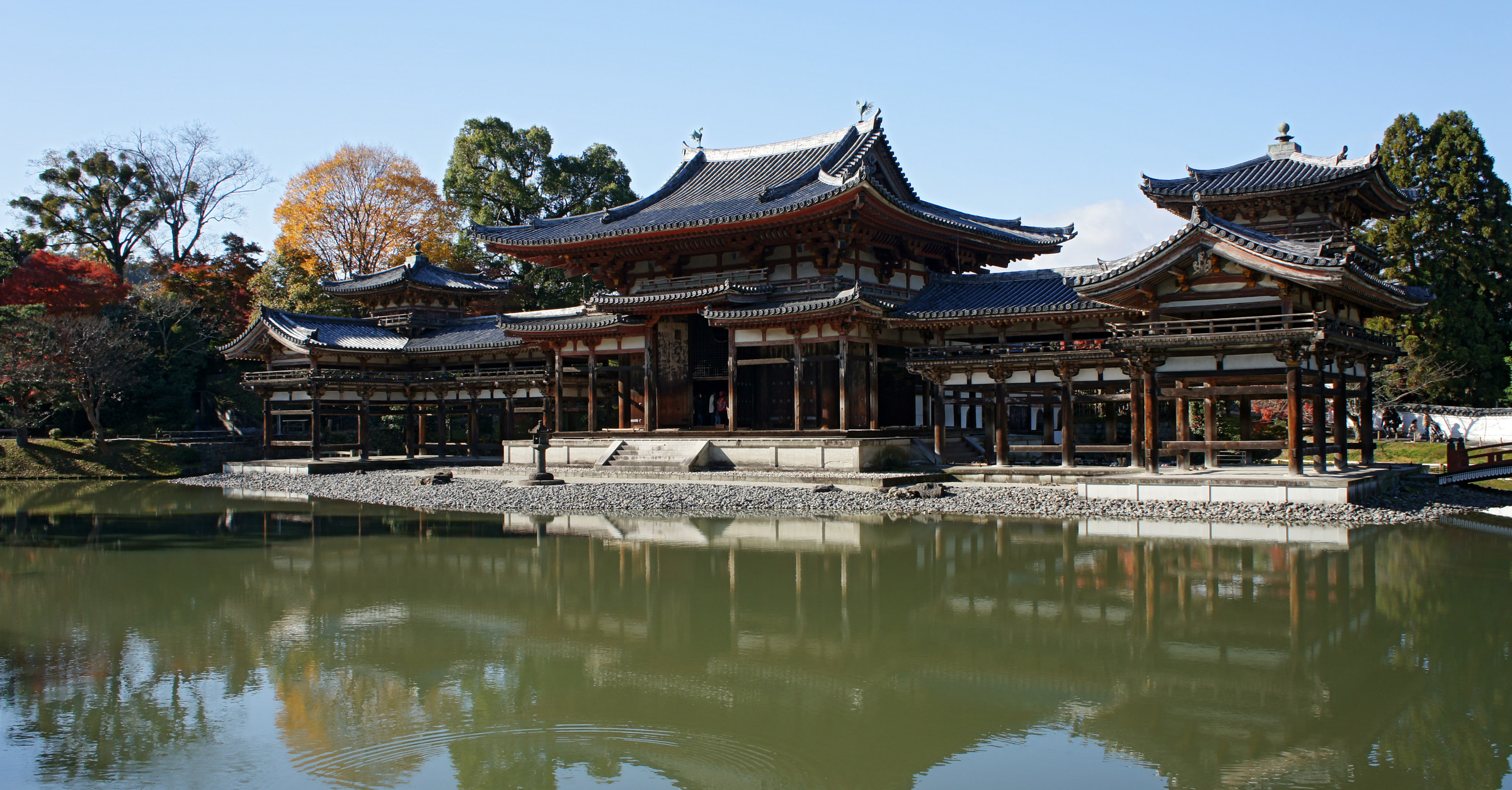
Heian Period - World History Encyclopedia
The Heian Period of Japanese history covers 794 to 1185 CE and saw a great flourishing in Japanese culture from literature to paintings. Government and its administration...
ancient.eu →The Heian Period of Japanese history covers 794 to 1185 CE and saw a great flourishing in Japanese culture from literature to paintings. Government and its administration came to be dominated by the Fujiwara clan who eventually were challenged by the Minamoto and Taira clans. The period, named after the capital Heiankyo , closes with the Genpei War in which the Minamoto were victorious and their leader Yoritomo established the Kamakura Shogunate. During the Nara Period (710-794 CE) the Japanese imperial court was beset by internal conflicts motivated by the aristocracy battling each other for favours and positions and an excessive influence on policy from Buddhist sects whose temples were dotted around the capital. Eventually, the situation resulted in Emperor Kammu (r. 781-806 CE) moving the capital from Nara to (briefly) Nagaokakyo and then to Heiankyo in 794 CE to start afresh and release the government from corruption and Buddhist influence. This marked the beginning of the Heian Period which would last into the 12th century CE. The new capital, Heiankyo, meaning 'the capital of peace and tranquillity,' was laid out on a regular grid plan. The city had a wide central avenue which dissected the eastern and western quarters. Architecture followed Chinese models with most buildings for public administration having crimson columns supporting green tiled roofs. Private homes were much more modest and had thatch or bark roofs. The aristocracy had palaces with their own carefully landscaped gardens and a large pleasure park was built south of the royal palace (Daidairi). No Buddhist temples were permitted in the central part of the city and artisan quarters developed with workshops for artists, metal workers and potters. No Heian Period buildings survive today from the capital except the Shishin-den (Audience Hall) which was burnt down but faithfully reconstructed and the Daigoku-den (Hall of State) which suffered a similar fate and was rebuilt on a smaller scale at the Heian Shrine. From the 11th century CE the city's longtime informal name meaning simply 'the capital city' was officially adopted: Kyoto. It would remain the capital of Japan for a thousand years. Kyoto was the centre of a government which consisted of the emperor, his high ministers, a council of state and eight ministries which, with the help of an extensive bureaucracy, ruled over some 7,000,000 people spread over 68 provinces, each ruled by a regional governor and further divided into eight or nine districts. In wider Japan, the lot of the peasantry was not quite so rosy as the aesthetics-preoccupied nobility at court. The vast majority of Japan's population worked the land, either for themselves or the estates of others, and they were burdened by banditry and excessive taxation. Rebellions such as occurred in Kanto under the leadership of Taira no Masakado between 935 and 940 CE were not uncommon. The policy of distributing public lands which had been instigated in previous centuries came to an end by the 10th century CE, and the result was that the proportion of land held in private hands gradually increased. By the 12th century CE 50% of land was held in private estates ( shoen ) and many of these, given special dispensation through favours or due to religious reasons, were exempt from paying tax. This situation would cause a serious dent in the state's finances. Wealthy landowners were able to reclaim new land and develop it, thus increasing their wealth and opening an ever wider gap between the haves and have-nots. There were also practical political repercussions as the large estate owners became more remote from the land they owned, many of them actually residing at court in Heiankyo. This meant that estates were managed by subordinates who sought to increase their own power, and conversely, the nobility and the emperor became more separated from everyday life. Most commoners' contact with the central authority was limited to paying the local tax c
Article · Svenska
Heian (平安時代) var en period i Japans historia från 794 till 1185. Det var en period i Japans historia då kejsarmonarkin blev symbolisk och ceremoniell och den verkliga makten övergick till tillhovadeln och ställföreträdande regenter ur familjen Fujiwara. Det var också en guldålder inom japansk konst och litteratur. I slutet av period övergick makten från hovadeln till krigarklassen.
Abstract from DBpedia / Wikipedia · CC BY-SA