hydroelectric power station
Also known as hydroelectric generating station, hydroelectric power plant, waterworks, hydro power station, hydro power plant, hydro-electric generating station, hydro-electric power house, hydroelectric plant
facility generating electric power using hydroelectricity
AI overview
A hydroelectric power station is a facility that generates electricity by harnessing the power of flowing or falling water. It matters because it provides a renewable source of energy that can help meet electricity demands without relying on fossil fuels.
AI-generated from the Wikipedia summary — may contain errors.
Wikidata facts
- Image
- Dolgarrog hydroelectric power station in Dyffryn Conwy, Parc Cenedlaethol Eryri (National Park) 05.jpg
Sources (2)
via Wikidata · CC0
Article
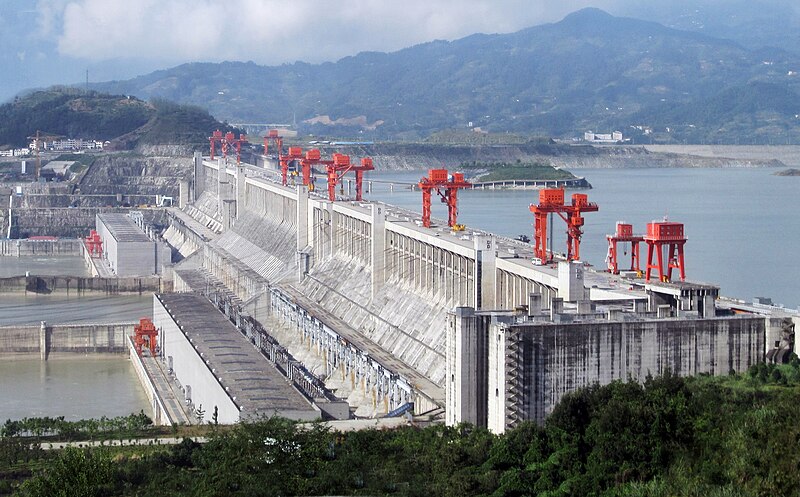
The Three Gorges Dam in Central China is the world's largest power-producing facility of any kind.
Hydroelectricity, or hydroelectric power, is electricity generated from hydropower. Hydropower supplies 15% of the world's electricity, almost 4,210 TWh in 2023, which is more than all other renewable sources combined and also more than nuclear power. Hydropower can provide large amounts of low-carbon electricity on demand, making it a key element for creating secure and clean electricity supply systems. A hydroelectric power station that has a dam and reservoir is a flexible source, since the amount of electricity produced can be increased or decreased in seconds or minutes in response to varying electricity demand. Once a hydroelectric complex is constructed, it produces no direct waste, and almost always emits considerably less greenhouse gas than fossil fuel-powered energy plants. However, when constructed in lowland rainforest areas, where part of the forest is inundated, substantial amounts of greenhouse gases may be emitted.