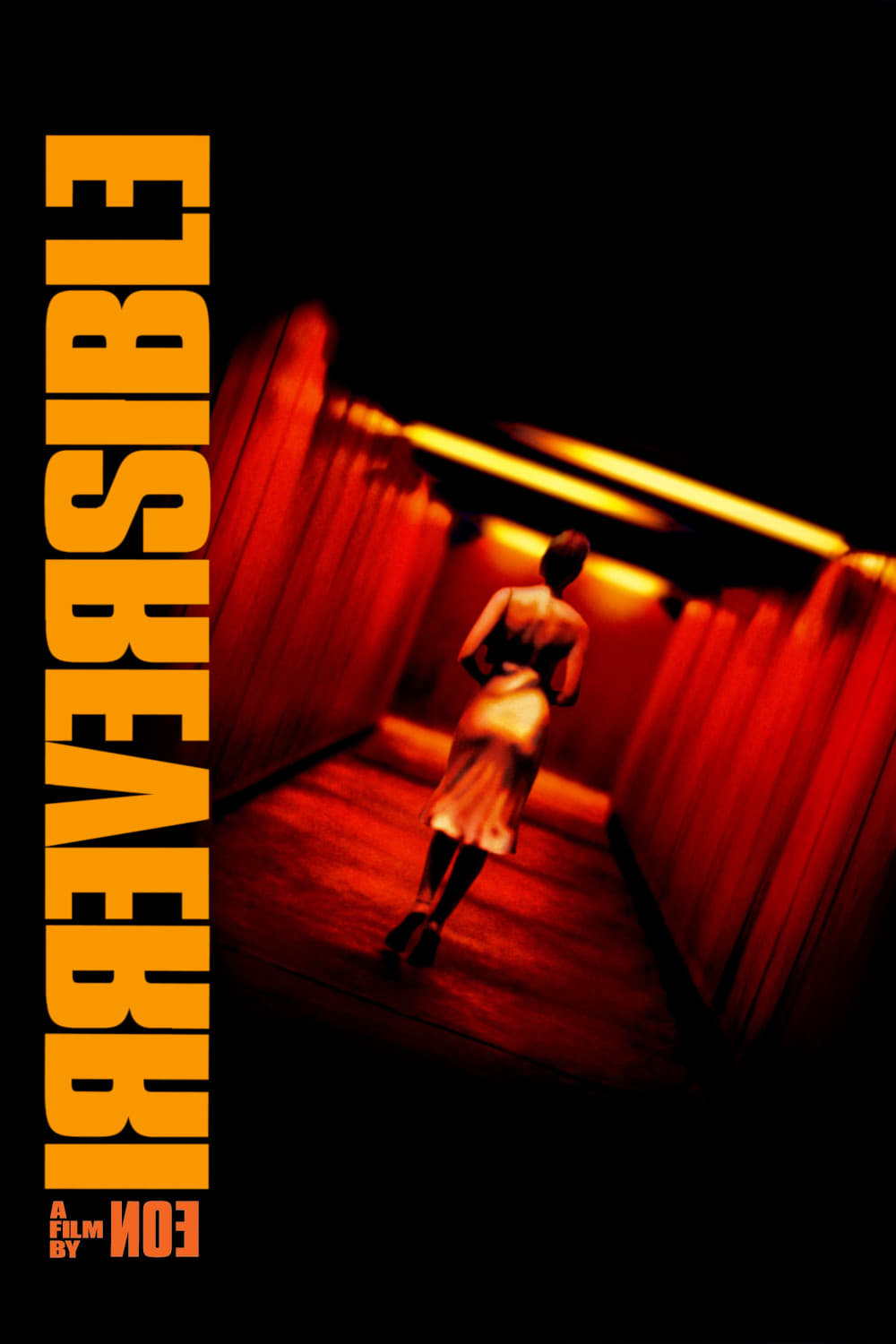
Poster from TMDB
Irreversible
Sign in to savepelícula de 2002 dirigida por Gaspar Noé
OverviewAI-generated
Irréversible is a 2002 French film directed, written, and edited by Gaspar Noé. The cast includes Monica Bellucci, Vincent Cassel, Albert Dupontel, and Estella Warren. Vincent Cassel and Gaspar Noé served as producers, while Benoît Debie and Gaspar Noé were the directors of photography. Thomas Bangalter composed the music. The film was produced by StudioCanal and distributed by Netflix in video on demand format.
The narrative is set in Paris, which was also the filming location. The work is classified as a rape and revenge, crime, drama, and LGBTQ-related film, with revenge as its main subject. It was shot on 16 mm film. The original languages include Spanish, Italian, French, and English.
Runtime figures vary between 93 and 97 minutes. The film has received a TMDb vote average of 7.184 from 3,281 votes and an IMDb rating of 7.3 from 163,436 votes. Its production budget was 3,500,000, with a revenue of 6,500,000. The tagline is "Time destroys everything."
Synthesized by Vinony from 40 facts across 4 sources: Wikidata, TMDb, IMDb, Vinony graph. Generated from structured data (not the Wikipedia text) and checked against those facts — may still contain errors.
Film · TMDB
7.2A woman’s lover and her ex-boyfriend take justice into their own hands after she becomes the victim of a rapist. Because some acts can’t be undone. Because man is an animal. Because the desire for vengeance is a natural impulse. Because most crimes remain unpunished.
Cast
- Monica Bellucci as Alex
- Vincent Cassel as Marcus
- Albert Dupontel as Pierre
- Jo Prestia as The Tapeworm
- Philippe Nahon as Man
- Stéphane Drouot as Stéphane
Themes
- prostitute
- rape
- paris, france
- police
- nihilism
- homophobia
- homicide
- insanity
- heroin
- celibacy
This product uses the TMDB API but is not endorsed or certified by TMDB.
Key facts
- Film.name
- Irréversible
- Film.image
- Irreversible_ver2.jpg
- Film.caption
- Theatrical release poster
- Film.director
- Gaspar Noé
- Film.writer
- Gaspar Noé
- Film.music
- Thomas Bangalter
- Film.editing
- Gaspar Noé
- Film.distributor
- Mars Distribution
- Film.runtime
- 97 minutes (original)86 minutes (Straight Cut)
- Film.country
- France
- Film.budget
- €4.6 million
- Film.gross
- €5.8 million
via Wikipedia infobox
Wikidata facts
- Instance of
- film
- Genre
- LGBTQ-related film
- Country of origin
- France
- Original language
- English language
- Main subject
- revenge
- Director
- Gaspar Noé
- Screenwriter
- Gaspar Noé
- Composer
- Thomas Bangalter
- Producer
- Gaspar Noé
- Production company
- StudioCanal
- Cinematographer
- Gaspar Noé
- Narrative location
- Paris
- Filming location
- Paris
- Duration
- 97
- FilmAffinity ID
- 513259
Show 9 more facts
- publication date
- 2002-05-22
- film editor
- Gaspar Noé
- title
- Irréversible
- distributed by
- Netflix
- assessment
- Bechdel test
- film format
- 16 mm film
- review score
- 51/100
- capital cost
- 4600000
- Commons category
- Irréversible
Sources (9)
via Wikidata · CC0
Article · Español
Irreversible (Irréversible, en francés, y tipografiado como IЯЯƎVƎЯSIBLƎ en los afiches) es una película francesa dramática de 2002 escrita y dirigida por el cineasta argentino Gaspar Noé y protagonizada por Monica Bellucci, Vincent Cassel y Albert Dupontel. La banda sonora de toda la película está montada por Thomas Bangalter, miembro del dúo francés de french house denominado Daft Punk. La película, contada en orden cronológico inverso, narra la búsqueda emprendida por dos hombres, Marcus y Pierre, quienes desean vengar la brutal violación de Alex, novia de Marcus y exnovia de Pierre. La historia transcurre en París, en el lapso de un día y una noche, y consta de trece secciones de diferente duración. Las primeras escenas se caracterizan por mostrar muchas imágenes en rápida sucesión y movimientos caóticos de cámara, y a medida que avanza la historia las mismas van haciéndose cada vez más pausadas. El film causó polémica por lo explícito de una escena de asesinato y otra de una violación. Desde su estreno la cinta ha estado envuelta en controversia, con una gran cantidad de defensores y detractores. Actualmente se la considera como una película de culto.
Abstract from DBpedia / Wikipedia · CC BY-SA