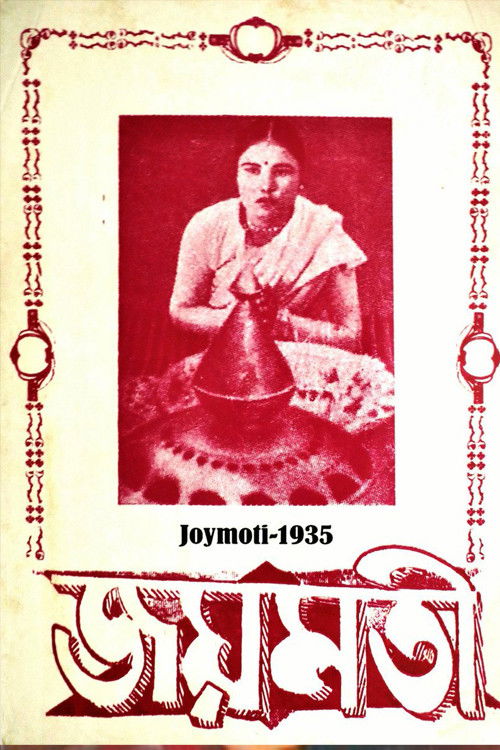
Poster from TMDB
Film · TMDB
8.0In the late 17th century, a boy-king ruled the Ahom dynasty of Assam. But the executive power over the whole administration was vested on the Prime Minister. Owing to the presence of a large body of princes, each of whom was a positive material for insurrection, no king could sit on the throne safely. The Prime Minister, therefore, instituted search for the suitors to capture and kill them, or let off after mutilating thereby banning them for succession. The principal target of massacre was Godapani, a man of personal - vigor and energy. But Godapani became aware of The Prime Minister's design and fled to the Naga hills. Unable to trace Godapani, the army led by, one Gathi Hazarika, came upon his wife Joymoti. Gathi inflicted tortures on her to elicit the much sought-after information. She stuck to plea of ignorance, and replied to the increasing tortures by silence and patience. She breathed her last in the midst of torture.
Cast
- Aideu Handique as Joymati (as Asaideo Handige)
- Phanu Barua as Gada Paani
- Swargajyoti Barooah as Dalimi (as Swargajyoti Datta)
- Mohini Rajkumari
- Manabhiram Barua
- Phani Sarma as Gathi Hazarika
Themes
- based on play or musical
This product uses the TMDB API but is not endorsed or certified by TMDB.
Wikidata facts
- Instance of
- film
- Genre
- biographical film
- Country of origin
- British Raj
- Original language
- Assamese
- Director
- Jyoti Prasad Agarwala
- Screenwriter
- Lakshminath Bezbaroa
- Cast member
- Aideu Handique
- Composer
- Jyoti Prasad Agarwala
- Producer
- Jyoti Prasad Agarwala
- Narrative location
- India
- Image
- Joymoti film screenshot.jpg
Show 3 more facts
- publication date
- 1935-00-00
- color
- black-and-white
- Commons category
- Joymoti (1935 film)
Sources (2)
via Wikidata · CC0
Article · Italiano
Joymoti (জয়মতী) è un film del 1935, diretto dal poeta, scrittore e regista , basato su un lavoro teatrale di Lakshminath Bezbaroa dedicato a , principessa Ahom del XVII secolo. Il film, uscito il 10 marzo 1935, segna l'inizio del cinema assamese.
Abstract from DBpedia / Wikipedia · CC BY-SA