Lycophron
Sign in to saveAlso known as Lycophron of Chalcis, Lykophron, Lykophron of Chalkis
Lycophron ( ; ; born about 330–325 BC) was a Hellenistic Greek tragic poet, grammarian, and commentator on comedy, to whom the poem Alexandra is attributed (perhaps falsely).
OverviewAI-generated
Lycophron was a male writer and poet who wrote in Ancient Greek. He was born in Chalkída and was the son of Lycus of Rhegium. He died in 280 BCE. He was a member of the Alexandrian Pleiad.
His notable work is the Alexandra. Other works include La profezia della Cassandra, La Cassandre de Lycophron, Lykophronos tou Chalkideōs Alexandra, Hymns and epigrams, and Cassandra. He is described by sources such as the Nordisk familjebok, Brockhaus and Efron Encyclopedic Dictionary, Encyclopædia Britannica 11th edition, and the New International Encyclopedia.
Synthesized by Vinony from 15 facts across 3 sources: Wikidata, Open Library, Europeana Sparql. Generated from structured data (not the Wikipedia text) and checked against those facts — may still contain errors.
Person · Open Library
- Works
- 17
Top works
- [Isaakiou kai Iōannou tou Tzetzou Scholia eis Lykophrona]
- La profezia della Cassandra
- La Cassandre de Lycophron
- Lykophronos tou Chalkideōs Alexandra
- Hymns and epigrams
via Open Library + Wikidata
Wikidata facts
- Instance of
- human
- Gender
- male
- Place of birth
- Chalkída
- Father
- Lycus of Rhegium
- Occupation
- poet
- Languages spoken
- Ancient Greek
- Notable work
- Alexandra
Show 6 more facts
- date of birth
- 0270-00-00
- date of death
- 0280-00-00
- described by source
- Pauly–Wissowa
- writing language
- Ancient Greek
- member of
- Alexandrian Pleiad
- Commons category
- Lycophron
Sources (2)
via Wikidata · CC0
Works in European collections
36 objects attributed to Lycophron, held across European museums, libraries & archives · via Europeana
![Lykophronos Alexandra :to skoteinon poiēma ... = Lycophronis Clachidensis Alexandra, siue, Cassandra : poema quidem obscurum etiam doctis appellatum, sed ita eruditissimis Isacii Tzetzis grammatici commentarijs (quae & doctissimo cuiq[ue] uehementer desiderata sunt hactenus & simul nunc primùm in lucem eduntur) illustratum atq[ue] explicatum, ut tam historiarum & fabularum quàm aliarum quoque reconditarum scitúq[ue] dignarum rerum studiosi,horum editione magno se thesauro ditatos, agnoscere meritò possint](https://api.europeana.eu/thumbnail/v2/url.json?uri=http%3A%2F%2Fwww.bsb-muenchen-digital.de%2Fweb1013%2Fbsb10138714%2Fimages%2Fbsb10138714_00001.jpg&type=IMAGE)
Lykophronos Alexandra :to skoteinon poiēma ... = Lycophronis Clachidensis Alexandra, siue, Cassandra : poema quidem obscurum etiam doctis appellatum, sed ita eruditissimis Isacii Tzetzis grammatici commentarijs (quae & doctissimo cuiq[ue] uehementer desiderata sunt hactenus & simul nunc primùm in lucem eduntur) illustratum atq[ue] explicatum, ut tam historiarum & fabularum quàm aliarum quoque reconditarum scitúq[ue] dignarum rerum studiosi,horum editione magno se thesauro ditatos, agnoscere meritò possint

Lycophrontis Chalcidensis Alexandrae, Sive Cassandrae uersiones duae = Lykophronos Tu Chalkideōs Alexandra
Chalkideōs Alexandra = Lycophronis Chalcidensis Alexandrae, Sive Cassandræ uersiones duæ: una ad uerbum, and Gvlielmo Cantero: altera carmine expressa, per Iosephvm Scaligervm, Ivlii F. [...] (scales: 1 - 264)
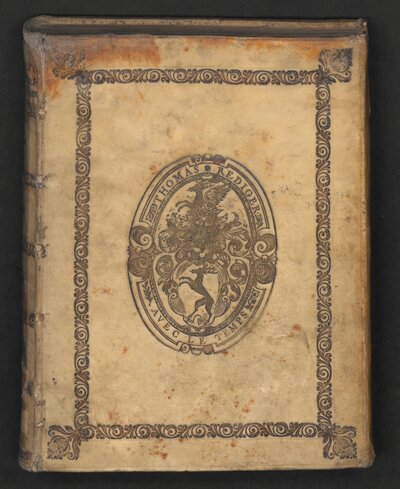
Alexandra cum glossis

Lycophron cum scholiis Isaac

Lycophron

Lycophron

Lycophronis Alexandra

Lycophron
![Lykophronos Alexandra :to skoteinon poiēma ... = Lycophronis Clachidensis Alexandra, siue, Cassandra : poema quidem obscurum etiam doctis appellatum, sed ita eruditissimis Isacii Tzetzis grammatici commentarijs (quae & doctissimo cuiq[ue] uehementer desiderata sunt hactenus & simul nunc primùm in lucem eduntur) illustratum atq[ue] explicatum, ut tam historiarum & fabularum quàm aliarum quoque reconditarum scitúq[ue] dignarum rerum studiosi,horum editione magno se thesauro ditatos, agnoscere meritò possint](https://api.europeana.eu/thumbnail/v2/url.json?uri=http%3A%2F%2Fwww.bsb-muenchen-digital.de%2Fweb1013%2Fbsb10138712%2Fimages%2Fbsb10138712_00005.jpg&type=IMAGE)
Lykophronos Alexandra :to skoteinon poiēma ... = Lycophronis Clachidensis Alexandra, siue, Cassandra : poema quidem obscurum etiam doctis appellatum, sed ita eruditissimis Isacii Tzetzis grammatici commentarijs (quae & doctissimo cuiq[ue] uehementer desiderata sunt hactenus & simul nunc primùm in lucem eduntur) illustratum atq[ue] explicatum, ut tam historiarum & fabularum quàm aliarum quoque reconditarum scitúq[ue] dignarum rerum studiosi,horum editione magno se thesauro ditatos, agnoscere meritò possint

Lycophrontis Chalcidensis Alexandrae, Sive Cassandrae uersiones duae = Lykophronos Tu Chalkideōs Alexandra

Lycophronis Chalcidensis Alexandra :Poëma obscurum

Lykophronos tu Chalkideōs Alexandra = Lycophronis Chalcidensis Alexandrae, sive Cassandrae uersiones duae

Alexandra :poëma obscurum

Lycophronis Chalcidensis Alexandra = Lycophronos Tu Chalkideōs Aalexandra

Lykophronos tou Chalkideōs Alexandra :kai eis auto touto Isaakiou tou Tzetzou exēgēma = Lycophronis Chalcidensis Alexandra : cum Graecis Isaacii Tzetzis commentariis ; acc. versiones, variantes lectiones, emendationes, annotationes, & indices necessarii

Lykophronos Tu Chalkideōs Alexandra = Lycophronis Chalcidensis Alexandra, Sive Cassandra

Lycophronis Alexandra. 1
![Lykophronos Alexandra :to skoteinon poiēma ... = Lycophronis Clachidensis Alexandra, siue, Cassandra : poema quidem obscurum etiam doctis appellatum, sed ita eruditissimis Isacii Tzetzis grammatici commentarijs (quae & doctissimo cuiq[ue] uehementer desiderata sunt hactenus & simul nunc primùm in lucem eduntur) illustratum atq[ue] explicatum, ut tam historiarum & fabularum quàm aliarum quoque reconditarum scitúq[ue] dignarum rerum studiosi,horum editione magno se thesauro ditatos, agnoscere meritò possint](https://api.europeana.eu/thumbnail/v2/url.json?uri=http%3A%2F%2Fwww.bsb-muenchen-digital.de%2Fweb1013%2Fbsb10138721%2Fimages%2Fbsb10138721_00001.jpg&type=IMAGE)
Lykophronos Alexandra :to skoteinon poiēma ... = Lycophronis Clachidensis Alexandra, siue, Cassandra : poema quidem obscurum etiam doctis appellatum, sed ita eruditissimis Isacii Tzetzis grammatici commentarijs (quae & doctissimo cuiq[ue] uehementer desiderata sunt hactenus & simul nunc primùm in lucem eduntur) illustratum atq[ue] explicatum, ut tam historiarum & fabularum quàm aliarum quoque reconditarum scitúq[ue] dignarum rerum studiosi,horum editione magno se thesauro ditatos, agnoscere meritò possint

Lykophronos tu Chalkideōs Alexandra = Lycophronis Chalcidensis Alexandrae, sive Cassandrae uersiones duae

Lycophronis Chalcidensis Alexandra, sive Cassandra = Lykophronos Tu Chalkideōs Alexandra

Lycophronis Alexandra
![Lykophronos Alexandra :to skoteinon poiēma ... = Lycophronis Clachidensis Alexandra, siue, Cassandra : poema quidem obscurum etiam doctis appellatum, sed ita eruditissimis Isacii Tzetzis grammatici commentarijs (quae & doctissimo cuiq[ue] uehementer desiderata sunt hactenus & simul nunc primùm in lucem eduntur) illustratum atq[ue] explicatum, ut tam historiarum & fabularum quàm aliarum quoque reconditarum scitúq[ue] dignarum rerum studiosi,horum editione magno se thesauro ditatos, agnoscere meritò possint](https://api.europeana.eu/thumbnail/v2/url.json?uri=http%3A%2F%2Fwww.bsb-muenchen-digital.de%2Fweb1013%2Fbsb10138720%2Fimages%2Fbsb10138720_00007.jpg&type=IMAGE)
Lykophronos Alexandra :to skoteinon poiēma ... = Lycophronis Clachidensis Alexandra, siue, Cassandra : poema quidem obscurum etiam doctis appellatum, sed ita eruditissimis Isacii Tzetzis grammatici commentarijs (quae & doctissimo cuiq[ue] uehementer desiderata sunt hactenus & simul nunc primùm in lucem eduntur) illustratum atq[ue] explicatum, ut tam historiarum & fabularum quàm aliarum quoque reconditarum scitúq[ue] dignarum rerum studiosi,horum editione magno se thesauro ditatos, agnoscere meritò possint
Untitled
Untitled
Untitled
Untitled
Untitled

Untitled

Untitled

Untitled

Untitled

Untitled

Untitled

Untitled

Untitled
~9 min read
Encyclopedic overview
9 sectionsContents
- Life and miscellaneous works
- Tragedies
- The ''Alexandra''
- Debate over the author of ''Alexandra''
- Editions
- Translations
- References
- Further reading
- External links
Lycophron ( ; ; born about 330–325 BC) was a Hellenistic Greek tragic poet, grammarian, and commentator on comedy, to whom the poem Alexandra is attributed (perhaps falsely).
==Life and miscellaneous works== He was born at Chalcis in Euboea, and flourished at Alexandria in the time of Ptolemy Philadelphus (285–247 BC). According to the Suda, the massive tenth century Byzantine Greek historical encyclopaedia, he was the son of Socles, but was adopted by Lycus of Rhegium. It is believed that Lycophron was acquaintances with Greek philosopher Menedemus, who may have influenced some of Lycophron's tragedies and even wrote a satyr drama about the man. At an unknown date Lycophron was intrigued by the literary movement in Alexandria and settled there. He was entrusted by Ptolemy with the task of arranging the comedies in the Library of Alexandria; as the result of his labours he composed a treatise On Comedy. Lycophron is also said to have been a skillful writer of anagrams. Like most of his life, the end of Lycophron's life is not documented, but there is some evidence of his death. Although it is not known if he stayed in Alexandria for the rest of his life, what may be his end is told in Ovid's Ibis, "Tuque cothurnatus cecidesse Lycophrona narrant, Haereat in fibris fixa sagitta tuis" (And they say that Lycophron fell in his boots, and let his arrow stick in his bones.)
Excerpted from Wikipedia’s “Lycophron” article, available under the CC BY-SA 4.0 licence.